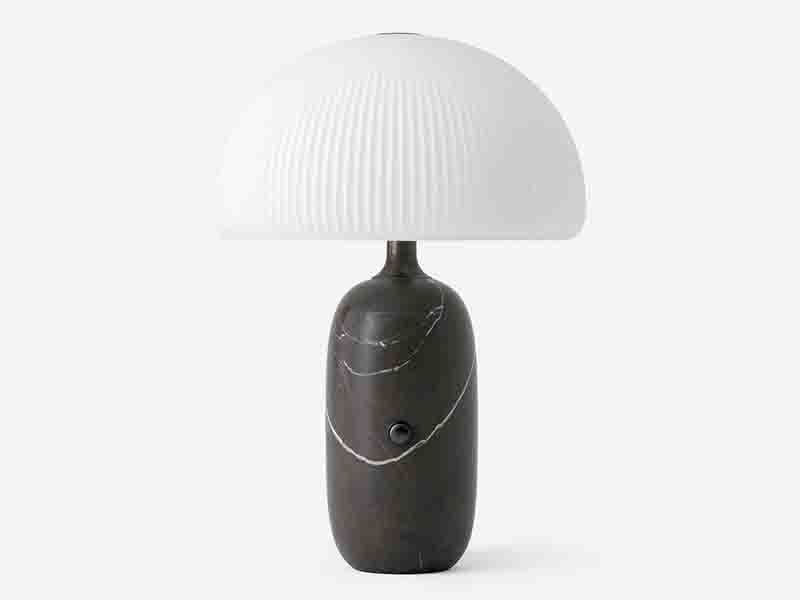
A sculpture table lamp has one wonderfully unfair advantage over ordinary lighting: it still has a job when the bulb is turned off. During the day, it behaves like a small work of art. At night, it adds warmth, shadow, atmosphere, and just enough illumination to make a room feel intentionally designed rather than merely furnished.
Also called a sculptural table lamp, this type of lighting blurs the line between functional fixture and decorative object. The base might resemble an abstract figure, a stack of smooth stones, a folded ribbon of metal, a hand-built ceramic vessel, or something that looks as though it recently escaped from a modern art museum. That visual personality is precisely the point.
Modern interiors increasingly treat lighting as part of the composition of a room rather than as an afterthought. A table lamp can provide ambient, task, accent, or decorative light, while a sculptural model adds three-dimensional form and personality even when it is not illuminated. Historic examples such as Isamu Noguchi’s Akari light sculptures demonstrate just how successfully art, craft, and everyday lighting can occupy the same object.
Research grounding:
What Is a Sculpture Table Lamp?
A sculpture table lamp is a freestanding light fixture designed with a strong emphasis on form. Every table lamp has a base, a light source, and some method of controlling glare or directing illumination, but a sculptural lamp makes the physical object itself a major part of the visual experience.
Some designs are clearly figurative. You may find lamps shaped like animals, human forms, faces, branches, or architectural fragments. Others are abstract, relying on curves, asymmetry, geometric blocks, negative space, or unusual material combinations. The most successful examples do not simply attach a bulb to a decorative statue. The light and the form feel like parts of the same idea.
This concept has deep roots in modern design. Noguchi began developing his Akari light sculptures in 1951, combining traditional Japanese lantern-making techniques with electric illumination and sculptural experimentation. MoMA’s design collection also documents the enormous variety that lamp design achieved during the twentieth century, from molded plastic forms to delicate paper constructions. The lesson is still relevant: a lamp does not have to disappear into the background.
Research grounding:
Why Sculptural Table Lamps Work So Well in a Room
They create a focal point without demanding much floor space
A large sculpture may require a pedestal, a protected corner, and a household agreement not to knock it over. A sculptural table lamp can create a similar visual moment on a nightstand, console, desk, or side table. It is particularly useful in apartments and smaller rooms where every square foot has already submitted a résumé for three different jobs.
Because the lamp adds height, volume, texture, and light at once, it can replace several small decorative accessories. One strong lamp on a console often looks more confident than five tiny objects nervously standing in a row.
They make layered lighting more interesting
Comfortable rooms rarely depend on one ceiling fixture. Layering ambient, task, accent, and decorative lighting creates depth and gives a room more flexibility throughout the day. Table lamps are especially effective because they place light below ceiling level, creating smaller pools of illumination that can make seating areas and bedrooms feel more intimate.
A sculpture table lamp performs that job while adding a distinctive silhouette. In other words, it contributes both illumination and visual architecture.
They help a room feel personal
Perfectly coordinated furniture can sometimes make a room feel like a showroom where nobody is permitted to own a charging cable. A sculptural lamp introduces character. Its shape may be strange, elegant, humorous, organic, brutalist, glamorous, or quietly handmade.
That individuality is valuable because memorable interiors usually contain at least one element that is slightly unexpected.
Popular Materials and What They Bring to the Design
Ceramic, plaster, and resin
Ceramic is one of the most versatile choices for a sculpture table lamp. It can be smooth and minimal, rough and handmade, glossy, matte, colorful, or deliberately irregular. A chunky ceramic lamp with an organic silhouette works especially well in contemporary, Mediterranean-inspired, organic modern, and eclectic interiors.
Plaster and plaster-look finishes create a softer architectural effect. Their chalky surfaces emphasize form instead of shine, making them useful when you want a lamp to feel substantial without becoming visually loud.
Resin allows manufacturers to produce highly detailed and unusual shapes at a wider range of prices. Quality varies, however, so examine close-up photographs and specifications. A convincing finish can look beautifully sculptural; a poor one may look like it came free with a novelty trophy.
Metal
Brass, bronze, steel, and aluminum can give a sculptural lamp a more precise or dramatic personality. Polished metal reflects surrounding light, while aged, brushed, or darkened finishes create a quieter effect.
Metal is particularly effective for open forms, loops, arches, and geometric structures because relatively slender elements can remain visually strong. It can also provide useful contrast in rooms dominated by soft fabrics and wood.
Stone, concrete, and stone-look materials
Stone creates immediate visual weight. Marble, travertine, alabaster, and similar materials can make even a compact lamp feel permanent and luxurious. Natural variation is part of the appeal, so no two pieces may look exactly alike.
Real stone can also be heavy, which is either excellent stability or an unpleasant surprise for the delivery driver, depending on perspective. Check the product weight before planning to place a substantial lamp on a delicate floating shelf.
Glass and translucent materials
Glass changes personality when illuminated. Frosted, opal, smoked, tinted, and textured glass can transform a sculptural shape into a glowing volume rather than simply exposing a bulb.
Translucent materials are especially useful when the goal is soft ambient light. Instead of concentrating attention on the lamp base and shade as separate parts, the whole object may appear to glow.
Paper and fabric
Paper-based and fabric diffusers can give a sculptural lamp unusual visual lightness. Noguchi’s Akari designs are perhaps the best-known example of how thin materials, careful structure, and diffuse illumination can create objects that feel simultaneously functional and poetic.
These materials typically produce softer light than exposed bulbs or highly directional metal shades. They also introduce texture, which can help balance rooms filled with hard surfaces.
How to Choose the Right Sculpture Table Lamp
Start with scale, not just style
A lamp can be beautiful and still be completely wrong for its table. Measure the surface before buying. Consider the lamp’s full width, not merely the width of its base, because a large shade or extended sculptural element may occupy more space than expected.
For seating areas, the lamp should feel proportional to both the table and nearby furniture. Interior design guidance commonly recommends leaving enough usable tabletop space and keeping the lower edge of the shade near or slightly below seated eye level when glare is a concern. Oversized lamps can be highly effective, but the exaggeration should look intentional rather than accidental.
Research grounding:
Decide what kind of light you actually need
A sculpture table lamp may be primarily decorative, but it still has to produce useful light. Ask what the lamp will do after sunset.
For soft evening atmosphere, a diffused shade and warm light are usually comfortable choices. For reading or desk work, look for a design that directs sufficient illumination toward the task area. A dramatic lamp that produces three beautiful lumens and one mysterious shadow may be art, but it is not necessarily a reading lamp.
Brightness is measured in lumens, while color appearance is commonly described by correlated color temperature in kelvins. Lower color temperatures appear warmer; higher values appear cooler. For many living rooms and bedrooms, warm-white light around the familiar residential range can create a relaxed atmosphere, while task-oriented spaces may benefit from brighter or somewhat cooler light depending on preference and use.
LED bulbs are a practical choice for many compatible fixtures because they use substantially less energy than traditional incandescent bulbs and generally last much longer. Always follow the lamp manufacturer’s requirements for bulb type, base, wattage, dimming compatibility, and enclosed-fixture use.
Research grounding:
Look at the lamp when it is turned off
This is one of the most important tests. A sculpture table lamp may spend most of the day unlit, so ask whether you still enjoy its form without the glow.
Examine the silhouette from several angles. Is the cord awkwardly visible? Does the back of the lamp look finished? Will the shape make sense from the direction in which you usually enter the room?
A lamp positioned against a wall only needs to perform convincingly from a limited range of angles. A lamp on an open console or central table receives no such mercy. It may be visible from every direction.
Pay attention to the shade
The lampshade dramatically affects both proportion and light distribution. Drum, dome, empire, bell, and novelty shades all produce different visual effects. Shade opacity also matters: a translucent material spreads more light through the sides, while an opaque shade directs more illumination upward or downward.
A shade that is too small can make a substantial base look top-heavy. One that is too large may swallow the sculpture underneath it. General proportion guidelines are useful starting points, but unconventional sculptural lamps often succeed precisely because they bend ordinary rules.
Research grounding:
Where to Put a Sculpture Table Lamp
In the living room
Place a bold lamp on an end table beside a sofa or lounge chair to create an anchor for the seating area. The lamp can become part of a simple three-part composition with a low tray and a small personal object, leaving enough negative space for everyday use.
Another effective location is a console behind a sofa. Here, a pair of sculptural lamps can create symmetry, while a single oversized lamp can establish a more relaxed, asymmetric composition.
In the bedroom
A sculpture table lamp can make a bedroom feel designed with remarkably little effort. On matching nightstands, identical lamps create order. Different lamps with related materials, colors, or proportions can feel more collected and less formal.
Practicality still matters. Make sure the switch is reachable from bed, the light is comfortable for nighttime use, and the fixture does not consume the entire nightstand. Your lamp may be gorgeous, but your phone would also like somewhere to sleep.
On an entryway console
An entryway is an ideal location for a dramatic lamp because the fixture immediately establishes the tone of the home. A strong silhouette can balance a mirror or artwork while providing a welcoming pool of light in the evening.
Keep the surrounding styling disciplined. If the lamp already has a complex shape, you may need only a bowl, a few books, or a small arrangement beside it.
On a desk or bookshelf
Compact sculptural lamps work well on desks, built-in shelving, kitchen counters, and bookcases. Portable rechargeable models can be especially flexible because they eliminate the need to trail a cord across a carefully arranged surface.
On shelving, treat the lamp as part of the overall composition. Its glow can create depth between books, ceramics, and artwork while drawing attention to a section that might otherwise disappear into shadow.
How to Style a Sculpture Table Lamp Without Overdoing It
The easiest approach is to let the lamp be the most visually complicated object in its immediate neighborhood. Pair a dramatic lamp with simpler accessories. If the lamp is quiet and monochromatic, introduce texture through books, a bowl, wood, or greenery.
Contrast is often more interesting than perfect matching. A curving organic lamp can soften straight-lined furniture. A geometric metal lamp can sharpen a room filled with plush upholstery. A rough ceramic base can prevent a polished interior from feeling overly formal.
Color can work the same way. A neutral room may benefit from one saturated lamp, while a colorful room may need a sculptural piece in stone, black, cream, or metal to provide visual rest.
Most importantly, leave breathing room around the fixture. Sculpture needs space to be seen. The principle applies even when the sculpture happens to have a power cord.
Common Mistakes to Avoid
Choosing shape while ignoring function
A lamp that looks spectacular online may cast harsh glare, provide insufficient light, or place the switch somewhere only a professional contortionist can reach. Review both the design and the practical specifications.
Ignoring dimensions
Product photographs are deceptive because lamps are often photographed without familiar objects for scale. A piece that looks petite may arrive with the confidence of a small monument. Check height, width, depth, cord length, and weight.
Using the wrong bulb
Follow the manufacturer’s labeling for maximum wattage and approved bulb type. Electrical fixtures are designed around specific operating conditions, and safety guidance emphasizes respecting fixture markings and maintaining cords, plugs, sockets, and connections in good condition.
Research grounding:
Adding too many statement pieces
A sculpture table lamp should have something to say. Unfortunately, so does the patterned rug, the giant artwork, the zebra chair, and the collection of twelve decorative pillows. When every object is shouting, the room becomes a group chat with no mute button.
Choose a few focal points and allow simpler pieces to support them.
What Living With a Sculpture Table Lamp Actually Feels Like: A Practical Experience-Based Perspective
The most noticeable difference between a sculptural table lamp and an ordinary lamp is not necessarily the amount of light. It is how often you notice the object itself.
Imagine placing a basic lamp on a side table. Within a few days, it may visually disappear. That is not a criticism; sometimes disappearing is exactly what a good functional object should do. A sculptural lamp behaves differently. Its outline changes as you move around the room. Morning sunlight catches one edge. In the afternoon, the texture becomes more noticeable. At night, the shape may transform completely when illuminated.
This creates a small but surprisingly effective design experience: the room changes without anything physically moving.
The first practical lesson is that restraint around the lamp usually pays off. A common temptation is to style the table immediately with books, candles, frames, plants, bowls, and whatever decorative object survived the last closet cleanout. Then the sculptural lamp loses its visual power. Removing two or three accessories often improves the arrangement more than buying another one.
The second lesson is that the quality of light matters as much as the shape. A beautifully formed lamp paired with an unpleasant bulb can be disappointing. Harsh brightness may expose the bulb through a thin shade, while an extremely dim bulb may reduce the fixture to an expensive night-light. Testing different compatible brightness levels or using a dimmable setup can dramatically improve the experience.
Color temperature also changes the personality of the object. Warm light can make ceramic, wood, brass, paper, and textured surfaces feel richer and more intimate. A cooler appearance may make the same lamp feel cleaner and more graphic. Neither is automatically correct; the room, purpose, and surrounding light determine the better choice.
Placement is another area where small experiments make a large difference. A lamp that feels awkward on a narrow nightstand may look perfect on a wide console. A bold piece pushed against a visually busy wall can disappear, while the same lamp placed against a quiet background suddenly reads as sculpture.
One useful approach is to live with the lamp in a temporary position before finalizing the styling around it. View it during the day and at night. Sit in the chair beside it. Walk into the room from the main doorway. Check whether the bulb causes glare at eye level. Confirm that the cord can be routed neatly and the switch is easy to reach.
You may also discover that the lamp affects the rest of the room. A strong sculptural piece can make nearby accessories feel unnecessary. It may inspire you to simplify a gallery wall, move a vase, or replace a cluttered collection of small objects with one larger form. In that sense, the lamp becomes more than a purchase; it becomes a reference point for editing the space.
There is also a practical satisfaction in owning an object that performs two roles well. During the day, it contributes shape and material. In the evening, it creates atmosphere. That dual purpose is especially valuable in smaller homes, where decorative objects must often justify the space they occupy.
The best experience comes when the lamp feels distinctive without becoming tiresome. Trends can provide inspiration, but a strong sculptural lamp is often worth choosing slowly. Look for a form you genuinely enjoy rather than the shape appearing most aggressively in your social feed this week.
A successful sculpture table lamp eventually feels less like an accessory and more like part of the room’s identity. Guests may notice it. You may find yourself turning it on before the overhead lights because the room simply feels better that way. And even when it is switched off, it continues doing what ordinary lighting cannot: occupying space with intention.
Final Thoughts
A sculpture table lamp is one of the simplest ways to combine lighting, art, and interior decoration in a single object. The right piece can create a focal point, improve layered lighting, add texture, and give a room a stronger sense of personality without requiring a complete redesign.
Choose according to both appearance and function. Measure the intended surface, consider the viewing angles, decide how much light you need, and select a compatible bulb that supports the mood of the room. Materials such as ceramic, metal, stone, glass, paper, and fabric all create different visual and lighting effects, so there is no single best choice.
Most of all, give the lamp enough space to be appreciated. A sculptural light should not need to fight through a forest of accessories for attention. Let it glow. Let it sit there looking interesting when it is off. That is, after all, the delightful trick of a lamp that moonlights as art.
SEO Metadata
Note: This article synthesizes established guidance and design information from reputable U.S.-based design, lighting, museum, energy-efficiency, retail, and product-safety resources.