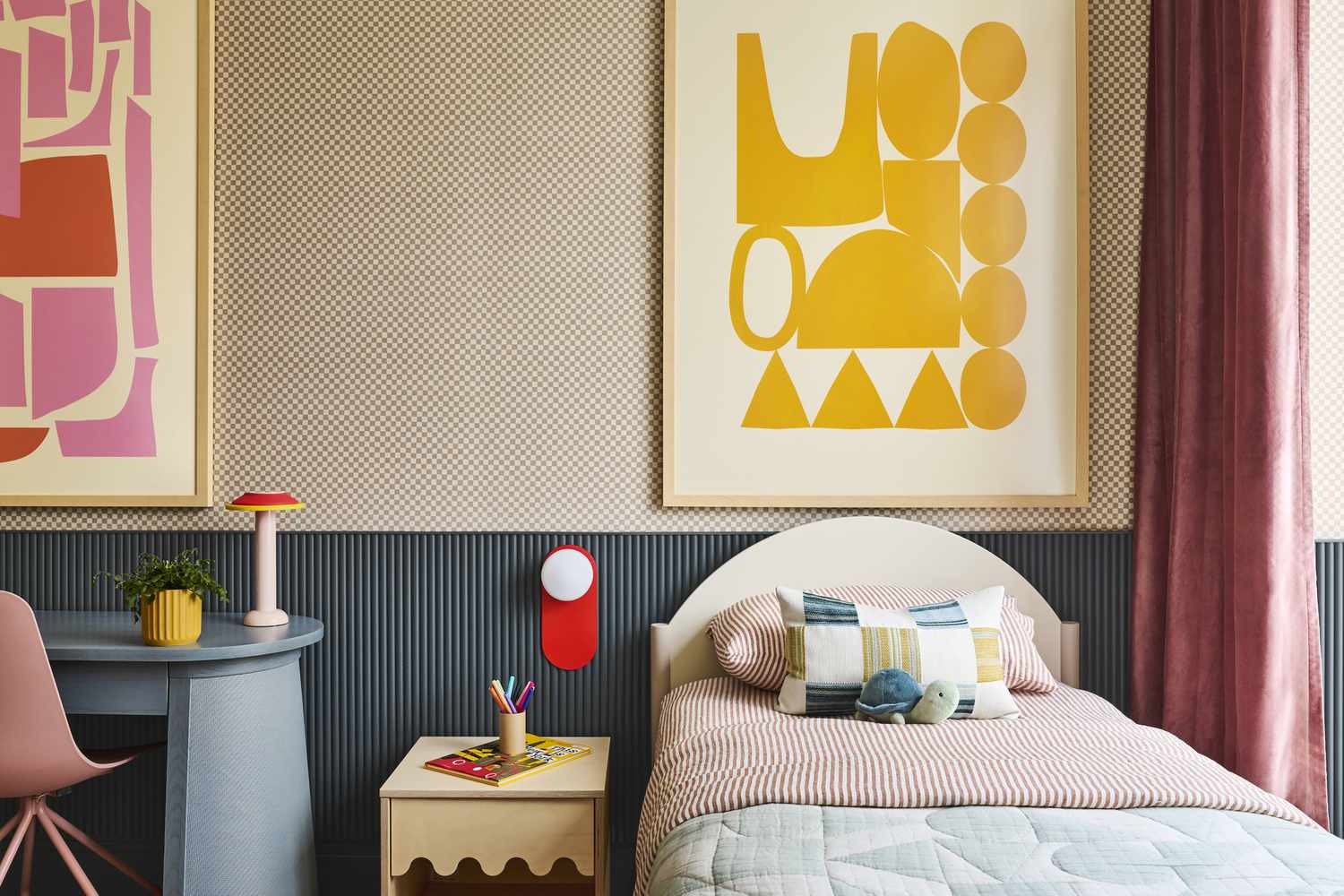
There was a time when shiplap felt like the answer to every decorating question. Blank wall? Shiplap. Awkward nook? Shiplap. Need “character” in a room built sometime after the invention of Wi-Fi? You guessed it: shiplap. It had a good run. A very long, very white, very farmhouse-flavored run.
But design tastes have shifted. Homeowners still want texture, warmth, and architectural interestthey just want it with a little more nuance. Instead of defaulting to horizontal planks and calling it a day, designers are leaning into wall treatments that feel more layered, more tailored, and frankly, less like every vacation rental from 2018.
That does not mean shiplap is universally “out.” In the right settingthink a coastal cottage, a lake house, or a home with genuine farmhouse bonesit can still look right at home. The bigger issue is that it stopped feeling special once it became the automatic fix for every room in every style. These days, designers are reaching for wall treatments that bring depth and personality without locking a space into one overly familiar look.
So if you’re ready to move beyond the farmhouse greatest hits, here are four wall treatments designers are choosing instead of shiplapand how to use each one without accidentally creating your own future “what were we thinking?” moment.
Why Shiplap Is Losing Its Grip
Shiplap became popular for a reason: it added instant texture, photographed beautifully, and made builder-grade walls feel more intentional. But the very thing that made it appealing also made it easy to overuse. Once every entryway, powder room, bedroom, breakfast nook, mudroom, and suspiciously styled Airbnb had the same white horizontal boards, the look started to feel less charming and more copy-paste.
Another reason designers are moving on is flexibility. Shiplap has a strong visual identity. It tends to pull a room toward coastal, rustic, or modern farmhouse territory, even when the rest of the house is headed somewhere else. If you’re aiming for classic, tailored, moody, European-inspired, or quietly luxurious, shiplap can feel like the loudest guest at a dinner party.
And then there’s the practical side. Those grooves can collect dust, the style can look one-note when used too broadly, and once it’s installed wall-to-wall, it’s not exactly a casual weekend regret to undo. Designers today are favoring wall treatments that still add dimension, but with a richer point of view.
1. Limewash, Roman Clay, and Plaster Finishes
Why designers love them
If shiplap is about lines, textured mineral finishes are about movement. Limewash, Roman clay, Venetian plaster, and similar treatments create softly layered walls that shift with light throughout the day. Instead of giving you a crisp pattern, they deliver something subtler: depth, softness, and that hard-to-fake “this room has soul” quality.
This is one of the biggest reasons designers are gravitating toward these finishes. Flat painted walls can feel a little too predictable, especially in rooms that need warmth without clutter. A mineral-based finish adds character without demanding shelves full of decorative objects to make the room feel complete. In other words, the wall does more of the heavy lifting.
Where they work best
Limewash and plaster finishes are especially effective in bedrooms, dining rooms, living rooms, and powder roomsspaces where atmosphere matters more than scrub-ability. A bedroom with a chalky limewashed wall instantly feels softer and cocoon-like. A dining room wrapped in plaster reads more collected and elegant than a basic coat of beige paint ever could. Even a small powder room can feel like a boutique hotel instead of a tiny box with a mirror.
How to use them well
The beauty of these finishes is their imperfection. They are supposed to look varied, cloudy, and a little moody. That’s the point. If you want dead-even coverage and zero tonal shifts, regular paint is still sitting right there at the store, probably feeling judged.
Choose warm neutrals, earthy greens, soft taupes, mineral blues, or dusty terracotta tones for the richest effect. These finishes pair especially well with natural materials like linen, walnut, aged brass, stone, and woven textures. The overall mood is less “farmhouse feature wall” and more “quiet luxury with better lighting.”
What to watch out for
Textured finishes are gorgeous, but they are not always the best DIY for perfectionists or the impatient. Some products are easier to apply than others, but this look tends to shine brightest when it’s thoughtfully executed. If your room gets intense humidity or constant splashes, make sure the product is appropriate for the space before committing.
2. Wallpaper, Murals, and Grasscloth
Why designers love them
Wallpaper has officially shrugged off its old reputation as the thing your aunt regretted in 1994. Today’s wallpaper is fresher, smarter, and dramatically more versatile. Designers love it because it can do something paint and shiplap often can’t: introduce color, pattern, texture, and narrative all at once.
That makes wallpaper one of the easiest ways to bring personality to a room. Want a powder room with a little drama? Wallpaper. Want a bedroom that feels layered and romantic? Wallpaper. Want a dining room that doesn’t look like it’s waiting for someone to remember the centerpiece? Also wallpaper.
And then there are murals, which are especially popular right now. A scenic mural, botanical motif, hand-painted look, or trompe l’oeil treatment can create a room that feels curated rather than merely decorated. It’s the difference between “nice wall” and “tell me everything about this wall.”
Where they work best
Wallpaper thrives in dining rooms, bedrooms, foyers, powder rooms, and home offices. Grasscloth and other textured wallcoverings are particularly good when you want subtle richness instead of an obvious pattern. They offer a tactile, layered look that sits somewhere between paint and fabric-covered walls.
Murals shine in spaces where you want a focal point, such as behind a bed, in a breakfast nook, up a staircase, or in a formal dining room. They can also work beautifully when framed by picture molding or layered with millwork for a more architectural look.
How to use them well
The best wallpaper choices usually have some conversation with the rest of the room. That doesn’t mean everything has to match like a wedding party. It just means the wallpaper should reinforce the room’s mood. A grasscloth in olive or tobacco adds quiet warmth. A floral or scenic mural can feel romantic. A geometric pattern can sharpen up a contemporary room. A small-scale print can make a tiny powder room feel jewel-box chic instead of forgotten.
Peel-and-stick options can be useful for renters or commitment-phobes, but traditional wallpaper often delivers a more refined result in permanent spaces. If you want the impact of wallpaper without full-room commitment, use it above wainscoting, inside framed panels, on the ceiling, or as a faux headboard treatment behind a bed.
What to watch out for
Not every wall needs to audition for a leading role. If your wallpaper is bold, let it be the star and simplify the surrounding furnishings. The goal is layered, not chaotic. Also, when using grasscloth or heavily textured coverings, remember that natural variation is part of the charm. If you want perfect uniformity, this probably isn’t your finish.
3. Picture-Frame Molding, Wainscoting, and Tailored Millwork
Why designers love them
When designers want a room to feel more architectural, picture-frame molding and wainscoting are high on the list. These treatments add structure, rhythm, and elegance without screaming for attention. They work because they make a room feel more finishedas if the house came with better manners.
This is one area where design has clearly moved beyond the farmhouse shorthand of shiplap. Instead of repetitive horizontal planks, homeowners are choosing treatments that feel more custom and historically grounded. Decorative molding can be classic, transitional, or even modern depending on the scale, spacing, and paint color.
Where they work best
Millwork is especially effective in dining rooms, entryways, stair halls, bedrooms, and home offices. Wainscoting adds polish to lower walls while protecting them from scuffs in high-traffic areas. Picture-frame molding can elevate living rooms and dining rooms, turning plain drywall into something with presence. Board-and-batten can still work too, particularly when it’s handled in a crisp, tailored way rather than full “fixer-upper starter pack” mode.
How to use them well
Scale matters. Thin, widely spaced boxes can feel contemporary and restrained. More intricate molding profiles create a traditional look. Painting the molding and wall the same color gives a subtle, seamless finish, while contrast can make the architecture pop more dramatically.
One of the smartest designer moves is combining millwork with wallpaper or a mineral finish. That pairing creates a layered, custom look that feels much more elevated than using either element alone. A wallpaper above wainscoting, for example, can feel timeless. A mural inside framed molding can feel collected and intentionally high-end.
What to watch out for
The biggest mistake is forcing ornate trim into a room that doesn’t support it. If your home leans modern, keep the profile cleaner and the layout simpler. Also, don’t install decorative molding just because you saw one moody dining room on the internet and suddenly believed you were born in a Georgian townhouse. Context is everything.
4. Warm Wood Paneling and Modern Fluted Details
Why designers love them
Wood paneling is backbut not in the basement-rec-room way that may have just flashed before your eyes. Designers are using wood in warmer, more sophisticated ways: flat panels, inset millwork, reeded or fluted details, and richly toned finishes that add warmth without turning the room into a cabin cosplay experiment.
What makes this approach attractive is that it gives a room a sense of permanence. It feels crafted. It feels deliberate. And in a design moment when people are craving homes that feel layered rather than staged, wood paneling brings natural texture and architectural presence in one move.
Where it works best
Wood-forward wall treatments are especially strong in offices, dens, dining rooms, entryways, and bedrooms where you want a bit more depth. They can be dramatic in dark stains, airy in pale oak, or quietly modern in a tone-on-tone matte finish. Fluted or reeded panels can also work beautifully on smaller feature areas, such as a fireplace wall, bed wall, or built-in niche.
How to use them well
The key is restraint. Designers are moving away from novelty walls and toward wood treatments that feel integrated into the architecture. That means using warm finishes, thoughtful spacing, and clean detailing. If you love slatted or fluted looks, choose versions that feel refined and balanced rather than trendy-for-trend’s-sake.
Pair wood paneling with soft upholstery, stone, matte paint, and warm metals to keep the room feeling rich rather than heavy. This treatment is especially effective in homes that need a little grounding. Basic drywall can feel unfinished; wood paneling gives the room a backbone.
What to watch out for
Not every wood statement wall is timeless. Some highly stylized slat-wall looks can feel very date-stamped very quickly. A better bet is paneling with proportion, warmth, and architectural logic. Translation: design the wall like it belongs to the house, not like it’s trying to win an algorithm.
How to Choose the Right Wall Treatment for Your Space
If you are deciding between these options, start with the mood you want the room to have.
If you want softness and atmosphere, choose limewash or plaster. If you want color, personality, or visual storytelling, choose wallpaper or murals. If you want polish and architectural structure, choose molding or wainscoting. If you want warmth and depth, choose wood paneling or fluted millwork.
Then consider your home’s architecture. A historic home can usually carry more ornate trim and richer wall detail. A new-build often benefits from subtle millwork, wallpaper, or plaster that adds character without pretending the house was built in 1820 by candlelight. Rooms with low natural light often benefit from textured finishes that create movement, while highly patterned wallcoverings tend to work best when the rest of the room has some breathing room.
And yes, budget matters. Wallpaper and decorative molding can offer high impact without a full renovation. Limewash can be a relatively affordable way to add dimension. Custom plaster and extensive wood millwork usually cost more, but they also tend to feel more permanent and architectural.
Real-World Experiences After Ditching Shiplap
One of the most interesting things homeowners notice after replacing shiplap is that the room often feels calmer, even when the new wall treatment is technically more detailed. That sounds backward, but it makes sense. Shiplap creates a repetitive visual rhythm that your eye reads immediately. In the right setting, that’s charming. In the wrong setting, it can become visual background noise. A softer plaster finish or a tailored set of molding boxes often feels more intentional and less busy, even though the wall is actually doing more work.
People also tend to notice that their furniture suddenly looks better. A velvet chair in front of a limewashed wall feels richer. A simple wood console against picture-frame molding reads more expensive. A bed placed against a mural or grasscloth wall suddenly has a backdrop worthy of existing. This is one of the hidden advantages of better wall treatments: they make the rest of the room step up its game without demanding a complete redecoration.
Another common experience is that the home starts feeling less theme-driven and more personal. Shiplap can sometimes push a room toward a very specific look, whether you planned that or not. Once it is removed, homeowners often say they feel freer to mix styles. Traditional lighting, modern art, vintage furniture, and contemporary upholstery can coexist more easily when the walls are not shouting “farmhouse forever” from every angle.
There is also a practical emotional shift. Many people report that spaces with wallpaper, plaster, or millwork feel more finished and less temporary. That matters more than it sounds. A room that feels finished tends to get used more. A dining room becomes a place where people actually sit. A guest room starts feeling like a retreat instead of a storage facility with pillows. A home office becomes a room you want to walk into rather than one you tolerate while opening email you did not ask for.
Of course, the experience depends on choosing the right treatment for the right room. A dark grasscloth in a windowless hallway may feel moody in the bad way. Highly elaborate molding in a very modern condo can look like it arrived by accident. A mural that is too busy may steal the show from everything else in the room. The best outcomes happen when the wall treatment supports the architecture and the lifestyle of the people living there.
Homeowners who go with textured finishes often say they appreciate how the walls change throughout the day. Morning light brings out one tone, evening light another. That movement gives the space a lived-in richness that flat paint rarely achieves. Those who choose wallpaper often love the instant personality boost. Even a small powder room can become the room guests remember. And people who invest in molding or wood paneling frequently say the upgrade makes the entire home feel more custom, even if only one or two rooms were changed.
Maybe the biggest takeaway is this: replacing shiplap is rarely just about replacing a material. It is usually about upgrading the mood of the room. It is the difference between a wall treatment that says, “I followed a trend,” and one that says, “This home has a point of view.” That point of view can be soft, dramatic, classic, playful, moody, or warm. It just has to feel connected to the houseand to the people who live in it.
Final Thoughts
Shiplap is not a decorating crime. It just isn’t the default star of the show anymore. Designers today are looking for wall treatments that feel more nuanced, more architectural, and more personal. Limewash and plaster add softness and movement. Wallpaper and murals bring pattern and story. Tailored millwork creates structure and elegance. Warm wood paneling adds richness and presence.
The best choice depends on your home, your budget, and the mood you want to create. But if your walls are currently saying “2019 starter farmhouse” and your heart is saying “please evolve,” you officially have options. Good ones. Four of them, in fact.
And unlike a full room renovation, a smarter wall treatment can completely shift how a space feels without requiring you to replace every chair, light fixture, and decorative bowl in sight. Sometimes the wall really is the whole story. It just needed a better script.