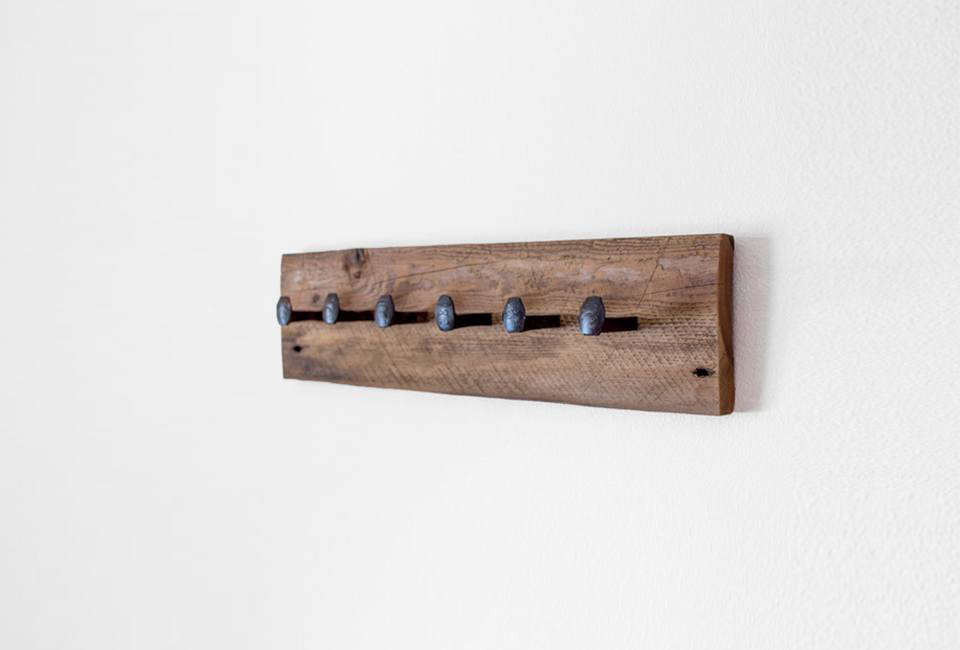
A rustic coat rack is proof that household organization does not have to look like it was designed by a committee of gray filing cabinets. With a weathered wood board, a row of sturdy hooks, and a little personality, this simple entryway accessory can turn a pile of wandering jackets into an intentional design feature.
Rustic coat racks work especially well in entryways, mudrooms, bedrooms, kitchens, bathrooms, and laundry rooms. They provide vertical storage without consuming much floor space, which makes them useful in everything from spacious farmhouses to apartments where the “entryway” is technically three feet of wall beside the front door.
Today’s best coat racks balance usefulness with visual appeal. Designers increasingly treat them as decorative objects rather than hardware that should be hidden behind a closet door. Wood, iron, vintage knobs, sculptural pegs, shelves, baskets, and mixed materials can all transform an ordinary rack into a memorable focal point.
What Is a Rustic Coat Rack?
A rustic coat rack is a wall-mounted or freestanding organizer influenced by farmhouse, cabin, cottage, industrial, or vintage design. Most versions feature natural-looking wood, visible grain, distressed finishes, dark metal hooks, wooden pegs, or repurposed materials.
The word “rustic” does not necessarily mean rough, unfinished, or one splinter away from a tetanus booster. A well-made rustic rack can be carefully sanded, sealed, and precisely assembled while still preserving knots, saw marks, color variation, and other natural details.
Reclaimed and mixed wood products often contain cracks, knots, texture, and color differences that make each piece look unique. These variations are part of the appeal rather than defects that must be disguised.
Why Rustic Coat Racks Remain Popular
They Make Small Spaces More Functional
A wall-mounted rustic coat rack uses vertical space that might otherwise sit empty. This is particularly valuable in narrow hallways, compact apartments, and homes without dedicated mudrooms. Hooks can hold jackets, hats, scarves, backpacks, purses, reusable shopping bags, dog leashes, and umbrellas without requiring a bulky cabinet.
Entryway design guidance frequently recommends wall-mounted shelves, peg rails, baskets, and hook systems for making narrow spaces more practical. A coat rack with an upper shelf adds another storage level for bins, gloves, sunglasses, or decorative objects.
They Add Warmth and Character
Natural wood grain softens the appearance of an entryway, particularly when the surrounding walls, flooring, or furniture have clean modern lines. Rustic wood can also create a pleasant contrast with white walls, black hardware, industrial lighting, or contemporary tile.
The secret is moderation. A single rustic coat rack can introduce warmth without turning the room into a frontier-themed restaurant. Pairing weathered wood with simple metal hooks keeps the design grounded and versatile.
They Are Easy to Customize
A handmade rustic coat rack can be sized to fit a specific wall, painted to match existing trim, or fitted with exactly the number of hooks a household needs. It can also incorporate a shelf, mirror, key hooks, mail basket, chalkboard, name labels, or small cubbies.
Woodworking plans range from simple scrap-wood hook rails to larger units with shelves, hanger rods, shoe storage, and hat storage. That flexibility allows the same basic idea to serve a single resident, a busy family, or a mudroom full of children who apparently own seventeen backpacks each.
Popular Rustic Coat Rack Styles
Reclaimed Wood Hook Rail
This classic design uses one long wood board fitted with evenly spaced hooks. The wood may be salvaged barnwood, an old shelf, a section of fencing, or new lumber finished to resemble aged material.
A reclaimed wood hook rail is compact, affordable, and easy to install. It also leaves plenty of room for creative hardware. Oil-rubbed bronze, matte black, antique brass, and forged iron hooks all work well with weathered wood.
Rustic Coat Rack With Shelf
Adding a shelf makes the rack significantly more useful. The top can hold baskets, framed photographs, small plants, hats, or seasonal decorations. In practical terms, it also provides a designated place for keys and mail so they do not vanish into the mysterious dimension where missing socks live.
Many entryway projects combine hooks with shelves, baskets, or cubbies because these elements organize both hanging items and smaller accessories.
Vintage Knob Coat Rack
Old doorknobs, cabinet pulls, plumbing handles, and mismatched wooden knobs can replace conventional hooks. This style looks especially charming in eclectic, cottage, and vintage-inspired interiors.
Repurposed hardware gives the rack a collected-over-time appearance. However, decorative knobs should still be securely fastened and shaped so clothing cannot slide off easily. Woodcraft and This Old House both feature projects that transform old knobs or found objects into distinctive coat storage.
Industrial Rustic Coat Rack
Industrial versions combine stained wood with black steel pipe, iron brackets, or heavy-duty metal hooks. The dark hardware provides visual contrast and usually handles backpacks, work jackets, and heavier bags better than delicate decorative pegs.
This style is a natural fit for lofts, workshops, garages, mudrooms, and modern farmhouses. A thick wood shelf above the hooks can reinforce the substantial, workmanlike appearance.
Freestanding Rustic Coat Tree
A freestanding coat tree is useful when drilling into walls is undesirable. It can also be moved between rooms as storage needs change. Traditional models use turned wood or branch-like arms, while modern rustic versions may use angled lumber or a salvaged architectural column.
Freestanding racks need a wide, stable base. Heavy garments should be distributed around the rack rather than loaded onto one side, unless tipping furniture is part of the morning entertainment.
Choosing the Best Wood
Pine
Pine is affordable, widely available, lightweight, and easy to cut. Its knots and grain suit rustic projects, although the wood can absorb stain unevenly. A wood conditioner can help create more consistent color on softwoods.
Cedar
Cedar has attractive grain, natural color variation, and a recognizable aroma. It is a good choice for coat racks used near damp entryways, although soft cedar can dent more easily than hardwood.
Oak
Oak is strong and has pronounced grain. It works well for heavy-duty coat racks, especially when the design includes a shelf or wide backing board. Oak is heavier and generally more expensive than pine, but it creates a substantial finished piece.
Walnut
Walnut offers rich brown color and an upscale appearance. It can make a rustic design feel refined rather than rugged. Fine Woodworking has demonstrated that both white pine and walnut can be used successfully in coat-rack furniture, depending on the desired cost and visual effect.
Reclaimed Wood
Reclaimed wood delivers authentic aging, but it requires careful inspection. Remove dirt, loose fibers, old fasteners, and flaking finishes. Check both sides with a metal detector when possible before cutting, because a hidden nail can turn a saw blade into a very expensive noisemaker.
Scrap and salvaged wood can be used for coat racks, but it should be dry, stable, and free from rot or structural damage. Rough areas must be sanded so they do not snag coats or scratch hands.
How to Make a Simple Rustic Coat Rack
Materials and Tools
- One solid wood board, approximately 1-by-6 or 1-by-8 inches
- Four to six coat hooks or wooden pegs
- Wood screws appropriate for the hooks
- Wall-mounting screws and suitable anchors
- Sandpaper in medium and fine grits
- Wood stain, paint, wax, oil, or clear protective finish
- Tape measure, pencil, level, drill, and screwdriver
- Stud finder and safety glasses
Step 1: Measure the Wall
Measure the available width before cutting the board. Make sure doors, light switches, thermostats, and nearby cabinets can operate freely. A rack measuring 24 to 48 inches wide works for many entryways, but the best size depends on the wall and the number of users.
Step 2: Prepare the Wood
Cut the board to length and sand every face, edge, and corner. Start with a medium grit to remove roughness, then move to a finer grit for a smoother surface. Slightly round the corners to reduce sharp edges.
For an aged appearance, lightly distress new lumber with dents, softened edges, uneven stain, or layered paint. Better Homes & Gardens suggests creating character with marks, rounded edges, and stain variations rather than relying exclusively on genuine reclaimed boards.
Step 3: Lay Out the Hooks
Arrange the hooks before drilling. Keep the outer hooks several inches from the board ends and space the remaining hooks evenly. Five hooks on a 36-inch board usually provide practical separation for everyday coats and bags.
Mark every screw hole, then step back and check the arrangement. This is the moment to discover that one hook is crookednot after drilling twelve enthusiastic holes into the oak.
Step 4: Apply the Finish
Stain can highlight wood grain, while paint creates a cleaner farmhouse look. A clear finish protects the surface from damp coats, fingerprints, dirt, and repeated use. High-use indoor wood projects commonly benefit from a polyurethane or similarly durable topcoat.
When applying polyurethane, use thin coats, allow proper drying time, and lightly sand between coats when directed by the manufacturer. Minwax recommends fine 220-grit sanding between polyurethane coats to improve smoothness and adhesion.
Step 5: Attach the Hooks
Predrill small pilot holes to reduce the chance of splitting the board. Fasten each hook firmly, but avoid overtightening and stripping the screw holes. Wooden Shaker pegs should fit tightly and may require additional mechanical support to prevent them from loosening over time.
Step 6: Mount the Rack Securely
Whenever possible, attach the coat rack to wall studs. Stud mounting generally provides greater load capacity than hollow-wall anchors, particularly when the rack will hold backpacks, winter coats, or loaded handbags.
Drywall anchors may be suitable when studs do not align with the rack, but the fasteners must match the wall material and expected load. Product guidance from major hardware retailers notes that load ratings can be lower when hooks are mounted with anchors instead of directly into studs.
Use a level before tightening the final screws. A slightly crooked rustic board does not look charmingly handmade. It looks like the installer was being chased.
Where to Install a Rustic Coat Rack
Entryway or Mudroom
The entryway is the obvious location because it creates a convenient drop zone for outerwear, bags, and accessories. Pair the rack with a bench, shoe tray, basket, or narrow console to prevent clutter from migrating across the room.
Bedroom
In a bedroom, a rustic hook rail can hold robes, hats, jewelry, tomorrow’s outfit, or frequently worn jackets. Install it far enough from the bed that hanging hardware does not become an unexpected midnight obstacle.
Bathroom
A sealed wood rack can hold towels and robes, but bathroom humidity makes a moisture-resistant finish important. Avoid leaving raw wood exposed in consistently damp locations.
Kitchen
Smaller rustic racks can organize aprons, oven mitts, reusable bags, and lightweight pans. A shelf above the hooks can display cookbooks or frequently used serving pieces.
Laundry Room
A coat rack in the laundry room can hold cleaning brushes, ironing accessories, hangers, reusable laundry bags, and garments waiting to air-dry.
How to Style a Rustic Coat Rack
Start with the surrounding materials. A dark walnut rack looks polished against a pale wall, while gray-washed pine creates a relaxed coastal or farmhouse effect. Matte black hooks offer strong contrast; brass hardware feels warmer and more traditional.
Decorate an upper shelf sparingly. A small basket, framed print, trailing plant, or ceramic container is usually enough. Too many objects can make the rack look crowded before anyone has even hung a coat.
For a balanced entryway, combine the rack with natural textures such as woven baskets, a wood bench, a washable rug, or a simple mirror. Natural materials and vertical storage are frequently used together to make entrances feel both welcoming and organized.
Common Mistakes to Avoid
Using Hooks That Are Too Small
Tiny decorative hooks may look attractive but struggle with thick winter coats or backpack straps. Choose hardware based on what the rack will actually hold, not what looked adorable in a product photograph.
Ignoring Hook Spacing
Hooks placed too close together cause garments to overlap heavily. Overcrowding also makes it difficult to remove one bag without pulling three scarves and somebody’s raincoat onto the floor.
Skipping the Protective Finish
Unsealed wood absorbs moisture, skin oils, dirt, and stains. A suitable finish makes the rack easier to clean and helps preserve its appearance.
Relying on Weak Fasteners
A coat rack is only as strong as its mounting system. Heavy hardware attached to a beautiful board will still fail if the board is secured with inadequate anchors or undersized screws.
Making Rustic Look Artificial
Distressing should appear irregular and believable. Identical hammer marks placed every two inches create less of an “aged farmhouse” effect and more of a “woodpecker with a ruler” effect.
How to Maintain a Rustic Coat Rack
Dust the wood regularly with a soft cloth and clean metal hooks with a method appropriate for their finish. Avoid soaking the board. For minor dirt, use a slightly damp cloth and dry the surface immediately.
Inspect mounting screws and hook screws every few months, especially in a busy household. Tighten loose hardware before movement enlarges the holes. If the finish becomes worn, clean the surface, lightly sand it, and apply a compatible maintenance coat.
Do not overload the rack. Spread heavier items across multiple hooks and remove seasonal gear that is no longer needed. A rustic coat rack should organize the entryway, not audition for the role of structural support beam.
Practical Experiences and Lessons From Using a Rustic Coat Rack
The first lesson many homeowners learn is that location matters more than appearance. A beautiful rack mounted six steps away from the natural path through the door may remain empty while jackets continue landing on the nearest chair. The most effective location is usually the first convenient wall a person reaches after entering.
Before installation, it helps to observe household behavior for several days. Notice where bags are dropped, where keys disappear, and which door family members actually use. The formal front entrance may look like the logical choice, but the garage entrance or side door might handle nearly all daily traffic.
Another common lesson concerns capacity. A five-hook rack does not necessarily serve five people. One person may use separate hooks for a coat, backpack, hat, and dog leash. Building slightly more capacity than currently required prevents the rack from becoming overcrowded during winter or when guests arrive.
Double and triple hooks can increase practical storage without making the board much wider. They are particularly useful for separating a coat from a hat or hanging a bag below a jacket. However, added hook capacity also increases the possible wall load, so stronger mounting becomes even more important.
Families often discover that hook height should reflect actual users. Adults may prefer hooks around shoulder or eye level, while children need lower hooks they can reach without climbing furniture. A two-row arrangement works well: adult hooks above and child-friendly hooks below. The lower row can later hold umbrellas, reusable bags, or pet accessories as children grow.
The finish also affects everyday satisfaction. Very rough reclaimed wood may photograph beautifully but collect dust and snag knitted scarves. Sanding does not have to erase the wood’s character. It should simply remove loose fibers, sharp splinters, and edges that threaten clothing.
A satin or matte clear coat often preserves a natural appearance while making the surface easier to wipe clean. High-gloss finishes provide protection but may look too polished for genuinely weathered wood. Testing stain and topcoat on an offcut is one of the simplest ways to avoid an unpleasant surprise. Several woodworking plans recommend testing finishes before treating the completed project.
Upper shelves sound wonderful until they become a parking lot for unopened mail, loose receipts, and objects nobody recognizes. Baskets are an effective solution because they visually contain small items. Assigning one basket to gloves, one to pet supplies, and one to outgoing items can make the shelf more useful without requiring military-level tidiness.
Real-world use also reveals the importance of rounded hook tips. Sharp or unfinished hardware may stretch hanging loops, scratch bags, or snag delicate fabric. Hooks with smooth ends are friendlier to coats and safer in narrow hallways where shoulders regularly pass close to the wall.
Maintenance is usually simple, but it should not be ignored. Seasonal checks often reveal a loose hook before it falls off with a heavy backpack attached. Tightening screws, cleaning damp marks, and touching up worn finish can keep a handmade rack looking good for years.
Perhaps the most satisfying experience is how quickly a rustic coat rack can change the rhythm of an entryway. Instead of moving coats from chair to sofa and back again, everyone has a visible place to put everyday gear. The room looks calmer, mornings become slightly less chaotic, and the furniture can finally return to its original career instead of working full-time as outerwear storage.
Conclusion
A rustic coat rack combines practical storage with the warmth of natural materials. Whether it is built from reclaimed barnwood, smooth pine, rich walnut, vintage knobs, or industrial metal hooks, the best design reflects the room and the habits of the people using it.
Choose strong wood, smooth every touchable surface, protect the finish, space the hooks sensibly, and mount the rack with fasteners suited to the wall and expected weight. Done well, this modest project can organize an entryway while adding more personality than many larger and more expensive pieces of furniture.