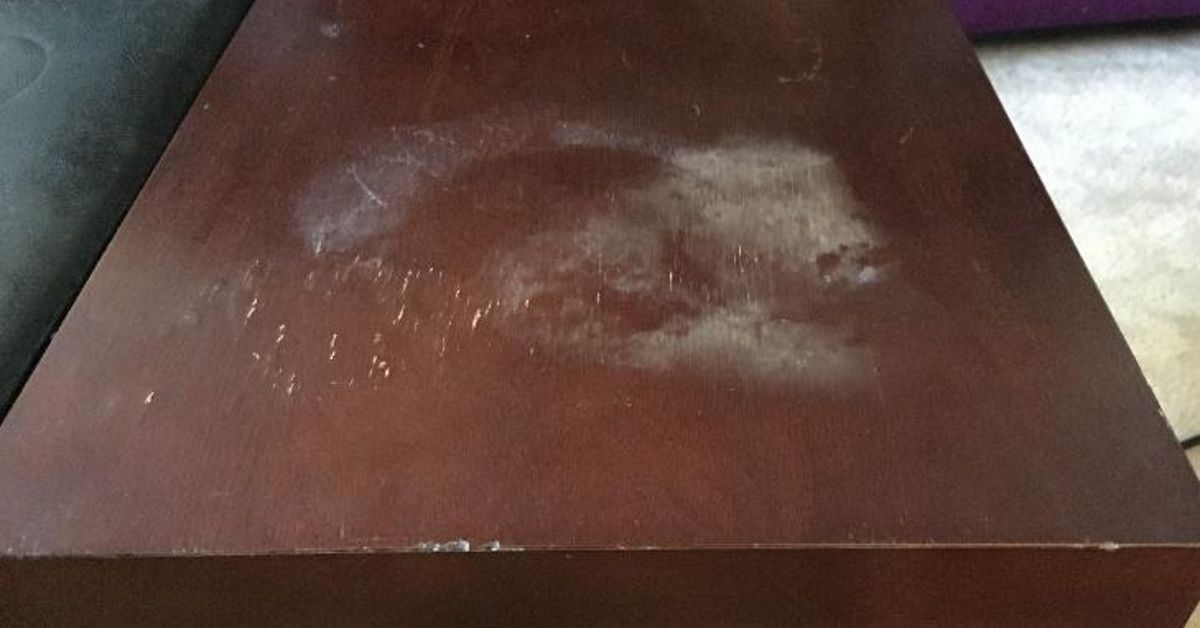
A hot mug, a pizza box, a takeout container, a casserole dish, or one heroic cup of coffee can leave behind a cloudy white mark on a wood table faster than you can say, “I swear I used a coaster.” The good news? Many heat stains on wood are not permanent. In fact, most white heat marks are trapped moisture sitting inside the finish, not damage buried deep in the wood itself. That means you may be able to remove them with gentle heat, common household ingredients, and a little patience.
This guide explains how to quickly remove heat stains from wood without turning your dining table into a science fair tragedy. You will learn what causes heat marks, how to tell whether a stain is fixable at home, which DIY methods are safest, and when it is time to stop rubbing mayonnaise on furniture and call a professional.
What Causes Heat Stains on Wood?
Heat stains usually appear as white, gray, or cloudy marks on wood furniture. They often happen when something hot sits directly on the surface. Heat softens or opens the wood finish, allowing moisture or steam to sneak underneath. When the surface cools, that moisture becomes trapped and creates a pale, foggy stain.
That is why heat stains and white water rings are close cousins. One comes from heat, the other from moisture, but both often affect the finish rather than the actual wood. A white mark usually means the damage is shallow. A dark brown or black mark, however, may mean moisture has reached the wood fibers or the surface has been burned. That type of stain is harder to fix and may require sanding, bleaching, refinishing, or expert repair.
Before You Start: Identify the Stain
White or cloudy stains
White heat stains are the best candidates for home repair. They often look like fog under glass, a ghostly ring, or a pale rectangle where the pizza box sat during movie night. These marks are usually caused by trapped moisture in the finish.
Dark stains
Dark stains are more serious. They may mean the moisture or heat has penetrated below the finish into the wood. If your table has a brown, gray-black, or burned mark, gentle DIY methods may not fully remove it. You may still try the mildest methods first, but avoid aggressive scrubbing.
Sticky, bubbled, cracked, or peeling finish
If the finish feels tacky, lifted, bubbled, cracked, or gummy, pause before using heat or abrasive pastes. A damaged finish can get worse quickly. In that case, a furniture repair professional is often the smarter move.
Safety Rules for Removing Heat Stains From Wood
Before grabbing an iron like a furniture-saving superhero, slow down. Wood finishes vary. A method that works on a polyurethane-coated coffee table may damage shellac, lacquer, wax, veneer, painted wood, or antique furniture. Always test your chosen method in a hidden spot first, such as the underside of a table edge or the back of a leg.
Use the gentlest method first. Never pour water directly on the stain. Do not use high heat. Do not leave an iron sitting still on the surface. Avoid harsh cleaners, bleach, ammonia, acetone, oven cleaner, or mystery garage liquids with skull-and-crossbones energy. Your table wants treatment, not a villain origin story.
Method 1: Remove Heat Stains With a Hair Dryer
The hair dryer method is one of the safest first steps for fresh white heat stains. It works by gently warming the finish so trapped moisture can evaporate.
What you need
You need a hair dryer, a clean microfiber cloth, and a little patience. That is it. No mayonnaise, no toothpaste, no dramatic kitchen chemistry.
Steps
First, clean the area with a dry microfiber cloth to remove dust and crumbs. Set the hair dryer to low or medium heat. Hold it several inches above the stain and move it constantly in slow circles. Do not press the dryer against the wood. Continue for 2 to 5 minutes, checking the stain often.
If the white mark begins to fade, keep going gently. When the surface looks better, let it cool, then buff with a soft cloth. If the stain improves but does not disappear, repeat the process once more. If nothing changes after several tries, move to another method.
Best for
This method is best for fresh, cloudy heat marks from mugs, plates, takeout containers, and warm serving dishes.
Method 2: Use an Iron Carefully
The iron method can work well on white heat stains, but it also carries more risk. Too much heat can damage the finish or create a new mark that is far more annoying than the first one. Use this only if the hair dryer method is not strong enough.
What you need
You need a clean cotton cloth or towel and a household iron. Make sure the iron is empty of water. Do not use steam.
Steps
Place the cotton cloth over the stain. Set the iron to the lowest heat setting. Gently move the iron over the cloth for 5 to 10 seconds at a time. Keep it moving. Lift the cloth and check the stain. Repeat in short passes only if the mark is fading.
Never leave the iron sitting still. Never use steam. Never use high heat. If the finish becomes sticky, shiny in a strange way, or smells hot, stop immediately.
Best for
This method is best for stubborn white heat marks on sturdy, sealed wood furniture. It is not ideal for antiques, veneer, delicate finishes, painted surfaces, or lacquered furniture unless a professional says it is safe.
Method 3: Try Mayonnaise or Petroleum Jelly
Yes, mayonnaise has entered the chat. Oily products such as mayonnaise or petroleum jelly can sometimes help displace moisture trapped in the finish. It sounds ridiculous until it works, and then suddenly your sandwich spread has a second career in furniture care.
What you need
You need mayonnaise or petroleum jelly, a soft cloth, and plastic wrap or a small bowl to cover the treated area if needed.
Steps
Apply a thin layer of mayonnaise or petroleum jelly over the white heat stain. Let it sit for a few hours, or overnight for a stubborn mark. Wipe it away with a clean cloth, then buff the surface. If the stain has faded, repeat once if needed.
Do not use this method on raw, unfinished, very dry, or porous wood without testing first. Oils may darken some finishes or leave a residue.
Best for
This method works best on white rings and cloudy heat marks where moisture is trapped in the finish.
Method 4: Use Toothpaste and Baking Soda
A gentle paste made from non-gel white toothpaste and baking soda can help lift stubborn white marks. This method uses mild abrasion, so it should be used carefully. Think “polish,” not “scrub like you are angry at the table.”
What you need
You need non-gel white toothpaste, baking soda, a soft cloth, and a clean damp cloth for wiping.
Steps
Mix a small amount of white toothpaste with a pinch of baking soda. Rub the paste gently onto the stain in the direction of the wood grain. Work for 30 seconds or less, then wipe clean. Dry the area immediately and buff with a soft cloth.
If the finish looks dull afterward, apply a suitable furniture polish or wax once the surface is fully clean and dry.
Best for
This method is useful for light white stains that did not respond to heat or oil. Avoid it on glossy lacquer, delicate antiques, or furniture with thin veneer.
Method 5: Make a Salt and Olive Oil Paste
Salt and olive oil can sometimes improve cloudy surface marks. The salt provides very gentle abrasion, while the oil helps condition the finish. This method is simple, but it must be used lightly to avoid scratching.
What you need
You need table salt, olive oil, and a soft cloth.
Steps
Mix salt and olive oil into a soft paste. Apply a small amount to the stain and rub gently with the grain. Let it sit for 10 to 15 minutes, then wipe clean. Buff the surface thoroughly so no oily residue remains.
Best for
This method is best for mild marks on sealed wood. Do not use coarse salt or heavy pressure.
Method 6: Use Mineral Oil for a Softer Approach
Mineral oil is another gentle option for white heat stains and water rings. It is less dramatic than the iron method and less weird than explaining why there is mayonnaise on your coffee table.
Steps
Apply a small amount of mineral oil to a soft cloth. Rub it into the stain with the grain. Let it sit for several hours or overnight. Wipe away any excess and buff the surface. If the white mark fades, repeat once more.
What Not to Do When Removing Heat Stains
Do not attack the stain with harsh chemicals. Do not use bleach on finished wood unless you are following a refinishing process and fully understand the risks. Do not sand immediately unless you are prepared to refinish the area. Do not use steel wool unless it is ultra-fine and appropriate for the finish, because regular steel wool can scratch wood and leave metal particles behind.
Also, do not mix cleaning products. Vinegar, bleach, hydrogen peroxide, ammonia, and commercial cleaners can react badly when combined. Wood furniture is not the place for chemistry experiments. Your table did not ask to become a volcano.
How to Restore Shine After the Stain Is Gone
Once the heat stain fades, the repaired spot may look slightly dull. That is normal. Clean the area with a dry cloth, then apply a finish-safe furniture polish, wax, or oil according to the furniture manufacturer’s recommendations. Buff gently until the sheen blends with the surrounding surface.
If the surface still looks cloudy, uneven, or patchy, wait a day before doing anything else. Some finishes continue to settle after treatment. Rushing into more rubbing or heat can create new problems.
When to Call a Professional
Call a furniture repair professional if the stain is dark, burned, sticky, bubbled, cracked, or located on an expensive antique. You should also get expert help for veneer furniture if the surface feels lifted or swollen. Veneer is thin, and once it is sanded too aggressively, there may be no graceful way back.
Professional repair may involve controlled heat, specialty solvents, finish blending, sanding, staining, or refinishing. It costs more than DIY, but it is cheaper than replacing a beloved dining table because you accidentally gave it a permanent bald spot.
How to Prevent Heat Stains on Wood
The easiest heat stain to remove is the one you never create. Use coasters under hot drinks, trivets under serving dishes, placemats under plates, and heat-resistant pads under takeout containers. Pizza boxes, paper bags, and cardboard containers can trap steam underneath, so do not place them directly on wood.
Keep wood furniture away from radiators, strong sunlight, and heat vents when possible. Maintain stable indoor humidity because extreme dryness or dampness can stress wood and finishes. Dust regularly with a microfiber cloth and clean spills quickly.
Real-World Experience: What Actually Works Fast?
In everyday home situations, the fastest successful fix is usually the hair dryer method. It is gentle, easy to control, and unlikely to cause damage when used properly. For example, if a hot coffee mug leaves a cloudy ring on a sealed wood desk, a hair dryer on medium heat may visibly reduce the mark within minutes. The key is movement. Keep the warm air flowing across the stain instead of blasting one spot like you are trying to launch the table into orbit.
The iron method can also work quickly, but it is less forgiving. People often make mistakes by using steam, pressing too hard, or leaving the iron in one place. If you use an iron, treat it like a cautious rescue mission. Short passes, low heat, dry cloth, constant checking. The moment the stain starts fading, stop and let the surface cool.
Mayonnaise and petroleum jelly are slower but helpful for older cloudy marks. They are especially useful when the stain looks dry and pale rather than freshly foggy. In my experience with common household furniture scenarios, oily methods often work best overnight. You apply a thin layer, cover it so nobody accidentally touches it, and check it the next morning. Sometimes the stain is gone. Sometimes it is only lighter. Either result is better than panic-buying a table runner and pretending it was “always part of the design.”
Toothpaste and baking soda should be treated as a backup method, not the first move. It can work, but too much pressure can dull the finish. If you are working on a glossy table, use extreme caution. A cloudy heat stain is annoying, but a scratched shiny finish is a whole new drama.
For families, renters, and busy homes, prevention is the real winner. Keep coasters visible, not hidden in a drawer like tiny wooden secrets. Put trivets where hot dishes actually land. If you order takeout often, place a folded towel, tray, or heat-safe mat under the bag or container. Cardboard can trap steam, and steam is sneaky. It does not kick down the door; it quietly slips into the finish and leaves a ghost mark behind.
The biggest lesson is to act early and stay gentle. Fresh white heat stains are usually fixable. Old stains take more patience. Dark stains require realistic expectations. If the furniture is valuable, antique, inherited, or emotionally important, do not experiment aggressively. A professional repair person has tools, finishes, and experience that a jar of mayonnaise simply does not.
Conclusion
Heat stains on wood look scary, but many white cloudy marks can be removed quickly with safe, simple methods. Start with a hair dryer, move to a careful iron method if needed, and try oil-based treatments like mayonnaise, petroleum jelly, or mineral oil for stubborn marks. Use mild abrasive pastes only with caution, and always test first. If the stain is dark, burned, bubbled, or on valuable furniture, professional repair is the safest choice.
The secret is patience, not panic. Your wood table may look dramatic today, but with the right approach, it can return to looking polished, warm, and respectablethe way it did before someone treated it like a hot plate landing pad.
SEO Tags
Note: Always test any cleaning method on a hidden area first, use low heat only, and avoid aggressive scrubbing on antiques, veneer, lacquer, or delicate wood finishes.