Living with psoriatic arthritis can feel like managing two opinionated roommates. Your skin wants moisture, gentle treatment, and fewer surprises. Your joints want movementbut not too much, too fast, or while carrying six grocery bags with one finger. Fortunately, caring for both does not require two completely separate lifestyles.
Psoriatic arthritis, commonly shortened to PsA, is a chronic immune-mediated disease associated with psoriasis. It can inflame joints, tendons, ligaments, skin, and nails. Symptoms may improve for a while and then return during a flare. Although there is currently no cure, early treatment and consistent self-care can control inflammation, preserve mobility, protect the skin, and reduce the risk of permanent joint damage.
Understand What Psoriatic Arthritis Is Doing
PsA is more than ordinary wear-and-tear arthritis. An overactive immune response produces inflammation that may affect small or large joints, the spine, or the sacroiliac joints connecting the spine and pelvis. It can also inflame the entheses, where tendons and ligaments attach to bone.
Common symptoms include joint pain, warmth, swelling, prolonged morning stiffness, fatigue, and reduced range of motion. An entire finger or toe may swell into a “sausage digit,” a condition called dactylitis. Heel pain can develop when inflammation affects the Achilles tendon or plantar fascia.
Skin psoriasis may cause thick, itchy, or scaly patches. On darker skin tones, these areas may appear violet, dark brown, or gray rather than bright red. Nails can develop pits, ridges, discoloration, thickening, or separation from the nail bed. The amount of visible psoriasis does not reliably predict the severity of joint inflammation; a small patch of psoriasis can coexist with significant arthritis.
Build a Care Team for Both Skin and Joints
A rheumatologist generally leads treatment for joint and tendon inflammation, while a dermatologist manages psoriasis of the skin, scalp, and nails. Primary care clinicians help monitor blood pressure, cholesterol, blood sugar, weight, vaccines, and other health concerns associated with chronic inflammatory disease.
Depending on your symptoms, the team may also include a physical therapist, occupational therapist, podiatrist, ophthalmologist, or mental health professional. Make sure each clinician knows what the others have prescribed. This matters because a treatment that works beautifully for the skin may not adequately protect the joints, and some medication choices depend on whether you also have inflammatory bowel disease, recurring infections, or eye inflammation.
Use Treatment to Control the Underlying Inflammation
Self-care is valuable, but moisturizer and yoga cannot replace medication when PsA is actively damaging joints. Treatment should address inflammation, not merely cover up discomfort.
Nonsteroidal anti-inflammatory drugs, or NSAIDs, may temporarily reduce pain and swelling in some people. They do not prevent disease progression and can cause stomach, kidney, cardiovascular, or bleeding problems. Ask a clinician before using them regularly, especially if you take blood thinners or have kidney disease, ulcers, or heart problems.
Disease-modifying antirheumatic drugs may be prescribed to control active PsA. Options include conventional medications such as methotrexate, targeted oral therapies, and biologic drugs that block specific inflammatory pathways, including TNF, IL-17, or IL-23. The best choice depends on which joints and tissues are involved, psoriasis severity, other medical conditions, previous treatment, and personal preferences.
Keep laboratory and follow-up appointments. Some therapies require blood tests or screening for tuberculosis and hepatitis. Because immune-modifying medicines may affect infection risk, discuss vaccinations before beginning treatment. Never stop a prescribed drug simply because symptoms improve or an online stranger with an impressive ring light recommends celery juice.
Create a Skin-Care Routine That Respects Psoriasis
Bathe Gently
Use lukewarm rather than hot water, keep showers reasonably brief, and wash with a mild fragrance-free cleanser. Hot water may feel wonderful for several minutes and then leave the skin resembling a very irritated desert. Pat the skin dry instead of rubbing it.
Moisturize Promptly
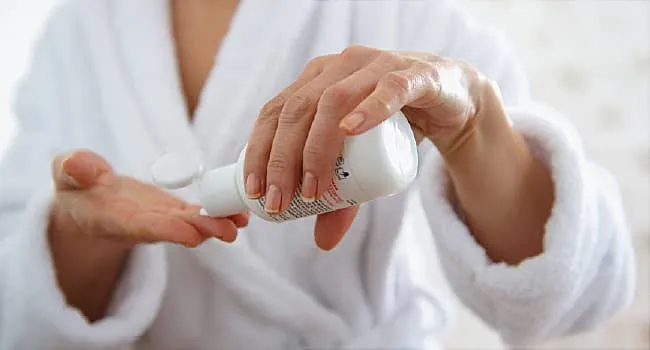
Apply a thick fragrance-free cream or ointment shortly after bathing and whenever the skin feels dry. Ointments containing petrolatum generally retain moisture better than thin lotions. During cold or dry weather, a humidifier may help, provided it is cleaned regularly to prevent mold and bacterial growth.
Reduce Itching Without Damaging the Skin
A cool, damp cloth may temporarily calm an itchy patch. Keep nails short and avoid picking scales, vigorous scrubbing, or scratching until the skin breaks. Skin injuries can trigger new psoriasis lesions in some people. Contact a dermatologist if itching remains severe, plaques crack or bleed, or the skin shows possible infection.
Use prescription topical medicines exactly as directed. Strong corticosteroids can thin the skin when misused, and products intended for the elbows or knees may be inappropriate for the face, groin, or skin folds. Phototherapy should also be medically supervised; tanning beds are not do-it-yourself psoriasis clinics.
Protect Your Nails and Sensitive Hands
Nail psoriasis can be uncomfortable and may accompany PsA. Keep nails trimmed, but do not cut cuticles or clean aggressively beneath the nail. These habits can injure the skin and increase the risk of infection.
Wear cotton-lined nitrile or vinyl gloves for dishwashing, cleaning, and other wet work. Moisturize after washing your hands. Avoid using affected nails as miniature screwdrivers, package openers, or emergency scraping tools. Artificial nails and harsh manicures may worsen damaged nails, so ask your dermatologist what is safe.
A nail that becomes suddenly painful, warm, or surrounded by spreading redness needs medical attention. Fungal infections can resemble nail psoriasis, and the two conditions require different treatments.
Move Your Joints Without Starting a Rebellion
Regular movement helps maintain flexibility, muscle strength, balance, and cardiovascular health. Strong muscles also support inflamed joints. Walking, swimming, water exercise, stationary cycling, yoga, and tai chi are often joint-friendly choices.
A balanced weekly routine may include gentle aerobic activity, strengthening exercises, and range-of-motion work. Start with manageable sessionseven five or ten minutesand increase gradually. A physical therapist can adapt exercises for swollen knees, painful feet, spinal symptoms, or reduced hand strength.
Some mild muscular soreness after a new workout may be expected. Sharp joint pain, increased swelling, new limping, or symptoms that remain worse afterward suggest that the activity should be modified. Exercise should challenge the body, not make it draft a formal complaint.
Balance Activity and Rest During a Flare
When inflammation surges, reduce activities that load painful joints. Short rest periods, a clinician-recommended brace, or temporary use of an assistive device may help. Rest does not necessarily mean remaining in bed all day. Too much inactivity can increase stiffness and weaken the muscles needed to support joints.
Gentle range-of-motion exercises may remain appropriate during a flare, but ask your healthcare team for individualized guidance. Cold packs wrapped in cloth can temporarily reduce swelling, while warmth may relax stiff muscles and joints. Never apply ice directly to skin, and use extra caution if you have reduced sensation, circulation problems, or fragile skin.
Practice Joint Protection in Everyday Life
Small adjustments can reduce stress without turning your home into a medical equipment showroom:
- Carry bags across the forearms or use a cart instead of gripping them with the fingers.
- Use both hands when lifting pans, boxes, or laundry baskets.
- Choose lightweight cookware and tools with wide, padded handles.
- Slide heavy objects across a counter rather than lifting them.
- Use an electric can opener, jar gripper, long-handled shoehorn, or key turner when needed.
- Change positions regularly instead of sitting or standing in one posture for hours.
- Wear supportive, properly fitted shoes; custom orthotics may help certain foot problems.
An occupational therapist can examine the tasks that cause trouble and recommend techniques, splints, workplace adjustments, or assistive devices. The goal is not to avoid using your joints. It is to spend their energy wisely.
Eat for Overall Health, Not a Miracle Cure
No single food plan cures psoriatic arthritis. A balanced eating pattern built around vegetables, fruit, legumes, whole grains, nuts, fish, olive oil, and other minimally processed foods can support cardiovascular health and weight management. A Mediterranean-style pattern is a practical option for many people.
If weight loss is medically appropriate, even gradual progress may reduce mechanical stress on weight-bearing joints and improve overall health. Avoid extreme elimination diets unless a clinician identifies a specific need, such as confirmed celiac disease or food allergy. “Detox” products can interact with medications and tend to detox wallets more reliably than immune systems.
Limit smoking and discuss alcohol with your prescriber. Alcohol may worsen psoriasis in some people and can be unsafe with medications that affect the liver. Adequate hydration is sensible, but water is supportive carenot an anti-inflammatory drug wearing a clear disguise.
Make Sleep and Stress Management Part of Treatment
Pain can disrupt sleep, and poor sleep can make pain and fatigue feel more intense. Maintain a regular sleep schedule, keep the bedroom cool and dark, and discuss persistent insomnia, loud snoring, or daytime sleepiness with a clinician.
Stress does not cause PsA, but it may contribute to flares or make symptoms harder to manage. Breathing exercises, meditation, counseling, gentle movement, enjoyable hobbies, and realistic scheduling can help. Depression and anxiety are not personal failures; they are treatable health concerns that deserve the same seriousness as swollen joints.
Track Symptoms and Know When to Call for Help
Use a notebook or phone app to record morning stiffness, swollen joints, skin changes, fatigue, medication use, sleep, and possible triggers. Photographs can document changes in plaques, nails, or swelling. Bring a concise summary to appointments rather than relying on memory during the classic examination-room brain freeze.
Contact your care team when symptoms repeatedly interfere with work or sleep, new joints become swollen, treatment appears to stop working, or medication causes side effects. Seek prompt medical care for a hot and intensely painful joint accompanied by fever, signs of a serious allergic reaction, or possible infection while taking an immune-modifying medicine.
Eye pain, marked redness, blurred vision, or sensitivity to light may indicate uveitis and requires urgent evaluation. Sudden chest pain, difficulty breathing, weakness on one side, or trouble speaking is an emergency and should never be assumed to be “just arthritis.”
Practical Experiences: A Composite Week With Psoriatic Arthritis
The following fictional composite illustrates common day-to-day experiences reported by people managing PsA. It is not a real patient history or a universal treatment plan.
Monday: The Morning Stiffness Negotiation
Maya wakes with stiff fingers and feet. Her first instinct is to rush because she has an early meeting, but gripping a coffee mug already feels like advanced athletics. She spends several minutes gently opening and closing her hands, rotating her ankles, and moving through the range-of-motion exercises her physical therapist recommended.
In the kitchen, she uses an electric opener and a lightweight mug with a large handle. These tools once seemed unnecessarily specialized; now they are simply clever shortcuts. She records 45 minutes of morning stiffness in her symptom log because the pattern has lasted more than a week. At lunch, she messages her rheumatology office instead of waiting several months and hoping inflammation gets bored and leaves.
Wednesday: Skin Care Meets a Busy Schedule
A cold, windy commute makes the plaques on Maya’s elbows itch. She resists scratching through her sweater and applies the fragrance-free moisturizer stored in her desk. That evening, she takes a short lukewarm shower, pats herself dry, applies her prescribed topical treatment as directed, and seals moisture into unaffected dry areas with an ointment.
She notices that one plaque is cracked but not warm, draining, or surrounded by spreading redness. She photographs it and checks the care instructions from her dermatologist. The routine takes less than ten minutes. Consistency, she has learned, is more useful than waiting for enough motivation to conduct an elaborate home spa ceremony.
Friday: Adjusting Exercise Instead of Abandoning It
Maya planned a long walk, but her right heel is tender at the tendon attachment. Rather than pushing through sharp pain or canceling all movement, she chooses the stationary bike setting previously approved by her therapist. She lowers the resistance and stops when discomfort increases.
Afterward, she uses a wrapped cold pack for a short period and checks the skin beneath it. The heel remains more painful than usual, so she contacts her clinician. She does not diagnose the problem herself or double her medication. Her experience has taught her that “listen to your body” is useful only when followed by “and tell the appropriate professional what it said.”
Sunday: Planning for Energy, Not Perfection
At the beginning of the week, Maya tried to finish every household task on the same day. By afternoon, fatigue and hand pain had taken over. On Sunday, she divides meal preparation and laundry into shorter sessions separated by rest. A wheeled cart transports groceries, and pre-cut vegetables reduce repetitive chopping.
She prepares fish, vegetables, brown rice, and fruitnot because one dinner will switch off PsA, but because an ordinary balanced meal supports her broader health goals. She sets reminders for medication and an upcoming blood test, then reviews questions for her dermatologist and rheumatologist.
The week was not symptom-free. Success meant responding sooner, protecting painful joints, treating her skin consistently, and asking for help before a manageable problem became a larger one. That is often the practical heart of living well with psoriatic arthritis: not perfect control every day, but a flexible system that makes difficult days less disruptive.
Conclusion
Taking care of psoriatic arthritis means treating skin and joint inflammation as connected parts of the same disease. Medication can control the immune-driven process, while gentle skin care, appropriate exercise, joint-protection strategies, nutritious food, sleep, and stress management support daily function.
The most effective routine is not necessarily the most complicated one. It is the routine you can repeat, adjust during flares, and review with your healthcare team. Pay attention to changes, seek help early, and remember that using a jar opener is not surrender. It is engineering.