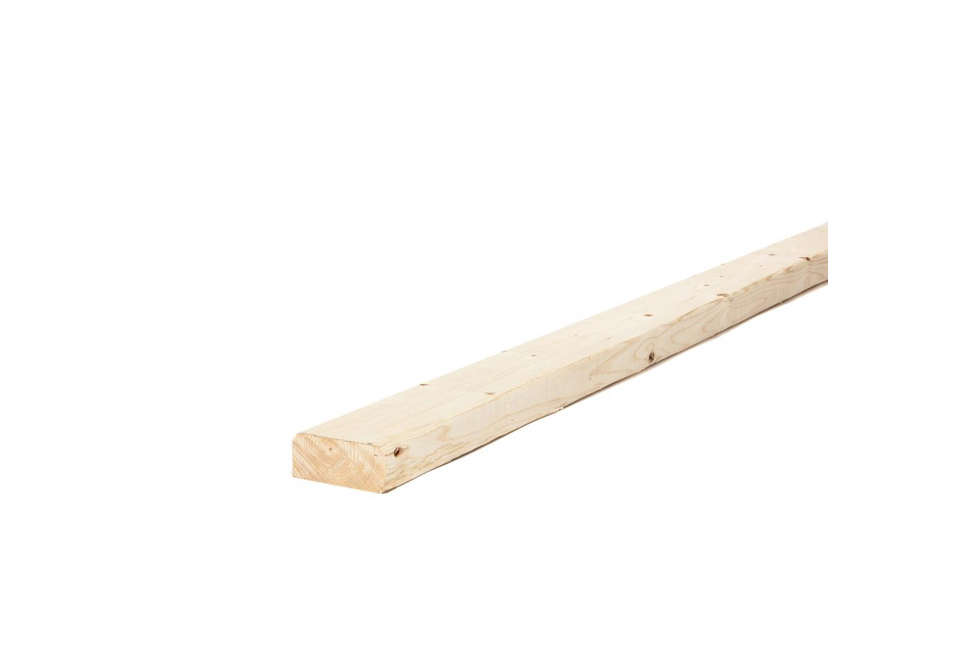
A prime kiln-dried whitewood stud is one of those building materials that looks almctangular, usually inexpensive, and commonly stacked by the hundreds at home-improvement stores. Yet this humble piece of lumber may become part of a wall, a partition, a workbench, a storage system, or the frame of a backyard project. In other words, it is the quiet employee who never asks for applause but somehow holds up the office.
Understanding the label matters because every word communicates something different. “Prime” may describe appearance or a seller’s quality category. “Kiln-dried” relates to moisture. “Whitewood” usually identifies a light-colored commercial species group rather than one guaranteed tree species. “Stud” describes the product’s intended framing use. Taken together, the phrase points to versatile dimensional softwood, but the grade stamp remains the most important source of technical information.
What Is a Prime Kiln-Dried Whitewood Stud?
A prime kiln-dried whitewood stud is dimensional softwood lumber manufactured for framing and general construction. A common nominal size is 2 by 4 inches, although the finished dimensions are typically about 1.5 by 3.5 inches after surfacing. Retailers also sell 2-by-3, 2-by-6, and other stud sizes in several lengths.
The term whitewood is commonly used at retail for light-colored softwood, often from the spruce-pine-fir, or SPF, species group. It does not always identify one exact species. Supply region, mill source, and inventory can influence whether a particular piece is spruce, pine, fir, or a permitted species combination. That is why experienced buyers read the ink stamp instead of trying to identify structural lumber by squinting dramatically at the grain.
Research basis: retail SPF descriptions and American lumber grade-mark guidance. t “Prime” Means
“Prime” generally suggests a cleaner-looking product with desirable visual characteristics, but it should not be treated as a universal promise of flawless lumber or as a substitute for a recognized structural grade. Depending on the producer and grading system, prime terminology may accompany a formal grade or function as a retail quality description. A prime stud can still contain knots, small checks, wane, or minor surface imperfections within the applicable rules.
For structural work, look for a legible grade stamp that identifies the grading agency, mill, species or species group, grade, and moisture designation. The stamp is far more useful than a smooth face and a charmingly optimistic shelf label.
What “Kiln-Dried” Means
Kiln drying removes moisture under controlled conditions before lumber reaches the jobsite. In North American softwood grading, marks such as “KD” or “S-DRY” commonly indicate lumber surfaced at a maximum moisture content of 19 percent, while “KD-15” or “MC-15” indicates a lower specified maximum. The exact mark should be read directly from the board.
Drying improves dimensional predictability compared with green lumber. It can reduce the amount of shrinkage that occurs after installation and may lower the risk of severe twisting, bowing, checking, drywall nail pops, and gaps. It does not make wood dimensionally frozen in time. Lumber still exchanges moisture with the surrounding air, so poor storage can turn a straight stud into something resembling a wooden propeller.
Research basis: USDA Forest Products Laboratory, WWPA, PLIB, AWC, and APA moisture guidance. t “Stud” Means
A stud is a vertical framing member used in walls and partitions. Stud lumber is produced in standard and precut lengths suited to common construction assemblies. Some lengths are designed to reduce field cutting, while full-length pieces provide flexibility for custom walls, blocking, repairs, and smaller projects.
Not every whitewood board is interchangeable with every stud. Load requirements, wall height, spacing, openings, local code, and engineering details all matter. For a structural wall, use lumber bearing an appropriate grade stamp and follow the approved plans. “It looked straight in aisle 17” is not an engineering calculation.
Benefits of Prime Kiln-Dried Whitewood Studs
Light Weight and Easy Handling
SPF-type whitewood is popular partly because it is relatively light and easy to carry, cut, drill, and fasten. That matters when a project requires moving dozens of studs from a truck to a work area. Lighter lumber also makes overhead blocking and solo assembly less exhausting, although safe lifting practices still apply.
Good Workability
A sharp saw blade moves through whitewood cleanly, and common framing fasteners usually drive without excessive resistance. The material is forgiving for beginners who are learning layout, toenailing, pilot drilling, or pocket-hole joinery. Because it is a softwood, it can dent more easily than hardwood, so it is better suited to framing than to a dining table expected to survive decades of plates, elbows, and enthusiastic board games.
Better Stability Than Green Lumber
Controlled drying removes much of the moisture that would otherwise leave the wood after installation. This generally means less post-construction movement than with green stock. Straighter framing can help wallboard sit flatter, trim align more neatly, and doors behave less like moody teenagers.
Wide Availability and Practical Cost
Whitewood studs are widely stocked in common sizes, making them convenient for repairs and routine building projects. They are often priced as everyday construction lumber rather than specialty material. Cost varies by region, length, grade, market conditions, and retailer, so compare the actual stamped product instead of shopping by price alone.
Common Uses
Prime kiln-dried whitewood studs are commonly considered for interior wall framing, non-load-bearing partitions, remodeling, basement build-outs, soffits, utility walls, backing, blocking, temporary bracing, workshop fixtures, garage shelving, simple benches, and shed components. Suitability depends on the grade, exposure, design, and local requirements.
For exterior structures, ground contact, damp basements, or locations exposed to repeated wetting, untreated whitewood may not be the right choice. Use properly treated or naturally durable material where required, and confirm that fasteners are compatible with any preservative treatment. Kiln-dried does not mean pressure-treated, waterproof, rot-proof, or capable of defeating termites through positive thinking.
How to Read the Grade Stamp
A typical grade stamp may contain five useful pieces of information:
- Grading agency: The accredited organization responsible for grade supervision.
- Mill identification: A number or name tracing the lumber to its producer.
- Grade: A recognized category such as Stud, No. 2, or another applicable grade.
- Species group: For example, SPF or another approved species designation.
- Moisture or treatment mark: Examples include KD, S-DRY, KD-15, HT, or KD-HT.
“HT” means heat-treated for phytosanitary purposes under the applicable program; it should not be confused with preservative pressure treatment. “KD-HT” combines a kiln-dried designation with heat-treatment qualification. When design values matter, use the species group and grade shown on the stamp, because different species and grades can have different allowable properties.
Research basis: ALSC, WWPA, PLIB, and industry grading guidance. to Choose Straight, Usable Studs
1. Sight Down the Length
Hold one end near eye level and look along each edge. Check for bow, crook, twist, and cup. A slight defect may be manageable for blocking or a short cut, but a twisted full-length stud can make wall alignment unnecessarily difficult.
2. Inspect Knots and Grain
Knots are normal in framing lumber. Their size, location, spacing, and condition influence grade. Avoid pieces with loose knots likely to fall out, severe grain deviation, or damage that makes the stud unsuitable for its intended use. Do not assume that a clean-looking face automatically means higher structural capacity.
3. Check for Splits, Checks, and Wane
Small checks and limited wane may be permitted within grade rules, but defects near fastening locations can reduce practical usability. Reject studs with deep end splits where anchors, plates, or connectors must be installed. A bargain stops being a bargain when half the board becomes firewood.
Research basis: SPIB explanations of permitted characteristics, knots, warp, checks, and splits. Look for Mold, Staining, and Wetness
Surface discoloration does not always mean structural decay, but visibly wet, musty, soft, or biologically damaged lumber deserves caution. If studs have been stored outdoors or under a leaking cover, allow them to dry under protected, ventilated conditions and assess whether they remain suitable.
5. Verify Dimensions and Length
Measure when precision matters. Nominal lumber names are not finished measurements, and precut stud lengths vary. Confirm the wall design, plate arrangement, opening sizes, and required cut list before buying. This saves the classic weekend-project experience of returning to the store while still wearing a tape measure on your belt.
Storage and Acclimation
Store studs flat, supported at regular intervals, elevated above concrete or soil, and protected from rain. Keep bundles restrained when practical, but allow air circulation. Avoid leaning long studs against a wall for days, because gravity and uneven moisture exposure can encourage bowing.
Bring lumber into conditions reasonably similar to the installation environment when the project and schedule allow. Indoor framing should not be sealed immediately behind finishes while unusually wet. A moisture meter can help identify outliers, but readings should be interpreted according to meter type, species setting, temperature, and the requirements of the project.
Installation Tips for Cleaner Results
Begin with accurate layout on the plates, mark openings and special backing, and place the crown of studs consistently when appropriate. Use straight pieces at doorways, corners, cabinets, tile walls, and other locations where alignment is especially visible. Save slightly imperfect pieces for short blocking if the defects do not compromise function.
Use fasteners, connectors, spacing, and bracing specified by the plans and applicable code. Predrill near ends when splitting is a concern. During framing, check walls for plumb, straightness, and consistent plane before sheathing or drywall hides the problem. Wood framing is wonderfully adjustable right up until the moment it is covered by several expensive finish layers.
Whitewood Studs Versus Other Lumber Options
Whitewood Versus Southern Yellow Pine
Whitewood is often lighter and easier to nail, while Southern Yellow Pine is generally denser and may be preferred for applications requiring particular strength values or treatment availability. The correct comparison must use actual grade-stamped design values, not broad species stereotypes.
Whitewood Versus Douglas Fir-Larch
Douglas Fir-Larch framing is widely used where its established design properties and regional availability fit the project. Whitewood or SPF may be easier to find in other markets. Either can perform well when the grade, size, moisture condition, and design match the job.
Solid Studs Versus Engineered Studs
Engineered studs can offer greater straightness and consistency for tall walls, cabinets, tile, and high-finish interiors. Conventional whitewood studs are usually more economical and readily available. A practical approach is to use ordinary studs for routine framing and reserve engineered material for critical locations where straightness has extra value.
When a Prime Kiln-Dried Whitewood Stud Is the Right Choice
This product is a sensible option when the project calls for standard dimensional framing lumber, the grade stamp satisfies the design, the environment will remain dry, and the selected pieces are straight enough for the work. It is especially useful for ordinary interior framing, partitions, blocking, and shop projects where easy cutting and availability matter.
Choose something else when the lumber will contact soil, face chronic moisture, remain exposed outdoors without protection, carry loads beyond its stamped and designed capacity, or serve as a visible furniture surface requiring hardness and refined grain. Material selection is less about finding the “best wood” and more about matching the right wood to the right job.
Practical Project Experiences and Lessons
The most common lesson from working with whitewood studs begins before the saw is plugged in: selection matters. Two studs from the same stack can behave very differently. One may be straight, light, and pleasantly boring. The next may have a twist that becomes obvious only after it is placed beside a level. Buyers who inspect every piece usually spend longer in the lumber aisle but far less time fighting the wall later.
A typical partition-wall project also teaches the value of sorting lumber by role. The straightest studs belong beside doors, at corners, behind cabinets, and wherever drywall edges meet. Pieces with a mild bow may still work in the middle of a noncritical wall if they can be oriented and aligned properly. Short offcuts can become blocking, backing, or test pieces. This simple sorting process reduces waste without pretending every stud is equally suitable.
Another practical surprise is how quickly kiln-dried lumber can change when stored badly. A bundle left flat and covered tends to remain manageable. The same boards leaned against a garage wall near an open door may absorb moisture unevenly and begin to curve. Builders often learn this after buying lumber early to “save time,” only to discover that the studs spent the week practicing yoga. Proper support and weather protection are not glamorous, but they protect both money and patience.
Fastening reveals another useful lesson. Whitewood generally accepts nails and screws easily, but fasteners placed too close to the end can still split the grain. A pilot hole, adjusted fastener location, or properly selected connector can prevent damage. It is also wise to avoid overtightening screws in softwood. A screw head buried halfway to the center of the tree is not extra secure; it may simply crush fibers and weaken the connection detail.
Finishing a small shop project with framing studs can be satisfying, provided expectations are realistic. Careful planing, sanding, and edge selection can transform inexpensive lumber into a sturdy workbench base or utility shelf. However, knots, dents, resin pockets, and mixed grain may complicate a clear finish. Paint often produces a more uniform appearance than stain, especially when the boards come from different species within a whitewood group.
Wall framing provides the clearest payoff for patient preparation. When plates are accurately marked, crowns are oriented consistently, and the wall is checked before fastening permanently, assembly feels straightforward. When layout is rushed, small errors multiply: an opening becomes tight, a drywall seam misses its backing, or a bowed stud creates a visible hump. The wood is frequently blamed, but the tape measure may deserve an interview too.
The final lesson is to treat the grade stamp as part of the material, not as random ink. A pale, smooth stud can be wrong for a structural application, while a less attractive stamped piece may satisfy the required grade. Good craftsmanship combines visual inspection with technical verification. Select for straightness, confirm the stamp, store the lumber correctly, and use it only where the design allows. That routine turns a basic whitewood stud into exactly what it should be: reliable, economical framing rather than an avoidable weekend mystery.
Conclusion
A prime kiln-dried whitewood stud is practical, accessible, and easy to work with, but its name should be decoded carefully. “Whitewood” often refers to a light softwood species group such as SPF. “Kiln-dried” indicates controlled moisture reduction, not immunity from future movement. “Prime” may suggest better appearance, but the accredited grade stamp determines the information that matters for structural use.
For the best results, choose straight pieces, inspect defects, verify the stamp and dimensions, store the lumber flat and dry, and follow the approved construction details. Do that, and the ordinary stud in your cart can become a straight wall, a sturdy shelf, or the quiet backbone of a successful project.
Note: Product names, available species, grades, treatment designations, dimensions, and code acceptance can vary by mill and region. Always verify the grade stamp, current product documentation, approved plans, and local building requirements before structural use.