Preparing for coronavirus is not about panic-buying enough canned beans to build a backyard bunker. It is about making smart, calm, practical choices before someone in your household wakes up with a scratchy throat, a suspicious cough, and the sudden urge to Google symptoms at 2 a.m. Coronavirus, especially COVID-19, is now part of the broader respiratory virus landscape, which means preparation should look less like emergency chaos and more like a well-organized home routine.
The good news: you do not need a medical degree, a hazmat suit, or a secret underground pantry. You need updated health information, a reasonable household plan, basic supplies, cleaner indoor air, good hygiene habits, and a clear understanding of what to do if someone gets sick. Think of it as adulting with hand sanitizer.
This guide explains how to prepare for coronavirus in a practical, family-friendly way, using current public-health principles from leading U.S. health organizations. Whether you are protecting older relatives, managing work and school responsibilities, caring for children, or simply trying to avoid turning your living room into Germ Central, these steps can help you stay ready without losing your mind.
What Coronavirus Preparation Really Means
Coronavirus preparation is not just about avoiding infection. It is about reducing your risk of severe illness, limiting spread when someone is sick, and making daily life easier if COVID-19 shows up at your door like an uninvited guest who refuses to take the hint.
A strong preparation plan should answer four basic questions:
- How can I lower my chances of getting infected?
- How can I protect people at higher risk?
- What should I do if I or someone in my home gets sick?
- What supplies and information should I have ready before I need them?
COVID-19 can range from mild symptoms to severe disease. Some people recover quickly, while others experience complications or Long COVID. That is why preparation should combine prevention, testing, treatment planning, and common-sense household organization.
Stay Up to Date on COVID-19 Vaccination
One of the most important ways to prepare for coronavirus is to stay current with COVID-19 vaccines. Vaccination helps lower the risk of severe illness, hospitalization, and death. It may not guarantee that you will never get infected, but it gives your immune system a much better playbook than “wing it and hope.”
Vaccine recommendations can change by season, age, health status, and risk level. Older adults, people with weakened immune systems, people with chronic health conditions, and those who have never received a COVID-19 vaccine should pay especially close attention to current guidance. If you are unsure whether you are up to date, ask your healthcare provider or pharmacist.
Who should be extra careful?
Some people have a higher risk of severe COVID-19. This includes adults age 50 and older, with risk rising further after age 65. People with certain medical conditions may also be at increased risk, including chronic lung disease, heart disease, diabetes, chronic kidney disease, cancer, obesity, pregnancy, immune suppression, and some disabilities.
If someone in your household is high-risk, preparation should be more intentional. Keep high-quality masks available, improve indoor ventilation, test early when symptoms appear, and talk with a healthcare provider in advance about treatment options.
Build a Practical Coronavirus Supply Kit
A coronavirus supply kit does not need to look like a movie prop from a disaster thriller. It should simply help your household manage a few days of illness without frantic pharmacy runs while wearing pajama pants and a look of regret.
Helpful supplies to keep at home
- At-home COVID-19 tests that are not expired or have verified extended expiration dates
- Well-fitting masks or respirators, such as N95 or KN95 masks
- Thermometer
- Fever-reducing medicine, if safe for your household members
- Prescription medications with enough supply to avoid last-minute gaps
- Electrolyte drinks, broths, tea, or other fluids
- Tissues, soap, paper towels, and hand sanitizer with at least 60% alcohol
- Disinfecting products for high-touch surfaces when someone is sick
- Easy meals, pantry staples, and pet supplies
- Emergency contacts, insurance information, and pharmacy details
Check your kit every few months. COVID tests expire. Medicine expires. Batteries die. Children grow out of masks. Snacks mysteriously vanish. Nobody knows how; everybody has theories.
Know When and How to Test for COVID-19
Testing remains a key part of preparing for coronavirus because symptoms of COVID-19 can overlap with flu, RSV, allergies, and the classic “I stayed up too late watching videos” fatigue. A test can help you make better decisions about work, school, travel, caregiving, and treatment.
Rapid antigen tests are convenient because they usually give results in 15 to 30 minutes. A positive result is generally reliable. However, a single negative antigen test does not always rule out infection, especially early in illness or when symptoms are mild. If you have symptoms and test negative, repeat testing according to the test instructions may be needed.
Molecular tests, including PCR tests, are generally more sensitive. They may be useful when accuracy is especially important, such as before visiting someone at high risk or when a healthcare provider recommends confirmation.
When should you test?
- When you have symptoms such as fever, cough, sore throat, congestion, fatigue, headache, or body aches
- After a known exposure, especially before seeing high-risk people
- Before gatherings, travel, or medical visits if you have symptoms or recent exposure
- When someone in your household tests positive and others begin feeling unwell
Store tests according to package directions. Heat, cold, and moisture can affect performance. In other words, your glove compartment in August is not a laboratory.
Improve Indoor Air Quality
Coronavirus spreads mainly through respiratory particles, especially indoors where air does not move well. Cleaner indoor air is one of the most underrated parts of coronavirus preparation. It is also less awkward than asking every guest to describe their recent cough history in detail.
Improving ventilation means bringing in more outdoor air and reducing the concentration of airborne viruses indoors. Simple steps can make a difference:
- Open windows when weather and air quality allow
- Use exhaust fans in kitchens and bathrooms
- Run heating, ventilation, and air-conditioning systems properly
- Upgrade HVAC filters when compatible with your system
- Use portable air cleaners in rooms where people gather
- Hold activities outdoors when possible
For schools, offices, churches, and community spaces, a clean indoor air plan should include ventilation, filtration, maintenance, and communication. Cleaner air helps reduce not only COVID-19 risk but also other respiratory viruses. It is the rare health upgrade that does not require anyone to eat kale.
Use Masks Strategically
Masks still have a place in coronavirus preparation, especially during respiratory virus surges, in crowded indoor spaces, while traveling, or around people at higher risk. A good mask works as a filter, reducing the number of germs a person breathes in or out.
Fit matters. A loose mask with gaps around the nose or cheeks is like closing the front door but leaving the garage open. N95 and KN95 respirators generally offer better protection than loose cloth masks when they fit well and are worn consistently.
When masks are especially useful
- When you are sick and must be around others
- When caring for someone with COVID-19
- When visiting hospitals, nursing homes, or high-risk relatives
- In crowded airports, public transportation, or poorly ventilated indoor spaces
- During local increases in respiratory illness
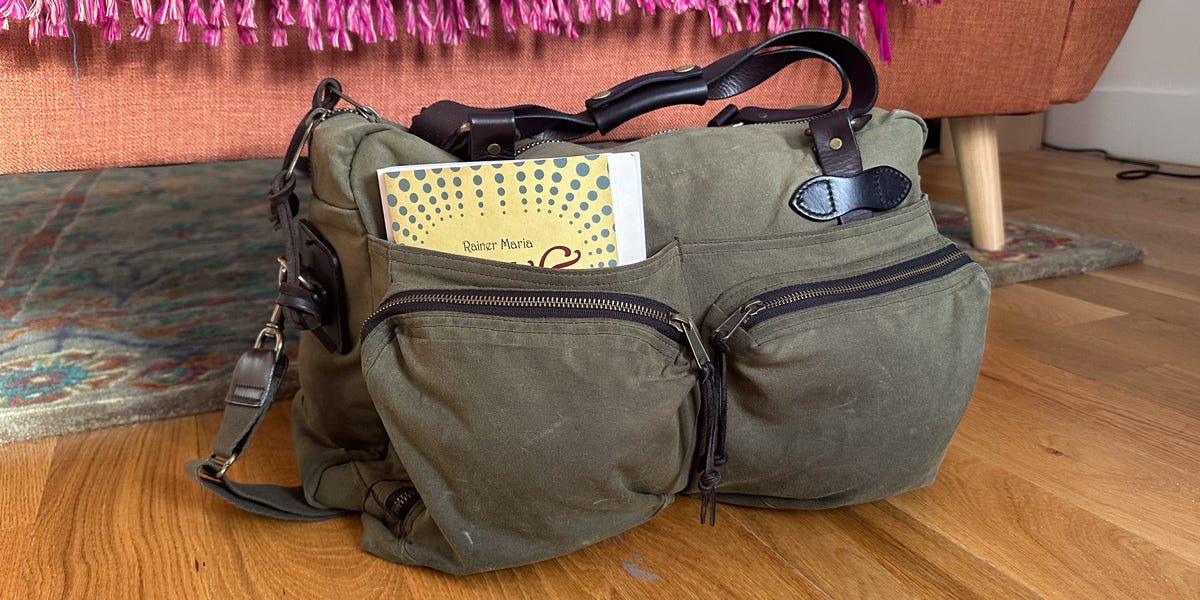
Keep several masks in your home, car, work bag, and travel bag. The best mask is the one that fits, filters well, and is actually available when you need it.
Create a Sick-Day Plan Before Anyone Is Sick
The worst time to create a sick-day plan is when someone is feverish, cranky, and dramatically wrapped in a blanket like a Victorian ghost. Prepare in advance so everyone knows what to do.
Your household plan should include:
- Where a sick person can rest away from others, if possible
- Which bathroom they can use, if your home has more than one
- Who will handle meals, medicine, childcare, and pet care
- How to contact your doctor, pharmacy, school, and workplace
- What symptoms mean it is time to seek medical help
- How to protect high-risk household members
If someone has COVID-19 or another respiratory virus, they should stay away from others until symptoms are improving overall and they have been fever-free for at least 24 hours without fever-reducing medicine. For several days after returning to normal activities, extra precautions such as masking, cleaner air, distancing, hygiene, and testing can help reduce spread.
Understand COVID-19 Treatment Options
Preparation should include knowing that treatment may be available for people at higher risk of severe COVID-19. Antiviral treatments work best when started early, often within the first few days of symptoms. That means you should not wait until day six of feeling terrible to begin wondering whether treatment exists.
If you are older, immunocompromised, pregnant, or have chronic medical conditions, ask your healthcare provider before you get sick: “If I test positive for COVID-19, should I call you right away about treatment?” This one question can save valuable time.
Some treatments may interact with other medications or may not be appropriate for everyone. Your healthcare provider can review your health history, prescriptions, kidney or liver function, and other factors.
Practice Smart Hygiene Without Going Overboard
Handwashing is still useful, even though COVID-19 spreads mainly through the air. Soap and water help remove germs, and alcohol-based hand sanitizer is a good backup when soap and water are not available. Wash hands before eating, after using the bathroom, after blowing your nose, after caring for someone sick, and after coming home from public places.
Cleaning also matters, but you do not need to disinfect your ceiling fan, your mailbox, and every grape in the refrigerator. Focus on high-touch surfaces when someone is sick: doorknobs, light switches, faucets, counters, phones, remote controls, and bathroom surfaces.
Use cleaning and disinfecting products according to label directions. More product is not always better. Mixing chemicals is dangerous, and your bathroom should not become a homemade science experiment.
Prepare for Work, School, and Childcare Disruptions
Coronavirus preparation is also logistical. If a child tests positive, can they stay home? If you get sick, can you work remotely? If a caregiver is unavailable, who is backup? These questions are not glamorous, but neither is discovering the answer during a Monday morning meltdown.
Keep a list of important contacts: school attendance office, childcare provider, supervisor, human resources department, healthcare provider, pharmacy, and emergency contacts. Know your workplace sick-leave policy and your child’s school illness policy. If you care for an older adult, make sure you know their medications, doctors, and preferred hospital.
Protect Your Mental Health While Preparing
Preparing for coronavirus should make you feel steadier, not trapped in an endless doom-scroll. It is easy to confuse being informed with being glued to every alarming headline. Choose a few reliable sources, check them when needed, and avoid letting social media become your primary medical advisor. The comment section is not a clinic.
Build routines that support resilience: sleep, movement, hydration, connection, and time away from screens. If you feel overwhelmed, talk with someone you trust or a mental health professional. Preparedness is not just about masks and medicine; it is also about keeping your nervous system from running around like a raccoon in a grocery store.
Special Considerations for High-Risk Households
If you live with or regularly visit someone at high risk, your preparation plan should be stronger. Consider testing before visits when respiratory viruses are circulating. Avoid visiting if you have symptoms, even mild ones. Improve ventilation during visits, gather outdoors when possible, and wear a high-quality mask when appropriate.
For nursing homes, assisted living facilities, and households with medically fragile people, early testing and treatment evaluation are especially important. Small precautions can have a big impact when someone’s immune system is not playing on easy mode.
Travel Preparation for Coronavirus
Travel adds layers of exposure: airports, buses, trains, hotels, restaurants, and family gatherings where Aunt Linda insists “it’s just allergies.” Pack a small respiratory virus kit with masks, tests, hand sanitizer, tissues, fever medicine, and your health insurance information.
Before traveling, check whether anyone you plan to visit is high-risk. If you develop symptoms, test and consider delaying visits. During travel, masks can be especially helpful in crowded indoor areas or places with poor ventilation.
Experience-Based Tips for Preparing for Coronavirus
One of the biggest lessons from real-life coronavirus preparation is that small plans beat big panic. Many families learned this the hard way during earlier waves of COVID-19. The households that managed best were not always the ones with the most supplies. They were the ones that had clear routines, flexible expectations, and a plan that everyone understood.
For example, a family with school-age children may decide to keep a “sick shelf” in one closet. On that shelf are COVID-19 tests, a thermometer, children’s fever medicine, adult fever medicine, tissues, masks, electrolyte packets, and a printed list of phone numbers. When someone wakes up sick, no one has to dig through three drawers, two backpacks, and a mysterious box labeled “miscellaneous.” The supplies are in one place, ready to go.
Another practical experience is setting up a comfort zone for the sick person. This does not require a luxury guest suite. A bedroom or corner with tissues, a trash bag, water, charger, thermometer, and easy snacks can reduce unnecessary movement around the house. If the sick person is old enough, they can text when they need something. This helps limit exposure while also preventing the classic hallway announcement: “I need soup,” delivered directly into everyone’s breathing space.
Families with older relatives often find that communication matters as much as supplies. Before a visit, it helps to ask simple questions: “Would you like us to test before we come?” “Do you prefer we meet outdoors?” “Should we wear masks inside?” These conversations may feel awkward at first, but they are far less awkward than realizing afterward that someone was uncomfortable but too polite to say anything.
Workplaces offer another lesson: people need permission to stay home when sick. A good coronavirus plan fails if employees feel pressured to show up coughing because they fear consequences. Managers can help by making sick policies clear, supporting remote work when possible, and encouraging people to recover instead of heroically spreading germs across the conference table. Productivity is great; turning the office into a sneeze festival is not.
Parents have learned that preparing children works best when the message is calm and simple. Instead of saying, “Everything is dangerous,” try: “We wash hands, cover coughs, test when needed, and stay home when we are sick so we can protect other people.” Children do better with routines than fear. A decorated handwashing chart may not be glamorous, but if it gets the job done, give that chart a standing ovation.
Another useful experience is planning for recovery time. Many people underestimate how tired they may feel after COVID-19 or another respiratory illness. Preparing for coronavirus means giving yourself permission to rest, reschedule, and return gradually. Stocking easy meals, freezing soup, arranging backup childcare, and warning coworkers early can reduce stress. Recovery is not a moral failure. It is your body doing maintenance, and sometimes maintenance runs longer than expected.
Finally, the most valuable experience is learning to update your plan without becoming obsessed. Guidance changes, variants change, vaccines change, and household needs change. Review your plan every season. Replace expired tests. Refresh masks. Ask your doctor about current vaccine and treatment recommendations. Then go live your life. Preparedness should support normal life, not replace it.
Conclusion: Prepare Calmly, Act Quickly, and Keep It Practical
Preparing for coronavirus is not about fear. It is about readiness. The best plan is simple enough to follow on a stressful day and flexible enough to adapt as guidance changes. Stay current with vaccination recommendations, keep tests and basic supplies on hand, improve indoor air, use masks strategically, wash hands properly, and know when to call a healthcare provider.
COVID-19 may not dominate daily life the way it once did, but it still deserves respectespecially for older adults, immunocompromised people, and those with underlying health conditions. A little preparation now can prevent a lot of confusion later. Think of it as giving your future self a gift: fewer pharmacy emergencies, fewer frantic searches, and fewer moments of wondering where you put the thermometer.
Note: This article is for general informational purposes only and does not replace medical advice. For personal recommendations, especially about vaccination, testing, treatment, pregnancy, immune conditions, or chronic disease, consult a qualified healthcare professional or local public-health authority.