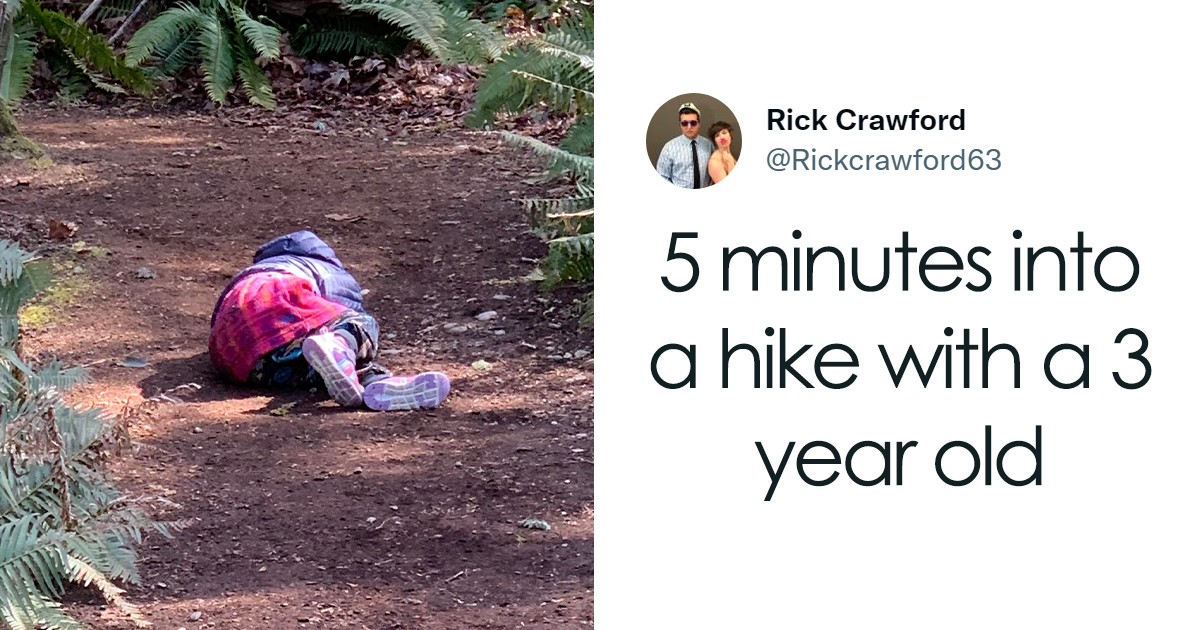
Parenting is a daily reminder that adults and children do not live in the same universe. Adults see a spoon. Kids see a negotiable object, a microphone, a tiny shovel, a drumstick, andif oatmeal is involveda weapon of mild breakfast chaos. Adults see bedtime. Kids see a legal proceeding with appeals, counteroffers, emotional testimony, and a final request for water delivered in a specific cup that has not been seen since last Tuesday.
The funny thing is, kids are not overcomplicating life because they want to make parents question reality in the hallway at 7:42 a.m. Their brains are still learning how to plan, choose, transition, regulate emotions, and accept that socks are not a personal attack. Child-development experts often point to routines, limited choices, patience, and predictable responses as useful tools for helping kids move through everyday tasks. But even with the best parenting strategies, children have a gift for turning the simplest moment into a full-length documentary.
So, in honor of every parent who has watched a child take twelve minutes to put one foot into one shoe, here are 30 absurd and funny everyday things kids overcomplicate for no reason at allplus why these tiny negotiations are usually part comedy, part development, and part “please just get in the car.”
Why Kids Turn Simple Tasks Into Epic Adventures
Kids are natural experimenters. They are learning cause and effect, testing independence, practicing communication, and discovering that the world contains rulesmany of which seem deeply suspicious. A toddler may refuse the banana they asked for because it was peeled “wrong.” A preschooler may need to say goodbye to every toy before leaving the house. An older child may require a five-step emotional warm-up before starting homework. These moments can be exhausting, but they are also signs of growing minds trying to make sense of control, order, feelings, and choice.
Predictable routines often help because children feel safer when they know what comes next. Limited choices can also reduce power struggles: “Do you want the red cup or the blue cup?” works better than “Please stop conducting a kitchen-cabinet inventory.” Still, no strategy eliminates the wonderfully weird logic of childhood. Sometimes the drama is not about the task. It is about hunger, tiredness, transition, sensory discomfort, attention, or the fact that the moon was visible in the daytime and now someone needs answers.
30 Everyday Things Kids Overcomplicate For No Reason At All
1. Putting On Shoes
Shoes appear simple until a child is involved. Suddenly, left and right become philosophical concepts. The Velcro is “too loud.” The sneaker feels “bumpy.” One shoe is acceptable, but the other is obviously haunted. Parents may suggest socks first, which is taken as a bold and unnecessary plot twist.
2. Choosing A Cup
Water tastes different depending on the cup. This is not science; this is toddler law. The blue cup is wrong today because it was right yesterday. The dinosaur cup is only for milk, except when it is for juice, except when the child never liked dinosaurs and how dare you suggest otherwise.
3. Getting Into The Car Seat
Some children enter a car seat like they are boarding a spacecraft. They must bring three toys, reject two snacks, straighten one invisible wrinkle, and ask whether the destination is still happening. The parent’s cheerful “Let’s go!” becomes the opening bell of a tiny wrestling match nobody trained for.
4. Washing Hands
Handwashing can become a water park, a soap-sculpture studio, or a courtroom debate about germs. One child will barely touch the water; another will soak the counter, sleeves, and nearby family pet. Either way, the actual washing part remains suspiciously brief.
5. Picking Pajamas
Bedtime pajamas are never just pajamas. They must match the emotional weather, the stuffed-animal lineup, and the child’s current identity as either a dinosaur astronaut or a cupcake princess detective. Parents who suggest “just wear these” clearly do not understand evening fashion law.
6. Eating A Banana
Bananas are dangerous territory. Too curved. Too spotty. Peeled too far. Not peeled enough. Broken in half, which apparently destroys its entire personality. Many parents have learned that once a banana snaps, there is no going back. The fruit has been emotionally compromised.
7. Brushing Teeth
Toothbrushing is a two-minute activity that can stretch into an international summit. The toothpaste is spicy. The toothbrush is wet. The mirror is distracting. The child suddenly has questions about cavities, sharks, and whether teeth can get tired. Meanwhile, the parent ages visibly.
8. Saying Goodbye
Leaving a place requires closure. Goodbye to the dog. Goodbye to the couch. Goodbye to the toy that was ignored for three weeks but is now emotionally essential. A quick exit becomes a farewell tour with strong airport-terminal energy.
9. Wearing Socks
Socks are the drama queens of children’s clothing. The seam is wrong. The heel is “looking at me.” The sock is too socky. Some parents develop sock-seam negotiation skills so advanced they should be listed on a résumé.
10. Taking A Bath
Before bath time, water is a tragedy. During bath time, the child becomes a marine creature who cannot possibly leave. After bath time, the towel is unacceptable because it is either too soft, not soft enough, or not the towel they meant in their heart.
11. Putting Toys Away
Cleaning up toys is simple: place toy in bin. Children improve this process by rediscovering every toy, playing with each for “one more second,” and creating a new game called “I Didn’t Hear You Because I Am A Statue.”
12. Deciding What To Eat
Kids can request macaroni and cheese for dinner and then act personally betrayed when macaroni and cheese appears. The meal may be too hot, too yellow, too touching-other-foods, or too similar to the exact thing they demanded five minutes ago.
13. Climbing Into Bed
Bed is where children suddenly remember every unfinished life task. They need a sip of water, one more hug, a sock adjustment, an answer about volcanoes, and confirmation that tomorrow still exists. Bedtime is less a routine and more a soft-pillow negotiation.
14. Opening A Snack
Some snacks must be opened by the child. Others must be opened by the parent. But if the parent opens the wrong snack at the wrong speed, the snack is ruined. Crackers broken during opening may require a formal apology.
15. Walking Anywhere
Adults walk to arrive. Children walk to investigate. Every leaf, crack, puddle, bug, pebble, and suspicious gum wrapper becomes part of the journey. A ten-foot walk to the mailbox can become a nature expedition with dramatic pauses.
16. Putting On A Jacket
Jackets are invisible until the moment a parent says, “It’s cold outside.” Then they become unbearable fabric prisons. The child insists they are warm, steps outside, freezes instantly, and asks why nobody brought a jacket.
17. Choosing A Book
Story time requires careful selection. The child rejects seventeen books, chooses the longest one, then asks for the same book again. Parents begin calculating whether skipping three pages counts as a moral failure.
18. Sharing A Toy
A toy ignored for months becomes priceless the second another child touches it. Suddenly, it is “my favorite forever.” Sharing is a beautiful developmental milestone, but in the moment, it may look like two tiny lawyers arguing over a plastic truck.
19. Getting Dressed
Clothes invite debate. The shirt is backwards, but the child likes it that way. Pants are optional in spirit. A costume cape may be required for grocery shopping. Parents learn to pick their battles and silently celebrate anything weather-appropriate.
20. Sitting At The Table
A child can sit on the floor, stairs, dog bed, laundry basket, or toy box with complete comfort. Ask them to sit in a chair for dinner, and suddenly gravity no longer works. They slide, wiggle, kneel, spin, and somehow end up half under the table.
21. Flushing The Toilet
Some kids love flushing. Some fear it. Some need to wave goodbye first. Some want to press the handle but only after the parent leaves the room, returns, turns around twice, and says nothing. Bathroom routines are full of tiny rituals.
22. Drinking Water
Water is boring all day until bedtime, when it becomes essential to survival. The child requires water, but not that water, and not in that cup, and not from the bathroom sink because that water has “night taste.”
23. Leaving The Playground
Leaving the playground is a five-stage emotional event. First denial, then bargaining, then one last slide, then another last slide, then the surprise sprint in the opposite direction. Parents learn to announce countdowns like professional sports commentators.
24. Turning Off The TV
“One more episode” is a phrase with no natural ending. Even when the show ends, the credits are important. The theme song matters. The next episode preview is apparently part of the Constitution. Transitions away from screens can be tough because the fun stops abruptly, and kids are not famous for loving abrupt endings.
25. Saying Sorry
Apologies can become theatrical. Some children whisper “sorry” to the carpet. Others say it with the emotional warmth of a parking ticket. The goal is not a perfect performance but helping them understand repair, empathy, and what to do differently next time.
26. Taking Medicine
Even mild medicine can become a taste-testing crisis. The spoon is wrong. The flavor is suspicious. The child wants to hold it, then does not want to hold it, then asks whether medicine has feelings. Parents become calm pharmacists with Olympic-level patience.
27. Packing A Backpack
A backpack needs school supplies, but a child may add rocks, toy cars, a broken crayon, three acorns, and a mysterious napkin. The homework folder is forgotten, but the “important stick” makes it safely to class.
28. Answering A Simple Question
Ask, “Do you want toast?” and receive a story about clouds, yesterday’s playground, and why triangles are pointy. Children answer in scenic routes. Eventually, the parent learns the answer is either yes, no, or “I wanted toast before you asked.”
29. Walking Past A Store Display
Every store display is a museum exhibit, a wish list, and a temptation obstacle course. A child can spot a glittery sticker book from forty yards away while claiming they cannot see their shoes directly in front of them.
30. Doing Literally Anything “By Myself”
Independence is beautiful until the family is late. Children want to zip the jacket, pour the cereal, buckle the strap, carry the bag, and open the door alone. It may take longer, but these moments are often where confidence grows. Also where cereal lands. Everywhere.
The Hidden Logic Behind The Chaos
As ridiculous as these moments feel, they often make sense through a child-development lens. Young children are still building executive function skills, including working memory, flexible thinking, planning, and impulse control. That means a simple adult taskput on shoes, brush teeth, leave the housemay involve several mini-skills for a child. They need to remember the steps, manage frustration, tolerate sensations, stop doing something fun, and accept help without feeling powerless.
This is why routines matter. A predictable morning rhythm can reduce surprises. A visual chart can help children see the steps without requiring a parent to repeat them like a malfunctioning robot. Limited choices give kids a sense of control without letting the day become a democracy about pants. Instead of asking, “What do you want to wear?” parents often get better results with, “Do you want the striped shirt or the green shirt?” The child still gets a voice, but the parent keeps the ship pointed toward school, daycare, or at least the front door.
Humor helps, too. Turning cleanup into a race, singing a silly toothbrushing song, or pretending shoes are hungry for feet can move a child from resistance to cooperation. Not every moment needs a lecture. Sometimes a playful tone works better than a perfect explanation, especially when the child is tired, hungry, overstimulated, or emotionally full from a long day of being small in a very large world.
What Parents Can Do When Kids Overcomplicate Everything
Use Fewer Words
When children are upset or distracted, long explanations can sound like background noise. A short phrase such as “Shoes first, then car” or “Brush, rinse, book” is easier to process. Simple language also keeps parents from accidentally entering a debate they never meant to start.
Offer Two Acceptable Choices
Open-ended choices can overwhelm children. Two options are usually enough. “Do you want to hop to the bathroom or tiptoe?” feels playful while still moving the routine forward. The secret is that both choices lead to the same destination.
Prepare For Transitions
Kids often struggle when they must stop one activity and start another. A warning helps: “Five more minutes, then cleanup.” Timers, songs, and visual routines can make transitions feel less sudden. The goal is not to eliminate disappointment but to make the next step predictable.
Stay Calm, Even When The Sock Seam Is Apparently A Crisis
Children borrow emotional cues from adults. If a parent escalates, the moment often grows bigger. A calm voice does not magically fix everything, but it gives the child a steadier place to land. It also protects the parent’s sanity, which deserves its own reward chart.
Praise The Process
Instead of only celebrating the finished task, notice effort: “You kept trying with that zipper” or “You calmed down and used your words.” This helps children connect persistence with success. It also teaches them that learning a routine matters more than performing it perfectly.
Real-Life Parenting Experiences: The Comedy Of Tiny Complications
One of the most universal parenting experiences is realizing that time works differently when children are involved. Ten adult minutes are not the same as ten kid minutes. Adult minutes are measured by clocks. Kid minutes are measured by how many questions can be asked while standing with one shoe on. A parent may say, “We need to leave in five minutes,” and a child may hear, “This is the perfect time to locate my smallest plastic animal and explain its family history.”
Many parents describe mornings as the main stage for overcomplication. Everyone is fed, dressed, and almost readythen a child announces that their shirt “feels like a sneeze.” Nobody knows what that means, including the child, but the shirt must go. Another shirt is chosen, rejected, accepted, worn for thirty seconds, and then declared “too Monday.” The parent, now holding a backpack, lunchbox, jacket, and one emotional support sock, tries to remain a peaceful leader instead of a breakfast-scented thunderstorm.
Mealtimes bring their own special theater. A child may demand that foods not touch, then use a fork to mix everything into a paste. They may insist they are starving, take two bites, and announce they are full, only to become deeply hungry at bedtime. Parents learn that presentation matters in mysterious ways. A sandwich cut into squares is offensive; triangles are acceptable. Apple slices without skin are good until they are not. Yogurt is perfect unless the spoon is green.
Bedtime is perhaps the greatest overcomplication arena of all. Children who were too tired to clean up suddenly develop the energy to ask questions about space, dinosaurs, and whether ants sleep. They need one more hug, one more song, one more blanket adjustment, and a final security check on every stuffed animal in the bed. The parent may feel trapped in a soft, dimly lit customer-service department where the customer is wearing pajamas and negotiating with expert confidence.
Still, these moments often become the stories families laugh about later. The child who refused socks may become the teen who still has strong opinions about comfort. The kid who packed rocks in a backpack may grow into a curious collector, builder, artist, or scientist. The child who needed to do everything “by myself” was practicing independence, even when independence looked like cereal on the floor and a jacket zipped to a shirt.
The experience teaches parents flexibility. You learn when to hold the boundary and when to let the superhero cape go to the grocery store. You learn that a playful voice can solve what a stern lecture cannot. You learn that routines are useful, but real life will always include missing shoes, emotional bananas, and a child who needs to tell the moon goodnight before brushing teeth.
Most of all, parents learn that childhood is not efficient. It is messy, hilarious, repetitive, tender, and occasionally sticky for reasons no one can explain. Kids overcomplicate everyday things because they are learning how to be people. Parents simplify, guide, repeat, breathe, and sometimes laugh into a dish towel. In the end, the chaos becomes part of the family languagethe private comedy of growing up together.
Conclusion
Kids can turn the smallest everyday task into a full production, but beneath the absurdity is a growing brain trying to practice control, independence, communication, and emotional regulation. For parents, the trick is to use routines, offer simple choices, prepare for transitions, and keep a sense of humor close by. The shoe drama, banana tragedy, bedtime negotiations, and cup-related scandals will not last forever. One day, the same child who needed seventeen minutes to choose pajamas may simply say goodnight and close the door. And yes, you might even miss the chaos a little.
Note: This article is written as original web-publishing content and synthesizes general parenting and child-development guidance from reputable U.S. pediatric, education, and family resources without reproducing protected source text.