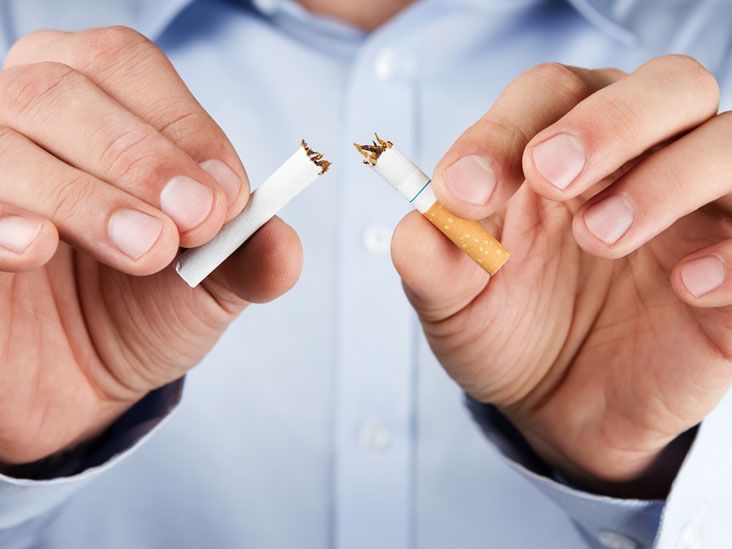
Quitting nicotine is a little like canceling a subscription your brain signed up for without reading the terms and conditions. One day you decide, “That’s it, I’m done,” and your body replies, “Wonderful! Here are some cravings, irritability, snack attacks, weird dreams, and the emotional stability of a raccoon in a thunderstorm.”
The good news? Nicotine withdrawal is temporary, manageable, and absolutely survivable. Whether you are quitting cigarettes, vaping, smokeless tobacco, or another nicotine product, the first days can feel intense because nicotine has been training your brain to expect quick rewards. When that supply stops, your brain and body need time to recalibrate.
This guide covers practical nicotine withdrawal tips, including nicotine patches, gum, lozenges, prescription medications, cold turkey strategies, craving control, sleep support, stress management, and relapse prevention. It is based on real guidance from reputable U.S. health organizations and medical resources, written in plain English with a little humor because quitting nicotine is seriousbut you do not have to suffer in silence like a dramatic Victorian poet.
What Is Nicotine Withdrawal?
Nicotine withdrawal happens when your body adjusts to having less nicotine or none at all. Nicotine affects the brain’s reward system, especially dopamine pathways, which are involved in pleasure, motivation, and habit formation. Over time, the brain starts expecting nicotine as part of its daily operating system. Remove it, and the system throws error messages.
Common Nicotine Withdrawal Symptoms
Symptoms vary from person to person, but common nicotine withdrawal symptoms include strong cravings, irritability, anxiety, restlessness, low mood, trouble concentrating, headaches, increased appetite, constipation, coughing, sleep problems, and fatigue. Some people feel foggy or unusually emotional. Others mainly feel hungry enough to consider negotiating with a vending machine.
Withdrawal often begins within hours after the last nicotine use. For many people, symptoms peak during the first few days and gradually improve over the next few weeks. Cravings may still pop up later, especially during familiar triggers such as driving, drinking coffee, finishing a meal, socializing, or dealing with stress.
Nicotine Patches: A Steady Option for Withdrawal Relief
Nicotine patches are one of the most popular nicotine replacement therapy options. They deliver a controlled amount of nicotine through the skin over several hours. Unlike smoking or vaping, patches do not expose you to tobacco smoke, tar, carbon monoxide, or the rapid nicotine spikes that reinforce addiction.
How Nicotine Patches Help
A nicotine patch works like a background assistant. It does not slap cravings away dramatically, but it can lower the volume of withdrawal symptoms so you can focus on changing routines and habits. Patches are especially helpful for people who wake up craving nicotine, use nicotine throughout the day, or have struggled with intense withdrawal during previous quit attempts.
Most patch programs step down gradually from a higher dose to lower doses over several weeks. The exact dose depends on how much nicotine you normally use. People who smoke more heavily may start with a higher-strength patch, while lighter users may need less. Always follow package instructions or medical guidance, especially if you have heart disease, are pregnant, are breastfeeding, are under 18, or use multiple nicotine products.
Patch Tips That Actually Matter
Apply the patch to clean, dry, hairless skin on the upper body or outer arm. Rotate the location daily to reduce skin irritation. Wash your hands after applying it. Do not cut patches unless the product instructions specifically say it is safe, because cutting some patches can affect how nicotine is released.
If you experience vivid dreams or sleep trouble, ask a pharmacist or clinician whether removing a 24-hour patch before bed makes sense for you. Some people sleep fine with it; others suddenly dream they are being chased through a grocery store by a giant talking cigarette. Your mileage may vary.
Nicotine Gum and Lozenges: Fast Help for Cravings
Nicotine gum and lozenges are short-acting nicotine replacement products. They are designed to help with sudden cravings, which can appear like tiny chaos goblins during your day.
Using Nicotine Gum Correctly
Nicotine gum is not regular chewing gum. You usually chew it slowly until you notice a peppery or tingling sensation, then “park” it between your cheek and gum so nicotine can absorb through the lining of your mouth. After the sensation fades, chew and park again. If you chew continuously like regular gum, you may swallow more nicotine, which can cause hiccups, nausea, or stomach discomfort.
Using Nicotine Lozenges Correctly
Nicotine lozenges dissolve slowly in the mouth. Do not chew or swallow them whole. Move the lozenge from one side of the mouth to the other occasionally and let it dissolve fully. Avoid eating or drinking for a short period before and during use, especially acidic drinks like coffee, soda, or citrus juice, because they may affect nicotine absorption.
Combination Nicotine Replacement Therapy
Many people do better with combination therapy: a nicotine patch for steady withdrawal control plus gum or lozenges for breakthrough cravings. Think of the patch as your “daily defense shield” and the gum or lozenge as your “emergency craving extinguisher.”
This approach can be especially useful if you have tried quitting before and felt ambushed by cravings. Instead of relying on willpower alone, you create a more flexible plan. The patch handles the baseline discomfort, while short-acting products help during high-risk moments such as after meals, work breaks, traffic, or arguments with printers.
Cold Turkey: Can You Quit Nicotine Without Medication?
Yes, some people quit nicotine cold turkey, meaning they stop completely without nicotine replacement therapy or prescription medication. Cold turkey can work, especially for people who prefer a clean break, have strong support, or dislike the idea of tapering. However, it can also make withdrawal symptoms feel sharper.
When Cold Turkey May Work Best
Cold turkey may be a good fit if you are highly motivated, have removed nicotine products from your environment, have a clear quit date, and can avoid major triggers during the first week. It may also appeal to people who want to separate completely from nicotine rather than use replacement products.
When Cold Turkey Can Be Harder
If you use nicotine heavily, have strong morning cravings, live with other nicotine users, or have relapsed during previous cold turkey attempts, medication support may improve your odds. Needing help does not mean you are weak. It means you are using tools. Nobody calls a person weak for using an umbrella in a rainstorm.
Prescription Medications for Nicotine Withdrawal
Two commonly used prescription medications for quitting smoking are varenicline and bupropion. These medicines do not contain nicotine. They work differently in the brain to reduce cravings, withdrawal symptoms, or the rewarding effects of nicotine.
Varenicline
Varenicline can reduce the urge to smoke and may make smoking less satisfying if a person slips. It is usually started before the quit date so it has time to build up in the body. Some people experience nausea, sleep changes, or vivid dreams, so it is important to discuss benefits and side effects with a healthcare professional.
Bupropion
Bupropion may help reduce cravings and withdrawal symptoms. It is also used as an antidepressant, though it can help with quitting even in people who do not have depression. It is not appropriate for everyone, including people with certain seizure risks or eating disorders, so medical screening matters.
For many people, combining counseling with medication offers better results than relying on either one alone. Behavioral support helps you break the habit loop; medication helps calm the physical withdrawal. Together, they form a quit plan with fewer holes than a gas station umbrella.
How to Handle Cravings Without Losing Your Mind
Cravings feel urgent, but they usually pass. A craving is not a command. It is more like a pushy pop-up ad from your brain: annoying, loud, and not necessarily worth clicking.
Use the 4D Method
One practical craving tool is the 4D method: delay, deep breathe, drink water, and do something else. Delay for 10 minutes. Take slow breaths. Drink water. Then switch activitieswalk, stretch, text a friend, brush your teeth, fold laundry, or step outside. The goal is to interrupt the automatic path from trigger to nicotine use.
Keep Your Mouth and Hands Busy
Many nicotine habits are tied to hand-to-mouth motion. Keep sugar-free gum, mints, toothpicks, crunchy vegetables, sunflower seeds, or a water bottle nearby. For your hands, try a stress ball, pen, rubber band, worry stone, or any small object that does not involve setting things on fire or inhaling mystery vapor.
Change Trigger Routines
If you always smoked with coffee, try tea for a week or drink coffee in a different chair. If you vaped in the car, clean the car, remove devices, and keep gum in the console. If you smoked after dinner, immediately wash dishes, take a walk, or brush your teeth. Small routine changes tell your brain, “We are not running the old program today.”
Managing Mood Swings, Stress, and Irritability
Nicotine withdrawal can make emotions feel louder. You may feel annoyed by tiny things: slow Wi-Fi, loud chewing, cheerful people, the existence of Mondays. This does not mean your personality has changed. It means your nervous system is recalibrating.
Warn Your Inner Circle
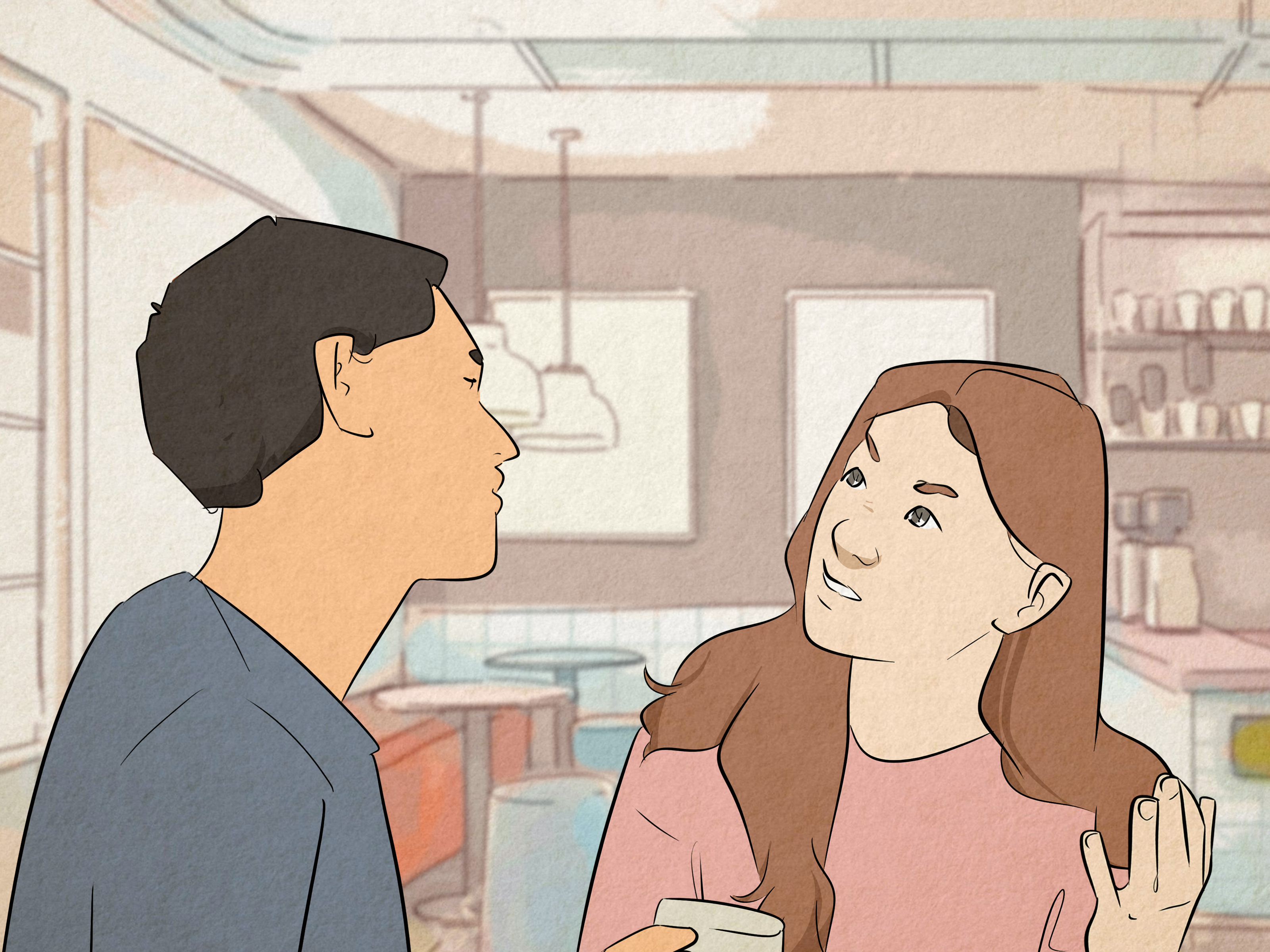
Tell trusted people you are quitting. Try saying, “I may be cranky for a bit, but I’m working on it. Please do not offer me nicotine, and please accept my apology in advance if I glare at a sandwich.” Supportive people can help you stay accountable and avoid triggers.
Move Your Body
Short bursts of activity can reduce cravings and improve mood. You do not need to become a marathon runner overnight. A 10-minute walk, stair climbing, stretching, dancing in the kitchen, or doing push-ups against a wall can help burn off restless energy.
Practice Stress Replacement
Many people use nicotine as a stress button. When quitting, you need replacement buttons. Try breathing exercises, journaling, meditation, hot showers, music, prayer, a support group, counseling, or calling a quitline. The goal is not to eliminate stress. The goal is to stop handing stress a cigarette-shaped remote control.
Sleep Problems During Nicotine Withdrawal
Sleep can get weird during nicotine withdrawal. Some people feel exhausted but wired. Others wake up often or have strange dreams. This usually improves as the body adjusts.
To support sleep, keep a regular bedtime, avoid caffeine late in the day, reduce screen time before bed, and create a calming wind-down routine. If you use a nicotine patch and notice vivid dreams, ask a healthcare professional whether adjusting the timing may help. Do not replace nighttime nicotine with late-night doomscrolling; your brain deserves better than arguing with strangers online at 1:00 a.m.
Food, Weight Gain, and Appetite
Increased appetite is common after quitting nicotine. Nicotine can suppress appetite, and quitting may bring taste and smell back to life. Suddenly, food has flavor again. Congratulations and also, yes, the cookies know.
Plan ahead with healthy snacks such as fruit, yogurt, nuts, air-popped popcorn, carrots, celery, or sugar-free gum. Drink water often. Eat balanced meals with protein and fiber to stay full. If weight gain happens, try not to panic. Quitting nicotine is a major health victory, and weight can be addressed gradually with sustainable habits.
Build a Quit Plan Before Quit Day
A strong quit plan makes withdrawal easier. Choose a quit date within the next couple of weeks. Remove cigarettes, vapes, ashtrays, chargers, lighters, and backup products. Stock craving tools. Tell supportive people. Decide whether you will use patches, gum, lozenges, prescription medication, counseling, or cold turkey. Write down your reasons for quitting and keep them visible.
Sample Quit Day Plan
On quit day, start your medication or nicotine replacement as directed. Eat breakfast. Drink water. Avoid your biggest triggers when possible. Take short walks. Keep your hands busy. Use gum or lozenges when cravings hit if they are part of your plan. Go to bed early. Your only job is to get through the day nicotine-free. You do not need to solve world peace, reorganize the garage, or become emotionally enlightened by sunset.
What to Do After a Slip
A slip is not a failure. It is data. If you smoke one cigarette or vape once, do not let shame convince you to abandon the whole plan. Ask what happened. Were you stressed? Drinking alcohol? Around friends who smoke? Did you skip your patch? Did you forget to eat? Use the answer to improve your strategy.
Restart immediately. Throw away the remaining product. Use your craving tools. Contact support. Remind yourself that many people need multiple attempts before quitting for good. Progress is not erased because one day went sideways.
When to Get Extra Help
Consider professional help if cravings feel unmanageable, you have depression or anxiety symptoms that worsen, you are pregnant, you have heart disease, you use multiple nicotine products, or you have tried quitting several times without success. A doctor, pharmacist, therapist, or tobacco treatment specialist can help personalize your plan.
In the United States, calling 1-800-QUIT-NOW connects people with free quitline support. Many states offer coaching, resources, and sometimes free or discounted nicotine replacement therapy. Digital programs and text-message support can also help, especially when cravings hit at inconvenient momentsbecause cravings rarely schedule appointments politely.
Real-Life Experience: What Nicotine Withdrawal Can Feel Like
One of the most useful things to know about nicotine withdrawal is that it often comes in waves. A person may wake up feeling confident, then get hit with a craving after coffee. They survive that, feel proud, then suddenly want nicotine after lunch, during traffic, or while answering a stressful email. This does not mean the quit attempt is failing. It means the brain is noticing familiar cues and asking for the old reward.
For many quitters, the first three days are the loudest. The mind may bargain: “Just one puff,” “You can restart tomorrow,” or “This week is too stressful.” That voice can sound very convincing. It may even sound like wisdom. It is not wisdom. It is withdrawal wearing a fake mustache.
A practical experience-based strategy is to create a “craving menu.” Instead of deciding what to do during a craving, decide before it happens. The menu might include: drink ice water through a straw, chew nicotine gum, walk around the block, text a quit buddy, take five deep breaths, eat apple slices, brush teeth, or play a quick phone game for five minutes. When the craving arrives, pick one item. Do not debate with the craving. Cravings love debates.
Another common experience is feeling strangely emotional. Some people feel sad because nicotine was connected to breaks, social moments, driving, or stress relief. It can feel like losing a tiny daily ritual. Replacing the ritual helps. A former smoke break can become a fresh-air break. A vape-after-dinner habit can become peppermint tea. A stressful commute can become audiobook time. The brain does not only need “no nicotine.” It needs a new pattern.
People who use nicotine patches often describe the first week as more manageable than expected, but not magic. The patch may reduce the physical edge, while the habit still asks for attention. That is why pairing the patch with behavioral changes matters. If someone puts on a patch but still sits in the same smoking chair, drinks the same coffee, and keeps a lighter on the table, the brain receives mixed messages. The environment should support the decision.
People who quit cold turkey often describe the experience as intense but empowering. The clean-break approach can feel motivating: no tapering, no nicotine, no negotiation. However, cold turkey works best with preparation. Removing nicotine products, avoiding alcohol for a while, planning meals, sleeping enough, and warning friends can make a major difference. Cold turkey without a plan can become “white-knuckle quitting,” which is technically a strategy but not a very comfortable one.
Another real-world issue is the “reward problem.” After a hard day of not using nicotine, the brain wants a prize. Choose rewards that support the new identity: a favorite meal, a movie, a new book, a gym class, a small purchase with money saved, or a relaxing evening. Tracking savings can be surprisingly motivating. Watching the money pile up is a quiet little victory parade.
Finally, many people say the best turning point comes when they stop thinking, “I can’t have nicotine,” and start thinking, “I don’t use nicotine anymore.” That identity shift takes time, but each craving survived becomes evidence. One craving becomes one day. One day becomes one week. One week becomes a new normal. Withdrawal is uncomfortable, but it is also proof that the body is healing and learning to run without nicotine calling the shots.
Conclusion
Nicotine withdrawal can be uncomfortable, but it is not permanent and you do not have to face it with willpower alone. Nicotine patches, gum, lozenges, prescription medications, counseling, quitlines, routine changes, exercise, hydration, sleep support, and trigger planning can all make quitting more manageable. Cold turkey can work for some people, while others do better with nicotine replacement therapy or medical support. The best method is the one that helps you stay nicotine-free safely and realistically.
If you slip, restart. If one method fails, adjust. If cravings feel overwhelming, get support. Quitting nicotine is not about being perfect; it is about building enough tools, patience, and self-respect to keep going until the cravings lose their authority.
Note: This article is for educational publishing purposes and synthesizes guidance from reputable U.S. public-health and medical sources, including government health agencies, cancer and lung health organizations, academic medical centers, and tobacco cessation resources. It is not a substitute for personalized medical advice.