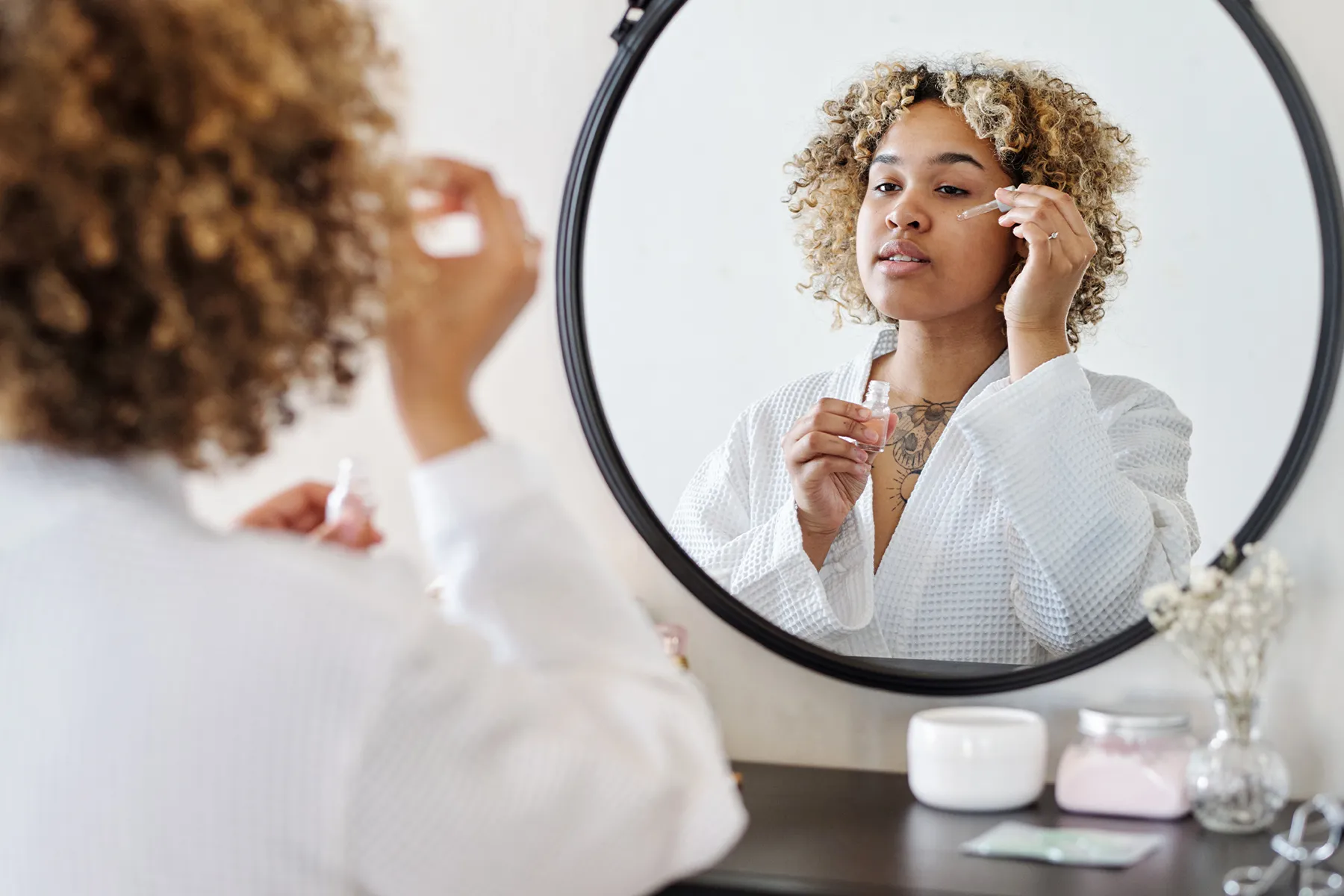
If your skin care shelf had a polite overachiever, it would probably be niacinamide. It does not arrive with the drama of a strong retinoid, the sting of some acids, or the “handle me like lab equipment” attitude of unstable vitamin C. Instead, niacinamide quietly shows up, supports the skin barrier, helps calm redness, softens the look of pores, improves uneven tone, and generally behaves like the responsible friend who brings sunscreen to the beach.
Niacinamide, also called nicotinamide, is a form of vitamin B3. In skin care, it has become popular because it works for many skin types: oily, dry, sensitive, combination, acne-prone, and mature skin. That does not mean every product labeled “niacinamide” is magical. Concentration, formula quality, consistency, and your skin’s tolerance all matter. But when used wisely, niacinamide can be one of the most versatile ingredients in a daily routine.
This guide breaks down what niacinamide does for the skin, who should use it, how to layer it, what benefits are realistic, and when too much of a good thing can turn your face into a tiny protest sign.
What Is Niacinamide?
Niacinamide is a water-soluble form of vitamin B3, an essential nutrient involved in cellular energy and repair. In topical skin care, it is used in serums, moisturizers, toners, eye creams, masks, sunscreens, and even some makeup products. Its popularity comes from the fact that it supports several skin goals at once without usually being harsh.
Unlike niacin, another form of vitamin B3, niacinamide is not known for causing the classic “niacin flush” when used topically. That makes it friendlier for people who want skin benefits without turning tomato-red five minutes after application. Still, irritation can happen, especially with high-strength products or when niacinamide appears in multiple layers of a routine.
Top Niacinamide Benefits for Skin
1. Strengthens the Skin Barrier
Your skin barrier is the outer defensive wall that keeps moisture in and irritants out. When that barrier is healthy, skin tends to feel smoother, calmer, and more comfortable. When it is damaged, skin may feel tight, itchy, flaky, reactive, or mysteriously angry at products it tolerated last month.
Niacinamide helps support the skin barrier by encouraging better moisture retention and improving the appearance of dryness and roughness. This makes it especially useful for people dealing with dehydration, sensitivity, over-exfoliation, or seasonal dryness. Think of it as a tiny maintenance crew for your face’s protective fence.
2. Helps Reduce the Look of Redness and Blotchiness
Niacinamide is often used in products designed for redness-prone or sensitive-looking skin. Its calming properties can help reduce the visible appearance of blotchiness, especially when the skin is irritated by dryness, acne, or environmental stress. It is not a cure for rosacea, eczema, or dermatitis, but it may be a supportive ingredient in a gentle routine.
If your skin gets red easily, choose a lower-strength niacinamide product, ideally in a moisturizer or soothing serum with ingredients like ceramides, glycerin, panthenol, or hyaluronic acid. This gives your skin support without turning your bathroom counter into a chemistry exam.
3. Improves Uneven Skin Tone and Dark Spots
One of niacinamide’s best-known uses is helping improve uneven skin tone. It may help reduce the appearance of hyperpigmentation, post-acne marks, sun spots, and dullness over time. It does not bleach the skin. Instead, it supports a more even-looking complexion by helping interrupt the visible unevenness that can happen when excess pigment becomes more noticeable on the surface.
For dark spots, niacinamide works best when paired with daily broad-spectrum sunscreen. Without sunscreen, you are basically asking your brightening serum to mop the floor while the roof is leaking. UV exposure can darken existing spots and create new ones, so SPF is not optional if your goal is clearer, more even skin.
4. Supports Acne-Prone Skin
Niacinamide can be helpful for acne-prone skin because it may reduce the look of inflammation, support barrier repair, and help balance visible oiliness. Some studies have compared topical nicotinamide with acne treatments and found promising results, though it should not be treated as a replacement for proven acne medications when acne is moderate to severe.
For mild breakouts, niacinamide can be a great companion ingredient. It pairs well with salicylic acid, benzoyl peroxide, adapalene, azelaic acid, and retinoids when introduced carefully. Its biggest acne-related superpower may be that it helps the skin tolerate stronger acne treatments better by supporting the barrier.
5. Helps Manage Oily Shine
People with oily skin often love niacinamide because it can help skin look less shiny. A formula with around 2% to 5% niacinamide may help reduce the appearance of excess sebum and make pores look less dramatic. To be clear, pores do not open and close like tiny garage doors. But when oil, dead skin, and congestion are better managed, pores can appear less obvious.
If your skin is oily, look for lightweight gel serums, oil-free moisturizers, or niacinamide formulas that also include zinc, green tea, or humectants. Avoid stacking too many mattifying products at once, because stripping oily skin can make it produce even more oil. Skin can be petty like that.
6. Softens the Look of Fine Lines and Texture
Niacinamide is not a facelift in a bottle, and any product claiming otherwise should be escorted politely out of your shopping cart. However, it can improve the look of fine lines, uneven texture, dullness, and elasticity when used consistently. Its antioxidant and barrier-supporting properties help skin look healthier, smoother, and more resilient.
For aging concerns, niacinamide combines well with retinoids, peptides, sunscreen, and moisturizers that support hydration. The best results usually come from a complete routine, not one heroic serum expected to do everything except file your taxes.
What Skin Types Can Use Niacinamide?
Oily Skin
Niacinamide is a strong option for oily skin because it can help reduce visible shine and support clearer-looking pores. A serum or lightweight lotion is usually the most comfortable format.
Dry Skin
Dry skin can benefit from niacinamide because it supports the moisture barrier. Pair it with richer ingredients such as ceramides, squalane, glycerin, shea butter, or hyaluronic acid.
Sensitive Skin
Sensitive skin may tolerate niacinamide well, but start low and slow. A 2% to 5% formula is often better than jumping straight to 10%. Patch testing is smart, especially if your skin has a history of reacting to new products.
Acne-Prone Skin
For acne-prone skin, niacinamide can help calm the look of redness and support the barrier while acne treatments do their job. It is especially useful when stronger actives leave skin dry or irritated.
Mature Skin
Mature skin can use niacinamide to support elasticity, smoother texture, and a more even-looking tone. Combine it with sunscreen in the morning and retinoids or peptides at night for a more complete anti-aging routine.
How to Use Niacinamide in a Skin Care Routine
Niacinamide is flexible. You can use it in the morning, evening, or both, depending on your product and skin tolerance. Most people do well applying it after cleansing and before heavier creams or sunscreen.
Morning Routine Example
Cleanse with a gentle face wash, apply a niacinamide serum or moisturizer, then finish with broad-spectrum SPF 30 or higher. This routine works well for oil control, redness, and uneven tone.
Evening Routine Example
Cleanse, apply niacinamide, then follow with moisturizer. If you use a retinoid, you can apply niacinamide before or after it depending on your product texture. For sensitive skin, applying moisturizer first, then retinoid, then moisturizer again can reduce irritation.
How Often Should You Use It?
Start once daily, especially if the product contains 5% or more. If your skin responds well after one to two weeks, you can continue daily use or increase to twice daily if needed. If your skin stings, flushes, breaks out, or becomes unusually dry, reduce frequency or switch to a lower concentration.
What Percentage of Niacinamide Is Best?
Many effective niacinamide products fall between 2% and 5%. This range is often enough for barrier support, tone improvement, and redness-prone skin. Products with 10% niacinamide are common and may help some people, especially those with oily or resilient skin, but higher is not always better.
If your skin is sensitive, more niacinamide may simply mean more irritation. A well-formulated 4% serum can outperform a harsh 10% product if you can actually use it consistently. Skin care is not weightlifting; you do not get extra points for using the strongest bottle.
Can Niacinamide Be Used With Vitamin C?
Yes, niacinamide and vitamin C can usually be used together. Older advice warned against combining them, but modern formulations are generally stable and compatible. Many people use vitamin C in the morning for antioxidant support and niacinamide either in the same routine or at night.
If you have sensitive skin, introduce them separately. Use vitamin C one morning and niacinamide another, then combine once you know your skin is comfortable. The goal is glow, not a face that feels like it is sending an emergency email.
Can Niacinamide Be Used With Retinol?
Niacinamide pairs beautifully with retinol and other retinoids. Retinoids can cause dryness, peeling, and irritation, especially at first. Niacinamide helps support the barrier, which may make retinoids easier to tolerate.
A simple nighttime routine could include a gentle cleanser, niacinamide serum, retinol, and moisturizer. If your skin is sensitive, apply moisturizer before retinol or use retinol only two to three nights per week at first.
Can Niacinamide Be Used With Acids?
Niacinamide can be used with exfoliating acids such as salicylic acid, glycolic acid, lactic acid, and mandelic acid, but do not introduce everything at once. If your routine includes acid exfoliation, use niacinamide afterward or on alternate days to help support the barrier.
For acne-prone skin, salicylic acid and niacinamide can be a useful combination. Salicylic acid helps clear clogged pores, while niacinamide helps calm the look of irritation and reduce visible oiliness.
Possible Side Effects of Niacinamide
Niacinamide is generally well tolerated, but side effects are possible. Some people experience redness, itching, burning, dryness, bumps, or breakouts. These reactions may be caused by niacinamide itself, a high concentration, another ingredient in the formula, or too many active products layered together.
To reduce the risk of irritation, patch test first. Apply a small amount behind the ear or along the jawline for a few days before using it all over your face. If your skin reacts badly, stop using the product. If irritation is severe, persistent, or painful, consult a dermatologist.
Topical Niacinamide vs. Oral Nicotinamide
Topical niacinamide is the version used in skin care products. Oral nicotinamide is a supplement form sometimes studied for medical uses, including reducing certain skin cancer risks in high-risk patients under medical guidance. These are not the same as casually buying a serum for dark spots.
Do not take niacinamide supplements for skin cancer prevention, acne, or pigmentation unless a healthcare professional recommends it. Supplements can interact with health conditions, medications, or other supplements, and high doses may cause side effects. Your face serum does not require a doctor’s appointment; your supplement routine might.
How Long Does Niacinamide Take to Work?
Some people notice calmer, less oily, or more hydrated-looking skin within a few weeks. Dark spots, uneven tone, fine lines, and texture changes usually take longer, often eight to twelve weeks or more. Consistency matters, but so does patience. Skin cells do not care about your weekend plans.
If you use niacinamide for hyperpigmentation, daily sunscreen is essential. If you use it for acne, make sure your routine also includes ingredients that address clogged pores and bacteria if needed. Niacinamide is a team player, not the entire team.
How to Choose the Best Niacinamide Product
Look for a product that matches your skin type and concern. For oily skin, a lightweight serum may be best. For dry or sensitive skin, a cream or lotion with niacinamide plus barrier ingredients may be gentler. For dark spots, consider niacinamide combined with ingredients such as vitamin C, azelaic acid, tranexamic acid, licorice extract, or retinoids.
Avoid choosing a product based only on percentage. Formula matters. A product with 5% niacinamide, soothing ingredients, and a stable base may work better than a 10% serum that leaves your skin irritated. Also check your other products. If your cleanser, toner, serum, moisturizer, sunscreen, and foundation all contain niacinamide, your skin may be getting more than it asked for.
Who Should Be Careful With Niacinamide?
People with very reactive skin, active dermatitis, broken skin, or recent cosmetic procedures should introduce niacinamide carefully. If your skin barrier is already compromised, even gentle ingredients can sting. Start with a bland moisturizer first, then add niacinamide after the skin has calmed.
If you are pregnant or breastfeeding, topical niacinamide is commonly considered a gentle option in skin care, but it is still wise to ask your clinician if you are using multiple actives or prescription products. For medical skin conditions, a dermatologist can help determine whether niacinamide belongs in your routine.
Common Myths About Niacinamide
Myth: Higher Percentage Always Works Better
Not true. Higher concentrations may increase the risk of irritation. Many people see benefits from lower percentages used consistently.
Myth: Niacinamide Shrinks Pores Permanently
Niacinamide can make pores look smaller by helping manage oil and texture, but it does not permanently change pore size. Pores are normal skin anatomy, not a design flaw.
Myth: Niacinamide Replaces Sunscreen
Nope. Niacinamide can support the skin, but sunscreen protects against UV damage. If you are treating dark spots or signs of aging, SPF is mandatory.
Myth: Everyone Needs a 10% Serum
Many people do not. A lower concentration in a well-made moisturizer may be perfect, especially for sensitive or dry skin.
Realistic Experiences With Niacinamide: What It Feels Like in Everyday Skin Care
Using niacinamide is rarely a fireworks moment. It is more like realizing your skin has stopped throwing tiny tantrums. For many people, the first noticeable change is comfort. Skin feels less tight after cleansing. Moisturizer seems to last longer. The face looks a little less shiny by lunchtime. Red patches do not disappear overnight, but they may look less dramatic, like they finally stopped auditioning for a soap opera.
For someone with oily, acne-prone skin, niacinamide often works best as a supporting character. Imagine a routine with a gentle cleanser, a salicylic acid product a few nights a week, a 4% to 5% niacinamide serum, and a light moisturizer. The salicylic acid helps with clogged pores, while niacinamide helps the skin feel calmer and less greasy. After several weeks, the skin may look more balanced, with fewer “why are you here?” bumps around the forehead or chin. It is not instant, but it is steady.
For dry or sensitive skin, the experience can be different. A high-strength niacinamide serum may feel tacky or sting slightly, especially if the barrier is damaged. A moisturizer containing niacinamide may work better. In this case, the benefit is not dramatic brightening at first. It is the boring-but-beautiful stuff: less flaking, less tightness, and makeup sitting more smoothly. Boring skin care wins are still wins. In fact, they are often the most sustainable ones.
For dark spots and post-acne marks, niacinamide requires patience. A person may use it every morning for a month and wonder if anything is happening. Then, by the second or third month, old marks may look softer around the edges. The overall complexion may appear less dull. But if sunscreen is skipped, results can stall. Hyperpigmentation is stubborn, and the sun is very committed to making it more stubborn. Niacinamide can help, but sunscreen is the bouncer at the door.
Some people also discover that they are accidentally using too much niacinamide. It may be in the toner, serum, moisturizer, SPF, and foundation. At first, everything seems fine. Then comes flushing, little bumps, or a strange stinging sensation. The solution is often not to abandon niacinamide forever, but to simplify. Choose one niacinamide product, use it consistently, and let the rest of the routine calm down. Your skin does not need a committee meeting every morning.
A practical approach is to start with one product at a moderate concentration. Use it three to five times per week, then increase if your skin behaves. Take photos in the same lighting every two weeks if you are tracking dark spots or texture. Skin changes are easier to see in comparison than in the mirror you inspect at 11:47 p.m. under bathroom lighting, which is famously rude.
The best niacinamide experience is usually quiet: fewer rough patches, less visible redness, a healthier-looking glow, better tolerance of other actives, and a routine that feels easier to maintain. It will not replace prescription acne care, erase melasma alone, or make pores vanish into another dimension. But as a daily skin-support ingredient, niacinamide earns its reputation. It is useful, gentle for many people, and flexible enough to fit into simple or advanced routines.
Conclusion
Niacinamide is one of the most useful ingredients in modern skin care because it supports multiple goals without usually being aggressive. It can help strengthen the skin barrier, reduce the look of redness, improve uneven tone, soften texture, support acne-prone skin, and make oily shine easier to manage. It also plays well with many popular ingredients, including vitamin C, retinol, hyaluronic acid, ceramides, salicylic acid, and azelaic acid.
The key is using it wisely. Start with a reasonable concentration, avoid layering too many niacinamide products, patch test if you are sensitive, and give it enough time to work. For dark spots and aging concerns, pair it with sunscreen every single morning. Niacinamide may be gentle, but it is not a miracle wand. It is more like a dependable multitool: not flashy, but extremely handy when you know how to use it.
Note: This article is for educational skin care information only and is not a substitute for medical advice. If you have persistent acne, severe irritation, rosacea, eczema, melasma, or a changing skin lesion, consult a board-certified dermatologist or qualified healthcare professional.