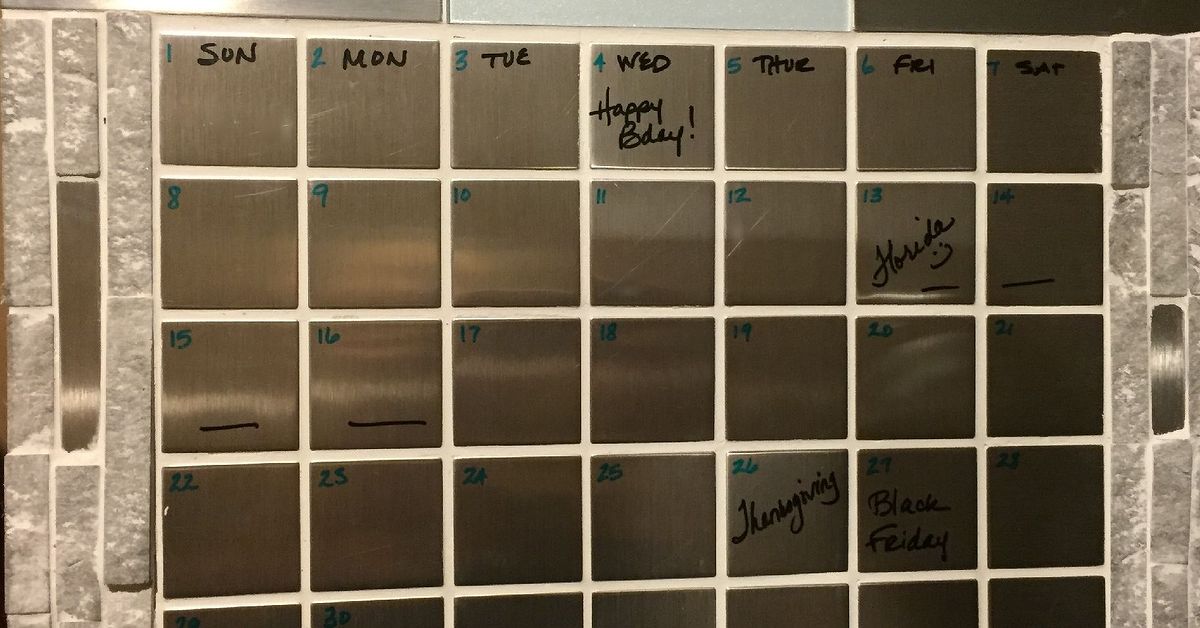
Every home has a mysterious place where permission slips, grocery lists, receipts, keys, school calendars, and one lonely sock seem to gather for a secret meeting. Usually, that place is the kitchen counter. Sometimes it is the fridge. Sometimes it is the dining table, which, despite its name, has not seen dinner since Tuesday. The good news? A stylish, practical family command center can bring order back to the daily chaosand marble, glass, and stone tiles can make it look like a design decision instead of a rescue mission.
This project gives leftover tiles a fresh purpose. Instead of storing extra backsplash pieces in the garage until the year 2047, you can turn them into a beautiful wall station for calendars, mail, notes, keys, meal plans, school reminders, and weekly routines. Marble adds elegance, glass creates a wipeable writing surface, and stone tiles bring texture and durability. Together, they can transform a plain wall into the headquarters of your household.
The best part is that a tile-based family command center can be as simple or as custom as you want. You do not need a full renovation, a contractor on speed dial, or a budget that causes nervous blinking. You need a plan, the right wall, practical accessories, and a clear idea of how your family actually moves through the day.
What Is a Family Command Center?
A family command center is a dedicated home organization zone where the most important daily information lives. Think of it as the air traffic control tower for your householdminus the headset, blinking runway lights, and dramatic radio voice. It keeps schedules, paperwork, tasks, keys, mail, and reminders in one visible place so everyone knows what is happening and what needs to happen next.
Most command centers include a calendar, a note area, a mail sorter, hooks, folders, a meal planning section, and storage for pens or markers. The exact setup depends on your home. A family with young kids may need homework bins and chore charts. A couple may prefer a shared calendar, bill folder, and key hooks. A busy multigenerational household may need color-coded zones so nobody accidentally takes Grandma’s dentist reminder to soccer practice.
Why Use Marble, Glass, or Stone Tiles?
Tiles are not just for backsplashes and bathrooms. Marble, glass, and stone tiles are durable, attractive, and easy to clean, which makes them surprisingly useful for a home command center. A tiled wall panel can protect the surface behind hooks and baskets, create a wipeable writing zone, and add a polished look to an area that might otherwise become visually messy.
Marble Tiles: Elegant and Timeless
Marble tiles bring instant sophistication. Even a small marble tile panel behind a wall calendar can make a family command center feel intentional and upscale. White marble with gray veining works beautifully in kitchens, mudrooms, hallways, and entryways. It pairs well with black hooks, brass clips, wood shelves, and acrylic organizers.
Because marble is a natural stone, it needs a little care. Use gentle cleaners, avoid acidic products, and consider sealing the stone if it will be exposed to stains, moisture, or frequent touching. Marble is the friend who looks fabulous at brunch but does not enjoy lemon juice spilled on its outfit.
Glass Tiles: Bright, Clean, and Wipeable
Glass tiles are ideal for a modern command center because they reflect light and visually open up a space. Smooth glass surfaces can also work well near dry-erase boards, glass calendars, or framed note panels. While small grout lines may interrupt writing directly across mosaic tiles, larger glass tiles or a framed glass panel can become a stylish memo board.
Glass also feels fresh in busy areas like kitchens and laundry rooms. It is easy to wipe, resists many stains, and adds a crisp finish without making the command center look too heavy.
Stone Tiles: Warm, Textured, and Practical
Stone tiles such as slate, travertine-look porcelain, limestone-look tile, or natural stacked stone can create a warm, earthy background. They work especially well in mudrooms, farmhouse kitchens, rustic entryways, and transitional homes. A stone tile command center feels less like an office board and more like a built-in feature.
For practical use, choose smoother stone or stone-look porcelain if the area will hold mail baskets, hooks, or writing surfaces. Highly textured stone looks beautiful, but it may be harder to clean and less friendly to adhesive accessories.
Best Places to Build a Tile Family Command Center
Location matters. A command center only works if people actually use it. If it lives in a forgotten corner behind the holiday wrapping paper, it becomes wall art with responsibilities. Choose a spot where your family naturally passes during the day.
Kitchen Wall
The kitchen is a classic location because everyone eventually wanders in looking for snacks, answers, or both. A tiled command center near the pantry, refrigerator, or breakfast area can hold the weekly menu, grocery list, family calendar, and school forms.
Mudroom or Entryway
If backpacks, jackets, keys, and shoes pile up near the door, the entryway is begging for a command center. Use stone tile behind hooks for extra wall protection. Add labeled baskets for each family member so loose items have a home that is not “somewhere under the bench.”
Hallway Nook
A narrow hallway can become useful with a vertical tile panel, a slim calendar, a mail slot, and a few hooks. This is great for small homes, apartments, and anyone who wants organization without giving up floor space.
Inside a Cabinet Door
If you prefer a hidden command center, use the inside of a kitchen cabinet door for lists, measurement charts, coupons, or meal planning notes. A glass panel, adhesive pocket, or lightweight tile-look sheet can make the space functional without changing the room’s appearance.
How to Design a Tile-Based Family Command Center
Before you attach anything to the wall, decide what problems you want to solve. A beautiful command center that does not match your family’s routine will become another decorative object you dust while wondering where the soccer schedule went.
Step 1: List Your Daily Pain Points
Ask what gets lost most often. Keys? Permission slips? Bills? Meal plans? Library books? The dog’s medication reminder? Once you know the pain points, design around them. For example, if mail is the issue, include vertical wall pockets. If mornings are chaotic, add a checklist for backpacks, lunches, water bottles, and after-school items.
Step 2: Choose the Tile Style
Select tile that fits your home and your cleaning habits. Marble looks high-end, but it needs gentle care. Glass is sleek and easy to wipe. Stone adds character but can be more textured. Peel-and-stick tile may work well for renters or low-commitment projects, while traditional tile offers a more permanent finish.
Step 3: Create Zones
A strong family command center usually has zones. Try dividing the wall into sections: calendar, messages, mail, keys, chores, and supplies. If you have kids, assign each child a folder or basket. If adults share household tasks, use a weekly “who’s doing what” board to prevent the classic sentence, “I thought you were handling that.”
Step 4: Add Functional Accessories
Hooks, clips, bins, shelves, cork strips, magnetic boards, dry-erase boards, and wall pockets can turn tile into a working system. Use sturdy hardware when mounting heavier accessories. Adhesive hooks may be fine for lightweight keys or notes, but they are not meant to hold a backpack full of textbooks, snacks, and mysterious rocks collected at recess.
Creative Tile Command Center Ideas
1. Marble Tile Calendar Wall
Install a small marble tile panel and mount a clear acrylic monthly calendar over it. The marble becomes the elegant background, while the calendar keeps track of appointments, school events, birthdays, and trash pickup daythe holiday nobody celebrates but everyone notices when forgotten.
2. Glass Tile Message Station
Use glass tiles as a bright backsplash behind a framed glass memo board. Add dry-erase markers in a small cup or wall-mounted holder. This setup is great for grocery lists, quick reminders, dinner notes, and motivational messages like “We are out of cereal again, please send help.”
3. Stone Tile Mudroom Hub
Create a stone tile accent panel above a bench or shoe area. Add hooks for jackets, a shelf for sunglasses, and labeled bins for each family member. The tile protects the wall and gives the mudroom a finished, custom look.
4. Mosaic Tile Mail Drop
Use leftover mosaic tile to frame a small mail organizer. Add labels such as “To Pay,” “To File,” and “School.” This keeps paper from spreading across the counter like a highly organized but deeply annoying paper glacier.
5. Peel-and-Stick Tile Command Center for Renters
For renters, peel-and-stick tiles can create a temporary command center backdrop. Choose a smooth wall, clean it thoroughly, and follow the manufacturer’s instructions. Keep accessories lightweight and removable. This gives you the style of a built-in station without making your landlord develop a new facial expression.
Practical Tips for Installation
For permanent tile, prepare the wall carefully. The surface should be clean, dry, level, and structurally sound. Plan your layout before applying adhesive so cuts and edges look balanced. If you are not comfortable cutting tile or working around outlets, consider hiring a professional for that part of the job.
For peel-and-stick tile, surface prep is everything. Dust, grease, old paint texture, and moisture can affect adhesion. Clean the wall, let it dry completely, and use a level to keep rows straight. Start with a small test area if you are unsure how the product will behave on your wall.
For accessories, think about weight. Mail pockets, hooks, and shelves should be attached according to their load rating. When mounting over tile, use the correct drill bit and anchors. If you are not experienced drilling through tile, practice on a spare piece or ask for help. Cracked tile is not the design statement we are chasing.
How to Keep a Tile Command Center Clean
A family command center should be easy to maintain. Glass and glazed tile can usually be wiped with gentle cleaners and a soft cloth. Natural stone should be cleaned with pH-neutral products. Avoid abrasive pads, harsh chemicals, and acidic cleaners on marble or stone because they can dull or damage the finish.
Grout also deserves attention. Use a soft brush and mild cleaner when needed. If your command center is near the kitchen, grease and fingerprints may build up faster than expected. A quick weekly wipe keeps everything looking fresh and prevents the station from becoming “organized chaos, but shiny.”
How to Make the Command Center Actually Work
The secret is not the tile. The tile makes it beautiful. The system makes it useful. Keep the layout simple enough that everyone can follow it. Too many bins, labels, charts, clips, and boards can turn the command center into a tiny administrative department.
Use clear labels. Place items at the right height for the people who use them. Kids should be able to reach their chore cards or homework folders. Adults should have a spot for keys, mail, and bills. Keep markers and pens nearby, because a calendar without a marker is just a wall decoration with squares.
Build a five-minute reset into your daily routine. Each evening, check the calendar, sort papers, update the meal plan, and place tomorrow’s essentials where they belong. This small habit keeps the system from collapsing under the weight of real life.
Budget-Friendly Ways to Use Leftover Tiles
You do not need enough tile to cover a whole wall. Small quantities can still make a big impact. Use marble tile as a border around a corkboard. Use glass tile behind a key station. Use stone tile as a narrow vertical strip in a hallway. Mix tiles with wood, metal, or painted surfaces for a custom look.
Check your garage, ask a neighbor, visit a local tile store’s clearance section, or look for small sample pieces. Many command centers only need a few square feet of material. That means even premium tile can become affordable when used as an accent instead of a full-room installation.
Common Mistakes to Avoid
Making It Too Complicated
If the system requires a training manual, nobody will use it. Keep categories simple: calendar, mail, keys, tasks, and notes.
Choosing the Wrong Surface
Highly textured stone may look stunning, but it can make cleaning and mounting accessories more difficult. Choose the tile based on both appearance and function.
Skipping Wall Prep
Whether using adhesive tile or traditional installation, a dirty or uneven wall can cause problems. Preparation is boring, but so is watching your beautiful tile panel slowly detach itself from the wall.
Ignoring Family Habits
If your family drops keys by the door, do not put the key hooks in the laundry room. Design for what people already do, then gently guide the routine toward something better.
Experience Notes: What This Project Feels Like in Real Life
After living with a family command center, the biggest surprise is not how pretty it looksit is how much mental clutter disappears. Before the system exists, information floats around the house in random places. A dentist reminder may be on the fridge, the grocery list may be in someone’s phone, the school form may be under a backpack, and the spare key may be enjoying a secret vacation in a jacket pocket. Once everything has a visible home, the household rhythm changes.
Using marble, glass, or stone tiles adds a sense of permanence. A plain corkboard can feel temporary, but a tiled command center feels like part of the home. That matters because people are more likely to respect a system that looks intentional. When the wall looks polished, family members are less tempted to tape random papers everywhere like they are decorating for a paperwork parade.
Glass is especially satisfying for quick notes. A smooth glass board or framed glass panel wipes clean easily and makes reminders feel less messy. It is perfect for weekly dinner plans, grocery needs, and short messages. The only trick is choosing markers that show up clearly against the background. Dark glass may need bright markers, while clear glass over a patterned background can make writing harder to read. Simple backgrounds usually work best.
Marble brings beauty, but it also teaches patience. It is not the surface for harsh cleaners or careless spills. If the command center is in a busy kitchen, marble works best as a decorative backdrop rather than the main writing surface. Pair it with a mounted calendar, acrylic board, or wood shelf so the marble gets to be elegant without doing all the dirty work.
Stone tile feels sturdy and forgiving, especially near an entryway. It handles the visual weight of hooks, bags, hats, and baskets. A stone tile mudroom station can make everyday mess look more contained, which is a small miracle. However, smoother stone or stone-look porcelain is usually easier to maintain than rough stacked stone if kids, pets, and muddy seasons are involved.
The best real-life advice is to start smaller than your imagination wants to go. It is easy to dream up a command center with twelve folders, three calendars, color-coded bins, a charging dock, inspirational quotes, and a tiny bell for family announcements. But the most useful version is often simple: one calendar, one mail sorter, one note area, a few hooks, and a reset routine. Build the habit first. Add features later if the family actually needs them.
A tile family command center is not just a DIY project. It is a household agreement. It says, “This is where our important stuff goes.” When it works, mornings feel less frantic, counters stay clearer, and fewer people yell, “Has anyone seen my keys?” from three rooms away. That alone may be worth the tile adhesive.
Conclusion
Giving marble, glass, and stone tiles a new purpose as a family command center is a smart blend of design and daily function. It turns leftover or accent tile into something useful, beautiful, and personal. Whether you create a marble calendar wall, a glass message station, a stone mudroom hub, or a renter-friendly peel-and-stick setup, the goal is the same: make everyday life easier to manage.
The most successful command centers are not the most complicated. They are the ones that match real family habits, keep important information visible, and make organization feel natural. With the right tile, thoughtful zones, and a simple routine, your command center can become the place where schedules, keys, mail, meals, and reminders finally stop wandering around the house unsupervised.