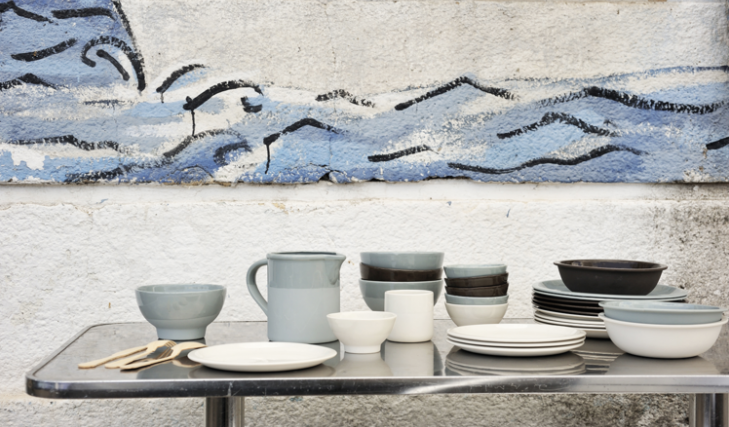
Some tableware arrives with a loud personality: gold rims, dramatic florals, plates that look as if they expect applause before the salad course. Then there is Cantine tableware from Jars Céramistes, the French ceramic collection that takes a quieter, smarter route. It has color, charm, and a wink of vintage nostalgia, but it still behaves like a practical everyday set. In other words, it looks like it belongs in a sunlit Provençal kitchen, yet it will not panic when Tuesday leftovers meet the microwave.
The appeal of Cantine is right there in the phrase “new French basics.” These are not fussy heirloom pieces locked away for holidays. They are plates, bowls, mugs, and pitchers designed for real meals: toast with too much butter, tomato pasta eaten directly from a generous bowl, weekend coffee that slowly becomes brunch. Made by Jars Céramistes, a French ceramics house with roots dating back to 1857, the Cantine collection blends artisanal stoneware, cheerful glazes, and modern durability in a way that feels both relaxed and refined.
What Is Cantine Tableware from Jars Céramistes?
The Cantine collection is a line of French ceramic tableware inspired by the easygoing spirit of vintage canteen dishes and mid-century everyday dinnerware. Instead of polished perfection, it celebrates approachable shapes, soft colors, and the handmade character that makes every piece feel slightly personal.
Jars Céramistes describes Cantine as simple, playful, and full of everyday elegance. The pieces are handcrafted in the Drôme region of France using high-fired stoneware and glossy colored glazes. That matters because stoneware is known for strength and density, making it a sensible choice for daily dinnerware rather than a “look but don’t touch” purchase.
A French Collection with a 1950s Spirit
Cantine has often been admired for its updated 1950s French dinnerware feeling. The forms are familiar without being boring: rounded plates, useful bowls, unfussy mugs, and a pitcher that looks ready for water, lemonade, or one suspiciously elegant bouquet of grocery-store flowers. The collection’s magic comes from the balance between old-school simplicity and contemporary color.
The two-tone look is especially important. Many Cantine pieces combine glazed interiors with partially glazed exteriors, creating a contrast between shine and raw ceramic texture. It is the kind of detail that makes a bowl interesting even when it is holding oatmeal, which is not an easy job.
Why Jars Céramistes Has Such a Strong Design Reputation
Jars Céramistes is not a trend-chasing brand that appeared last week with a minimalist logo and a suspicious number of beige product photos. The company was founded in France in 1857 and is known for handmade ceramic tableware produced in the South of France. Its work centers on natural materials, expressive glazes, and a philosophy that combines beauty with usefulness.
That heritage gives Cantine more depth than a typical mass-produced dinnerware set. The pieces are made to feel alive: slightly varied, tactile, and full of small visual shifts. A glaze may pool more deeply at an edge. A color may appear warmer in morning light and cooler at dinner. These are not flaws; they are the ceramic equivalent of good freckles.
The EPV Connection and French Craftsmanship
Jars Céramistes has also been associated with the French Entreprise du Patrimoine Vivant recognition, often called the Living Heritage Company label. This designation highlights companies with exceptional craftsmanship and industrial or artisanal know-how. For shoppers, that means the brand is not merely selling “French style”; it is tied to a real tradition of French making.
In a home market crowded with imitation farmhouse plates and generic “European-inspired” ceramics, that distinction matters. Cantine carries the relaxed mood people often want from French interiors: practical, unfussy, textural, and just stylish enough to make a peanut butter sandwich feel like lunch in a design magazine.
The Cantine Color Palette: Soft, Earthy, and Easy to Mix
Color is where Cantine tableware becomes especially lovable. The collection commonly appears in shades such as Craie, Gris Oxyde, Terre Cuite, and Rose Buvard. These names sound better than “white,” “gray,” “terracotta,” and “pink,” because French has a talent for making even dish colors feel like poetry.
Craie brings a chalky, clean brightness that works as a neutral base. Gris Oxyde adds a smoky gray note that feels modern but not cold. Terre Cuite brings the warmth of terracotta, perfect for rustic meals, roasted vegetables, and anything involving olive oil. Rose Buvard offers a soft pink tone that reads gentle rather than sugary.
Why the Colors Work in American Homes
For American kitchens, Cantine’s palette is flexible because it does not demand a complete lifestyle makeover. You do not need limestone floors, copper pans, or a French bulldog named Marcel. These pieces work with white cabinets, butcher-block counters, open shelving, farmhouse tables, modern apartments, and even rental kitchens where the lighting is doing its absolute best.
The colors are also mix-and-match friendly. A full set in one shade looks calm and cohesive, while a mixed set feels collected over time. Try Craie dinner plates with Rose Buvard bowls for a softer breakfast table, or Gris Oxyde plates with Terre Cuite pasta bowls for a moodier, bistro-style dinner.
Design Details That Make Cantine Feel Special
The best everyday objects usually have one thing in common: they do not scream for attention, but you notice when they are missing. Cantine tableware succeeds because its design details are subtle but useful.
1. The Two-Tone Finish
The contrast between glossy glaze and more natural ceramic texture gives Cantine its signature look. This mix of refined and rustic surfaces keeps the pieces from feeling too formal. A shiny interior is practical for food service and cleaning, while the exterior texture adds warmth and grip.
2. The Handmade Character
Handcrafted stoneware does not look stamped out of a machine. Slight variations in glaze, shape, and finish make each piece feel individual. That is especially appealing for people who want their homes to look lived-in, not staged for a catalog where no one has ever spilled coffee.
3. The Everyday Shapes
Cantine is not trying to reinvent the plate. It focuses on useful forms: plates for meals, cereal bowls for breakfast or soup, pasta bowls for weeknight dinners, mugs for coffee, and pitchers for serving. The shapes are simple enough to use daily but attractive enough for guests.
How to Use Cantine Tableware at Home
One of the reasons Cantine works so well is that it fits into real routines. It does not require a formal dining room or a dramatic tablescape. You can build a collection slowly and still enjoy it from the first piece.
Start with Bowls
If you are not ready to buy a full dinnerware set, start with bowls. Cantine cereal bowls and pasta bowls are versatile workhorses. Use them for yogurt, soup, noodles, grain bowls, ice cream, or the emergency dinner known as “whatever is left in the fridge plus an egg.” Their depth and casual shape make them easy to reach for every day.
Add Plates in One or Two Colors
For a more complete table, choose dinner plates and side plates in one main color. Craie is the safest foundation because it works with almost everything. For more personality, add Terre Cuite or Rose Buvard as accent pieces. The mix feels intentional without becoming chaotic.
Use the Pitcher Beyond Drinks
The Cantine pitcher is not just for water. It can hold iced tea, sangria-style fruit drinks, pancake syrup for brunch, or fresh flowers. A ceramic pitcher on a counter gives a kitchen instant warmth. It says, “I cook,” even when dinner is takeout arranged beautifully on French stoneware.
Cantine and the Rise of Relaxed Luxury
Interior design has been moving away from cold perfection and toward objects with soul. People still want beauty, but they also want comfort, durability, and personality. Cantine tableware fits perfectly into this relaxed luxury movement. It is elegant, but not precious. Handmade, but not impractical. Colorful, but not loud.
This is why stoneware has remained popular among home cooks, stylists, and chefs. It photographs beautifully, holds up well in daily use, and adds texture to a table. Compared with ultra-thin porcelain or plain white restaurant plates, stoneware brings a more grounded feeling. It makes dinner look generous before anyone has taken a bite.
The French Art of Not Overdoing It
French style is often admired because it seems effortless. Of course, “effortless” usually takes effort, but Cantine makes the illusion easier. Place a Gris Oxyde plate on a linen napkin, add a roasted chicken, scatter a few herbs, and suddenly the table looks styled. Not over-styled. Not “I spent four hours making napkin rings from seasonal twigs.” Just good.
Is Cantine Tableware Practical?
Yes, and that is part of its appeal. Cantine pieces are made from high-fired stoneware and are generally described as dishwasher- and microwave-safe. That practical performance is crucial because beautiful dinnerware that cannot survive normal life is basically a decorative hostage situation.
Still, handmade ceramics deserve basic care. Avoid extreme thermal shock, such as moving a very cold piece directly into high heat. Stack pieces gently, especially if you own multiple plates. Use non-abrasive cleaning tools when possible. These habits help preserve the glaze and keep the tableware looking good over time.
Who Should Buy Cantine?
Cantine is a strong choice for people who love French tableware, handmade ceramics, and casual entertaining. It is especially suited to anyone building a thoughtful home rather than chasing disposable trends. If you want dinnerware that looks stylish on open shelves and still works for leftovers, Cantine makes sense.
It may not be the best option for someone who wants perfectly identical pieces or extremely lightweight dinnerware. Stoneware has presence. That is part of the charm. It feels substantial in the hand, which makes a meal feel a little more grounded and a little less like eating from a prop.
How to Style a Table with Cantine
Styling Cantine tableware is refreshingly simple because the pieces already bring color and texture. The trick is to support the ceramics rather than compete with them.
For Breakfast
Use Rose Buvard bowls with simple glasses, a wooden board, and cloth napkins. Add croissants, jam, berries, or scrambled eggs. The soft pink tone gives the table warmth without feeling overly sweet.
For Weeknight Dinner
Choose Gris Oxyde plates with stainless steel flatware and a plain white tablecloth or bare wood table. Serve pasta, roasted fish, or a hearty salad. The gray creates contrast and makes colorful food stand out.
For Weekend Lunch
Mix Craie plates with Terre Cuite bowls and a Cantine pitcher filled with lemon water. Add a big salad, crusty bread, and something grilled. It creates that casual French lunch mood where everything looks relaxed, even if someone definitely forgot to buy dessert.
Why Cantine Feels Timeless Instead of Trendy
The danger with colorful tableware is that it can become dated quickly. Cantine avoids that trap by using colors rooted in natural materials: chalk, oxide gray, terracotta, and soft washed pink. These shades feel connected to clay, earth, plaster, and old walls. They are not neon trend colors begging for attention.
The forms are also timeless. Rounded plates and useful bowls do not expire. They can move from a rustic kitchen to a modern dining room without looking confused. That adaptability makes Cantine a smart investment for people who want pieces they can keep using even as their decor changes.
Buying Strategy: Build Slowly and Use Often
A full set of artisanal French tableware can be an investment, so the best strategy is to build slowly. Start with the pieces you will use most. For many households, that means pasta bowls, cereal bowls, and dinner plates. Add mugs if you love the shape and weight. Add the pitcher when you want a serving piece that doubles as decor.
Do not feel pressured to buy everything in matching sets of eight. Cantine actually looks wonderful when collected gradually. Two bowls in Rose Buvard, four plates in Craie, a pitcher in a neutral shade, and a few accent pieces can create a table that feels personal rather than showroom-perfect.
Experiences Related to Cantine Tableware from Jars Céramistes
The first experience people often have with Cantine tableware is visual. You see the soft glaze, the two-tone finish, the easy French shape, and your brain immediately begins planning a life where breakfast includes fresh bread and nobody checks email before coffee. That is the emotional power of good tableware. It does not just hold food; it suggests a rhythm.
In everyday use, Cantine feels most impressive when the meal is simple. A plain bowl of tomato soup looks deeper and warmer in a Terre Cuite bowl. Greek yogurt with honey feels calmer in Craie. Pasta with basil looks restaurant-ready against Gris Oxyde. The pieces do not need complicated food to shine. Actually, they make ordinary food look more intentional, which is helpful when dinner is assembled in twelve minutes and one of those minutes involved searching for the cheese grater.
Another enjoyable experience is mixing colors across meals. Some dinnerware collections punish creativity because every piece looks best only with its identical siblings. Cantine is more forgiving. A mixed table looks natural, almost as if each piece was discovered on a different trip through France. You can set a table with alternating shades and still keep the overall mood calm because the palette is muted and earthy.
Guests tend to notice handmade ceramics in a quiet way. They may pick up a bowl and comment on the weight, the glaze, or the color. This makes Cantine useful for entertaining because it creates atmosphere before the food arrives. The table feels thoughtful without becoming intimidating. Nobody worries about using the wrong fork. Nobody whispers, “Are these plates too fancy for pizza?” They are not. In fact, pizza on French stoneware is a very persuasive argument for international cooperation.
For people who enjoy open shelving, Cantine also becomes part of the kitchen decor. Stacks of plates in Craie or Gris Oxyde look clean and architectural. A few Rose Buvard bowls add softness. A Terre Cuite piece brings warmth, especially in kitchens with white tile or stainless steel appliances. The collection makes storage look styled, which is a small domestic miracle.
There is also a slower, more personal pleasure in using objects made with visible craft. In a world full of disposable kitchen goods, handmade stoneware encourages a different relationship with daily routines. You rinse the bowl, stack the plate, pour coffee into the mug, and the object feels present. Not precious, exactly, but worthy of attention. That is the real charm of Cantine: it turns the basic acts of eating and serving into tiny design moments.
Over time, Cantine tableware can become the kind of collection that gathers memories. The pasta bowl used for a first dinner party. The mug that becomes the morning favorite. The pitcher that starts as a water jug and somehow becomes the official vase for every bunch of tulips. These experiences are not dramatic, but they are the reason people love good tableware. It quietly participates in life.
Conclusion
New French Basics: Cantine Tableware from Jars Céramistes is more than a pretty collection of plates and bowls. It is a reminder that everyday objects can be practical, durable, and full of personality at the same time. With handcrafted French stoneware, soft vintage-inspired colors, and a design language that feels relaxed but refined, Cantine brings a little French ease to daily meals.
Whether you start with one cereal bowl or build a full table setting, Cantine rewards regular use. It looks beautiful on open shelves, performs well for everyday dining, and makes even simple meals feel considered. That is the best kind of design: not the kind that waits for special occasions, but the kind that makes ordinary ones feel special.
Note: This article is written for web publication and is based on real product, design, and tableware information about Jars Céramistes and the Cantine collection.