A toothbrush is an ordinary objectuntil a teenager has been given only a few minutes to pack her life and has forgotten one. A clean blanket is simply beddinguntil she is expected to sleep in a strange room after one of the most confusing days she has ever experienced.
That understanding is at the heart of foster mom Brittany Burcham’s welcoming routine. The Birmingham, Alabama, caregiver became widely known after sharing how she prepares her home for teenage girls arriving through emergency foster-care placements. Her approach is not built around grand speeches, expensive gifts, or a bedroom that looks ready for a magazine photographer. It is built around dignity, comfort, privacy, and small choices.
Burcham’s story became popular because it answers a difficult question with refreshing practicality: How can a caregiver help a frightened young person feel at home when neither of them knows how long the placement will last?
A First Night That Begins With Dignity
Burcham became a licensed emergency foster parent in 2019 and began caring primarily for girls and teenagers. Emergency placements may involve children who have just entered state custody, are moving between foster homes, or need temporary care while professionals search for relatives or a longer-term placement. In her first years of fostering, she welcomed dozens of young people into her home.
Many arrived suddenly, carrying whatever they had managed to gather in plastic garbage bags. Instead of treating that sight as an unavoidable part of the system, Burcham responded immediately. She gave each girl a durable duffel bag that belonged to her and could travel with her when she left.
The gesture was simple, but the message was unmistakable: Your belongings are not garbage, and neither are you.
Organizations such as Comfort Cases and Day 1 Bags have highlighted the same dignity issue, providing backpacks, duffel bags, comfort items, and personal-care products so children do not have to move through foster care with their possessions in trash bags.
The Welcome Basket
Before a new placement arrives, Burcham prepares a basket containing items a teenager might need but feel uncomfortable requesting. Depending on the child, it may include soap, lotion, a toothbrush, deodorant, a hairbrush, fuzzy socks, a journal, a pen, and a soft blanket. She also keeps additional clothing, underwear, razors, menstrual products, and hair-care products suitable for different hair types and textures.
This is not a gift basket in the hotel-lobby sense, although Burcham’s professional background in hospitality helped inspire the idea. It is a quiet collection of answers to questions a new arrival may be too overwhelmed to ask: Where can I wash my face? Is there a clean towel? What happens if I need a period product? Am I allowed to use this blanket?
By placing these essentials within reach, a caregiver removes several potentially embarrassing conversations from an already stressful evening. No teenager should have to conduct a nervous scavenger hunt for toothpaste while pretending everything is fine.
A Meal Without an Interrogation
After a girl arrives, Burcham often suggests getting something to eat at a casual restaurant. A familiar menu and public setting can make the first conversation feel less intense than sitting face-to-face at a dining table in an unfamiliar house.
They might talk about school, television, friends, music, dream jobs, or ridiculous hypothetical superpowers. Burcham has explained that she allows the young person to decide whether to discuss foster care or the circumstances surrounding the placement. She does not treat the first meal like an intake interview with french fries.
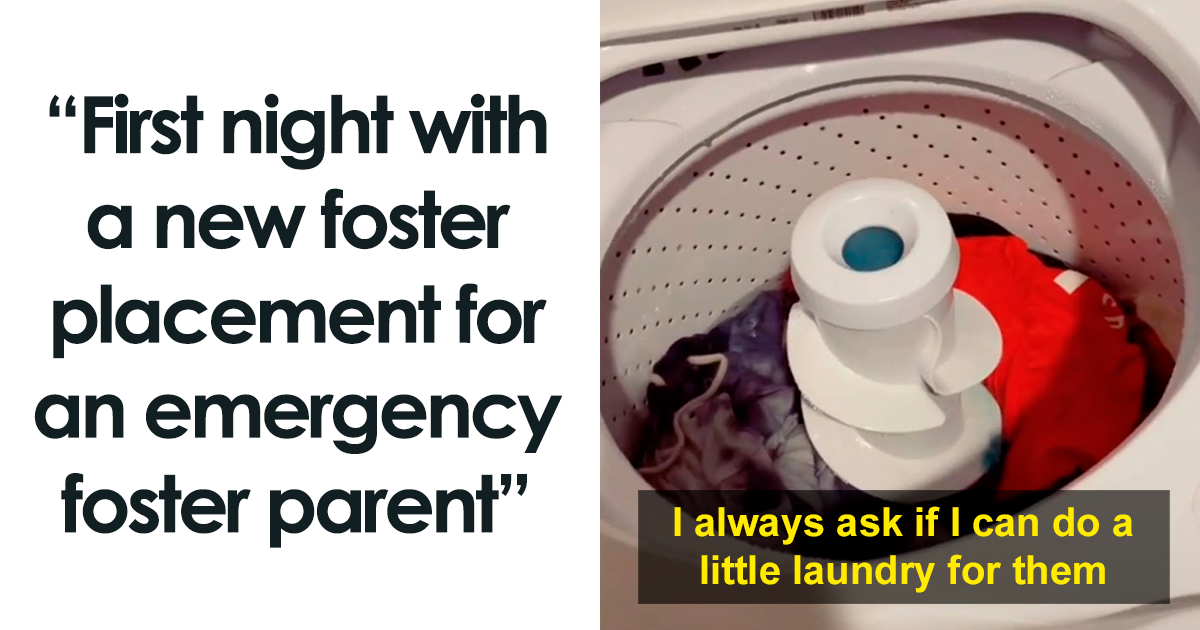
Back at home, she offers to wash any dirty clothing, provides a basic tour, and shows the teenager where useful items are kept. Night-lights, extra blankets, medicine for common minor discomforts, games, snacks, and background television are available because different young people calm themselves in different ways.
Why These Small Details Matter So Much
Entering foster care is not an ordinary change of address. A young person may be separated from parents, siblings, pets, friends, familiar routines, and personal possessions with little warning. Even when removal is necessary for safety, the experience itself can still involve grief, uncertainty, and fear.
The American Academy of Pediatrics explains that children who have experienced trauma may remain unusually alert to possible threats. They may have difficulty depending on adults, react strongly to situations that seem minor, or push caregivers away while simultaneously needing reassurance. Predictable routines, simple choices, calm responses, patience, and consistent care can help rebuild trust over time.
A Basket Communicates, “You Were Expected”
A prepared basket tells a child that her arrival is not an inconvenience that has thrown the household into chaos. Someone made room for her before she crossed the doorway.
That does not mean the caregiver should pretend the situation is cheerful. The young person may be angry, numb, exhausted, embarrassed, or worried about family members. A welcome can acknowledge those feelings without demanding an enthusiastic response. The basket is offered without strings attached. No smile, hug, thank-you speech, or sudden emotional bond is required.
Choices Return a Little Control
Trauma frequently involves a loss of control. Trauma-informed care therefore emphasizes physical and psychological safety, honesty, collaboration, empowerment, and meaningful choice. In a foster home, those principles can appear in wonderfully unglamorous questions: Would you prefer the blue towel or the green one? Do you want to eat now or after you shower? Would you like the bedroom door open or closed?
No one is suggesting that a teenager should choose whether the household pays its electric bill. The goal is to offer appropriate control over personal matters. Small decisions can help a young person move from feeling managed to feeling respected.
Routines Make Tomorrow Less Mysterious
Children coping with major change often benefit from predictable mealtimes, bedtime routines, and household expectations. Routines provide information about what will happen next, reducing the need to remain constantly alert for surprises. Child-development and foster-care resources consistently recommend structure that is calm and flexible rather than rigid or punitive.
A caregiver might explain that breakfast is available at 7:00, the bathroom can be used whenever needed, snacks are in a particular drawer, and no one will enter the child’s bedroom without knocking. These sentences sound basic. To someone who has lived through instability, they can feel like a map.
How Foster Parents Can Help a Child Feel at Home
Prepare Flexible Essentials, Not a Fixed Personality
Stock practical items in multiple sizes and choose products that reflect different cultural and personal needs. Hair products should work for varied textures. Toiletries should not all have strong fragrances. Clothing should include neutral options rather than assuming every girl wants pink pajamas decorated with glittering unicorns.
A foster room can be warm without deciding who the child is before meeting her. Leave space for photographs, posters, books, keepsakes, or decorations she selects herself. A room that can change communicates more respect than a perfectly styled room that feels like someone else’s idea of childhood.
Explain the House Without Delivering a Lecture
On the first evening, explain immediate information in plain language: where the bathroom is, how the shower works, where food is stored, which towels are available, whether pets enter the bedroom, and what time everyone usually wakes up.
A complete rulebook can wait. A teenager who has just experienced a major transition is unlikely to retain a 37-minute presentation about recycling, Wi-Fi passwords, dishwasher geometry, and the household’s controversial sock-sorting system.
Make Food Easy to Access
Some young people who have experienced neglect or food insecurity may hide food, eat quickly, save snacks, or repeatedly ask when the next meal will occur. Instead of responding with shame, caregivers can make appropriate food reliably available and explain clearly when meals and snacks happen.
A dedicated snack basket or refrigerator shelf can reduce uncertainty. Asking about allergies, cultural foods, favorite meals, and disliked ingredients also gives the child useful control. “What do you like to eat?” is often a kinder opening question than “Why are you here?”
Protect Privacy and Personal Space
Knock before entering. Ask permission before washing, moving, or discarding belongings. Explain who will receive information about the placement and why. Do not pressure a child to tell her story to curious relatives, neighbors, or social media followers.
Foster parents are expected to protect confidential information about children and their birth families. Public storytelling should never come at the expense of a young person’s safety, dignity, or control over her own history. Official guidance also recommends strict safeguards around identifying information, photographs, school details, and social-media activity.
Respect Existing Family and Cultural Connections
Helping a child feel welcome does not require erasing the people and traditions she already loves. When it is safe and permitted, maintaining relationships with parents, siblings, relatives, friends, schools, communities, and cultural traditions can preserve identity and reduce feelings of abandonment.
Caregivers can ask how the child celebrates holidays, styles her hair, practices her faith, connects with relatives, or marks important family occasions. Casey Family Programs notes that meaningful family time can preserve attachment, culture, community ties, and a sense of belonging.
See Behavior as Communication
A child may appear polite and quiet during the first days, then become argumentative after beginning to feel safer. She may test whether rules suddenly change, whether adults leave when frustrated, or whether affection disappears after a mistake.
This does not mean caregivers must accept harmful behavior. It means correction can be firm without being humiliating. Calm limits, natural consequences, emotional vocabulary, and professional support are generally more constructive than yelling, threats, or physical punishment. Trust grows through repeated experiences of adults remaining regulated, truthful, and available.
What Caregivers Should Avoid
Good intentions can become pressure when adults expect a child to act grateful, affectionate, or instantly comfortable. A neatly prepared bedroom does not cancel grief. A restaurant meal does not make a stranger feel like family before dessert arrives.
Caregivers should avoid forcing disclosures, criticizing birth relatives, promising a permanent outcome they cannot guarantee, or describing the placement as a rescue story. Foster care is often designed to support reunification when that can occur safely. Foster parents are part of a larger team, not competitors auditioning to replace a child’s family.
It is also wise to avoid taking rejection personally. A teenager who declines a hug, stays in her room, or answers every question with “I don’t know” may be protecting herself rather than rejecting the caregiver. Connection cannot be microwaved. It is more of a slow-cooker situation, except nobody receives a reliable timer.
The Bigger Lesson Behind Burcham’s Routine
Burcham’s story is moving because she does not confuse hospitality with performance. She notices practical moments in which the foster-care system may unintentionally strip away dignity, then changes what she can within her own home.
The duffel bag matters because belongings matter. The basket matters because bodily comfort matters. The casual meal matters because conversation should not feel like questioning. The laundry offer matters because clean clothing can restore a sense of normalcy. The available night-light matters because safety sometimes begins with being able to see the hallway.
A child may remember an extravagant outing, but she may also remember that an adult knocked before entering, kept a favorite snack in the cabinet, pronounced her name correctly, helped maintain contact with a sibling, or stayed calm when she expected anger.
Home is not created by declaring, “You are home now.” It is created by hundreds of experiences that gradually make those words believable.
Experience-Based Reflection: What the First Days May Feel Like
The following is a composite scenario informed by commonly reported foster-care experiences. It does not represent one identifiable child.
Imagine a 15-year-old named Maya arriving after dark. She has a phone with a nearly empty battery, two shirts, one pair of jeans, a makeup bag, and a photograph she kept hidden between folded clothes. Everything is packed in a black plastic bag tied at the top.
The foster parent opens the door and says hello. Maya studies the room before studying the person. She notices the dog, the staircase, two possible exits, and a family photograph on the wall. The adult may see a teenager standing silently. Maya may be trying to answer much larger questions: Am I safe? Who else lives here? Will they search my things? Can I call my sister? How long am I staying? What happens if I make a mistake?
Instead of demanding conversation, the caregiver shows her the bedroom and bathroom. There is a basket on the bed. The caregiver explains that everything in it belongs to Maya and that more supplies are available if she needs them. She is offered a duffel bag, but no one grabs the trash bag or starts unpacking it for her.
Maya chooses to keep her belongings beside the bed. That decision may look insignificant, yet it allows her to retain control over the few possessions she has with her.
At dinner, she says she is not hungry. Ten minutes later, she eats nearly everything. The caregiver does not comment on the contradiction. They discuss a television show, a teacher Maya likes, and whether pineapple belongs on pizza. Nobody asks her to explain the worst day of her life to a person she met 40 minutes ago.
That night, Maya cannot sleep. The house makes unfamiliar noises. She checks her phone repeatedly and wonders whether her younger brother knows where she is. At 1:00 a.m., she opens the bedroom door and sees that a hallway light has been left on.
The next morning, the caregiver explains the schedule again because stress made yesterday’s explanation difficult to remember. Maya learns where breakfast is kept and receives permission to take snacks without asking. She is told when the caseworker is expected to call and what the caregiver knowsand does not knowabout the next few days.
During the first week, Maya may be agreeable, withdrawn, sarcastic, tearful, restless, or all five before lunch. She may reject activities she later asks to join. She may complain about the food while worrying that there will not be enough tomorrow. She may keep the duffel bag packed because unpacking feels too much like trusting the placement to last.
A patient caregiver does not interpret every reaction as a verdict on the home. She keeps providing accurate information. She follows through on small promises. She knocks. She asks before touching Maya’s hair or belongings. She supports approved contact with family members. She corrects unsafe behavior without attacking Maya’s character.
Weeks later, Maya might place the photograph on the nightstand. She might leave a sweatshirt in a drawer instead of returning it to the duffel bag. Neither action is dramatic enough for a viral video, but both may indicate that her nervous system is beginning to believe she can rest.
That is how belonging often develops: not through one magical breakthrough, but through accumulated evidence that the adults, food, rules, and kindness will still be there tomorrow.
Conclusion
Brittany Burcham’s welcoming routine offers an important lesson for foster families and communities: making a young person feel at home begins with seeing what the experience feels like from her side of the doorway.
A basket of toiletries cannot remove grief. A duffel bag cannot solve every weakness in the foster-care system. A burger cannot guarantee trust. Yet each thoughtful action can reduce one layer of discomfort, restore one piece of dignity, and show a child that she is worthy of preparation and care.
The most welcoming foster homes are not necessarily the biggest, quietest, or most beautifully decorated. They are the homes in which children receive honest information, appropriate choices, cultural respect, predictable care, protected privacy, and permission to have complicated feelings.
Sometimes “You belong here” is spoken aloud. Sometimes it looks like clean pajamas, a stocked snack drawer, a closed bedroom door, and a real bag waiting to carry the things that matter.
Note: This article discusses publicly reported experiences and general trauma-informed practices. Foster parents should follow their licensing agency’s requirements, consult the child’s professional team, and protect every young person’s identity and privacy.