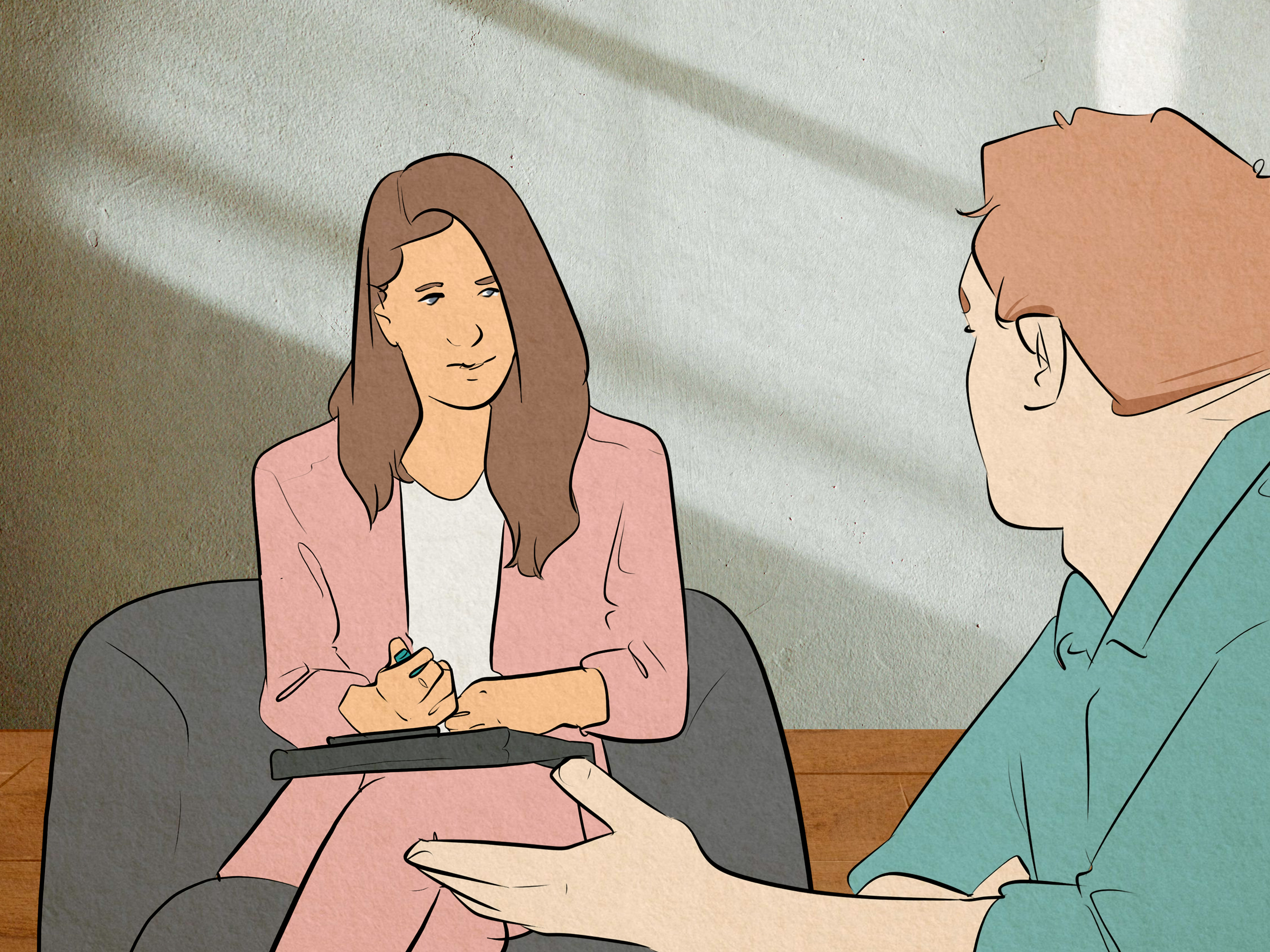
Receiving a diagnosis of metastatic small-cell lung cancer can feel like being dropped into a medical hurricane with a folder full of test results and a vocabulary list nobody warned you about. This guide explains what the diagnosis means, what treatment may involve, and how to begin caring for your mind, body, and daily life one step at a time.
Understanding Metastatic Small-Cell Lung Cancer
Small-cell lung cancer, often shortened to SCLC, is a fast-growing type of lung cancer. It is different from non-small cell lung cancer in the way the cells look under a microscope, how quickly it tends to spread, and how doctors usually treat it. When small-cell lung cancer is called metastatic, it means cancer cells have traveled beyond the place where they first started, often to the other lung, lymph nodes, liver, bones, adrenal glands, brain, or other parts of the body.
You may also hear the phrase extensive-stage small-cell lung cancer. For treatment planning, many doctors divide SCLC into two broad groups: limited stage and extensive stage. Limited-stage disease is generally contained enough that it may fit within one radiation treatment field. Extensive-stage disease has spread more widely. Metastatic small-cell lung cancer usually falls into this extensive-stage category.
None of those words are easy to hear. They sound clinical, cold, and a little like they were invented by someone who has never had to sit in a waiting room with sweaty palms. But understanding the language can give you back a little control. You do not have to become a lung cancer expert overnight, but knowing the basics can help you ask sharper questions and make decisions that fit your values.
Why the Diagnosis Can Feel So Overwhelming
Small-cell lung cancer is often diagnosed after it has already spread. That does not mean you missed something obvious or failed a secret health test. Early symptoms can be vague, quiet, or easy to mistake for common problems. A cough that lingers, shortness of breath, fatigue, chest discomfort, hoarseness, unexplained weight loss, coughing up blood, or repeated respiratory infections may not immediately scream “cancer.” Sometimes the body whispers before it yells.
When the diagnosis finally arrives, it may come with imaging scans, biopsy results, bloodwork, specialist appointments, and treatment recommendations all at once. Your brain may react by going blank. That is normal. Shock, fear, anger, sadness, numbness, and even oddly practical thoughts like “Who is going to water the plants?” can all show up in the same hour.
Coming to terms with metastatic SCLC does not mean pretending everything is fine. It means slowly learning how to live inside a reality you did not choose while still making room for care, comfort, humor, relationships, treatment, and hope that is honest rather than shiny and fake.
What Happens After Diagnosis?
After a diagnosis of metastatic small-cell lung cancer, your care team usually focuses on confirming the cancer type, mapping where it has spread, checking your overall health, and recommending a treatment plan. This process may include CT scans, PET scans, MRI of the brain, bone scans, blood tests, pulmonary function tests, and a biopsy or pathology review.
Questions Your Doctors Are Trying to Answer
Your oncology team is not just looking at “cancer” as one big category. They are trying to answer several practical questions:
- Is this definitely small-cell lung cancer?
- Where has it spread?
- Are there symptoms that need urgent relief?
- How strong are the heart, lungs, liver, kidneys, and bone marrow?
- Would chemotherapy, immunotherapy, radiation, or a clinical trial be appropriate?
- What matters most to you: more time, fewer symptoms, staying independent, attending an event, avoiding hospitalization, or all of the above?
That last question matters more than many people realize. Cancer care is medical, yes, but it is also personal. Two people can have the same diagnosis and choose different paths because their lives, priorities, side effects, support systems, and goals are different.
Treatment Options for Metastatic Small-Cell Lung Cancer
Treatment for metastatic small-cell lung cancer is usually not described as curative, but it can help shrink tumors, slow cancer growth, reduce symptoms, and help some people live longer. Your exact plan depends on your health, symptoms, prior treatments, test results, and preferences.
Chemotherapy and Immunotherapy
For many people with newly diagnosed extensive-stage SCLC, first-line treatment often includes a platinum-based chemotherapy drug, such as carboplatin or cisplatin, combined with etoposide and an immunotherapy medicine. Immunotherapy helps the immune system recognize and attack cancer cells more effectively. After the first several cycles, some patients continue immunotherapy as maintenance treatment if the cancer is controlled and side effects are manageable.
Side effects can include fatigue, nausea, lowered blood counts, infection risk, appetite changes, hair loss, skin changes, inflammation-related immune effects, and the general feeling that your calendar now belongs to the infusion center. The good news is that supportive medications and dose adjustments can make many side effects more manageable. Tell your team early. They cannot fix what they do not know about.
Radiation Therapy for Symptoms
Radiation may be used to relieve symptoms caused by tumors in specific areas, such as pain from bone metastases, breathing problems from a chest tumor, or symptoms related to brain metastases. Radiation can be very targeted, and the goal may be comfort, local control, or preventing a problem from getting worse.
Brain Metastases and Neurologic Symptoms
Small-cell lung cancer has a higher chance than some other cancers of spreading to the brain. If you develop headaches, confusion, balance problems, vision changes, seizures, weakness, or personality changes, call your care team promptly. These symptoms do not always mean brain metastases, but they deserve attention. Brain MRI is often used because it gives detailed information.
Second-Line and Newer Treatments
If cancer grows after first-line treatment, your team may discuss additional chemotherapy, newer immunotherapy-based options, targeted approaches being studied, or clinical trials. Some newer treatments are designed for extensive-stage SCLC after platinum-based chemotherapy has stopped working. Because the field is changing, it is worth asking whether there are updated approvals or trials that fit your situation.
Clinical Trials
A clinical trial is not a “last resort” in the dramatic movie sense. It is a research study that may offer access to promising treatments while helping doctors learn how to improve care. Trials have rules about who can join, so ask early. Even if one trial is not a match, another may be.
Coming to Terms Emotionally: No, You Do Not Have to Be “Positive” All the Time
One of the most exhausting myths about cancer is that patients must stay positive every minute, as if fear were a character flaw. It is not. You can be hopeful and scared. You can laugh at a terrible hospital parking situation and cry in the shower later. You can want treatment and also hate treatment. You are allowed to be a full human being, not a motivational poster with lab results.
Coming to terms with metastatic small-cell lung cancer may happen in layers. First comes the shock. Then the learning curve. Then the appointment rhythm. Then the emotional aftershocks that arrive when everyone else assumes you have “adjusted.” Give yourself permission to process this diagnosis at your own pace.
Helpful Ways to Cope
- Write down questions before appointments. Your brain may politely exit the room when the doctor starts explaining scan results.
- Bring a second set of ears. A trusted person can take notes, remember details, and ask the question you forgot.
- Ask for plain language. It is completely acceptable to say, “Can you explain that without medical shorthand?”
- Use support services early. Oncology social workers, counselors, support groups, financial navigators, and palliative care teams exist for a reason.
- Protect your attention. Online research can help, but endless scrolling at 2 a.m. rarely improves anyone’s immune system or mood.
The Role of Palliative Care
Palliative care is often misunderstood. It is not the same as giving up, and it is not only for the final days of life. Palliative care focuses on symptom relief, emotional support, treatment decision-making, and quality of life at any stage of a serious illness. It can be used alongside cancer treatment.
A palliative care team may help with shortness of breath, pain, fatigue, appetite problems, sleep issues, anxiety, depression, nausea, constipation, spiritual concerns, and family communication. Think of palliative care as an extra layer of support. Cancer treatment targets the disease; palliative care helps protect the person living with the disease.
If you are struggling with breathlessness, pain, panic, or overwhelming fatigue, do not wait until you are at your breaking point. Asking for symptom help is not complaining. It is smart maintenance. Even race cars need pit stops, and they do not have chemotherapy.
Talking With Family and Friends
Sharing the diagnosis can be one of the hardest parts. Some people will respond beautifully. Others may say strange things because panic has temporarily taken over their social skills. You may hear, “My neighbor had lung cancer and drank carrot juice,” or “Everything happens for a reason,” which is rarely comforting when your reason appears to be wearing a hospital bracelet.
It can help to decide what you want people to know and what you need from them. You do not owe everyone a full medical briefing. A short script may help:
“I have metastatic small-cell lung cancer. My doctors are recommending treatment to slow the cancer and manage symptoms. I may not always have energy to talk, but practical help with meals, rides, errands, or quiet company would mean a lot.”
People often say, “Let me know if you need anything,” because they mean well but do not know what to offer. Give them specific tasks. Ask one person to coordinate meals, another to handle appointment rides, another to update relatives, and another to sit with you during infusion. Delegation is not weakness. It is logistics with a cape.
Practical Steps for the First Few Weeks
The first few weeks after diagnosis can feel chaotic. A simple plan can reduce stress and help you move from panic mode to action mode.
Build a Cancer Binder or Digital Folder
Keep pathology reports, scan results, medication lists, appointment notes, insurance information, emergency contacts, and questions in one place. Whether it is a physical binder or a phone folder, the goal is the same: fewer frantic searches through random papers while wearing socks that do not match.
Make a Medication and Symptom List
Track medications, doses, side effects, temperature, pain, appetite, breathing changes, sleep, and mood. Bring this list to appointments. Patterns help your team adjust care.
Ask About Red-Flag Symptoms
Before treatment starts, ask your team which symptoms require an urgent call, same-day evaluation, or emergency care. These may include fever during chemotherapy, severe shortness of breath, chest pain, sudden confusion, uncontrolled vomiting, new weakness, severe headache, or signs of infection.
Discuss Work, Money, and Transportation
Cancer is not just a medical diagnosis; it is also a scheduling event, financial puzzle, and transportation challenge. Oncology social workers and patient navigators may help with insurance questions, disability paperwork, ride programs, co-pay assistance, and local resources.
Nutrition, Movement, and Daily Energy
There is no magic anti-cancer diet that can cure metastatic SCLC. Be cautious with anyone selling certainty in a bottle. Good nutrition during treatment is usually about maintaining strength, preventing unwanted weight loss, staying hydrated, and managing side effects.
If appetite is low, smaller meals may be easier than three large ones. Smoothies, soups, eggs, yogurt, nut butters, protein drinks, soft foods, and high-calorie snacks can help. If food tastes metallic, plastic utensils or cold foods may be easier. If nausea appears, tell your team; anti-nausea medications work best when used early.
Gentle movement, if approved by your doctor, may help with fatigue, mood, and stiffness. That might mean a short walk, stretching in a chair, or walking to the mailbox and declaring victory. This is not the season for comparing yourself to fitness influencers. Your body is doing serious work.
Hope, Realism, and Making Decisions
Hope after a metastatic small-cell lung cancer diagnosis may look different from the hope you had before. It may become more specific and more grounded. Hope for a good response to treatment. Hope for more comfortable breathing. Hope for meaningful time with family. Hope for a wedding, birthday, vacation, garden harvest, or quiet morning coffee that tastes like normal life.
Realism does not cancel hope. It helps shape it. Ask your oncologist what the goals of treatment are, what response would look like, how scans will be monitored, what side effects are expected, and what options may exist if the first plan stops working. Ask about advance care planning, too. That conversation is not a prediction of disaster; it is a way to make sure your wishes are known and respected.
Some people want every possible treatment. Others prioritize comfort and fewer hospital visits. Many people choose a path somewhere in between. There is no single “brave” choice. The brave choice is the one that is informed, honest, and aligned with your values.
Experiences: Living With the Diagnosis Day by Day
People often imagine that coming to terms with metastatic small-cell lung cancer happens in one dramatic moment, like a movie scene with rain on the window and swelling music. In real life, acceptance is usually less cinematic. It happens in tiny, ordinary moments: learning which parking garage is closest to oncology, figuring out which sweatshirt is best for infusion days, realizing that the nurse remembers how you take your coffee, or laughing because someone in the waiting room has the same wildly inappropriate sense of humor you do.
One common experience is the strange split between “cancer life” and “regular life.” In the morning, you may discuss scan results and blood counts. By afternoon, you may be deciding what to eat for dinner or whether the laundry can survive one more day in the basket. This contrast can feel surreal. Many patients describe it as living in two worlds: one filled with medical terms and another filled with bills, pets, family drama, text messages, and dishes. Both worlds are real.
Another experience is learning that help can be both comforting and uncomfortable. You may be used to being the dependable one, the driver, the planner, the person who remembers everyone’s birthday. Suddenly, people are offering rides and casseroles. Letting them help can feel awkward at first, especially if independence has always been part of your identity. But accepting help does not erase who you are. It simply allows your energy to go where it is needed most.
Many people also discover that their emotional needs change from day to day. One day you may want detailed information, statistics, treatment options, and a notebook full of questions. The next day, you may want everyone to stop saying the word “cancer” for ten minutes so you can watch a sitcom and pretend the biggest problem in life is a fictional character’s bad dating choices. Both reactions are valid. Rest is not denial. Distraction is not weakness. Sometimes the mind needs a snack break from reality.
Family conversations can be tender and messy. Loved ones may try to protect you by hiding their fear, while you may try to protect them by hiding yours. This creates a house full of people pretending to be fine, which is exhausting and not especially convincing. Honest but gentle conversations can help. You might say, “I do not need you to fix this. I just need you to sit with me.” That sentence alone can remove a surprising amount of pressure.
Some patients find meaning in small routines. A favorite blanket for treatment days. A playlist for the drive home. A shared calendar that reduces confusion. A weekly phone call with a friend who does not panic. A notebook titled “Things I Want to Ask” and another titled “Things That Still Make Me Smile.” These rituals may not change the diagnosis, but they can make the days feel less like a blur.
There may also be moments of unexpected clarity. People often become more direct about what matters. Old grudges may seem too heavy to carry. Time with loved ones may feel sharper, more precious, and sometimes more painful because it matters so much. Coming to terms with metastatic SCLC does not mean finding a silver lining in every dark cloud. Some clouds are simply dark. But it can mean noticing that even under those clouds, there are still conversations worth having, jokes worth laughing at, meals worth tasting, songs worth replaying, and people worth holding close.
Above all, your experience is yours. You do not have to perform cancer in a way that makes other people comfortable. You can ask for facts, ask for silence, ask for help, ask for privacy, ask for another opinion, ask for symptom relief, and ask for hope that does not insult your intelligence. Coming to terms with your diagnosis is not a single finish line. It is a daily practice of meeting yourself with honesty, patience, and as much kindness as you can manage.
Conclusion
Metastatic small-cell lung cancer is a serious diagnosis, and it can change life quickly. But you are not only a diagnosis, a scan, or a treatment schedule. You are a person with preferences, relationships, questions, fears, humor, history, and choices. Learning the language of SCLC, understanding treatment options, building a support system, and asking for symptom relief can help you face the road ahead with more steadiness.
You do not have to absorb everything at once. Start with the next appointment, the next question, the next meal, the next breath. Let your care team explain the medical pieces. Let trusted people help with the practical pieces. Let yourself feel what you feel without grading your emotions. Coming to terms with metastatic small-cell lung cancer is not about being fearless. It is about moving forward while carrying fear, hope, and humanity in the same hands.
Educational note: This article is for general information only and should not replace medical advice from your oncology team. Treatment decisions for metastatic small-cell lung cancer should be made with qualified healthcare professionals who know your full medical history.