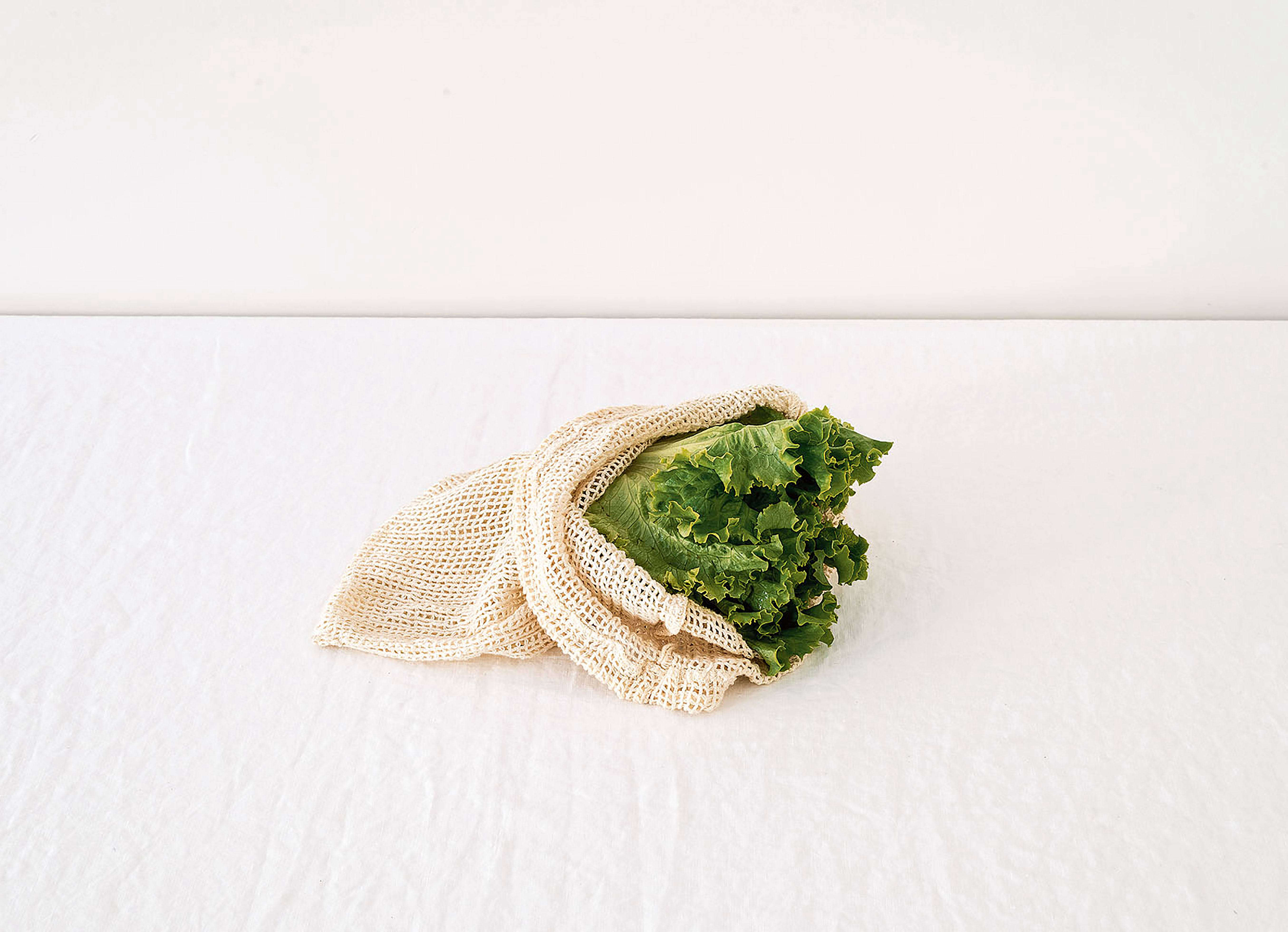
Some household upgrades announce themselves with fireworks. Others quietly sit in your grocery tote, waiting to make the produce aisle less wasteful, less chaotic, and slightly less “why did I use four plastic bags for three lemons?” Mesh reusable produce bags belong firmly in the second category. They are not glamorous. They will not make your tomatoes ripen faster or convince your avocado to stop being dramatic. But they can make everyday shopping cleaner, simpler, and more sustainable when used correctly.
At their best, mesh reusable produce bags replace the thin single-use plastic bags found near apples, herbs, onions, and leafy greens. They are lightweight, washable, breathable, and easy for cashiers to see through. Instead of bringing home a tiny plastic parachute for every bunch of bananas, you bring your own set of bags, use them again and again, and toss them in the wash when they need a reset.
But like most “eco-friendly” swaps, the magic is not in buying the product. The magic is in using it repeatedly. A reusable bag that sits in a drawer beside expired coupons and mystery batteries is not saving the planet; it is just having a very quiet retirement. This guide explains what mesh reusable produce bags are, how to choose the right ones, how to clean them, and how to make them part of a grocery routine that actually sticks.
What Are Mesh Reusable Produce Bags?
Mesh reusable produce bags are washable bags designed to hold fruits, vegetables, herbs, and sometimes bulk dry goods while shopping. Most are made from lightweight polyester, recycled polyester, nylon, organic cotton mesh, or cotton muslin. They usually close with a drawstring, cord lock, or simple tie. Many come in sets of three to twelve bags, often with different sizes for small items like garlic, medium items like apples, and larger produce like lettuce or potatoes.
The defining feature is the mesh. Unlike solid cloth bags, mesh bags allow airflow and visibility. That matters at checkout because the cashier can identify what is inside without opening every bag like a detective in a farmers market mystery. It also helps reduce trapped moisture, which is useful when carrying damp greens, herbs, or freshly misted vegetables home from the store.
Why Mesh Works So Well in the Produce Aisle
Produce bags have to do a surprisingly specific job. They need to be light enough that you are not paying extra for the bag weight, strong enough to hold several apples, transparent enough for checkout, and washable enough to handle dirt, moisture, and the occasional onion skin confetti explosion. Mesh hits that sweet spot. It is flexible, compact, and easy to stash in a purse, backpack, car console, or larger reusable grocery tote.
Compared with single-use produce bags, mesh reusable produce bags also feel better in the hand. They do not cling to your fingers, refuse to open, or turn into an invisible produce ghost when you are trying to bag cilantro. Anyone who has stood in the produce section rubbing a plastic bag between two fingers like they are trying to summon rain knows exactly what this means.
Why Switch to Mesh Reusable Produce Bags?
The biggest reason is simple: fewer disposable bags. U.S. environmental guidance consistently encourages reducing and reusing before recycling because the most effective waste is the waste you never create in the first place. Thin plastic produce bags are often used for only a few minutes, then thrown away or stuffed into another bag of bags under the sink, where they multiply in private.
Reusable produce bags help shoppers cut down on that habit. They are especially useful for people who buy fresh produce often, shop at farmers markets, meal prep, garden, or want a tidier refrigerator. They also make grocery unpacking easier because apples stay with apples, lemons do not roll under the car seat, and loose green beans stop staging tiny rebellions in the trunk.
There is one important sustainability caveat: reusable items only become truly useful when reused many times. Manufacturing any bag requires material, energy, transportation, and packaging. A drawer full of unused “green” products is still consumption. The smarter approach is to buy one practical set, use it until it looks proudly imperfect, wash it often, and resist the urge to collect more bags just because one has a leaf print and looks emotionally supportive.
Common Materials: Which Bag Should You Choose?
Recycled Polyester or rPET Mesh
Recycled polyester mesh bags are popular because they are lightweight, quick-drying, and often strong for their size. They usually offer excellent visibility, which makes checkout easier. They are also less bulky than cotton, so they fit neatly inside a larger shopping bag. The downside is that polyester is still a synthetic material, so buyers should prioritize durability, washing instructions, and long-term use rather than treating the bag as disposable.
Nylon Mesh
Nylon mesh is another lightweight, durable option. It can be very strong and compact, making it useful for heavier produce like citrus, onions, or potatoes. Like polyester, nylon dries quickly and tends to be easy to clean. The tradeoff is similar: it is synthetic, so the best environmental benefit comes from using it for years, not weeks.
Organic Cotton Mesh
Organic cotton mesh bags appeal to shoppers who prefer natural fibers. They feel soft, look charming, and work well for fruits, vegetables, and farmers market hauls. Cotton mesh is usually more breathable than solid cotton, but it can be heavier than synthetic mesh. It may also shrink if washed hot or dried aggressively, so check care instructions. Cotton bags can be excellent, but they need consistent reuse to balance their higher production footprint.
Cotton Muslin Bags
Muslin bags are not true mesh, but they often appear in reusable produce bag sets. They are better for bulk dry goods such as rice, beans, oats, nuts, coffee, or flour because the tighter weave keeps small items from escaping. However, muslin is less transparent, so it may slow checkout unless the store uses printed labels or you write the product number on a tag.
Features That Actually Matter
When shopping for mesh reusable produce bags, ignore the poetic product descriptions and focus on practical details. A good bag should be lightweight, washable, see-through, strong at the seams, and easy to close. If the bag has the tare weight printed on a tag, even better. Tare weight is the weight of the empty bag, and some stores can subtract it when weighing produce. Not every cashier or register system will do this, but having the information available is helpful.
Size variety is also important. Small bags are perfect for garlic, shallots, limes, and mushrooms. Medium bags work for apples, pears, carrots, peppers, and tomatoes. Large bags are best for lettuce, kale, potatoes, onions, or several ears of corn. A set with multiple sizes prevents the classic problem of putting two lemons in a bag large enough to hold a beach towel.
Look closely at closures. Drawstrings are common and simple, while cord locks are faster but may add a tiny bit of weight. Flat seams are more comfortable and less likely to snag. Reinforced stitching matters if you buy heavy produce. For very fine foods like lentils, quinoa, or small beans, choose muslin or fine-weave bags instead of open mesh.
How to Use Mesh Reusable Produce Bags at the Grocery Store
The easiest method is to keep your produce bags inside your regular reusable shopping tote. When you arrive at the produce aisle, pull out only what you need. Use one bag per produce type when items are priced differently. For example, do not mix organic apples, conventional apples, and pears in the same bag unless you enjoy creating a small accounting project at checkout.
For produce sold by quantity, such as lemons, avocados, or bunches of herbs, mesh bags make shopping simple. For produce sold by weight, choose the lightest practical bag and use the tare label if your store supports it. If not, the added weight is usually small, but shoppers who buy a lot of produce may prefer ultra-light synthetic mesh.
Keep produce bags away from raw meat, poultry, seafood, and their juices. Fresh fruits and vegetables are often eaten raw, so cross-contamination is a real concern. Use separate grocery bags for raw animal products, or place those items in store-provided protective bags if needed. Your mesh produce bag should not moonlight as a chicken package holder. It has one job, and it is not that.
Food Safety: Wash the Produce and the Bag
Reusable does not mean self-cleaning. Mesh reusable produce bags touch grocery carts, checkout belts, kitchen counters, refrigerator drawers, and produce that may carry soil or surface microbes. That is normal, but it means the bags need regular cleaning.
Wash mesh produce bags according to the care label. Many polyester, nylon, and cotton bags can be machine-washed in a laundry bag on a gentle cycle, then air-dried. Others should be hand-washed with warm water and mild soap. Dry them completely before storing. A damp bag sealed in a trunk is not an eco-friendly tool; it is a tiny spa day for bacteria.
Fresh produce should also be rinsed under running water before eating, cutting, or cooking unless it is labeled pre-washed or ready-to-eat. Do not use soap, bleach, or household detergent on fruits and vegetables. For firm produce like potatoes, carrots, melons, and cucumbers, a clean produce brush can help remove dirt. Drying produce after washing can also help reduce excess moisture before storage.
Can You Store Produce in Mesh Bags?
Sometimes, yes. Mesh reusable produce bags can be useful for short-term storage of produce that benefits from airflow, such as onions, garlic, potatoes, citrus, and some hardy fruits. They can also keep refrigerator drawers more organized when used for apples, peppers, or carrots.
However, mesh is not the perfect storage solution for everything. Leafy greens often last longer when stored with a little humidity, such as in a container or bag with a paper towel. Berries are delicate and may need a breathable container rather than a soft bag that lets them get crushed. Fresh herbs can wilt quickly if left in open mesh for too long. Think of mesh bags as excellent shopping tools and sometimes-useful storage helpers, not magical freshness force fields.
Best Uses for Mesh Reusable Produce Bags
Mesh bags shine with sturdy produce: apples, oranges, lemons, limes, potatoes, onions, carrots, zucchini, cucumbers, peppers, eggplants, and avocados. They are also great for farmers market shopping because they let vendors see what you are buying and make it easier to combine items without generating a pile of throwaway bags.
They are less ideal for flour, loose grains, tiny seeds, wet herbs, delicate berries, or anything powdery. For those items, use muslin, glass jars, paper bags, or containers approved by the store. If the mesh holes are larger than the food, the bag is not being reusable; it is being a sprinkler.
How Many Mesh Produce Bags Do You Need?
Most households do well with six to ten bags in mixed sizes. A solo shopper may only need three to five. A large family or a serious farmers market regular may appreciate twelve. The goal is to own enough that the habit feels easy, but not so many that the “sustainable” drawer becomes a fabric avalanche.
A practical starter set includes two small bags, three medium bags, and two large bags. Add one or two muslin bags if you buy bulk dry goods. Keep the whole set together in a larger tote so the bags are ready when you leave. The best produce bag is not the fanciest one; it is the one you actually remember to bring.
Mistakes to Avoid
The first mistake is forgetting to wash the bags. The second is storing them in a hot, messy car trunk forever. The third is using the same bag for groceries, gym shoes, beach toys, and then lettuce. Reusable produce bags should be treated as food-related tools. Keep them clean, dry, and dedicated to food shopping.
Another mistake is buying the wrong material for your habits. If you want the lightest possible bag for weighed produce, cotton muslin may frustrate you. If you want a plastic-free natural fiber, polyester mesh may not match your values. If you shop mostly for tiny bulk grains, open mesh will betray you immediately. Choose bags based on your real grocery routine, not an idealized version of yourself who apparently buys twelve kinds of kale and never forgets cilantro.
Real-Life Experience: What Using Mesh Reusable Produce Bags Is Actually Like
The first week with mesh reusable produce bags usually feels like a tiny lifestyle upgrade. You arrive at the store feeling prepared, almost suspiciously responsible. You put apples into one bag, lemons into another, and suddenly the produce section feels less like a plastic obstacle course. The bags are light, the cashier can see through them, and you leave with fewer crinkly plastic sleeves floating around your kitchen.
Then reality arrives. One day you forget the bags in the car. Another day you bring them but leave them at the bottom of the tote under a loaf of bread. The habit takes a little practice. The easiest fix is to create a reset routine after unloading groceries. Shake out crumbs and onion skins, set aside any bags that need washing, fold the clean ones, and put them directly back into your main grocery tote. Do not wait until “later,” because later is where good intentions go to wear pajamas.
In daily use, the best thing about mesh produce bags is how much neater grocery unpacking becomes. Citrus stays together. Potatoes do not roll across the floor. Loose carrots stop hiding behind the milk. If you shop at farmers markets, vendors usually appreciate the bags because they are quick to fill and easy to see through. For small purchases, you can sometimes skip a larger tote and carry several produce bags by their drawstrings for a short walk home.
The biggest learning curve is storage. At first, it is tempting to toss everything into the refrigerator still inside the mesh bags. That works for some produce, but not all. Apples, oranges, onions, and potatoes generally behave well. Leafy greens are more demanding. They often need moisture control, such as a towel-lined container or a partly closed bag. Herbs can look tragic if abandoned in airy mesh too long. Berries need gentle handling because mesh does not protect them from being squished by heavier foods.
Cleaning becomes easier once it is linked to laundry. Many shoppers wash the bags with towels or kitchen linens, then air-dry them overnight. Synthetic mesh dries quickly. Cotton takes longer but feels sturdy and familiar. The key is not perfection; it is regular care. A stained bag is not a failure. A bag with a little carrot dust in the seam is not a moral crisis. Just wash it, dry it, and keep using it.
Over time, the bags become less of a “green product” and more of a normal household tool, like a lunch box or water bottle. That is when they work best. They are not about showing off at checkout. They are about making one repetitive errand slightly less wasteful. And yes, they may make you feel oddly proud while buying onions. That is fine. Adult life offers limited trophies; take the produce win.
Final Thoughts on Mesh Reusable Produce Bags
Mesh reusable produce bags are a small change with practical benefits. They reduce reliance on single-use produce bags, make shopping more organized, and can last for years when cleaned and reused properly. The best choice depends on your priorities: recycled polyester for lightweight convenience, nylon for strength, organic cotton mesh for natural fiber appeal, and muslin for bulk dry goods.
The most important rule is simple: use what you buy. A modest set of durable produce bags, washed regularly and kept near your shopping tote, is better than a drawer full of perfect bags waiting for a perfect lifestyle. Bring them, fill them, clean them, repeat. That is the whole system. No guilt. No greenwashing. No plastic bag wrestling match next to the broccoli.
SEO Tags
Note: This article is written in original American English and synthesizes current public guidance on waste reduction, reusable bag hygiene, produce safety, and practical consumer use without copying source text.