Some Hollywood stories age like milk. Others age like Technicolor. Caren Marsh Doll belongs firmly in the second category. Born in Los Angeles on April 6, 1919, she has lived through silent film’s final echo, the studio-system boom, World War II, television’s rise, streaming’s takeover, and enough “new eras of entertainment” to make a film historian reach for a second coffee.
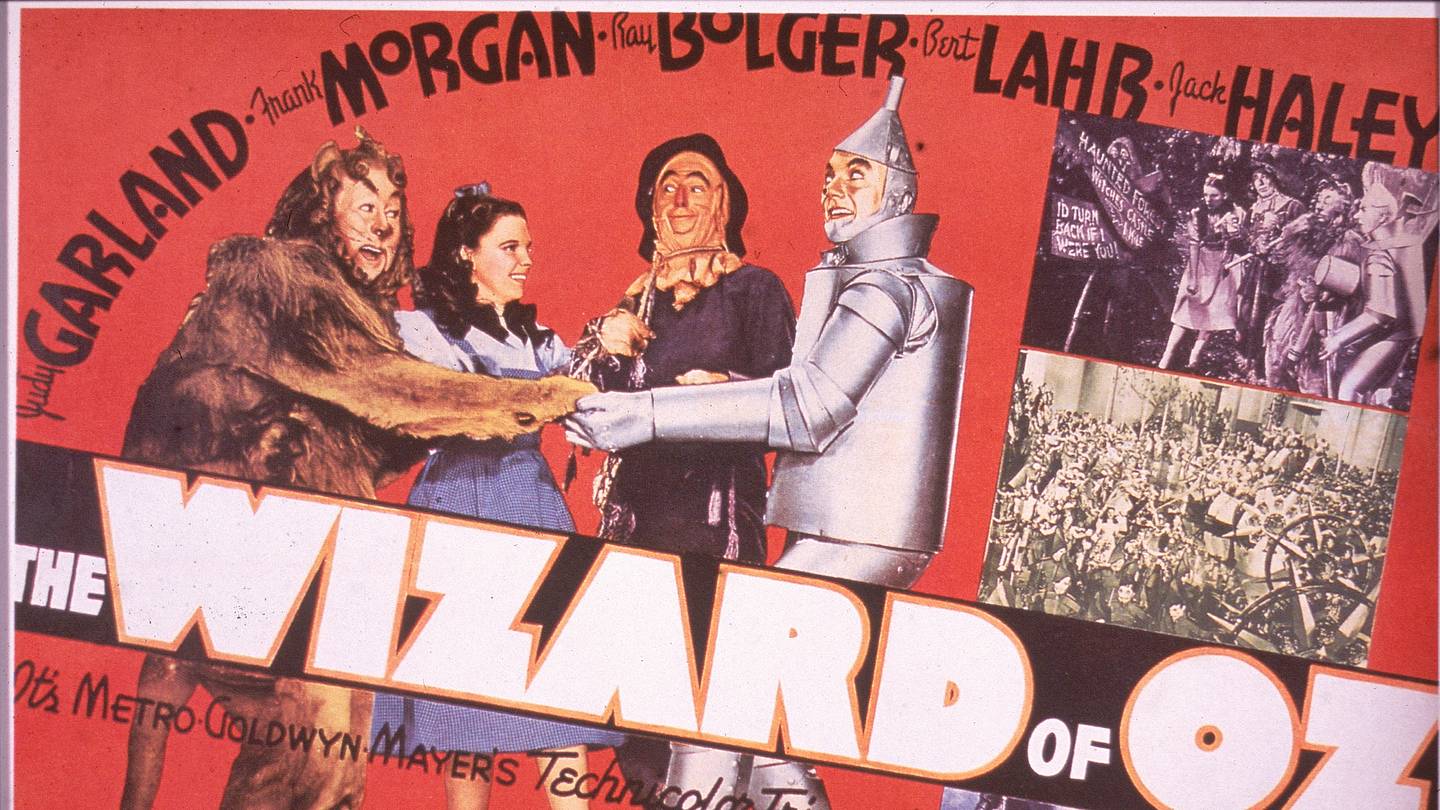
Best known as Judy Garland’s stand-in during the making of The Wizard of Oz, Marsh Doll holds a rare place in movie history. She was not Dorothy Gale’s face on the poster, nor the voice singing about rainbows, but she helped make the movie magic possible in the practical, unglamorous, behind-the-scenes way old Hollywood depended on. As of 2026, she is widely recognized as the oldest living cast member connected to the 1939 classic, a living link to one of the most beloved films ever made.
Her story is not just an “Oz” footnote. It is a tale of ambition, dance, survival, reinvention, and the kind of stubborn optimism that makes the Yellow Brick Road look like a warm-up lap.
Who Is Caren Marsh Doll?
Caren Marsh Doll was born Aileen Betty Morris in Los Angeles, California. Growing up near the movie industry, she was close enough to Hollywood to smell the hairspray, ambition, and studio cafeteria coffee. She graduated from Hollywood High School in 1937 and wanted a career in show business at a time when MGM, Warner Bros., Fox, and other studios operated almost like glitter-covered factories.
Her early talent was dance. Marsh Doll trained in modern dance and tap, which made her a natural fit for musicals, background work, and stand-in assignments. In the late 1930s, Hollywood musicals needed dancers the way Kansas needed a cyclone for plot development: urgently and dramatically.
She began working in films during the golden age of MGM, appearing in dance and extra roles. Her filmography would later include connections to major studio titles such as Rosalie, Gone With the Wind, Ziegfeld Girl, Seven Sweethearts, Best Foot Forward, Girl Crazy, and The Navajo Kid. Many of these appearances were uncredited, which was common for dancers, extras, and stand-ins in that era. Hollywood loved sparkle, but it was not always generous with names in the credits.
How Caren Marsh Doll Became Judy Garland’s Stand-In
During production on The Wizard of Oz, Marsh Doll was hired as a stand-in for Judy Garland. A stand-in is not exactly the same thing as a stunt double or body double, though the roles can overlap. A stand-in takes the star’s place while crews adjust cameras, lights, blocking, and technical setups. That way, the principal actor does not have to spend endless hours under hot lights while cinematographers and directors perfect the shot.
Marsh Doll was a strong match for Garland in height, build, hair color, and general appearance. She was about 4 feet 11 inches tall, close to Garland’s size, which made her useful for lighting and camera preparation. In other words, before Dorothy skipped down the Yellow Brick Road in front of the camera, Marsh Doll often helped the crew figure out exactly how that road should look.
This may sound less glamorous than singing with Scarecrow, Tin Man, and Cowardly Lion, but it mattered. The Wizard of Oz was an unusually complex production for its time. The movie used elaborate sets, heavy costumes, vivid Technicolor photography, special effects, painted backdrops, and carefully controlled lighting. Getting those elements right required patience, precision, and people like Caren Marsh Doll.
The Work Behind the Magic
In the studio system, magic did not happen by accident. It happened because crews measured light, tested costumes, adjusted marks on the floor, reset camera positions, and repeated scenes until everything looked effortless. Stand-ins were essential to that process. Marsh Doll walked, posed, waited, repeated, and helped create the conditions that allowed Garland’s performance to shine.
One of the most fascinating details often connected to Marsh Doll is the famous ruby slippers scene. She has been widely associated with the close-up of Dorothy clicking her heels together, although historians and fans note that MGM used several stand-ins and doubles, making some individual shot identifications difficult to prove with complete certainty. That tiny uncertainty is very old Hollywood: glamorous, mysterious, and just annoying enough to keep film buffs debating forever.
What is certain is that Marsh Doll was part of the Wizard of Oz production team and served as one of Garland’s important stand-ins. Her work helped support a film that would become a permanent fixture of American pop culture.
Why ‘The Wizard of Oz’ Still Matters
Released in 1939, The Wizard of Oz has become one of the most recognizable movies in the world. Its characters, songs, costumes, and images have crossed generations. Even people who have never watched the film from start to finish usually know the ruby slippers, the Yellow Brick Road, the Wicked Witch, Toto, and the idea that “home” is more than a building with a roof.
The Library of Congress selected The Wizard of Oz for the National Film Registry in 1989, the registry’s first year, confirming its cultural and historical importance. That recognition places the movie among works considered essential to preserving American film heritage.
For many families, the film became a television tradition. Parents showed it to children; children grew up and showed it to their own children; and somewhere in the process, everyone learned that flying monkeys are not ideal bedtime material. Yet the movie endured because it balanced wonder with fear, music with emotion, and fantasy with a deeply human longing for belonging.
Caren Marsh Doll’s connection to the film reminds us that classics are not created only by stars. They are created by teams: dancers, stand-ins, wardrobe workers, makeup artists, camera operators, set painters, prop handlers, and people whose names rarely appear on screen but whose labor remains visible in every frame.
A Career Beyond Oz
Although The Wizard of Oz is the headline that most readers recognize, Marsh Doll’s career extended beyond Oz. She worked during a period when Hollywood was producing musicals, westerns, wartime entertainment, and studio dramas at remarkable speed. Being a young performer in that environment required flexibility. One week might involve dancing in a musical number; another might mean background work; another might involve trying to land a speaking role before another ambitious newcomer got there first.
She later served as a stand-in for Garland again on Ziegfeld Girl, the 1941 MGM musical starring Garland, Hedy Lamarr, Lana Turner, and James Stewart. She also appeared in western and B-movie productions, including The Navajo Kid, where she had a more visible acting role.
Her career reflects the experience of many talented studio-era performers who worked steadily without becoming household names. Not everyone became Garland, Hepburn, or Gable. Some became the reliable professionals who kept the machinery moving, and Hollywood could not have functioned without them.
The 1949 Plane Crash That Changed Her Life
In 1949, Marsh Doll survived a Standard Air Lines crash near Chatsworth, California. The accident killed many people onboard, and she was one of the survivors. She sustained serious injuries, including damage to one foot, and doctors reportedly warned that she might not dance again.
For a dancer, that kind of news can feel like a locked door. Marsh Doll, however, did not build her life around locked doors. She recovered, adapted, and eventually returned to movement, even if her path changed. Tap dancing became difficult, but she explored other forms of dance, including Hawaiian dance, ballroom, country, and movement-based instruction.
Her survival story adds a deeper layer to her legacy. She was not simply someone who once stood in for Judy Garland. She was someone who faced a life-altering event and rebuilt her identity through motion, discipline, and refusal to give up. If Oz gave her a place in film history, her recovery gave her story its emotional backbone.
From Hollywood Performer to Dance Teacher
After her screen career slowed, Marsh Doll became a dance instructor. She began teaching in the 1950s and spent decades sharing movement with others. In Palm Springs, California, she became known not only as a former Hollywood performer but also as a generous teacher.
One of the most meaningful chapters of her later life was her volunteer work with stroke survivors. Reports describe her teaching dance therapy sessions at a Palm Springs stroke activity center, using music and movement to help participants reconnect with their bodies and confidence. That is a beautiful full-circle moment: the dancer who was once told she might not dance again later used dance to encourage others facing their own difficult recoveries.
There is something wonderfully poetic about that. Hollywood gave her choreography; life gave her obstacles; she turned both into a lesson plan.
Caren Marsh Doll and the Power of Being “Uncredited”
One reason Marsh Doll’s story resonates today is that it highlights the importance of uncredited work. Modern audiences are increasingly curious about the people behind famous images. Who built the sets? Who designed the costumes? Who tested the lighting? Who rehearsed the movement before the star stepped in?
Marsh Doll represents those hidden contributors. Her work was essential but not loudly advertised. She helped a young Judy Garland conserve energy during an exhausting production. She helped camera and lighting teams prepare scenes. She brought professional discipline to a role that required patience, physical similarity, and the ability to repeat actions without complaint.
In today’s entertainment world, where behind-the-scenes clips often go viral and fans analyze every production detail, Marsh Doll’s story feels especially relevant. She reminds us that movie history is not only about close-ups. Sometimes it is about the person standing just outside the spotlight so the spotlight can be aimed correctly.
Why Fans Still Celebrate Her
Fans of The Wizard of Oz celebrate Caren Marsh Doll because she connects the present to a film that feels almost mythic. The original stars are gone. Judy Garland, Ray Bolger, Jack Haley, Bert Lahr, Margaret Hamilton, Billie Burke, and the adult Munchkin performers have passed into history. Yet Marsh Doll remains a rare living bridge to that world.
Her longevity adds to the fascination. Turning 107 in 2026 is remarkable in any context. Doing so as someone connected to a movie released before World War II gives her life a nearly cinematic sweep. She was alive before women in the United States had fully secured the right to vote, before talking pictures had completely replaced silent films, before television became common, before the internet, and before people started arguing online about whether a movie trailer “spoiled everything.”
That long timeline makes her more than a trivia answer. She is a witness to cultural change. She saw Hollywood evolve from studio lots and contract players to global franchises and digital platforms. She lived through the age when movies were events, television became the family hearth, and classic films became endlessly rediscovered.
The Human Lesson in Her Yellow Brick Road
The phrase “Yellow Brick Road” is often used as a metaphor for a journey, and in Marsh Doll’s case, it fits almost too perfectly. Her road included ambition, rejection, lucky breaks, uncredited work, famous sets, personal hardship, recovery, teaching, and public rediscovery by film fans.
There is also a lesson in how we define success. Marsh Doll was not the most famous person in The Wizard of Oz. She did not become a superstar. But her life shows that significance and fame are not the same thing. A person can contribute to a masterpiece, survive hardship, teach others, preserve memories, and still matter deeply even without a giant name on a marquee.
In fact, that may be the most refreshing part of her story. She proves that history is full of people who were present, useful, talented, and brave, even if the camera was not always pointed at them.
Experiences and Reflections Inspired by Caren Marsh Doll’s Story
Meeting Caren Marsh Doll through her story feels a bit like discovering a secret door in a house you thought you knew well. Most viewers know The Wizard of Oz as Dorothy’s adventure. They remember the songs, the slippers, the tornado, the witch, and the emotional return home. But learning about Marsh Doll changes the way one watches the film. Suddenly, the movie is not only a fantasy. It becomes a workplace, a collaboration, a long chain of rehearsals, adjustments, and human effort.
That realization can make a classic film feel more alive. Imagine the set before Judy Garland steps in: lights blazing, crew members calling instructions, cameras being moved, costumes being checked, and a young Caren Marsh Doll standing in place so the shot can be perfected. It is easy to romanticize old Hollywood as pure glamour, but her experience reminds us that glamour was built from repetition. The Yellow Brick Road may sparkle on screen, but someone had to walk it again and again while everyone else figured out where the shadows landed.
Her life also offers a meaningful perspective on resilience. Many people face a moment when the future they imagined seems to collapse. For Marsh Doll, the 1949 crash could have ended not only her career but also her relationship with dance. Instead, she adapted. She found other styles. She kept moving. Later, she helped others move too. That part of her story is especially powerful because it turns survival into service.
There is also something deeply encouraging about her uncredited legacy. In everyday life, most people do work that is not publicly applauded. Parents, teachers, assistants, volunteers, caregivers, technicians, editors, and quiet problem-solvers often make things possible without becoming the “star.” Marsh Doll’s story says that unseen work still counts. The camera may not capture every contribution, but history has a way of eventually turning around and saying, “Wait, who helped make this magic?”
For fans, her story can deepen the experience of watching The Wizard of Oz. The next time Dorothy steps into Oz, the scene may feel richer because it carries the presence of everyone who helped create it. The film becomes less like a finished product and more like a living artifact. Behind every famous moment is a crowd of people whose patience and skill made wonder possible.
Caren Marsh Doll’s long life also encourages patience with one’s own path. She did not become famous overnight. Her best-known recognition arrived decades after her work was done. That is a useful reminder in a world obsessed with instant attention. Some contributions take time to be appreciated. Some stories wait quietly until the right generation becomes curious enough to ask.
Finally, her journey adds a lovely twist to the message of The Wizard of Oz. Dorothy learns that what she needs has been with her all along. Marsh Doll’s life suggests something similar: courage, grace, humor, discipline, and the will to keep moving were always part of her. She did not need a wizard to hand them to her. She simply spent more than a century proving they were there.
Conclusion
Caren Marsh Doll may not have been the face of Dorothy Gale, but she remains one of the most fascinating living connections to The Wizard of Oz. As Judy Garland’s stand-in, she helped support the technical magic behind one of cinema’s greatest fantasy films. As a dancer, actress, crash survivor, teacher, and centenarian, she built a life that stretches far beyond one famous production.
Her story reminds us that Hollywood history is not only written by stars. It is also written by the people who stand in, step aside, recover, teach, remember, and keep dancing. And if that is not worthy of a respectful tip of the ruby slippers, what is?
Note: This article is prepared for web publication based on publicly available biographical and film-history information current as of May 28, 2026. Some exact on-screen stand-in identifications from The Wizard of Oz remain debated because several doubles and stand-ins were used during production.