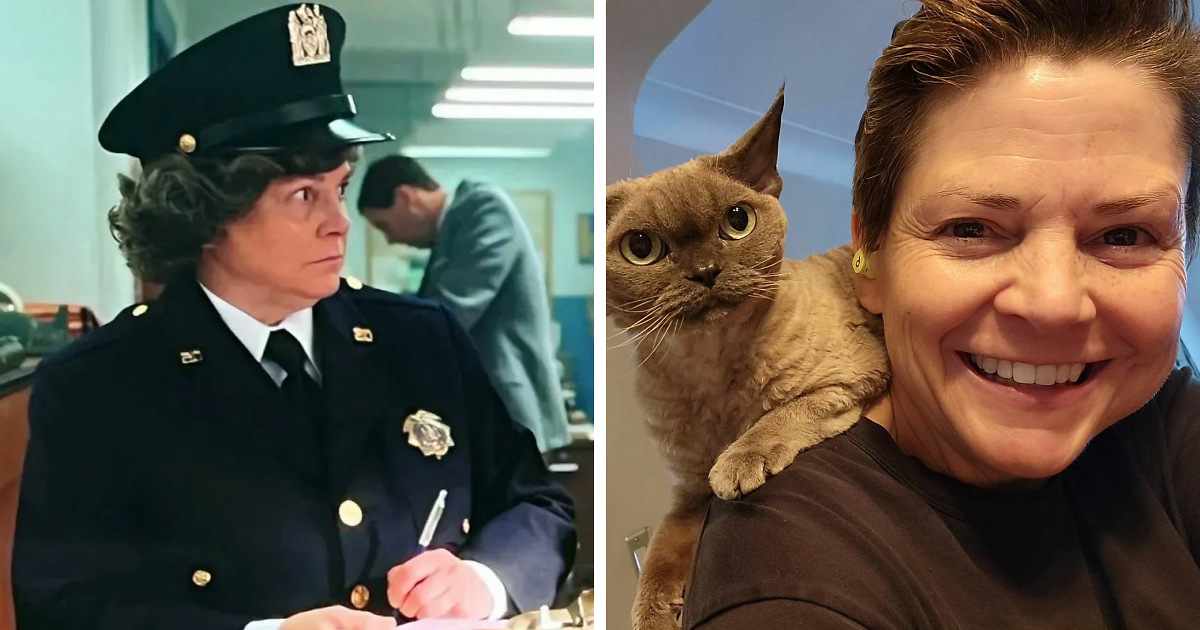
Note: This article uses the headline wording for SEO consistency, but refers to Wenne Alton Davis primarily by name. Several reports describe Davis as an actor and note they/them pronouns.
The entertainment world was shaken by the death of Wenne Alton Davis, a performer remembered by many viewers for a brief but memorable appearance in The Marvelous Mrs. Maisel. Davis, 60, died after being struck by a vehicle while crossing a street in Midtown Manhattan in December 2025. The news was heartbreaking not because Davis was a household name, but because it reminded fans of something Hollywood sometimes forgets: every show is built not only by its stars, but by hundreds of working actors whose faces make a fictional world feel alive.
Davis appeared in the fifth and final season of Amazon Prime Video’s award-winning comedy-drama, playing a police officer in the 2023 episode “Four Minutes.” It was a small role, yes, but small roles are the seasoning of great television. Without them, even the fanciest prestige series would taste like unsalted oatmeal. Davis brought presence, timing, and a grounded New York quality to a show already famous for its fast dialogue, vintage glamour, and lovingly chaotic city energy.
What Happened To Wenne Alton Davis?
According to police reports cited by multiple outlets, Davis was crossing Broadway near West 53rd Street in Manhattan shortly before 9 p.m. on December 8, 2025, when a Cadillac SUV making a left turn struck them. Emergency responders transported Davis to Mount Sinai West, where they were pronounced dead. Initial reports said the driver remained at the scene and was not injured.
More than three months later, police arrested and charged MD Abdul Shomuz, 62, with failure to yield to a pedestrian. As with any active legal matter, a charge is not a conviction. Still, the update gave the story a new chapter and renewed public attention around pedestrian safety, crosswalks, and the everyday risks of walking in America’s busiest cities.
Who Was Wenne Alton Davis?
Wenne Alton Davis, born Wendy Davis, was a working performer with screen credits dating back to the early 2000s. Their résumé included appearances in Rescue Me, Shame, The Normal Heart, American Odyssey, Blindspot, New Amsterdam, Girls5eva, and finally The Marvelous Mrs. Maisel. That list may not scream “marquee name,” but in the real ecosystem of film and television, it represents persistence, craft, and the kind of steady career many actors spend years building.
Not every actor gets a billboard in Times Square. Some become familiar faces who make a hospital scene feel authentic, a police station feel lived-in, or a chaotic Manhattan street feel like Manhattan instead of a studio hallway pretending very hard. Davis belonged to that essential category of performer: the actor who steps into a moment and helps the story breathe.
Why The ‘Marvelous Mrs. Maisel’ Connection Resonated
The Marvelous Mrs. Maisel was not just another streaming comedy. Created by Amy Sherman-Palladino, the series followed Miriam “Midge” Maisel, played by Rachel Brosnahan, as she moved from Upper West Side domestic life into the bruising, brilliant world of stand-up comedy. The show became known for its quick wit, polished costumes, elaborate set pieces, and a rhythm so fast that subtitles sometimes felt like cardio.
The fifth season, released in 2023, was the show’s final bow. Prime Video described the season as the point where Midge is closer than ever to the success she has dreamed about, only to discover that “closer than ever” can still feel painfully far away. That theme now feels quietly fitting when discussing Davis. Their final onscreen role came inside a show about ambition, performance, timing, and the stubborn dream of being seen.
A Career Built On Smaller Roles That Mattered
There is a strange unfairness in how the internet talks about acting careers. A headline often becomes “Actor from famous show dies,” even when that famous show was only one line on a much longer résumé. Davis’ work deserves a wider lens. Their career included drama, comedy, short films, prestige television, and roles in productions that captured very different corners of New York and American life.
Appearing in projects like New Amsterdam and Blindspot requires more than simply showing up and saying a line. Procedural and ensemble shows depend on actors who can quickly establish credibility. A police officer, nurse, witness, security worker, neighbor, or bystander may appear briefly, but the audience must believe that person has a life beyond the scene. Davis had that kind of screen presence: direct, natural, and unfussy.
The Human Side Behind The Headline
After Davis’ death, people who knew them described a person with warmth, generosity, and a deep love of New York. Their agent remembered Davis as a bright presence with affection for acting, family, friends, and colleagues. A neighbor also recalled a final conversation in which Davis expressed love and appreciation. Those personal details matter because celebrity news can flatten people into keywords: “actress,” “accident,” “tragic incident,” “Marvelous Mrs. Maisel.” Real life is never that tidy.
Behind the headline was someone with routines, friendships, work, memories, disappointments, jokes, favorite streets, and probably at least one strong opinion about New York pizza. That is the part readers should not skip. Search engines may reward names and titles, but people remember tenderness.
Why Pedestrian Safety Became Part Of The Conversation
Davis’ death also renewed attention on pedestrian safety in New York City and across the United States. The National Highway Traffic Safety Administration reported that 7,080 pedestrians were killed in traffic crashes nationwide in 2024, with more than 71,000 injured. Those numbers are not abstract. They represent people walking to dinner, heading home from work, crossing near theaters, carrying groceries, or doing the ordinary things that make a city function.
New York has spent years investing in Vision Zero, safer street design, speed cameras, turn-calming programs, and intersection improvements. The city’s Department of Transportation has specifically targeted failure-to-yield crashes involving turning vehicles. As of the end of 2025, NYC DOT said it had improved more than 1,200 intersections with turn-calming treatments. That is progress, but Davis’ death shows how a single crossing can still become a life-changing moment for families, friends, witnesses, and entire communities.
The Left-Turn Problem
One detail in the reports stood out: the vehicle was making a left turn. Pedestrian-safety experts have long studied left-turn crashes because they involve visibility, timing, vehicle speed, street geometry, and driver attention all at once. The Insurance Institute for Highway Safety has reported that large driver-side blind zones can increase the risk of striking a pedestrian during a left turn. In plain English: big vehicles can make it harder for drivers to see people in the crosswalk, especially in complex city intersections.
This does not mean every crash has the same cause. It does mean street design matters. Crosswalk timing matters. Vehicle design matters. Driver patience matters. And yes, the humble act of slowing down while turning matters more than most people realize. A few seconds can feel annoying when a driver is late. They can also be the difference between someone getting home and someone becoming a headline.
How Fans Reacted To The News
For many fans, the first reaction was surprise: “Wait, who was Wenne Alton Davis?” That question is not disrespectful. It is exactly why stories like this are worth telling carefully. Davis was not a lead cast member, but they were part of the fabric of a beloved series. Fans of The Marvelous Mrs. Maisel understand better than most that background details matter. The show’s world was built from doormen, comics, club workers, cops, cab drivers, stagehands, family members, hecklers, and beautifully dressed people walking briskly with purpose.
Davis’ role fit that tradition. It may have lasted only a short time onscreen, but the appearance placed them inside the legacy of a series that won major awards, helped define Prime Video’s prestige comedy identity, and gave audiences one of television’s most memorable fictional comedians.
The Legacy Of ‘The Marvelous Mrs. Maisel’
The show’s legacy is already secure. It won Emmy Awards, Golden Globes, and praise for its writing, production design, costumes, performances, and musical rhythm. Rachel Brosnahan, Alex Borstein, Tony Shalhoub, Marin Hinkle, Michael Zegen, Jane Lynch, and Luke Kirby became closely associated with its success. But behind that main cast was a deep bench of supporting players and day performers who helped make every frame feel full.
Davis’ connection to the show is a reminder that television is collaborative on a massive scale. Even the sharpest lead performance needs a believable world around it. A single police officer in a final-season episode may not get a monologue, a marketing poster, or a dramatic slow-motion entrance. Still, that role is part of the machine. And when viewers revisit the episode, Davis’ work remains there, preserved in the strange permanence of streaming television.
Why This Story Hit Differently
There is something especially painful about a death connected to an ordinary activity like crossing the street. It is not glamorous. It is not cinematic. It is painfully normal. Everyone walks. Everyone crosses. Everyone assumes the next block will be like the last one. That everyday quality is exactly why the story stayed with people.
In celebrity culture, tragedy is often packaged with dramatic music and oversized language. But the most honest version of this story is simple: a working actor with friends, credits, and more life ahead died after a street incident that should make every city pause. No extra thunder needed.
Experiences And Reflections Related To This Tragic Incident
Anyone who has lived in or visited New York City knows the rhythm of its streets. The walk signal appears, someone checks the traffic, a cab noses forward, a delivery cyclist glides by, a tourist hesitates, and five locals somehow cross with the confidence of people who have negotiated peace treaties with traffic lights. Most of the time, it works. The city moves like a messy orchestra. The horns are rude, the timing is questionable, but somehow the song continues.
Stories like Davis’ interrupt that rhythm. They remind us that walking is not just transportation; it is trust. A pedestrian trusts that a driver will yield. A driver trusts that the signal, the mirror, the windshield, and the street design will give enough information. A city trusts that its rules are visible, logical, and enforced. When one part fails, the result can be devastating.
For entertainment writers, there is another lesson: be careful with headlines. A title like “Marvelous Mrs. Maisel Actress Loses Her Life In Tragic Incident” may bring readers in, but the article must do more than chase curiosity. It should identify the person clearly, explain what is known, avoid turning grief into spectacle, and give readers context. The goal is not to squeeze sadness for clicks like a lemon at a very depressing lemonade stand. The goal is to honor a real person while helping readers understand why the story matters.
For fans, the experience may be quieter. Maybe they will rewatch the final season and notice Davis in a scene they previously passed over. Maybe they will think about how many performers build careers through small parts, auditions, callbacks, day shoots, and brief appearances that still carry pride. The acting profession is full of people whose work is visible but whose names are not instantly known. Davis represented that reality. Their career was not defined by celebrity scale; it was defined by persistence.
For city dwellers, the takeaway is practical. Drivers should slow down before turning, scan crosswalks carefully, and treat every intersection as a place where someone’s life may depend on patience. Pedestrians should stay alert, even with the right of way, because being correct is not the same as being protected. City officials should keep improving dangerous intersections, expanding turn-calming designs, and making roads safer for people outside vehicles. Safety should not depend on luck, reflexes, or whether someone happens to be wearing a bright coat.
And for everyone else, Davis’ death offers a small but powerful reminder: ordinary moments deserve attention. Saying goodbye to a neighbor, walking after dinner, appearing in one episode of a beloved show, making friends at work, building a life in a crowded citythese are not footnotes. They are the story. The tragedy is that Davis’ story ended suddenly. The comfort, if there is one, is that their work and the memories shared by those who loved them continue to speak.
Conclusion
Wenne Alton Davis’ death is both a celebrity news story and a human one. Yes, Davis appeared in The Marvelous Mrs. Maisel, one of the most celebrated streaming comedies of the past decade. Yes, the legal update involving the driver brought renewed attention to the case. But beyond the show title and court language was a working actor whose life touched friends, colleagues, neighbors, and viewers in ways that cannot be measured by screen time.
The best way to remember Davis is not through shock alone. It is through care: care in how we write about loss, care in how cities protect pedestrians, care in how audiences value every performer who helps bring a story to life. Davis had one of those careers that quietly reminds us television is made by many hands, many faces, and many people who simply keep showing up. That, in its own way, is marvelous.