There was a time when displaying photos meant choosing between a silver frame from a department store, a refrigerator magnet, or the classic “let’s tape this to the wall and pretend it’s intentional” method. Thankfully, photo display has grown up. Today, your favorite memories can live on gallery walls, floating shelves, digital frames, canvas prints, photo books, tabletop easels, rotating displays, and even unexpected corners of the home that make everyday life feel more personal.
If you are looking for a new way to display your photos, the good news is that you have more options than ever. The slightly dangerous news is that you may suddenly want to redecorate your entire hallway, living room, office, and possibly your dog’s corner. Photos have that power. They turn blank walls into stories, ordinary rooms into memory maps, and awkward empty shelves into something that looks like you hired a designer instead of panic-cleaning before guests arrived.
This guide explores modern, stylish, practical, and preservation-friendly ways to display photos at home. Whether you love printed pictures, prefer digital slideshows, collect travel memories, or have 4,000 phone photos waiting for their big break, there is a display idea here that can make your images feel fresh again.
Why Photo Display Still Matters in a Digital World
Most of us carry thousands of photos in our phones, yet we rarely see them unless we are searching for something specific or accidentally scrolling back to 2017 at midnight. Digital storage is convenient, but it can also make memories invisible. Displaying photos brings them back into daily life.
Printed and displayed images create emotional anchors in a home. A wedding photo near the entryway, a vacation print in the hallway, a childhood picture on a desk, or a silly family snapshot in the kitchen can quietly remind you of who you love, where you have been, and why your camera roll is 80 percent food photos.
The best photo display ideas do more than decorate. They organize memories, create conversation, and add warmth to rooms that might otherwise feel too plain or too polished. A home without personal images can look beautiful, but a home with thoughtfully displayed photos feels lived in.
Start With the Story, Not the Frame
Before buying frames, shelves, clips, or a digital photo frame, ask one simple question: what story do you want the display to tell? A photo wall of black-and-white portraits creates a different mood than a colorful travel gallery. A neat grid feels calm and modern. A layered shelf feels casual and creative. A rotating digital frame feels flexible and tech-friendly.
Think of your photos as a collection, not just individual images. You might build a display around family milestones, favorite trips, seasonal memories, pets, weddings, children’s artwork, old family photographs, or everyday candid moments. The theme does not have to be dramatic. “People I love laughing at weird times” is a perfectly respectable design direction.
Classic Gallery Walls: Popular for a Reason
A gallery wall remains one of the best ways to display photos because it turns multiple images into one large visual feature. It works well in living rooms, stairways, hallways, dining areas, bedrooms, and home offices. The secret is structure. Without structure, a gallery wall can start to look less like “curated memories” and more like “my wall lost a fight with a craft store.”
Choose a Layout Style
For a clean and modern look, use a grid layout with matching frames and equal spacing. This is ideal for family portraits, wedding photos, professional photography, or black-and-white prints. For a more relaxed look, mix frame sizes while keeping one element consistent, such as frame color, mat style, or photo tone.
A salon-style gallery wall is more eclectic. It can include different frame shapes, small art prints, postcards, sketches, and personal objects. This style works best when the overall color palette is controlled. Too many colors, finishes, and sizes can make the display feel busy, so give the eye a pattern to follow.
Use Paper Templates Before Hanging
One practical tip: cut paper templates the size of your frames and tape them to the wall before hammering nails. This lets you test spacing, height, and balance without turning your drywall into Swiss cheese. For most rooms, the center of the display should sit around eye level, though stairways and tall walls may need adjustments.
Photo Ledges: Flexible, Stylish, and Commitment-Friendly
Photo ledges are perfect for anyone who likes changing displays often. Instead of hanging every frame separately, you install a narrow shelf and lean framed photos against the wall. You can layer sizes, add small plants, include candles, or mix in small art pieces.
This approach is especially useful for renters or people who like seasonal updates. In spring, display bright travel pictures. During the holidays, swap in family gatherings. After a big event, add new prints without measuring an entire wall again. It is the photo display equivalent of wearing layers: practical, stylish, and forgiving.
Digital Photo Frames: The Modern Memory Machine
Digital photo frames have improved dramatically. Today’s best models often include Wi-Fi, app-based uploads, cloud storage, internal memory, motion sensors, automatic brightness adjustment, and slideshow controls. Some frames are designed for desks and shelves, while others can be wall-mounted like traditional framed art.
A digital frame is ideal if you have a large collection of photos but limited wall space. It is also excellent for families who live far apart. Some frames allow relatives to send photos directly to the frame, which makes them popular gifts for grandparents, parents, and anyone who enjoys surprise snapshots of birthdays, vacations, and children making suspiciously sticky art projects.
What to Look for in a Digital Photo Frame
Screen quality matters. Look for a frame with good resolution, natural color, and an aspect ratio that fits your photos. Many phone photos are vertical, while many digital frames are horizontal, so consider whether the frame supports both orientations. Storage is another key feature. Some frames rely on cloud services, while others include internal storage, USB support, or SD card slots.
Also review privacy settings and subscription requirements. Some brands offer free storage, while others limit cloud features or require paid plans for larger libraries. A beautiful frame is less charming when it suddenly behaves like a tiny subscription goblin on your bookshelf.
Canvas Prints: Bold, Warm, and Wall-Friendly
Canvas prints remain a popular choice for large photo displays. They work well for landscapes, wedding portraits, family photos, pet portraits, and travel shots. Because canvas has texture and does not usually require glass, it creates a softer, warmer appearance than a glossy framed print.
However, canvas is not the best choice for every image. Highly detailed photos, formal portraits, or artwork with fine lines may look sharper as framed prints. Canvas works best when the image has strong composition and enough resolution to print large. Before ordering, check whether the photo file is high quality. A blurry phone picture printed at 30 inches wide will not become artistic. It will simply become a very large blurry phone picture.
Framed Prints With Mats: Clean, Elegant, and Timeless
Framed prints with mats are one of the most polished ways to display photos. A mat creates breathing room between the image and frame, making even a small photo feel more important. White or off-white mats are classic, while black mats can create drama for monochrome photography.
For special or irreplaceable photos, choose archival-quality materials. Acid-free and lignin-free mats help reduce long-term damage. UV-protective glazing can help limit fading from light exposure. It is also wise to avoid hanging important photographs in direct sunlight, near radiators, above working fireplaces, or in damp spaces such as bathrooms and basements.
If you own original family photographs, consider scanning them and displaying copies while storing the originals safely. That way, you enjoy the image without risking the only surviving photo of great-grandpa looking mysteriously cool in a hat.
Clip Displays and Wire Grids: Casual and Creative
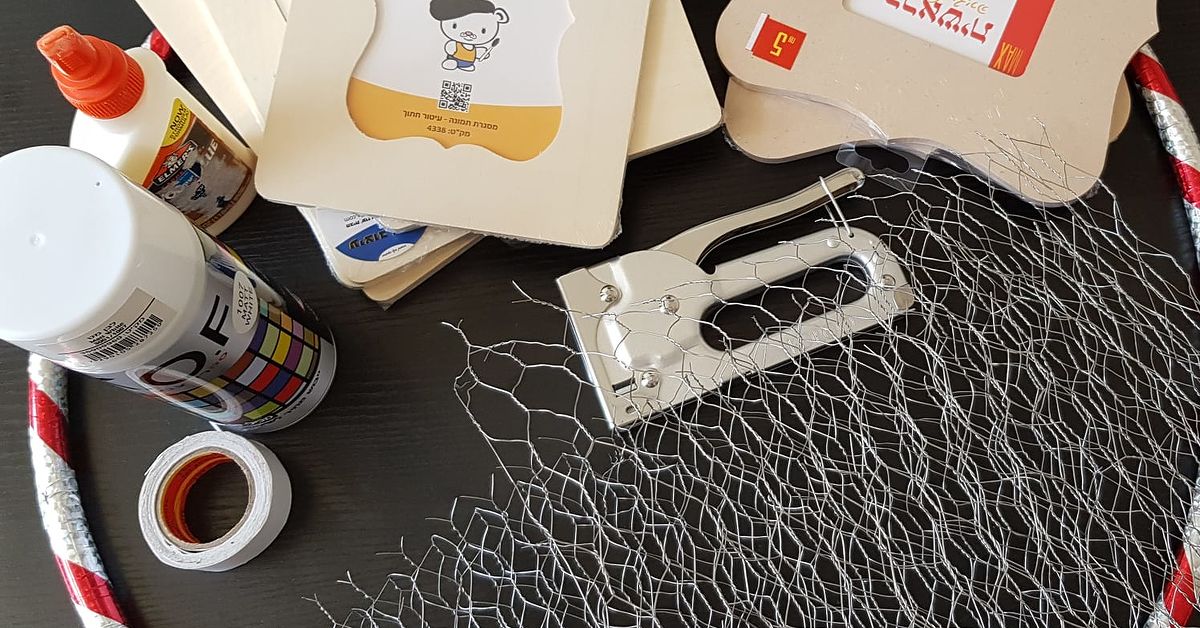
Clip displays are great for casual spaces such as dorm rooms, studios, craft rooms, teen bedrooms, and creative offices. You can use wooden clips, metal clips, string lights, wire grids, cork boards, or magnetic boards. This method makes it easy to rotate photos, postcards, notes, and mini prints.
The style is informal, but it can still look intentional. Choose prints in the same size, stick to a color palette, or arrange images in rows. For a warmer look, use wood clips and neutral string. For a modern look, try a black wire grid with square prints.
Photo Books: The Display You Can Hold
Not every photo display needs to be on a wall. Photo books are one of the best ways to preserve and enjoy a large group of images. They are ideal for weddings, vacations, baby’s first year, family history projects, school memories, or annual highlights.
A photo book on a coffee table invites people to sit, browse, and talk. It also solves the problem of having too many good photos and not enough walls. Instead of choosing one picture from a trip, you can create a complete visual story with captions, dates, maps, and small details you might otherwise forget.
Tabletop Displays: Small Photos, Big Personality
Desks, nightstands, bookshelves, console tables, and kitchen shelves are excellent places for photo displays. Small frames can be moved easily and mixed with books, ceramics, lamps, plants, or keepsakes. This works especially well for people who prefer subtle personal touches instead of a large wall display.
Try placing one framed photo beside a stack of books, leaning a small print against the back of a shelf, or grouping three frames of different heights on a console table. The key is to avoid overcrowding. Photos need space to breathe, just like people at a family reunion buffet.
Unexpected Places to Display Photos
Some of the most charming photo displays happen outside the obvious spots. A small framed photo near a coffee station can make mornings more cheerful. A rotating picture on a kitchen shelf can turn dishwashing into a tiny nostalgia event. A mini gallery in a laundry room can make chores feel less like punishment from the sock universe.
Consider displaying photos in a reading nook, mudroom, home gym, walk-in closet, pantry hallway, or guest room. Personal images in unexpected places often feel more intimate because they are discovered rather than announced.
Mix Photos With Other Personal Objects
A photo display becomes more interesting when it includes texture and context. Pair travel photos with a small map, ticket stub, shell, postcard, or souvenir. Mix family portraits with handwritten recipes, children’s drawings, or old letters. Combine wedding photos with pressed flowers, vow excerpts, or a framed invitation.
This technique turns a display into a story wall. It also helps avoid the “frame showroom” effect, where everything looks technically nice but emotionally flat. Your home should not feel like a hotel lobby unless the hotel lobby serves your grandmother’s soup and remembers your dog’s birthday.
How to Choose the Right Photo Display for Your Space
For Small Apartments
Use photo ledges, tabletop frames, small gallery grids, or one digital frame. Choose fewer images with stronger impact. Vertical displays can make walls feel taller, while matching frames reduce visual clutter.
For Family Homes
Try a hallway gallery, stairway display, digital frame in the living room, and photo books on the coffee table. Use a mix of formal portraits and candid moments so the display feels real, not like everyone was permanently frozen in matching outfits.
For Modern Interiors
Choose large-format prints, black or white frames, wide mats, and simple layouts. Black-and-white photos work beautifully in modern spaces because they create unity even when the images come from different times and places.
For Cozy or Vintage Homes
Mix wood frames, brass finishes, old family photos, shelves, and layered displays. Sepia tones, film-style prints, and vintage-inspired frames can enhance the character of the space.
Photo Preservation: Display Beautifully Without Damage
Good photo display is not only about style. It is also about protecting your images. Light, heat, humidity, poor materials, and adhesives can damage photographs over time. If a photo is precious, use a copy for display and keep the original in archival storage.
Avoid placing photos in direct sunlight or areas with major temperature swings. Bathrooms, garages, attics, and basements are usually risky because humidity and heat can speed up deterioration. Use acid-free storage boxes, archival sleeves, and stable indoor spaces for originals.
When framing, avoid permanent adhesives on valuable prints. Conservation-friendly framing should be reversible, meaning the photo can be removed without damage. This matters most for heirloom photographs, signed prints, and anything you would be upset to lose.
Creative Photo Display Ideas to Try This Weekend
- Create a black-and-white hallway gallery with matching frames for a classic, high-end look.
- Install a photo ledge above a sofa, bed, or desk for easy seasonal updates.
- Use a digital frame to rotate vacation photos, family memories, or favorite phone shots.
- Make a yearly photo book so your best images do not disappear into cloud storage.
- Frame one oversized statement photo instead of many small ones for a clean focal point.
- Display mini prints with clips in a bedroom, studio, or casual workspace.
- Mix photos with objects such as postcards, letters, recipes, or travel keepsakes.
Common Mistakes to Avoid
The first mistake is printing low-resolution images too large. Always check print quality before ordering big formats. The second mistake is hanging frames too high. Photos should usually connect with human eye level, not the ceiling fan. The third mistake is using too many unrelated styles at once. A display can be eclectic, but it still needs a visual rule.
Another common mistake is choosing photos only because they are technically perfect. Sometimes the best display photos are imperfect but meaningful. A slightly blurry picture of a real laugh may be more powerful than a stiff portrait where everyone looks like they are waiting for dental work.
Experiences: What Happens When You Display Photos in a New Way
Changing how you display photos can genuinely change how a room feels. Many people start with one small project, such as framing a travel photo or creating a shelf display, and quickly notice that the space feels warmer. A blank wall becomes a reminder of a favorite trip. A hallway becomes a timeline. A desk becomes less like a productivity cage and more like a place where real life is allowed to visit.
One practical experience many homeowners share is that photo ledges reduce decorating pressure. Instead of committing to a permanent gallery wall, they can experiment. A ledge lets you move frames around until the arrangement feels right. You can swap photos when seasons change, when children grow, or when you finally print that one vacation picture where everyone is smiling and nobody has sunglasses halfway down their nose.
Digital frames create a different kind of experience. They make old photos visible again. A picture from five years ago can appear during breakfast. A grandparent can receive new photos without needing to understand every corner of a smartphone. A family can watch memories rotate through the day like a quiet slideshow of “oh, remember that?” moments. The display becomes active rather than static.
Printed photo books often create the most social experience. People pick them up. They turn pages slowly. They ask questions. Unlike phone albums, which usually involve one person holding the device and everyone else squinting politely, photo books invite shared attention. They are especially powerful for weddings, family history, vacations, and memorial collections because they give the story a beginning, middle, and end.
Gallery walls tend to make the biggest visual impact. The first time you finish one, the room can feel suddenly complete. It may also reveal how much personality was missing before. A good gallery wall does not need expensive frames or professional portraits. It needs rhythm, spacing, and images that mean something. Even simple black frames filled with family snapshots can look elegant when arranged with care.
There is also an emotional side to displaying photos. When meaningful images are visible, they become part of daily routines. You pass them on the way to make coffee. You see them while grabbing keys. You notice them when guests ask, “Where was this taken?” That is when photos stop being files and become living pieces of the home.
The best experience comes from mixing methods. Use one digital frame for everyday variety, one photo book for deeper storytelling, and a few framed prints for permanent favorites. This balance keeps your home from feeling cluttered while still giving your memories room to breathe. After all, your photos were not taken so they could retire silently inside a phone. They deserve a little spotlight.
Conclusion: Give Your Photos a Better Life Than Cloud Storage
If you are looking for a new way to display your photos, start with the feeling you want to create. Do you want a polished gallery wall, a flexible photo ledge, a modern digital frame, a cozy shelf arrangement, or a beautiful photo book people can hold? Each option brings a different kind of charm.
The best photo display is personal, practical, and easy to enjoy. Protect valuable originals, print high-quality copies, choose materials wisely, and place photos where they can be seen often. Your favorite images should not stay buried in camera rolls, hard drives, or forgotten folders named “Final_Final_ReallyFinal_Photos.” Bring them into the room. Let them tell stories. Let them make your home feel like yours.