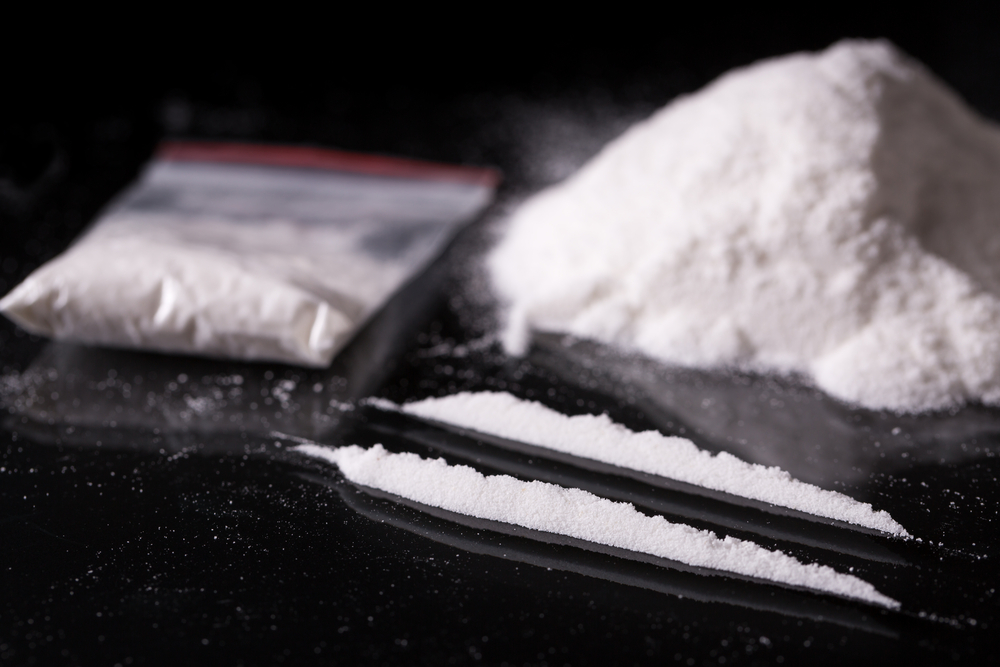
Note: This article is for educational and harm-awareness purposes only. It is not veterinary advice, medical advice, or encouragement to use illegal drugs. Levamisole should only be used in animals under professional veterinary guidance, and anyone exposed to cocaine or unknown street drugs should seek qualified medical help if symptoms appear.
Introduction: A Worm Medicine Walks Into a Crime Lab
Levamisole has one of the strangest résumés in modern pharmacology. In veterinary medicine, it has been used as an anthelmintica drug that helps remove parasitic worms from animals. In public-health reports, however, it has earned a much darker reputation as a common adulterant found in illicit cocaine. That is the uncomfortable joke hiding in the title: levamisole may have a legitimate role in animal care, but when it shows up in cocaine, it is not “extra strength.” It is extra risk.
The phrase “Levamisole is good for your dog, but bad for your cocaine” sounds like a punchline from a very nervous veterinarian. But behind the odd humor is a real health warning. Levamisole is not a harmless filler. It has been linked to severe immune-system problems, dangerous drops in white blood cells, painful skin damage, blood-vessel inflammation, and life-threatening infections. In short, it is not the kind of surprise ingredient anyone wants in their weekend mistakes.
This article explains what levamisole is, why veterinarians have used it, why it has appeared in cocaine, what symptoms matter, and why the safest “quality control” strategy is not using illicit cocaine at all. We will keep the science clear, the tone readable, and the jokes on a short leashunlike the family dog, who probably already stole a sock.
What Is Levamisole?
Levamisole is a synthetic drug originally developed to fight parasitic worms. It belongs to a class of anthelmintic medications that affect the nervous system of nematodes, causing paralysis in the parasite so the host animal can expel it. In veterinary contexts, levamisole has been used mostly in livestock such as cattle, sheep, and swine. Some veterinary use in small animals has existed historically or in specific settings, but modern dog owners should not treat it like a casual over-the-counter dewormer.
How Levamisole Works Against Parasites
Levamisole acts on nicotinic acetylcholine receptors in nematodes. That sounds like something written on a chalkboard by a professor who owns six tweed jackets, so here is the plain version: it overstimulates the worm’s muscle-control system. The parasite becomes paralyzed, loses its ability to remain attached, and is removed from the animal’s body. For the parasite, it is a bad day at the office. For the treated animal, when properly diagnosed and dosed by a veterinarian, it may be useful.
Why “Good for Your Dog” Needs a Big Asterisk
The title is intentionally catchy, but accuracy matters. Levamisole is not automatically “good” for every dog. It may be appropriate only when a veterinarian determines that the animal has a parasite problem for which levamisole is suitable. The dose, species, age, health status, and other medications all matter. Toxicity can occur, and signs may include salivation, tremors, poor coordination, urination, defecation, collapse, vomiting, or other neurologic and gastrointestinal symptoms.
So, no, this is not a green light to raid a barn cabinet, guess a dose, and announce yourself as “Dr. Google, DVM.” Dogs deserve real veterinary care, not kitchen-table chemistry with a measuring spoon that used to belong to pancake batter.
Levamisole in Veterinary Medicine: Useful, but Not Casual
Veterinary dewormers are not interchangeable. A medication that works for a sheep parasite may be wrong for a Labrador. A livestock product may have concentrations, inactive ingredients, and dosing instructions that are unsafe for pets. Even when a drug has legitimate veterinary use, it can still be dangerous if misused.
Parasite Treatment Requires Diagnosis
Responsible parasite control begins with diagnosis. Veterinarians may use fecal testing, clinical signs, exposure history, and regional parasite risks before choosing a dewormer. Different parasites require different medications. Roundworms, hookworms, whipworms, tapeworms, lungworms, and heartworms are not one big villain team defeated by a single magic pill.
Levamisole has a role against certain nematodes, but it is not the universal remote control for worms. Modern companion-animal practice often relies on other dewormers depending on the parasite and the patient. The key lesson for dog owners is simple: do not medicate first and diagnose later. That strategy works about as well as assembling furniture by throwing the screws at the bookshelf.
Safety Depends on Dose and Context
Levamisole has a relatively narrow safety margin compared with some other deworming options. That means the difference between a therapeutic dose and a toxic dose may not leave much room for casual guessing. Risk can rise when animals are weak, very young, ill, overdosed, or exposed to interacting drugs. Veterinary supervision is not a decorative accessory here; it is the seatbelt.
How Did Levamisole End Up in Cocaine?
Levamisole has been repeatedly identified in illicit cocaine supplies in the United States and elsewhere. Public-health and toxicology reports began raising alarms in the late 2000s after clusters of cocaine users developed severe neutropenia and agranulocytosisconditions involving dangerously low levels of infection-fighting white blood cells.
Why would an animal dewormer be added to cocaine? Researchers and law-enforcement reports have discussed several possible reasons. It may resemble cocaine physically, may be difficult for buyers to detect, and may alter or prolong stimulant-like effects in ways traffickers find profitable. The important point for health is not the dealer’s business model. It is that the person using the drug usually has no reliable way to know what is in it.
Adulterants Are Not Bonus Ingredients
Street drugs are not manufactured under pharmaceutical quality controls. There is no ingredient label, no lot number, no customer-service hotline, and definitely no cheerful “inspected for purity” sticker. Cocaine may contain diluents, local anesthetics, stimulants, opioids, levamisole, or other contaminants. Each added substance changes the risk profile, and combinations can be unpredictable.
Levamisole is especially concerning because its most dangerous effects may not feel like a classic overdose at first. A person might not immediately connect fever, mouth sores, skin lesions, or unusual infections with cocaine exposure days earlier. That delay can be dangerous.
Why Levamisole-Contaminated Cocaine Is Dangerous
Levamisole can affect the immune system and blood vessels. When combined with cocaine exposure, reported complications include neutropenia, agranulocytosis, vasculitis, retiform purpura, skin necrosis, kidney injury, and severe infections. Some cases require hospitalization. Some have been fatal.
Neutropenia and Agranulocytosis
Neutrophils are white blood cells that help fight bacterial and fungal infections. When neutrophil levels drop too low, the body becomes poorly defended. Agranulocytosis is a severe form of this problem. A person may develop fever, chills, sore throat, mouth ulcers, swollen glands, pneumonia, skin infections, or infections that progress quickly.
This is one of the scariest parts of levamisole exposure: the immune system can be weakened while the person has no obvious external clue. You cannot look at a powder and say, “Ah yes, this one appears to contain a side order of immune chaos.” Biology is rude like that.
Vasculitis and Skin Necrosis
Levamisole-adulterated cocaine has also been associated with inflammation and injury of blood vessels. A classic warning sign is retiform purpura, a net-like purple rash that may appear on the ears, face, trunk, or limbs. Lesions can become painful, blistered, or necrotic, meaning tissue begins to die. That is not a rash to “wait out” with a shrug and an internet forum.
Skin symptoms can be dramatic, but the danger is not only cosmetic. Blood-vessel inflammation may reflect deeper immune disruption. Kidney involvement and other systemic complications have also been reported. Anyone with unusual purple skin lesions after cocaine exposure should seek urgent medical care.
Autoimmune-Like Reactions
Some patients exposed to levamisole-adulterated cocaine show lab findings similar to autoimmune vasculitis, including ANCA-associated patterns. This can complicate diagnosis because clinicians may need to distinguish primary autoimmune disease from drug-induced disease. Honest disclosure of cocaine exposure can help doctors make faster, safer decisions. Medical teams are not there to judge your life choices; they are there to keep your organs from filing a complaint.
Symptoms That Should Never Be Ignored
After possible exposure to cocaine or an unknown street drug, certain symptoms deserve immediate medical attention. These include fever, chills, severe sore throat, mouth sores, painful skin lesions, purple or black patches on the skin, shortness of breath, chest pain, confusion, severe weakness, persistent vomiting, or signs of infection.
When to Seek Emergency Help
Call emergency services immediately if someone has chest pain, seizures, extreme agitation, trouble breathing, loss of consciousness, signs of stroke, severe overheating, or symptoms of overdose. Cocaine itself can trigger heart attack, stroke, dangerous blood pressure changes, arrhythmias, and sudden death. Levamisole adds another layer of risk, not a quirky footnote.
For possible infection symptoms after cocaine exposure, especially fever with mouth sores or skin wounds, prompt care matters. A complete blood count can help identify neutropenia. If neutrophils are dangerously low, waiting at home can allow infections to become life-threatening.
Can You Detect Levamisole in Cocaine by Looking?
No reliable visual inspection can confirm whether cocaine contains levamisole. Color, texture, smell, and taste are not safety tests. Even advanced drug-checking methods may vary by location, legality, and accuracy. The safest conclusion is that illicit cocaine has unknown contents and unknown strength.
That uncertainty is the core problem. With regulated veterinary medicine, a professional can consider species, weight, diagnosis, dose, contraindications, and monitoring. With street cocaine, the user is dealing with a mystery sample from a supply chain whose quality-control department is basically “trust me, bro.”
Human Medical Use: A Brief History
Levamisole was once used in human medicine, including as an antiparasitic and as an immune-modulating drug in certain cancer-treatment contexts. However, serious adverse effects led to its withdrawal from many human uses in the United States. Its presence in cocaine is therefore especially troubling: a drug limited by safety concerns in legitimate medicine is appearing unpredictably in an illegal stimulant supply.
The Dose Does Not Make It Safe
People sometimes assume that a small amount of an adulterant must be harmless. That is not a safe assumption. Immune reactions do not always behave like simple “more equals worse” math. Susceptibility varies. Repeated exposure can matter. Contaminants may interact with cocaine, alcohol, other stimulants, opioids, medications, infections, or underlying health conditions.
Why This Topic Matters for Public Health
Levamisole-contaminated cocaine is not just an individual risk. It is a public-health issue because cases may appear in emergency departments, dermatology clinics, infectious-disease units, addiction-treatment programs, and primary-care offices. Patients may not know they were exposed. Clinicians may see unusual immune or skin findings and need to ask carefully about substance use.
Public-health alerts have helped medical professionals recognize patterns: cocaine use plus fever and low neutrophils; cocaine use plus purplish ear lesions; cocaine use plus vasculitis-like lab findings. Awareness can reduce missed diagnoses. That matters because early recognition can prevent severe infection, tissue loss, and worse outcomes.
Practical Takeaways for Dog Owners
If your dog may have worms, visit a veterinarian. Bring a stool sample if requested. Ask what parasite is suspected, which medication is recommended, how dosing is calculated, what side effects to watch for, and whether follow-up testing is needed. Do not use livestock dewormers in dogs unless a veterinarian specifically instructs you to do so.
Questions to Ask Your Veterinarian
Useful questions include: What parasite are we treating? Is levamisole appropriate for this dog, or is another dewormer safer? What is the exact dose? Should it be given with food? What symptoms would require urgent care? Are there interactions with heartworm preventives, flea medications, or other prescriptions?
Good veterinary care is wonderfully boring: accurate diagnosis, correct dose, clear instructions, and follow-up. Boring is excellent when the alternative is “surprise tremors at midnight.”
Practical Takeaways for People Exposed to Cocaine
The safest choice is not to use cocaine. For people who have used it, warning signs after exposure should be taken seriously. Fever, mouth sores, painful skin lesions, unusual bruising, blackened skin, or rapidly worsening infections are reasons to seek medical care. Be honest with clinicians about possible cocaine exposure; it can change the tests they order and the diagnosis they consider.
Support and Treatment Are Available
Cocaine use disorder is treatable. Behavioral therapies, contingency management, counseling, peer support, and structured treatment programs can help people reduce or stop use. In the United States, SAMHSA’s treatment locator and national helpline can connect people with confidential support. Asking for help is not weakness; it is maintenance. Even race cars need pit crews, and humans are far more complicated than race cars.
Experiences and Real-Life Lessons Related to Levamisole, Dogs, and Cocaine
Real-world experience with levamisole tends to fall into two very different rooms: the veterinary clinic and the emergency department. In the veterinary clinic, the conversation is usually controlled and practical. A dog has symptoms, a fecal test suggests parasites, and the veterinarian chooses a treatment plan. The owner learns the dose, timing, and warning signs. The dog gets monitored. Ideally, the worms leave, the dog feels better, and everyone goes home with a bill, a relieved sigh, and maybe a guilty treat from the front desk jar.
In the emergency department, the levamisole story is often messier. A person may arrive with fever, mouth ulcers, skin lesions, or a severe infection. At first, levamisole may not be obvious. The patient may not know cocaine was contaminated. They may not mention drug use because of embarrassment, fear, or the very human hope that if something is not said out loud, it becomes less real. Unfortunately, medicine does not work that way. Doctors need clues, and substance exposure can be one of the most important clues in the room.
One practical lesson is that “hidden ingredients” are not a minor detail. In food, an undeclared allergen can send someone to the hospital. In drugs, an undeclared adulterant can do the same thing, except the label is missing and the supply chain is illegal. Levamisole shows why street-drug risk is not only about the main drug. It is also about what else traveled with it, who added it, how much was added, and how the body reacts.
Another lesson comes from pet care: legitimate use does not equal universal safety. Many substances are helpful in one context and harmful in another. Insulin can save a diabetic patient and endanger someone who does not need it. Chemotherapy can fight cancer and damage healthy cells. Levamisole can help control certain parasites when used properly, yet cause serious toxicity or immune complications when misused or consumed unknowingly. Context is not a decoration; it is the difference between treatment and trouble.
For dog owners, the experience-based advice is refreshingly simple. Do not guess. Do not borrow. Do not dose by internet rumor. A dog’s weight, breed, liver function, parasite type, and current medications can all affect what is safe. If a dog vomits, trembles, drools heavily, becomes weak, collapses, or acts strangely after any deworming product, call a veterinarian or emergency animal hospital immediately. Fast action beats heroic waiting.
For people dealing with cocaine exposure, the experience-based advice is equally direct: do not assume symptoms will pass. Fever after cocaine use is not “just a bug” until a clinician says so. Purple, painful, or black skin patches are not normal. Mouth sores with chills are not something to treat with optimism and soup. These signs may point to immune suppression or vasculitis, and they deserve urgent evaluation.
The final experience is a communication lesson. Shame delays care. Whether the issue is a dog accidentally given the wrong product or a person exposed to contaminated cocaine, hiding the facts makes treatment harder. Veterinarians and physicians can do their best work when they know what happened. The goal is not a courtroom drama. The goal is a living patient, a clear plan, and fewer preventable disasters.
Conclusion: Same Chemical, Very Different Story
Levamisole is a perfect example of why context matters in medicine. In veterinary practice, it can be a useful antiparasitic drug when selected and supervised by a professional. In illicit cocaine, it is a dangerous adulterant associated with immune suppression, blood-vessel injury, skin necrosis, infection, and potentially fatal outcomes.
The phrase “good for your dog, bad for your cocaine” is memorable because it is strange, but the message is serious. Do not self-medicate pets. Do not trust unknown street-drug contents. Seek medical or veterinary help early when warning signs appear. Science may have a sense of humor, but biology charges late fees.