Some kitchen objects whisper, “I was designed by someone who understood leftovers.” The Kubus Stacking Storage Containers practically announce it with architectural confidence. Clear, geometric, modular, and quietly elegant, Kubus is the kind of storage system that makes half a lemon, yesterday’s soup, and a suspiciously tiny portion of pasta look like they belong in a design museum. In fact, they do.
Designed by German industrial designer Wilhelm Wagenfeld in the late 1930s, Kubus is not just a set of glass containers. It is a case study in how good design can solve ordinary household problems without turning the kitchen into a circus of mismatched lids. The containers were made from molded, heat-resistant glass and created as a flexible storage system for the modern kitchen, especially the refrigerator. Long before “meal prep” became a lifestyle hashtag, Kubus was already helping people store food neatly, stack efficiently, and move dishes from fridge to table without apology.
Today, Kubus stacking containers appeal to collectors, Bauhaus enthusiasts, minimalist decorators, and practical home cooks who appreciate objects that are both beautiful and useful. They are proof that storage can be smart, sustainable, and stylish without shouting for attention. Let’s open the cupboard and take a closer look.
What Are Kubus Stacking Storage Containers?
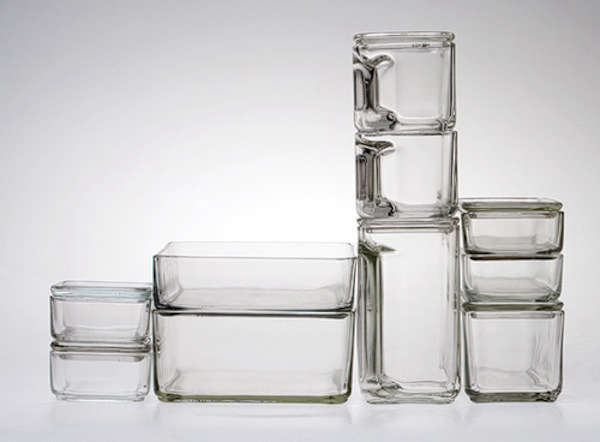
Kubus stacking storage containers are a modular glass food storage system designed to nest, stack, and combine in multiple arrangements. The name “Kubus” comes from the cube-like geometry of the pieces, though the full system includes square, rectangular, and pitcher-like forms. Each piece was designed to work with the others, creating a tidy, space-saving arrangement that feels almost like a miniature glass city.
The containers were produced by Vereinigte Lausitzer Glaswerke in Weisswasser, Germany, where Wagenfeld served as artistic director. Their clear molded glass made contents easy to identify, while interchangeable lids helped reduce fuss in daily use. The containers could be used individually or stacked together as a complete unit, making them especially useful in refrigerators and pantries where every inch matters.
Unlike purely decorative glassware, Kubus was intended for real domestic life. It was built for storing butter, leftovers, sauces, cooked vegetables, dairy, fruit, and other foods. It was also designed to look good enough for the dining table. That refrigerator-to-table idea feels strikingly modern today, especially in homes trying to reduce plastic use and buy fewer disposable storage products.
The Bauhaus Spirit Behind Kubus
To understand Kubus, it helps to understand the Bauhaus idea: everyday objects should be functional, honest, affordable, and visually clear. Wagenfeld studied at the Bauhaus, and his work carried forward the school’s belief that good design should not be locked away in galleries or reserved for the wealthy. It should live on tables, shelves, counters, and in this case, inside the refrigerator beside the pickles.
Kubus reflects that philosophy beautifully. There is no ornamental flourish, no unnecessary handle, no dramatic curve added just to look fancy. The design relies on proportion, transparency, modularity, and repetition. Rounded corners soften the forms, while the raised rims and footed bases help pieces sit securely when stacked. It is simple, but not plain. Practical, but not boring. Basically, it is the kitchen equivalent of a person who wears a crisp white shirt and somehow never spills coffee on it.
Why the Kubus Design Was So Innovative
1. It Made Refrigerator Storage More Efficient
In the 1930s, the refrigerator was becoming a symbol of modern domestic life. Kubus was designed with that new appliance in mind. Instead of bulky bowls covered with plates or random jars fighting for shelf space, Kubus offered a coordinated system. The containers stacked cleanly, helping households organize food vertically rather than spreading everything across the shelf like a culinary traffic jam.
2. It Used Glass Before Glass Became Trendy Again
Modern shoppers often choose glass food storage containers because they are reusable, easy to clean, odor-resistant, and visually appealing. Kubus anticipated many of those preferences decades earlier. Its transparent glass made it easy to see what was inside, which is helpful when trying to avoid the classic refrigerator mystery: “Is this sauce, soup, or something that has developed ambition?”
3. It Connected Storage and Serving
One of Kubus’s smartest ideas was that storage containers did not need to hide backstage. A container could go from pantry or refrigerator directly to the table. That meant less dishwashing, less food transfer, and a more elegant presentation. Put simply, Kubus understood that leftovers deserve dignity too.
4. It Was Modular Before Modular Became a Buzzword
Modularity is everywhere now: modular sofas, modular shelves, modular meal kits, modular everything. Kubus got there early. The pieces were based on proportional dimensions, allowing smaller and larger containers to relate to one another. This made the system flexible. You could use one piece for a small portion or combine several for a full organized spread.
Design Details That Make Kubus Stand Out
The beauty of Kubus lies in the details. The containers are made from clear molded glass, giving them a satisfying weight and a clean architectural presence. The sides are slightly softened rather than razor-sharp, which makes them easier to handle and more pleasant to look at. The lids sit neatly on the containers, and the stacked arrangement creates a unified silhouette.
Some Kubus sets include pitcher-style containers with recessed grip areas, while others feature square and rectangular dishes with matching lids. The complete sets are especially admired because they show the full intelligence of Wagenfeld’s system. However, individual pieces are also prized by collectors and can still be used as small storage dishes, display containers, or tabletop serving pieces.
What makes Kubus feel fresh today is its refusal to overcomplicate the job. It does not need bright colors, gimmicky clips, or a lid that requires a PhD to close. It simply works. In a world where some storage containers seem designed by people who enjoy watching us search for the matching top, Kubus feels refreshingly civilized.
Kubus Containers in Modern Homes
Although original Kubus stacking storage containers are vintage design objects, their concept fits perfectly into modern living. Today’s kitchens are often smaller, busier, and more storage-challenged than we want to admit. A stackable glass system solves several problems at once: it saves space, reduces visual clutter, and makes stored food easier to identify.
For homeowners who love minimalist kitchen storage, Kubus offers inspiration. Even if you do not own an original set, the design teaches valuable lessons: choose transparent materials, favor simple shapes, buy containers that stack securely, and avoid collecting random pieces that refuse to cooperate. Your cabinets should not feel like a lid-themed escape room.
Kubus also works beautifully with contemporary decor styles. In a modern kitchen, the glass forms blend with stainless steel, stone, wood, and ceramic surfaces. In a vintage-inspired kitchen, they add historical charm without looking fussy. In a small apartment, they offer the rare combination of practicality and display value.
Are Kubus Stacking Storage Containers Collectible?
Yes. Original Kubus containers are collectible because they combine several desirable qualities: Bauhaus heritage, Wilhelm Wagenfeld design, functional glassware, and a strong museum presence. Sets and individual pieces appear in decorative arts collections, design museums, vintage marketplaces, and auctions. Complete sets with lids are typically more desirable than isolated pieces, especially when condition is excellent.
Collectors should pay attention to details such as glass clarity, chips, cracks, lid fit, markings, and completeness. Because these containers were made for everyday use, surviving examples may show wear. Minor surface marks may be acceptable depending on age and rarity, but structural damage can affect both value and usability.
If you are buying Kubus containers, treat listings carefully. Look for clear photos from multiple angles, measurements, condition notes, and information about provenance when available. Search terms may include Kubus Geschirr, Wagenfeld Kubus containers, VLG glass containers, and Bauhaus glass storage. The more precise the listing, the better your chances of identifying an authentic or well-documented piece.
How to Use Kubus-Inspired Storage Ideas Today
Use Clear Containers for Better Visibility
One of the biggest benefits of clear glass storage is visibility. When you can see what you have, you waste less food. That lonely roasted carrot cannot hide forever. Kubus reminds us that good storage should reduce guesswork, not create more of it.
Choose Stackable Shapes
Round bowls are lovely, but square and rectangular containers often use shelf space more efficiently. Kubus relies on straight-edged geometry because refrigerators and cabinets are also mostly rectangular. It is a simple match of shape to space, and it works.
Buy Systems, Not Orphans
A storage system works best when the pieces are designed to fit together. Many modern kitchens suffer from container chaos because people buy one set here, another set there, and a mystery lid from 2017 that apparently belongs to nothing on Earth. Kubus shows the value of coordinated proportions.
Make Storage Attractive Enough to Serve
If a container looks good on the table, you save time and reduce dishwashing. Glass containers are especially useful for serving dips, condiments, fruit, nuts, pickles, desserts, and small portions. The Kubus idea encourages us to stop treating food storage as something ugly that must be hidden.
Kubus vs. Modern Plastic Food Containers
Plastic containers are lightweight, affordable, and convenient, but they have drawbacks. They can stain, retain odors, warp, and create lid clutter. Glass containers, including Kubus-style storage pieces, are heavier but often more durable in appearance, easier to clean, and more elegant for serving.
Kubus was not designed as a disposable convenience product. It was built around longevity and repeated use. That makes it relevant in today’s conversations about sustainable kitchen habits. While original vintage Kubus pieces require careful handling, the underlying concept is highly practical: invest in fewer, better containers that work together and last longer.
Decorating With Kubus Containers
Kubus containers are not limited to food storage. Many design lovers use vintage glass containers as display pieces. They can hold tea bags, sugar cubes, wrapped candies, cotton pads, jewelry, office clips, craft supplies, or small collectibles. Because the glass is transparent and geometric, it creates order without visual heaviness.
On open shelving, Kubus pieces look especially striking. Their clear forms catch light and create a quiet rhythm. Place them near white ceramics, stainless tools, wood cutting boards, or vintage glassware for a balanced arrangement. The trick is not to overstyle them. Kubus already has enough design confidence. It does not need a tiny decorative rooster standing next to it for moral support.
Care Tips for Vintage Kubus Glass Containers
If you own original Kubus containers, treat them with respect. Wash them gently by hand using mild dish soap and a soft sponge. Avoid sudden temperature shocks, especially with older glass. Do not stack pieces forcefully, and place padding between containers if storing them for long periods. Inspect lids and rims before use, since small chips can become larger problems over time.
For display, keep the containers away from crowded shelves where they might be bumped. For food use, avoid acidic or strongly colored foods if the glass has surface wear or if you are concerned about staining around old marks. While glass is generally easy to clean, vintage objects deserve a little more patience than a brand-new lunch box tossed into a dishwasher after a heroic battle with lasagna.
Why Kubus Still Feels Relevant
The best designs age gracefully because they solve real problems. Kubus addresses storage, visibility, space efficiency, serving, cleaning, and visual order. Those needs have not disappeared. If anything, they matter more now as people try to live with less clutter and more intention.
Kubus also proves that functional design can have emotional appeal. A well-made container may seem like a small thing, but small things shape daily life. The first object you reach for in the morning, the dish that holds dinner leftovers, the container that keeps your fridge from becoming a cold junglethese items quietly influence how a home feels.
That is the charm of Kubus. It is not dramatic. It does not beg for admiration. It simply stands there, clear and calm, doing its job better than most objects ever will.
Real-Life Experience: Living With Kubus-Inspired Storage
Using Kubus stacking storage containers, or even a modern glass system inspired by the same principles, changes the way you think about kitchen organization. The first thing you notice is how satisfying it feels when containers actually stack properly. It is a small domestic victory, but do not underestimate it. A neat stack in the refrigerator can make you feel like you have your life together, even if dinner is reheated noodles eaten while standing near the sink.
In daily use, the clear glass is a major advantage. You open the refrigerator and immediately see what is available. Leftover rice, cut fruit, cooked vegetables, soup, and sauces are easy to identify. That visibility helps reduce food waste because forgotten leftovers are less likely to disappear behind opaque plastic tubs. It also makes meal planning easier. When everything is visible, the question changes from “What is in here?” to “What can I make with this?”
The stackable design is especially helpful in small kitchens. Apartment refrigerators are not known for generosity. They offer just enough room to make you negotiate with a carton of eggs. Kubus-style containers help because they build upward. Instead of spreading dishes across the shelf, you can create stable vertical layers. Small containers can sit on larger ones, and lids create flat surfaces for stacking. It is practical design doing exactly what practical design should do.
Another pleasant experience is serving directly from glass containers. A small Kubus-style dish of olives, berries, cheese cubes, nuts, or pickled vegetables looks intentional on the table. There is no need to transfer everything into a separate bowl just to appear civilized. The container itself becomes part of the presentation. This is where the refrigerator-to-table concept really shines. It saves time, reduces cleanup, and makes casual meals feel a little more polished.
There are, of course, a few realities to consider. Glass is heavier than plastic, so it may not be ideal for every lunch bag or every household with young children. Vintage Kubus pieces also require careful handling. You would not want to toss one into a crowded sink under a cast-iron pan unless your hobby is regret. But for home storage, pantry organization, and table use, the weight feels like quality rather than inconvenience.
The biggest lesson from Kubus is that good storage should make life easier and calmer. It should help you find things, save space, clean quickly, and enjoy the look of your kitchen. After using a coordinated glass system, mismatched plastic containers start to feel less like storage and more like a committee that cannot agree on anything.
Kubus also encourages more mindful habits. Because the containers are beautiful, you are more likely to wash them carefully, reuse them often, and keep them visible. They make organization feel less like a chore and more like a design choice. That is powerful. When practical objects are pleasant to use, people actually use them.
Conclusion
Kubus Stacking Storage Containers remain fascinating because they are both historical and surprisingly current. Designed by Wilhelm Wagenfeld, they represent Bauhaus ideals in one of the most ordinary places imaginable: the refrigerator. Their molded glass construction, modular proportions, stackable forms, and table-ready appearance make them a brilliant example of everyday design done right.
Whether you are a collector, a design enthusiast, or simply someone tired of battling a cabinet full of rebellious lids, Kubus offers a timeless lesson. Storage does not have to be ugly. Function does not have to be dull. A container can be practical, elegant, durable, and quietly joyful. That is the magic of Kubus: it turns the humble act of storing leftovers into a small architectural event.