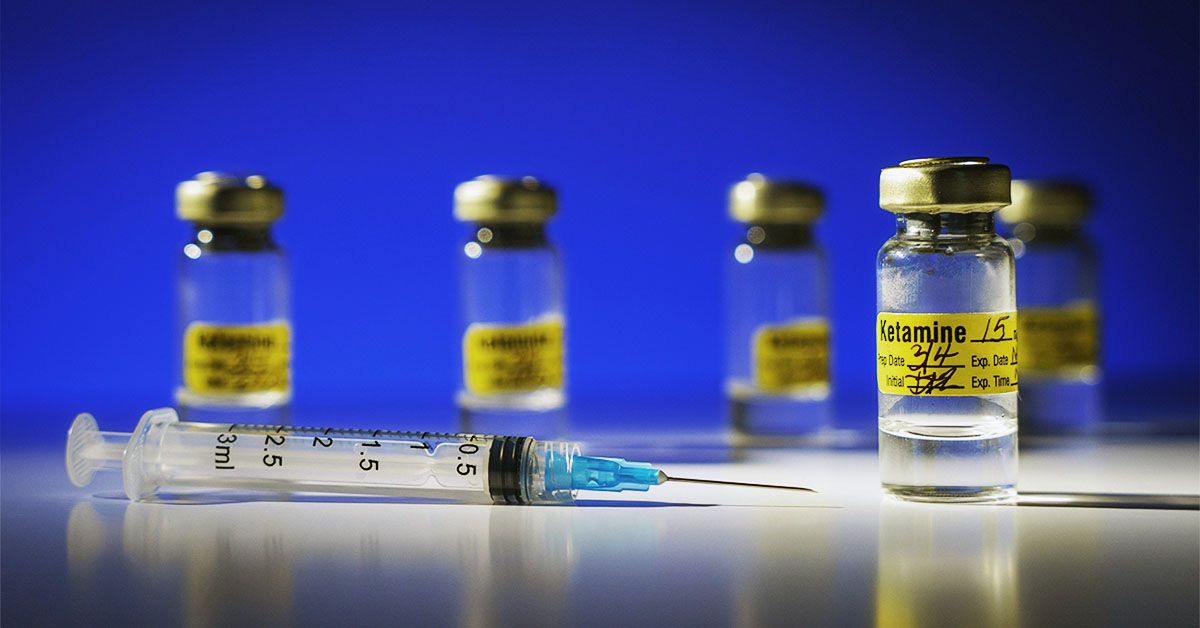
Ketamine is one of those medicines that makes people say, “Wait, isn’t that an anesthetic… and also something people talk about for depression?” The answer is yes, with several important asterisks, safety rails, and absolutely no cowboy behavior. Ketamine is a dissociative anesthetic, meaning it can reduce pain, produce sedation, and create a feeling of separation from the body or surroundings. In medical settings, that can be useful. Outside medical supervision, it can be risky, unpredictable, and legally serious.
In the United States, ketamine has long been used in hospitals, emergency departments, surgical care, and veterinary medicine. More recently, it has gained attention because of research into treatment-resistant depression, suicidal thoughts, chronic pain, and other conditions. However, attention is not the same thing as a green light. The safest way to understand ketamine is to separate three things: approved medical use, supervised off-label treatment, and unsafe nonmedical use.
What Is Ketamine?
Ketamine is a medication that acts mainly on the brain’s glutamate system, especially NMDA receptors. That sounds like something from a neuroscience spelling bee, but the basic idea is simpler: ketamine affects how nerve cells communicate, especially in pathways related to pain, perception, mood, and memory. Unlike many sedatives, ketamine can preserve breathing and airway reflexes better than some alternatives, which is one reason clinicians value it in specific procedures.
Ketamine is called a dissociative anesthetic because it can make a patient feel detached from pain and from the surrounding environment. In an operating room or emergency department, that effect may help doctors perform a painful procedure. In a clinic treating depression, dissociation may occur as a temporary side effect. In recreational use, the same effect can become frightening, impairing, or dangerous.
Is Ketamine Legal?
Ketamine is legal in the United States only when used appropriately under medical authority. It is a Schedule III controlled substance, which means it has accepted medical uses but also potential for misuse, dependence, and harm. Possessing or using ketamine without a valid prescription or medical setting can lead to legal consequences.
This distinction matters because online conversations often blur the line between “a doctor may use this medicine” and “anyone can experiment with it.” Those are not cousins. They are not even neighbors. Medical ketamine is screened, measured, monitored, and documented. Nonmedical use is uncontrolled, and the body is not impressed by vibes-based pharmacology.
Common Medical Uses of Ketamine
1. Anesthesia and procedural sedation
Ketamine is best known as an anesthetic. Clinicians may use it before or during surgery, painful procedures, wound care, fracture reduction, or emergency treatment. It can reduce pain, produce sedation, and help patients tolerate procedures that would otherwise be extremely uncomfortable.
2. Emergency medicine
Emergency clinicians may use ketamine in carefully selected situations, such as severe injuries, agitation, or urgent procedures. Its fast onset and pain-relieving properties can make it useful when time matters and the patient needs close monitoring.
3. Pain management
Ketamine is sometimes used in pain medicine, especially for certain complex or difficult-to-treat pain conditions. These uses are typically specialist-guided and may involve infusion protocols in monitored settings. Ketamine is not a casual pain reliever like ibuprofen, and it is not appropriate for every type of pain.
4. Treatment-resistant depression research and care
Ketamine has attracted major interest for treatment-resistant depression, especially because some patients report faster mood improvement than with standard antidepressants. Traditional antidepressants often take weeks to show benefit. Ketamine-related treatment may act more quickly in some people, although results vary and careful follow-up is essential.
Important clarification: ketamine itself is not FDA-approved for treating psychiatric disorders. However, esketamine, a related medication sold as Spravato, is FDA-approved for certain adults with treatment-resistant depression and some depressive symptoms in major depressive disorder. Spravato must be given under supervision in a certified healthcare setting, with monitoring afterward.
Ketamine vs. Esketamine: What Is the Difference?
Ketamine contains two mirror-image molecules, often described as enantiomers. Esketamine is one of those forms. While they are related, they are not interchangeable in a casual sense. Esketamine nasal spray has gone through FDA review for specific psychiatric indications and comes with strict safety requirements. IV ketamine for depression, by contrast, is commonly discussed as an off-label treatment, meaning a clinician may use it based on medical judgment, but it is not FDA-approved specifically for that psychiatric purpose.
Think of it like coffee and espresso: related, yes; identical, no; and please do not pour either into your car and call it innovation.
How Ketamine May Work in Depression
Most classic antidepressants focus on serotonin, norepinephrine, or dopamine. Ketamine appears to work differently by influencing glutamate signaling and possibly helping the brain form or strengthen synaptic connections. In plain English, researchers believe it may help certain brain circuits become more flexible. That does not mean ketamine “rewires the brain overnight” like a motivational poster with a lab coat. It means scientists are studying a complex biological effect that may explain rapid mood changes in some patients.
For people with treatment-resistant depression, ketamine-related therapy is usually considered only after other treatments have not worked well enough. A thorough evaluation should include mental health history, medication review, substance use screening, blood pressure assessment, and discussion of risks and benefits.
Short-Term Effects of Ketamine
Ketamine’s short-term effects can vary depending on dose, route, medical condition, setting, and other medications. Under medical supervision, clinicians expect and monitor many of these effects. Outside supervision, the same effects can become dangerous.
- Drowsiness or sedation
- Dizziness or lightheadedness
- Nausea or vomiting
- Blurred vision
- Feeling detached from the body or environment
- Confusion or unusual thoughts
- Temporary increases in blood pressure or heart rate
- Slowed reaction time and impaired coordination
- Anxiety, panic, or hallucinations in some people
Because ketamine can affect perception and coordination, patients receiving supervised treatment are usually told not to drive, operate machinery, make major decisions, or attempt heroic grocery shopping afterward. The cereal aisle can wait.
Longer-Term Risks and Concerns
Repeated or unsupervised ketamine use may carry additional risks. These can include memory problems, mood changes, tolerance, dependence, urinary tract symptoms, bladder problems, abdominal pain, and worsening mental health symptoms in vulnerable individuals. People with certain psychiatric conditions, uncontrolled high blood pressure, heart disease, substance use disorders, or pregnancy-related concerns may face higher risks.
The bladder issue deserves special attention. Chronic misuse of ketamine has been associated with painful urinary symptoms and bladder damage. This is not a cute side effect. It is a real medical problem that can significantly affect quality of life.
Compounded Ketamine: Why the FDA Has Warned Patients
Compounded ketamine products, including oral tablets, lozenges, or nasal sprays, have become more visible through telehealth and wellness marketing. Compounding can have a legitimate role when a patient’s medical needs cannot be met by an approved product. However, compounded drugs are not FDA-approved, meaning they do not go through the same premarket review for safety, effectiveness, and quality.
The FDA has warned about potential risks from compounded ketamine products used for psychiatric disorders, including abuse, misuse, psychiatric events, increased blood pressure, breathing problems, and urinary or bladder symptoms. The concern is especially serious when ketamine is taken at home without proper monitoring. A relaxing couch, a playlist, and a blood pressure cuff you forgot to use do not equal a medical clinic.
What Happens During Supervised Ketamine or Esketamine Treatment?
In a legitimate clinical setting, treatment begins before the medicine appears. A qualified clinician reviews the patient’s diagnosis, medications, medical history, substance use history, blood pressure, and treatment goals. Patients are usually advised to arrange transportation home because they should not drive after treatment.
During treatment, clinicians monitor vital signs, mental state, comfort, and side effects. With esketamine nasal spray, patients self-administer the medication under direct observation and remain monitored afterward. With IV ketamine, a medical professional administers and monitors the infusion. The treatment room is typically calm, controlled, and boring in the best possible way. In medicine, “boring” often means “safe.”
After treatment, patients are observed until they are clinically stable. Follow-up is not optional decoration. It is part of the care plan. Patients may need ongoing psychotherapy, medication adjustments, lifestyle support, crisis planning, or other mental health treatment. Ketamine is not a magic wand; it is a tool, and tools work best when someone trained is holding them.
Who Should Be Careful With Ketamine?
Ketamine may not be appropriate for everyone. People should speak with a licensed clinician before considering any ketamine-related treatment, especially if they have:
- Uncontrolled high blood pressure
- Serious heart or blood vessel disease
- A history of psychosis, mania, or severe dissociation
- Current substance use disorder or high risk of misuse
- Severe liver disease
- Pregnancy or plans to become pregnant
- Breathing problems or use of sedating medications
- Bladder or urinary tract problems
This does not mean every person in these categories is automatically excluded, but it does mean the decision requires medical expertise. “I read three forum posts” is not a substitute for a physician, psychiatrist, anesthesiologist, or qualified prescribing clinician.
Ketamine Side Effects: What Patients Often Notice
In supervised treatment, patients commonly describe unusual sensations. Some feel floaty. Some feel as if time is stretching. Some notice colors, memories, emotions, or dreamlike thoughts. Others simply feel sleepy or mildly strange. The experience can be calming for one person and uncomfortable for another.
Physical side effects may include nausea, headache, dizziness, blurred vision, or temporary blood pressure changes. Psychological side effects may include anxiety, confusion, or distressing dissociation. A safe clinic prepares for these possibilities instead of acting surprised, the way someone acts surprised when toast pops out of a toaster.
Can Ketamine Be Addictive?
Ketamine has misuse potential. Some people use it recreationally for dissociation or hallucination-like effects, and repeated nonmedical use can lead to cravings, tolerance, risky behavior, and health problems. The addiction risk is one reason ketamine is controlled and why medical programs screen patients carefully.
Supervised medical use is not the same as misuse, but supervision does not erase risk. Patients should be honest with clinicians about substance use history, alcohol use, sedatives, and any urge to take more medication than prescribed. The best medical plan is built on truth, not on a polished version of reality wearing a nice hat.
Myths About Ketamine
Myth 1: Ketamine is just a party drug.
False. Ketamine is a real medication with important medical uses. It is also misused recreationally. Both facts can be true at once.
Myth 2: Ketamine cures depression instantly.
False. Some people experience rapid improvement, but others do not respond, relapse, or need ongoing treatment. Depression care remains complex.
Myth 3: At-home ketamine is always safe if prescribed online.
False. The FDA has raised concerns about compounded ketamine products, especially when used without adequate monitoring.
Myth 4: Dissociation means the treatment is working.
Not necessarily. Dissociation can happen, but it is not a simple scoreboard for effectiveness.
Practical Questions to Ask a Ketamine Clinic
If someone is considering ketamine-related treatment, they should ask direct questions before starting. A reputable clinic should welcome them.
- Who evaluates whether I am a candidate?
- Is the treatment FDA-approved for my condition, or is it off-label?
- What monitoring is provided during and after treatment?
- What happens if my blood pressure rises or I panic?
- How do you screen for substance use risk?
- Do you coordinate with my psychiatrist or therapist?
- What is the follow-up plan if symptoms return?
- What are the total costs, including evaluation and monitoring?
Good care has answers. Vague wellness language, pressure to buy packages, or promises of guaranteed transformation should make your eyebrows pack a suitcase and leave.
Realistic Experiences Related to Ketamine Treatment
Because ketamine is discussed so widely, it helps to imagine what real-world experiences may look like. These examples are general educational scenarios, not personal medical advice.
One patient with treatment-resistant depression might arrive at a clinic after years of trying standard antidepressants and therapy. They may feel hopeful but nervous, especially if they have read dramatic stories online. Before treatment, the clinician reviews their history, checks blood pressure, explains possible dissociation, and confirms a ride home. During the session, the patient may feel as if their body is heavy and their thoughts are unusually distant. They may notice memories or emotions without the usual sharp edges. Afterward, they might feel tired, reflective, or mildly nauseated. The next day, they may feel some mood relief, or they may feel no clear change yet. Either outcome is possible.
Another person might seek ketamine for chronic pain after multiple therapies have failed. Their experience may focus less on mood and more on whether pain intensity, sensitivity, or function improves. They may track sleep, mobility, medication use, and flare patterns. A responsible pain specialist would not judge success only by a single “pain score” but by daily function: Can the patient walk farther, sleep better, return to work, or reduce emergency visits?
A third person might have a difficult session. They may feel frightened by dissociation or become anxious when their sense of time changes. This is why clinical support matters. A trained team can offer reassurance, adjust the environment, monitor vital signs, and decide whether treatment should continue. Ketamine care is not supposed to be a test of toughness. Nobody gets a medal for silently panicking in a recliner.
Some patients describe ketamine sessions as emotionally meaningful, but meaning is not the same as guaranteed healing. A vivid treatment experience still needs integration: therapy, journaling, lifestyle changes, medication management, family support, and crisis planning when needed. Without follow-up, even a powerful session can become just an unusual afternoon with medical paperwork.
There are also experiences people should avoid entirely. Buying ketamine illegally, taking unknown doses, mixing it with alcohol or sedatives, or using it alone can create serious risks. Confusion, falls, accidents, breathing problems, panic, and unsafe behavior can happen. The safest “experience” with ketamine is boringly professional: screened beforehand, monitored during treatment, supported afterward, and connected to a larger care plan.
Conclusion
Ketamine is a valuable medicine with a complicated public reputation. In medical settings, it can serve as an anesthetic, a procedural sedation tool, and, in some specialist contexts, part of pain or mental health treatment. In psychiatric care, ketamine-related therapy has created hope for people who have not responded to standard treatments, but hope should travel with seatbelts. Ketamine itself is not FDA-approved for psychiatric disorders, while esketamine nasal spray has specific FDA-approved uses and strict monitoring requirements.
The bottom line is simple: ketamine is powerful, promising, and not casual. It can help some patients when used carefully, but it can also cause side effects, misuse, dependence, and medical complications. Anyone considering ketamine treatment should work with licensed professionals, ask detailed questions, and avoid at-home or unsupervised shortcuts. Your brain deserves more than a trendy headline and a questionable lozenge.
Note: This article is for educational publishing purposes only and does not replace medical advice, diagnosis, or treatment from a licensed healthcare professional.