Note: This article synthesizes real interior design guidance and current shelving trends from reputable American home, lifestyle, and design publications, rewritten in original language for web publishing.
Instagram has turned ordinary walls into tiny stages. One minute you are checking a recipe, the next you are staring at a stranger’s floating shelves thinking, “Why does their olive oil look like it went to design school?” That is the magic of modern shelf styling. Shelves are no longer just boards attached to walls so books have somewhere to recover from being ignored. They are storage, personality, architecture, mood lighting, and sometimes a gentle public announcement that yes, you do own a ceramic vase shaped like a pear.
The best shelving ideas on Instagram work because they balance beauty with usefulness. They make a room feel more finished without making it look like a furniture showroom where nobody is allowed to sit down. Whether you live in a spacious home, a small apartment, a dorm-style bedroom, or a kitchen where every inch is already negotiating for survival, the right shelves can transform empty wall space into something practical and memorable.
In this guide, we will explore sensational shelving ideas inspired by Instagram-worthy interiors, professional design principles, small-space storage strategies, and real-life styling habits that actually work outside the camera frame. Because a shelf should look good in a photo, yes, but it should also survive Monday morning, missing keys, coffee mugs, mail piles, and that one candle you bought because it smelled like “coastal library.”
Why Instagram Shelving Ideas Are So Addictive
Instagram loves shelves because shelves tell a story quickly. A room with a blank wall can feel unfinished, but a well-styled shelf creates instant character. In one square image, viewers can see color, texture, hobbies, taste, travel memories, books, plants, art, and maybe a tiny brass animal that serves no purpose except being charming. That is powerful visual storytelling.
The most successful shelf designs usually follow a simple formula: function first, style second, editing always. Open shelving works especially well because it gives everyday objects permission to become décor. Cookbooks, ceramics, glassware, framed prints, baskets, woven boxes, and plants can all become part of the design. The trick is not to display everything you own. Your shelves should not look like your junk drawer got promoted.
Floating Shelves: The Instagram Classic
Floating shelves are popular for a reason. They look clean, modern, and light, making them ideal for small rooms or tight corners. Because the brackets are hidden, the shelves appear to hover on the wall, which gives the display a sleek architectural feel. Floating shelves are especially useful in kitchens, bathrooms, living rooms, home offices, nurseries, and entryways.
Where Floating Shelves Work Best
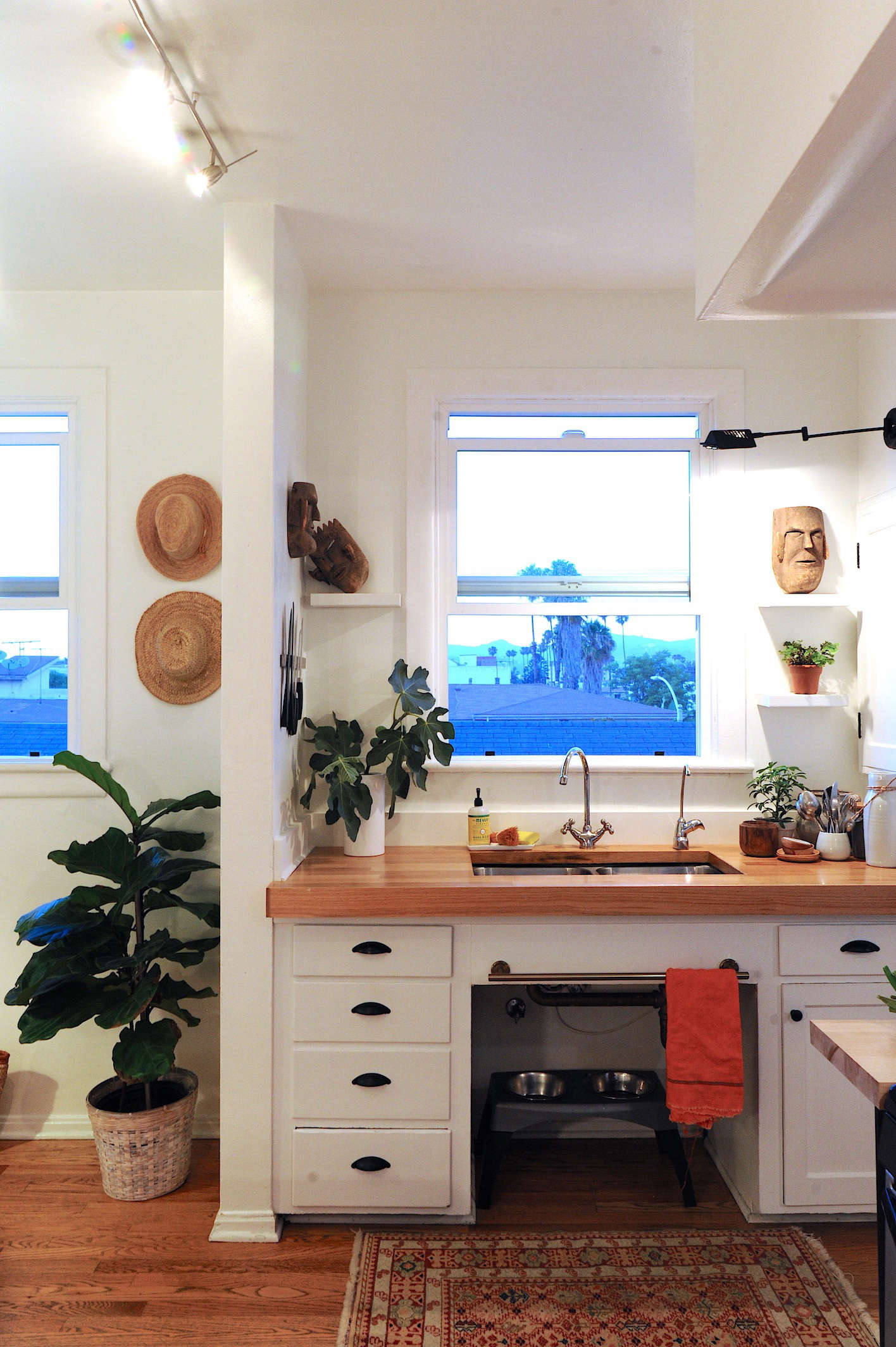
In the kitchen, floating shelves can replace bulky upper cabinets or fill an awkward wall next to a window. Use them for everyday dishes, pretty mugs, cutting boards, small framed art, and a few cookbooks. In the bathroom, floating shelves can hold towels, jars, candles, folded washcloths, and small plants. In the living room, they can frame a fireplace, fill a narrow nook, or create a gallery-style display above a sofa.
The key is weight awareness. A shelf holding three paperback books and a tiny succulent is living an easy life. A shelf holding cast-iron pans, stacks of dinner plates, and your emotional support coffee mug collection needs proper installation. Always check the weight capacity, use the correct wall anchors, and mount into studs when possible. A fallen shelf is not “rustic charm.” It is a design emergency with splinters.
Built-In Shelves: The Custom Look Everyone Saves
Built-in shelves are the dream. They make a room look intentional, polished, and expensive, even when styled with affordable pieces. On Instagram, built-ins often appear around fireplaces, media walls, home offices, dining rooms, and reading corners. They can stretch from floor to ceiling, wrap around doorways, or turn an unused alcove into a major design moment.
Built-ins are excellent because they combine open and closed storage. The lower cabinets can hide board games, cables, paperwork, toys, pet supplies, and all the mysterious things adults accumulate. The upper shelves can display books, art, baskets, ceramics, framed photos, and sculptural pieces. This mix keeps the room useful without letting clutter become the main character.
How to Style Built-Ins Without Overthinking
Start with your largest items first: baskets, framed art, tall vases, storage boxes, and bigger books. Then add medium pieces, followed by smaller accents. Leave some empty space so the eye can rest. A shelf with breathing room looks curated. A shelf filled edge-to-edge looks like it is preparing for a yard sale.
For a designer-inspired look, vary the height and scale of objects. Place vertical books beside horizontal stacks. Lean artwork behind small objects. Use baskets to add texture. Repeat a few colors throughout the shelves so the arrangement feels connected. This creates rhythm without making everything match too perfectly.
Open Kitchen Shelving That Looks Pretty and Still Works
Open kitchen shelving is one of the most photographed design ideas online, but it can be tricky in real life. When done well, it makes a kitchen feel airy, relaxed, and personal. When done badly, it becomes a dusty stage for mismatched plastic containers and cereal boxes having an identity crisis.
The best open kitchen shelves display items that are attractive and useful. Think white or neutral dishes, ceramic bowls, glass jars, wood cutting boards, small art, fresh herbs, pretty pitchers, and cookbooks. These items feel natural in a kitchen and are easy to reach. Store bulky appliances, food packaging, cleaning supplies, and chaotic stacks of containers behind closed cabinet doors.
Simple Open Shelf Formula for Kitchens
Use one shelf for everyday items and one shelf for decorative balance. For example, the lower shelf might hold plates, bowls, and mugs. The upper shelf might include a framed print, a small plant, a pitcher, and a stack of cookbooks. This keeps the shelves functional without losing the “I casually live inside a magazine spread” effect.
Material also matters. Warm wood shelves can soften a white kitchen. Marble shelves add elegance to a small area. Metal shelves bring a more industrial or modern edge. Painted shelves can blend into the wall for a quiet look or contrast for drama. Choose a finish that connects with your cabinets, hardware, floors, or countertops.
Bathroom Shelving: Small Space, Big Style
Bathrooms are usually short on storage and long on tiny bottles. Shelving helps solve that problem without taking up floor space. Above the toilet, beside the mirror, over the bathtub, or next to the vanity, shelves can create room for towels, skincare, candles, jars, and decorative accents.
For a clean bathroom shelf, use containers. Matching baskets, glass jars, ceramic cups, and small trays keep essentials from looking scattered. Roll washcloths, stack hand towels, and group beauty products by category. Add one decorative object, such as a small artwork or plant, so the shelf looks styled rather than purely functional.
If the bathroom is humid, choose materials carefully. Painted wood, sealed wood, metal, glass, and stone can work well depending on ventilation. Avoid overcrowding the shelf. Bathroom clutter multiplies quietly, like socks in a laundry basket.
Corner Shelves: The Small-Space Hero
Corners are often wasted, which is rude considering how expensive square footage is. Corner shelves turn awkward areas into useful displays. They work well in bedrooms, kitchens, bathrooms, entryways, and tiny living rooms. A set of corner floating shelves can hold plants, books, candles, small baskets, spices, or personal treasures.
Corner shelves are especially useful for renters and apartment dwellers because they add storage without requiring large furniture. In a compact room, replacing a bulky bookcase with wall-mounted corner shelving can make the floor feel more open. The result is practical, airy, and ready for a smug little “small space hack” caption.
Bookshelf Wealth: The Anti-Perfect Shelf Trend
One of the most charming design trends connected to shelves is “bookshelf wealth.” The idea is not about showing off expensive objects. It is about creating shelves that feel collected, lived-in, intelligent, and personal. Instead of perfectly matching décor, bookshelf wealth celebrates books, art, travel finds, inherited pieces, framed photos, and objects with stories.
This look works because it rejects the overly staged shelf. A bookshelf wealth arrangement might include old novels, a museum postcard, a lamp, a handmade bowl, a family photo, and a slightly strange flea-market object that nobody fully understands but everyone respects. The shelves feel human, not robotic.
How to Create the Look
Start with real books. Mix vertical rows with horizontal stacks. Add personal objects that mean something to you. Use art in different sizes. Bring in texture through wood, ceramic, metal, fabric, and woven baskets. Do not worry if everything is not symmetrical. The charm comes from thoughtful imperfection.
However, “collected” is not the same as “cluttered.” Edit the display so each shelf has a focal point. Group smaller items together. Leave negative space. Let the arrangement look layered, not lost.
Shelf Styling Rules That Make Any Shelf Look Better
Great shelf styling does not require a design degree, a giant budget, or a suspicious number of beige vases. It requires a few reliable principles.
1. Mix Heights and Shapes
A shelf where every item is the same size looks flat. Combine tall vases, short bowls, stacked books, framed art, and sculptural objects. This creates movement and keeps the eye interested.
2. Use Odd-Numbered Groupings
Groups of three or five often feel natural. Try a small plant, a framed photo, and a candle together. Or stack two books with a decorative object on top. Odd-numbered arrangements tend to look relaxed and balanced.
3. Repeat Colors
Pick two or three colors and repeat them across the shelves. This does not mean everything must match. It simply gives the arrangement a visual thread. For example, black picture frames, white ceramics, and warm wood accents can appear throughout the display.
4. Layer Objects
Lean a framed print against the back of the shelf, then place a smaller object in front of it. Layering adds depth and makes shelves feel designed rather than lined up like a classroom attendance chart.
5. Add Texture
Texture keeps shelves from looking sterile. Use woven baskets, linen boxes, rough pottery, glossy ceramics, smooth glass, natural wood, and metal accents. Even a simple shelf becomes more interesting when textures play together.
Instagram-Worthy Shelving Ideas by Room
Living Room
In the living room, shelves should support the atmosphere of the space. Use them to display books, art, plants, family photos, decorative boxes, candles, and collected objects. Built-ins around a fireplace create a classic look. Floating shelves beside a TV can soften electronics and make the wall feel less empty.
Bedroom
Bedroom shelves should feel calm and personal. Use shelves as nightstands in small rooms, or install a narrow picture ledge above a dresser. Display framed art, a few favorite books, a small lamp, and sentimental items. Avoid overcrowding; the bedroom should not feel like a storage unit wearing perfume.
Home Office
Office shelves need to work hard. Combine closed boxes for paperwork with open displays for books, awards, plants, and inspiring objects. Floating shelves above a desk can free up surface space, while a wall of shelving can create a professional video-call background that says, “I am organized,” even if your desktop says otherwise.
Entryway
An entryway shelf can become a command center. Add hooks underneath for keys, bags, hats, or dog leashes. Use a small tray for mail and sunglasses. Add a mirror above the shelf to make the area feel brighter and more useful. This is one of the easiest ways to make the first impression of a home feel polished.
Kids’ Rooms
Forward-facing book ledges are excellent for children’s rooms because they make books easy to see and reach. Low shelves with baskets can hold toys, art supplies, and stuffed animals. Keep heavy objects low and secure shelving properly. Cute matters, but safety gets the front-row seat.
Materials That Make Shelves Feel Special
The material of a shelf changes the entire mood of a room. Natural wood feels warm and timeless. White painted shelves feel clean and classic. Black shelves add contrast and drama. Glass shelves look light and elegant, especially in bathrooms or small rooms. Metal shelves can feel modern, industrial, or minimalist. Marble or stone shelves add luxury in small doses.
For an Instagram-inspired look, pay attention to the relationship between the shelf and the wall. A wood shelf on a white wall creates warmth. A painted shelf in the same color as the wall feels custom and subtle. A dark shelf against pale paint creates a bold graphic line. Wallpaper behind shelves can create a layered, designer-style backdrop.
Common Shelf Styling Mistakes to Avoid
The first mistake is overcrowding. Shelves need room to breathe. If every inch is full, even beautiful objects disappear into visual noise. The second mistake is using too many tiny items. Small pieces can look messy unless grouped carefully. The third mistake is ignoring function. A shelf that looks good but cannot hold what you need will eventually become annoying.
Another common mistake is choosing shelves that do not match the room’s style. Rustic wood shelves may look awkward in a sleek minimalist room. Thin glass shelves may feel too delicate in a cozy farmhouse kitchen. Choose shelving that belongs to the room, not just to the trend you saved at midnight.
Budget-Friendly Shelving Ideas
You do not need custom carpentry to create beautiful shelves. Affordable wall shelves, picture ledges, modular cubes, thrifted bookcases, repainted cabinets, and DIY wood boards can all look elevated with thoughtful styling. Paint is one of the cheapest upgrades. Painting a basic bookcase the same color as the wall can make it feel built-in. Adding peel-and-stick wallpaper to the back of a shelf can create pattern and depth, as long as it is applied neatly and suits the room.
Thrift stores are also excellent for shelf décor. Look for ceramic bowls, brass candlesticks, old books, baskets, frames, and small artwork. The goal is not to buy random objects. The goal is to find pieces with texture, shape, and character. A $4 vase with personality often beats a brand-new object that looks like it was designed by a committee of beige rectangles.
How to Make Shelves Feel Personal
The most engaging shelves reveal something about the person who lives there. Display books you actually like, not just books with trendy covers. Add travel souvenirs that have meaning. Frame small prints, postcards, or family photos. Include handmade pieces, inherited objects, or items connected to your hobbies.
Personal shelves are memorable because they are specific. Anyone can buy a white vase. Not everyone has your grandmother’s recipe box, your favorite poetry collection, a ceramic mug from a road trip, or a tiny framed photo from the day your dog looked unusually wise. Those are the details that make shelves feel alive.
of Real-Life Experience: What Shelving Teaches You After You Actually Try It
Here is the funny thing about shelving: it looks effortless only after you have moved the same vase seventeen times. The first attempt usually feels too empty. The second attempt looks like a gift shop. The third attempt somehow involves a stack of books leaning at an angle that suggests they have given up. But eventually, the shelf starts to make sense.
One of the most useful experiences with shelf styling is learning that subtraction is just as important as addition. At first, it is tempting to gather every attractive object in the house and give it a spot. A candle here, a bowl there, a framed picture, three plants, a wooden bead garland, a souvenir, another candle because apparently candles travel in herds. Then you step back and realize the shelf has become a very polite traffic jam. Removing a few items often makes the remaining pieces look more intentional.
Another real-life lesson is that shelves need to match your habits. If you drink coffee every morning, a kitchen shelf with mugs and beans can be genuinely helpful. If you never bake, displaying cake stands and flour jars may look pretty but feel fake. If you read at night, a bedroom shelf with books and soft lighting makes sense. If you mostly use that space to drop receipts, then add a small tray before pretending you are suddenly becoming a minimalist poet.
Plants are another learning curve. Instagram shelves love trailing pothos, delicate ferns, and tiny succulents. Real life adds questions like: Does this shelf get sunlight? Can I reach the plant to water it? Will the pot leak? Is the plant slowly leaning toward the window like it is planning an escape? Greenery is wonderful, but only when it suits the space. Low-maintenance plants are often the best choice for shelves, especially in kitchens and bathrooms.
Lighting also changes everything. A shelf that looks flat during the day can look cozy with a small lamp, picture light, or nearby sconce. Warm light brings out texture in wood, ceramics, baskets, and books. It also makes the room feel more layered. This is why so many Instagram shelves look magical in evening photos. The secret is not always expensive décor. Sometimes it is simply good lighting and the absence of laundry in the frame.
The biggest experience-based tip is to let shelves evolve. You do not have to finish them in one afternoon. Start with what you own. Add slowly. Swap objects seasonally. Move books around. Replace items that no longer feel like you. Shelving is not a permanent exam. It is a living display. The best shelves grow with your taste, your travels, your hobbies, and your daily routines.
And yes, take a photo. Not because everything has to be posted, but because a photo helps you see the arrangement differently. Gaps, clutter, awkward heights, and color imbalance show up quickly on camera. Instagram may have inspired the shelf, but your own eye should make the final decision.
Conclusion: Sensational Shelves Start With Real Life
Inspired Through Instagram: Sensational Shelving Ideas is really about turning ordinary storage into personal design. The most beautiful shelves are not just trendy; they are useful, edited, layered, and meaningful. Floating shelves can make small rooms feel open. Built-ins can add architectural polish. Open kitchen shelves can blend charm with convenience. Bathroom shelves can turn clutter into calm. Bookshelves can tell the story of a home better than almost any other design feature.
The secret is balance. Mix function with beauty. Combine new pieces with old ones. Use books, art, baskets, plants, ceramics, and personal objects. Leave room for the eye to rest. Choose materials that suit your space. Most importantly, create shelves that make sense for how you live. Because the best shelf is not the one that gets the most likes. It is the one that makes you smile when you walk past it, even before the room is clean enough for a photo.