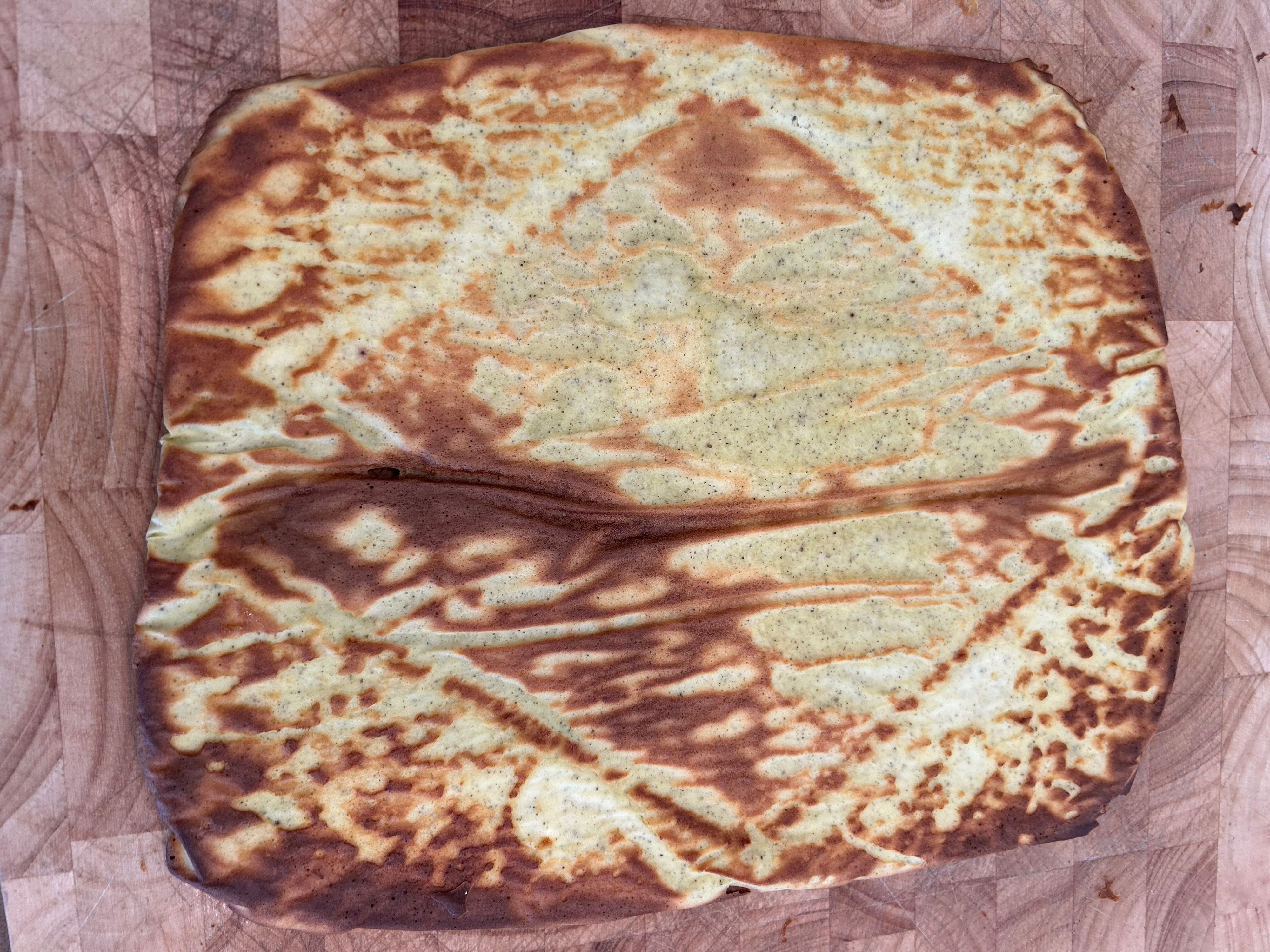
Some food trends arrive with fireworks. Others arrive with a blender, a tub of cottage cheese, and a suspiciously confident person on social media promising that two ingredients can replace bread. Naturally, I had questions. Could cottage cheese flatbread really be chewy, flexible, high-protein, and satisfying? Or was this another internet recipe that looks amazing online but comes out of the oven with the personality of a damp paper towel?
So I tried the cottage cheese flatbread trend myself. I blended, baked, waited, peeled parchment with the intensity of a surgeon, and filled the finished wrap with everything from turkey and avocado to eggs and hot sauce. The result? Surprisingly usefulthough not exactly a perfect bread replacement. Think of it less as “flatbread” in the bakery sense and more as a protein-packed, grain-free wrap that can carry lunch without collapsing into existential crisis.
This article breaks down what cottage cheese flatbread is, why it went viral, how it tastes, where it shines, where it struggles, and whether you should actually make it. Spoiler: yes, but with realistic expectations and a good sheet of parchment paper.
What Is Cottage Cheese Flatbread?
Cottage cheese flatbread is a baked, blended mixture usually made with cottage cheese and eggs. Most versions also include seasonings such as garlic powder, Italian seasoning, everything bagel seasoning, cumin, paprika, or black pepper. The mixture is spread thinly on a parchment-lined baking sheet and baked until firm enough to use as a wrap, sandwich base, breakfast taco shell, or low-carb pizza-style crust.
The basic formula is simple:
- Cottage cheese for creaminess, protein, and structure
- Eggs for binding and flexibility
- Seasonings for flavor
- Time in the oven for the transformation from “blended dairy soup” to “hey, this might actually work”
Unlike traditional flatbread, this version does not rely on flour, yeast, or gluten. That makes it appealing to people looking for a higher-protein, grain-free, or lower-carb alternative. However, it also means the texture is different from pita, naan, tortillas, or lavash. It is softer, eggier, and more delicate. It bends, but it does not tear like real bread. It holds fillings, but it prefers not to be overloaded like a burrito at 2 a.m.
Why the Cottage Cheese Flatbread Trend Went Viral
Cottage cheese has had a major comeback. For years, it sat quietly in the dairy aisle like the sensible aunt of the cheese family. Then social media discovered it could be blended into dips, sauces, ice cream, pancakes, edible cookie dough, and now flatbread. Suddenly cottage cheese was not boring. It was “high-protein.” It was “versatile.” It was “meal prep friendly.” It was wearing sunglasses indoors.
The cottage cheese flatbread trend became popular because it checks several boxes at once. It looks simple. It uses affordable ingredients. It promises a lot of protein. It works for savory breakfasts and lunches. It can be made ahead. It also has that magical internet quality where the before-and-after is dramatic: one minute you have lumpy cottage cheese, the next you have something that looks like a wrap.
For busy home cooks, that is an attractive pitch. Many people want meals that feel filling without requiring a culinary degree, a sourdough starter, or a counter covered in flour. Cottage cheese flatbread fits the “blend it, bake it, fill it” lifestyle perfectly.
How I Made It
For my test, I used a basic version inspired by the most common viral method: cottage cheese, eggs, garlic powder, Italian seasoning, and a small pinch of salt. I blended the mixture until smooth, spread it thinly over parchment paper, and baked it at 350°F until the surface looked set and lightly golden around the edges.
My Basic Cottage Cheese Flatbread Formula
- 1 cup cottage cheese
- 2 large eggs
- 1/2 teaspoon garlic powder
- 1/2 teaspoon Italian seasoning
- Black pepper to taste
- Optional: everything bagel seasoning, paprika, cumin, or chili flakes
I recommend blending the mixture completely. If you leave the curds chunky, the final texture can become uneven and a little scrambled-egg-ish. A smooth batter spreads more evenly, bakes more consistently, and gives the finished flatbread a better chance of holding together.
The most important step is spreading the batter thin but not transparent. Too thick, and the center stays wet. Too thin, and the edges turn crisp while the middle becomes fragile. Aim for an even rectangle, roughly the thickness of a thin pancake. Also, use parchment paper. Not wax paper. Not vibes. Parchment.
What It Tastes Like
The flavor is mild, savory, and slightly tangy. If you like cottage cheese and eggs, you will probably enjoy it. If you hate both, this recipe is not going to perform a personality transplant. The cheese flavor becomes gentler after baking, while the egg gives the flatbread structure and a soft, flexible bite.
Texture-wise, it is not crispy like lavash or fluffy like naan. It is closer to a tender omelet-wrap hybrid. That may sound odd, but it works surprisingly well with the right fillings. Turkey, avocado, greens, tomatoes, grilled chicken, smoked salmon, scrambled eggs, roasted vegetables, and hummus-style spreads all make sense here.
Where it gets tricky is with wet fillings. Saucy tomatoes, watery cucumbers, too much dressing, or hot ingredients straight from the pan can make the flatbread soften quickly. If you want it to stay sturdy, cool it fully before filling and keep moisture under control.
Is Cottage Cheese Flatbread Healthy?
Cottage cheese flatbread can be a nutritious option, especially if you are looking for a higher-protein base for breakfast or lunch. Cottage cheese is known for being rich in protein, and eggs add more protein along with important nutrients. Compared with many standard wraps or flatbreads, this version may be lower in carbohydrates and higher in protein, depending on the exact ingredients and serving size.
That said, “healthy” depends on the whole meal. A cottage cheese flatbread filled with vegetables, lean protein, and avocado is very different from one buried under processed meats and a river of creamy dressing. The flatbread is just the vehicle. You still get to decide whether it drives to Balanced Lunch Town or Sodium City.
Watch the Sodium
One important thing to know: cottage cheese can be high in sodium. If you are watching sodium intake, compare labels and look for low-sodium or no-salt-added options. Season lightly at first, especially if you plan to add salty fillings like deli turkey, smoked salmon, feta, olives, pickles, or everything bagel seasoning.
Do Not Forget Fiber
Because the basic flatbread contains no grain, it also does not bring much fiber to the table. That is easy to fix with smart fillings. Add leafy greens, sliced peppers, cucumbers, tomatoes, beans, avocado, or a side of fruit. If you want a more filling meal, pair the wrap with a salad, roasted vegetables, or a bowl of soup.
Best Fillings for Cottage Cheese Flatbread
The best fillings balance flavor, texture, and moisture. Since the wrap itself is soft and mild, it benefits from crunchy vegetables, bright sauces, and well-seasoned proteins.
1. Turkey Avocado Club
Layer turkey, avocado slices, lettuce, tomato, and a thin swipe of mustard or Greek yogurt ranch. This is probably the easiest “weekday lunch that does not feel sad” version.
2. Breakfast Wrap
Add scrambled eggs, spinach, salsa, and a little shredded cheese. Let the eggs cool slightly before wrapping so the flatbread does not steam itself into softness.
3. Mediterranean Veggie Wrap
Use hummus, cucumbers, roasted red peppers, greens, grilled chicken, and a sprinkle of feta. Keep the hummus layer thin so the wrap stays flexible.
4. Pizza-Style Flatbread
Top the baked flatbread with a small amount of marinara, mozzarella, and turkey pepperoni or vegetables, then return it to the oven just long enough to melt the cheese. Use a light hand with sauce to avoid sogginess.
5. Smoked Salmon Brunch Wrap
Try smoked salmon, cream cheese or Greek yogurt spread, cucumber ribbons, dill, and red onion. This version tastes fancy enough to make you forget you are eating something born from a blender.
What Worked Well
The biggest win is convenience. Once baked and cooled, cottage cheese flatbread becomes a useful meal base. It is especially good for people who want a protein-forward breakfast or lunch without cooking meat every time. It also reheats fairly well if you warm it gently, though I prefer it at room temperature or lightly toasted.
I also liked how customizable it is. Italian seasoning makes it taste like a sandwich wrap. Cumin and smoked paprika push it toward tacos. Everything bagel seasoning makes it feel breakfast-ready. A tiny pinch of chili flakes adds just enough personality without turning lunch into a dare.
Another advantage is that it helps use up cottage cheese. If you bought a tub during a burst of optimism and now it is staring at you from the fridge, this recipe gives it a mission.
What Did Not Work So Well
First, it takes longer than social media makes it seem. The blending is quick, but baking, cooling, and peeling the flatbread from parchment requires patience. If you try to remove it while it is still hot, it may tear. Cottage cheese flatbread is not rude; it just needs a moment.
Second, the texture may not satisfy people who want real bread. It is soft, a little eggy, and not especially chewy. Calling it “flatbread” is generous. Calling it a “high-protein wrap” is more accurate.
Third, it can stick if your parchment is low quality or if you skip cooking spray. A lightly greased parchment sheet can save your lunch and your mood.
Tips for Making Cottage Cheese Flatbread Better
Use Full-Fat or Low-Fat Cottage Cheese for Better Texture
Fat-free cottage cheese can work, but the final wrap may be drier or more rubbery. Low-fat or full-fat cottage cheese usually creates a better texture and richer flavor.
Blend Until Completely Smooth
A smooth batter spreads evenly and bakes into a more flexible wrap. A blender works best, but a food processor can also do the job.
Cool Before Peeling
This is not optional. Let the flatbread cool so it firms up. Then peel the parchment away slowly instead of pulling the wrap upward.
Season the Batter
Plain cottage cheese flatbread tastes plain. Add garlic powder, onion powder, herbs, pepper, smoked paprika, or everything seasoning. The batter should taste like it has a plan.
Avoid Overfilling
This wrap can hold a good lunch, but it is not a construction tarp. Keep fillings moderate and roll gently.
Should You Try the Cottage Cheese Flatbread Trend?
Yes, you should try itespecially if you enjoy cottage cheese, want a high-protein wrap option, or like experimenting with viral recipes that are actually useful. It is simple, flexible, and surprisingly satisfying with the right fillings.
However, you should not expect it to taste like bakery flatbread. It will not replace a warm pita, a flour tortilla, or a slice of sourdough. It is its own thing: a soft, protein-rich wrap that works best when treated as a meal-prep shortcut rather than a miracle bread substitute.
My verdict: cottage cheese flatbread is worth making once. If you like the texture, it may become a regular part of your breakfast or lunch rotation. If you do not, you can still use cottage cheese in dips, sauces, pancakes, bowls, or scrambled eggs. No tub left behind.
My Extended Experience: What Happened After Making It More Than Once
The first time I made cottage cheese flatbread, I treated it like a science experiment. I hovered by the oven. I stared through the glass. I questioned my life choices while watching a beige rectangle slowly puff at the edges. But after the first successful wrap, curiosity took over. I wanted to know whether this was a one-time novelty or something that could actually fit into real weekly eating.
By the second batch, I learned that the cottage cheese brand matters. Some cottage cheeses are thicker and creamier, while others are wetter. A watery cottage cheese makes a looser batter, which can extend baking time and create a softer middle. If your cottage cheese looks extra liquidy, drain off a little excess before blending. That one small step made my next batch easier to spread and sturdier after cooling.
I also learned that seasoning is the difference between “interesting lunch” and “protein pancake pretending to be a sandwich.” My favorite savory version used garlic powder, onion powder, black pepper, and Italian seasoning. For breakfast, everything bagel seasoning was the winner. It gave the wrap enough flavor to pair with eggs, spinach, and avocado without needing much sauce.
The best meal I made was a turkey-avocado wrap with romaine, tomato, and a thin layer of Dijon mustard. The wrap held together better than expected, and the mild tang of the cottage cheese worked nicely with the creamy avocado. The worst version was a saucy pizza wrap where I got too excited with marinara. It tasted good, but structurally it became less “flatbread” and more “please eat this with a fork before it gives up.” Lesson learned: sauces should accessorize, not flood the stage.
Meal prep was decent but not perfect. I stored cooled flatbreads between pieces of parchment in an airtight container in the refrigerator. They were best within the first two days. After that, they were still edible but softer. A quick warm-up in a dry skillet helped revive the texture, though too much heat made the edges firm and the center fragile. Gentle reheating is the move.
Would I make cottage cheese flatbread every week? Maybe not. Would I make it when I want a protein-rich lunch base and have cottage cheese to use up? Absolutely. It is not magic, but it is practical. It is not bread, but it can do many bread-adjacent jobs. And honestly, for a recipe that begins as blended cottage cheese and eggs, that is a fairly heroic achievement.
The biggest takeaway from my experience is this: the cottage cheese flatbread trend is worth trying if you approach it with curiosity, not unrealistic expectations. Make it thin, season it well, let it cool, fill it smartly, and do not ask it to behave like a tortilla from your favorite taco shop. It is a fun, protein-forward kitchen experiment that can become a genuinely useful meal idea. That is more than most viral food trends can say.
Conclusion
Cottage cheese flatbread is one of the better viral food trends because it is simple, affordable, customizable, and genuinely useful. It offers a high-protein alternative to traditional wraps and can work for breakfast, lunch, snacks, or light dinners. The recipe is not flawless: it can be soft, slightly eggy, and sensitive to moisture. But with the right technique and fillings, it becomes a surprisingly satisfying option.
Should you try it? Yesespecially if you like cottage cheese, enjoy easy meal prep, or want a flexible base for protein-packed wraps. Just remember: it is not traditional bread. It is a clever cottage cheese creation with its own charm, quirks, and very strong opinions about parchment paper.