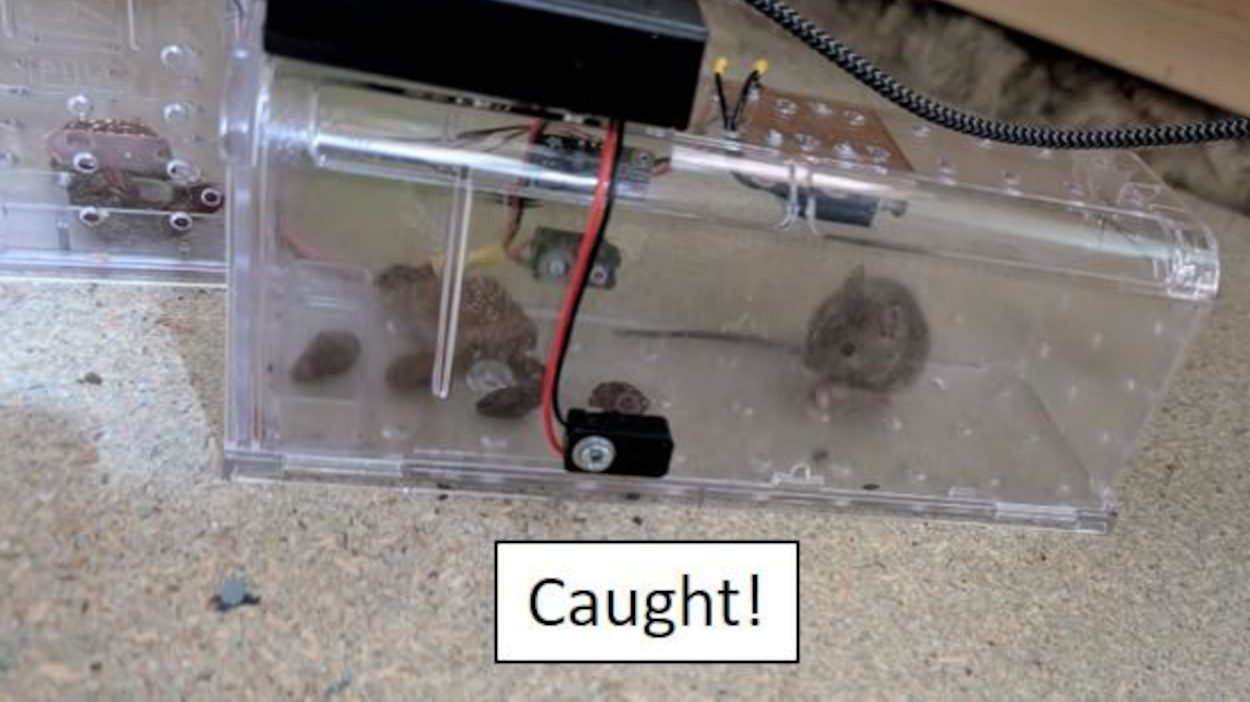
There are few household sounds more suspicious than tiny feet tap-dancing behind a wall at 2 a.m. Is it the house settling? Is it the refrigerator doing interpretive jazz? Or is it a mouse performing a late-night pantry inspection with the confidence of a landlord? For many homeowners, the answer is unfortunately the third one.
That is where the idea of a humane mousetrap that lets you know it has caught something becomes surprisingly brilliant. It is not just a trap. It is a small, practical meeting between animal welfare, home pest control, and the Internet of Things. Instead of setting a live-catch trap and hoping you remember to check it before breakfast, this kind of smart humane mousetrap sends a notification when the door closes. The mouse is contained, you are alerted, and nobody has to spend the night in a plastic box wondering why the peanut butter betrayed them.
The concept gained attention among DIY electronics fans because it solves a real weakness in many catch-and-release traps: they only remain humane if they are checked quickly. A live trap forgotten for hours can become stressful, unsanitary, or dangerous for the animal. A notification system helps close that gap. It turns “I should check the trap later” into “the trap just fired; go deal with it now.” That is a big upgrade, both ethically and practically.
What Is a Humane Smart Mousetrap?
A humane smart mousetrap is a live-capture mouse trap with an added detection and alert system. The basic trap works like many no-kill mouse traps: bait draws the mouse into a small enclosure, a door shuts behind it, and the mouse remains alive until it can be released or handled according to local guidance. The “smart” part comes from sensors and wireless electronics that tell the homeowner when the trap has been triggered.
In one popular DIY design, the trap uses a plastic enclosure with air holes, a spring-loaded door, an infrared break-beam sensor, a solenoid, and a Raspberry Pi Pico W. When a mouse walks through the invisible infrared beam, the microcontroller detects the interruption. It then activates the solenoid, which releases the latch and lets the door snap shut. Because the Pico W has wireless connectivity, it can also send an email notification. In other words, the mouse gets caught, and your inbox gets the least adorable “you’ve got mail” alert of the year.
Why the Notification Matters
The notification is not a gimmick. It is the most important humane feature of the whole build. Live-capture traps should be checked often because a trapped mouse may become frightened, dehydrated, overheated, or exposed to its own urine and droppings. Public health agencies also warn that rodents can carry germs, fleas, mites, and ticks, and that urine and droppings should be handled carefully. A quick alert reduces the time the animal spends confined and reduces the time a potentially contaminated trap sits inside the home.
Think of it as a smoke alarm for rodent relocation. You still need to act responsibly, but at least the device gets your attention before the situation turns from “humane” to “well, that got awkward.”
How the Trap Works
The charm of this kind of smart mousetrap is that the mechanism is simple enough to understand without an engineering degree, yet clever enough to make your average hardware-store trap look like it still uses dial-up internet.
1. The Enclosure
The body of the trap is usually a small plastic or wooden chamber. It must be large enough that the mouse is not crushed or injured, but secure enough that it cannot chew or squeeze its way out immediately. Mice are small, flexible, determined little acrobats. If there is a gap, they will investigate it. If there is a weak corner, they will audition for a tiny prison-break movie.
Good ventilation is essential. Air holes help keep the animal from overheating or suffocating while it waits to be released. The trap should also have a door that closes reliably without slamming onto the animal. Smooth edges, a non-toxic interior, and easy cleaning are all important design details.
2. The Bait
Peanut butter is a classic bait because it has a strong smell and is difficult for a mouse to grab and run away with. Seeds, oats, and small bits of cereal can also work, but bait should be used sparingly. The goal is to attract the mouse into the trap, not open an all-night buffet called Chez Rodent.
Placement matters as much as bait. Mice tend to travel along walls and edges, where they feel protected. A trap placed with its entrance near a wall, cabinet base, attic path, or garage edge is more likely to work than one dropped randomly in the middle of the floor like a confused lunchbox.
3. The Sensor
An infrared break-beam sensor uses an emitter and receiver. The emitter sends an invisible beam of infrared light to the receiver. When a mouse crosses the beam, the signal breaks. That change tells the microcontroller that something has entered the trap.
This approach has an advantage over a mechanical treadle or obvious trigger plate. Some mice are cautious around moving platforms, levers, and unfamiliar textures. A beam sensor can detect movement without requiring the mouse to step on a suspicious little stage. The mouse simply walks through the beam, probably thinking, “Nice hallway,” and then technology happens.
4. The Solenoid Door Release
A solenoid is an electromagnetic actuator. When powered, it creates motion, often pulling or pushing a small metal plunger. In a smart mousetrap, the solenoid can release a latch that holds the door open. Once released, the spring-loaded door closes and traps the mouse inside.
The beauty of the solenoid is speed and repeatability. It does not need to be complicated; it only needs to release the door at the right moment. The tricky part is making sure the door closes after the mouse is fully inside, not when its tail is still politely deciding whether to attend the meeting.
5. The Microcontroller and Alert
The Raspberry Pi Pico W or a similar Wi-Fi-enabled microcontroller acts as the brain. It monitors the sensor, powers the solenoid through appropriate circuitry, and sends a notification. Depending on the build, the alert could be an email, text message, app notification, or smart-home trigger.
A practical setup should also include power management. If the trap runs on batteries, it should conserve energy while waiting. A low-battery alert would be an excellent addition because nothing says “modern convenience” like discovering your smart trap has been silently offline for three days while the mouse has been living rent-free behind the flour.
Why Humane Trapping Is More Complicated Than It Sounds
The word “humane” sounds simple, but humane rodent control is not just about avoiding snap traps. It is about reducing suffering, reducing disease risk, and preventing the problem from repeating. A live-capture trap can be humane only if it is used correctly. That means checking it frequently, releasing or handling the animal promptly, cleaning safely, and sealing the entry points that allowed the mouse inside in the first place.
Animal-welfare groups often emphasize prevention: remove food sources, seal gaps, store pet food securely, and keep compost or birdseed from becoming an open invitation. Public health agencies focus heavily on disease prevention: avoid direct contact, wear gloves, ventilate enclosed spaces before cleanup, disinfect contaminated areas, and do not stir up dust from droppings or nesting material.
The smartest mousetrap in the world will not solve a mouse problem if your garage still has a mouse-sized welcome arch under the door. Trapping is a response. Exclusion is the cure.
The Pros of a Humane Mousetrap With Alerts
It Reduces Time in Captivity
The biggest benefit is speed. A notification means you do not have to rely on memory, which is excellent because memory is the same system that lets us walk into a room and forget why we are there. When the trap triggers, you know right away. That helps keep live capture closer to its humane promise.
It Makes Trap Checking Easier
Attics, basements, garages, crawl spaces, and sheds are not always pleasant places to inspect. An alert saves unnecessary checking when the trap is empty and encourages immediate action when it is not. For people using several traps, notifications can identify which one fired.
It Avoids Glue Traps and Poison
Many homeowners look for alternatives because glue traps can cause prolonged suffering, and rodenticides can create risks for children, pets, and wildlife. Poison baits are designed to attract animals, which means they can also attract dogs, cats, or curious children. A contained, reusable, no-kill trap can be a safer option when used responsibly and cleaned properly.
It Encourages Better Pest-Control Habits
A smart trap can also make the homeowner more aware of mouse activity patterns. If the trap fires near the same wall twice, that may point to an entry route. If it only fires in the garage after birdseed is left out, congratulations: the mouse has identified your snack-management weakness.
The Cons and Limitations
Live Traps Require Responsibility
A live trap is not a “set it and forget it” device. In fact, forgetting it is exactly what makes it inhumane. Even with alerts, the user must respond quickly. If you are going out of town, do not set a live trap. If you will be asleep for twelve hours, do not set it and assume the mouse will enjoy the accommodations.
Release Is Not Always Simple
Relocating mice can be controversial. Some animal-welfare organizations warn that moving a mouse far from its familiar area may reduce its chance of survival, while many homeowners worry that releasing it nearby means it may return. Local rules can also vary. The practical takeaway is to research local guidance before releasing wildlife and avoid dumping animals on someone else’s property. The mouse did not sign a lease there either.
Electronics Add Failure Points
Smart devices can fail. Batteries die. Wi-Fi drops. Sensors misalign. Solenoids jam. Doors stick. A humane smart trap should be tested repeatedly before use. The door should close consistently, the sensor should trigger reliably, and the alert should arrive quickly. A trap that works only when Mercury is not in retrograde is not ready for attic duty.
Best Practices for Using a Humane Smart Mousetrap
Check the Trap Even If You Get Alerts
Technology is helpful, but it should not replace common sense. Check the trap at least several times a day when active, especially before sleeping and soon after waking. Notifications are a backup, not a babysitter.
Wear Gloves
Use disposable or washable gloves when handling the trap. Mice may urinate or defecate when frightened, and rodent waste should be treated as potentially contaminated. Avoid touching the animal directly.
Clean and Disinfect Properly
After each catch, clean the trap according to safe rodent-cleanup practices. Ventilate the area, wet contaminated materials with disinfectant before wiping, and avoid sweeping or vacuuming dry droppings. Wash hands thoroughly after removing gloves.
Seal Entry Points
Once you catch a mouse, look for how it got in. Check around pipes, vents, garage doors, foundation gaps, attic openings, damaged screens, and utility lines. Steel wool, metal mesh, caulk, hardware cloth, and proper door sweeps can help block access. Food should be stored in sealed containers, including pet food, birdseed, and pantry staples.
Know When to Call a Professional
If you see many droppings, hear repeated activity, smell urine, find nests, or keep catching mice, the issue may be larger than one curious visitor. A licensed pest-control professional can inspect entry points, identify infestation size, and recommend integrated pest management methods that reduce risks to people, pets, and wildlife.
Design Improvements Worth Considering
A smart humane mousetrap can be improved in several ways. A camera module could confirm whether the trap caught a mouse or fired accidentally. A temperature sensor could warn if the trap environment becomes too hot or cold. A weight sensor could help distinguish a mouse from a false trigger. A battery monitor could prevent silent failure. A small water source or moisture-safe gel might be considered for longer monitoring periods, though the better solution is still rapid response.
For multi-trap setups, each trap could have a unique name: “Garage North Wall,” “Attic Beam,” or “Pantry Shame Corner.” The last one may feel judgmental, but if the mouse reached the cereal, the name has been earned.
Experience Notes: What It’s Like to Use a Humane Mousetrap That Sends Alerts
Using a smart humane mousetrap feels different from using a traditional trap because it changes the emotional rhythm of the whole process. A regular trap sits there silently, and you check it with the tense posture of someone opening a mystery box in a horror movie. A smart trap turns the situation into a clear task: notification arrives, gloves go on, trap gets handled, area gets cleaned, and the investigation begins. It is less guesswork and more procedure.
The first practical lesson is that placement matters more than gadgetry. You can build the cleverest notification system in the neighborhood, but if the trap is in the wrong spot, the mouse will ignore it like an unread terms-of-service agreement. Edges, wall lines, hidden corners, and known travel paths are where the action happens. Droppings, gnaw marks, shredded paper, or pantry damage can help identify routes. Once the trap is placed correctly, the alert system becomes genuinely useful.
The second lesson is that alerts create accountability. When your phone says the trap has fired, it is hard to pretend you will “get to it later.” The mouse is not a package on the porch. It is a living animal in a small enclosure, and the clock matters. That notification nudges you to act quickly, which is exactly what makes the setup more humane than a forgotten live trap.
The third lesson is that cleaning is not optional. After a catch, the trap may look fine, but rodents can leave urine or droppings behind. Gloves, disinfectant, ventilation, and careful cleanup should become part of the routine. If the trap is reusable, cleaning also helps remove scents that might make future mice suspicious. Mice may have tiny brains, but they are not fools. They have survived this long without paying taxes, after all.
The fourth lesson is that trapping alone can become a hamster wheel, except with mice and significantly less cuteness. If you catch one mouse and do nothing else, another may enter through the same gap. The real win comes after the catch: sealing holes, moving food into hard containers, cleaning crumbs, securing trash, and checking outdoor attractants like birdseed or compost. A humane mousetrap is a tool, not a magic wand wearing a Wi-Fi antenna.
Finally, the experience teaches that humane pest control is a balance between compassion and realism. Mice inside a home can contaminate food, damage wiring, and create health concerns. Homeowners have a valid reason to remove them. At the same time, removal does not have to be careless or cruel. A humane mousetrap with an alert system respects both sides of the problem: protect the home, reduce animal suffering, and respond quickly. That is a smarter mousetrap in the best sensenot because it is flashy, but because it makes the human using it more responsible.
Conclusion
A humane mousetrap that lets you know it has caught something is more than a quirky maker project. It is a practical upgrade to live-capture trapping, especially for people who want to avoid glue traps, poisons, and unnecessary suffering. By combining a secure enclosure, infrared detection, a solenoid door release, and wireless alerts, the trap solves one of the biggest problems with humane traps: delayed checking.
Still, the device is only as humane as the person using it. Fast response, safe handling, proper cleaning, responsible release decisions, and long-term exclusion are all part of the job. The best mouse problem is the one that never starts, so sealing entry points and removing food sources should always come first. But when a mouse has already moved in and started treating your pantry like a boutique grocery store, a smart humane trap can help you remove it with speed, care, and a small amount of nerdy satisfaction.