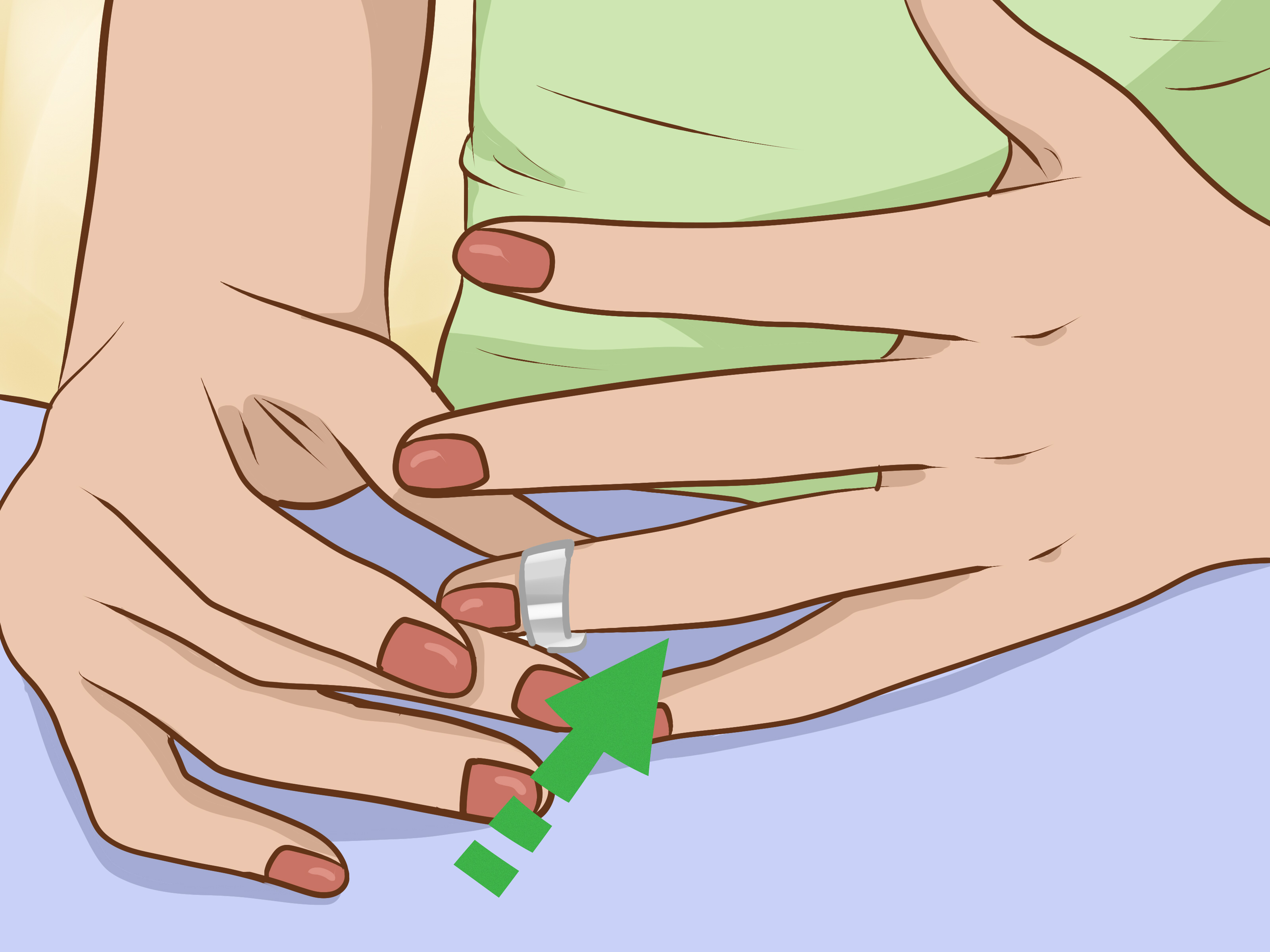
Knuckle rings are tiny accessories with a suspicious amount of personality. Also called midi rings, above-the-knuckle rings, or first-knuckle rings, they sit between the fingertip and the first knuckle instead of resting at the base of the finger. They are delicate, stylish, a little rebellious, and excellent at making your hands look like they have their own fashion publicist.
The beauty of a knuckle ring is that it can be subtle or dramatic. One thin gold band can add a whisper of polish. Five stacked rings can say, “Yes, I did think about this outfit, and yes, my coffee order is also complicated.” Whether your style is minimalist, bohemian, edgy, romantic, vintage, or full-time sparkle goblin, learning how to wear a knuckle ring is mostly about fit, balance, comfort, and confidence.
This guide explains how to choose the right size, which fingers work best, how to stack knuckle rings with regular rings, how to match them with outfits and manicures, and how to avoid the classic tragedy of losing one in a tote bag, parking lot, or mysterious couch dimension.

What Is a Knuckle Ring?
A knuckle ring is a small ring designed to be worn on the upper part of the finger, usually between the fingertip and the first joint. Unlike a traditional ring, which sits below the knuckle near the palm, a knuckle ring rests higher and usually comes in a smaller size.
Knuckle rings became especially popular because they make ring styling more creative. Instead of limiting yourself to one ring per finger, you can build a layered look with different heights, shapes, metals, and textures. A dainty midi band can soften a chunky statement ring. A tiny gemstone ring can draw attention to a manicure. A simple silver band can make an oversized sweater look intentionally styled rather than accidentally “laundry day chic.”
How Should a Knuckle Ring Fit?
The most important rule is simple: a knuckle ring should feel secure, but not tight. It should sit above your first knuckle and stay in place when you gently shake your hand. If it feels like it is cutting into your finger, it is too small. If it spins wildly or slides toward the fingertip, it is too large.
Because the upper part of your finger is usually slimmer than the base, your knuckle ring size will often be smaller than your regular ring size. Many people wear midi rings one to three sizes smaller than their standard ring size, depending on the finger and the exact placement. The best approach is to measure the part of your finger where the ring will actually sit.
Simple Fit Test
Put the ring above your first knuckle, then relax your hand. Bend your fingers, type a few words, hold a cup, and lightly shake your hand over a soft surface. If the ring stays in place and does not pinch, you have a good fit. If it launches itself like a tiny metal UFO, size down.

How to Measure for a Knuckle Ring
You can measure your finger at home with a flexible measuring tape, a printable ring sizer, or a strip of paper. Wrap it around the area where you want the knuckle ring to sit. Mark where the paper overlaps, then measure the length in millimeters. Compare that measurement to a U.S. ring size chart.
For the most accurate result, measure your finger at the end of the day when your hands are at a normal temperature. Fingers can shrink when cold and swell when warm. Avoid measuring immediately after exercise, after eating a salty meal, or when your hands are unusually cold. Your ring should fit your real everyday finger, not your “I just carried groceries in August” finger.
Pro Sizing Tips
If you are between sizes, adjustable knuckle rings are a smart choice. Open bands and gently adjustable designs give you more flexibility, especially if your fingers swell during the day. For thicker bands, consider going slightly larger because wide rings often feel tighter than thin bands. For very delicate bands, make sure the ring is not so loose that it disappears during normal hand movement.
Which Finger Should You Wear a Knuckle Ring On?
There are no strict rules, but some fingers are easier to style than others. The index finger and middle finger are popular choices because they offer a balanced, visible look. The ring finger creates a softer and more romantic effect. The pinky finger looks playful, especially with tiny bands or miniature signet styles.
If you are new to knuckle rings, start with one ring on your index or middle finger. These fingers give the ring enough space to stand out without making your hand feel crowded. Once you feel comfortable, add a regular ring below the knuckle or try a second midi ring on another finger.

How to Style One Knuckle Ring
The easiest way to wear a knuckle ring is to let one dainty piece do the work. Choose a slim band in gold, silver, rose gold, or a small gemstone style. Wear it above the first knuckle on your index or middle finger. Keep the rest of your jewelry simple: small hoops, a delicate chain, or one regular ring at the base of another finger.
This approach works beautifully for everyday outfits. A white T-shirt, jeans, and a tiny knuckle ring look effortless. A blazer and a thin midi ring look polished. A sundress and a small pearl or gemstone knuckle ring look sweet without trying too hard. One ring is also practical if you type often, cook, work with your hands, or simply do not want your fingers to feel like a chandelier.
How to Stack Knuckle Rings
Stacking is where knuckle rings become especially fun. The goal is not to cover every finger with metal. The goal is to create balance. Think of your hand as a tiny styling board. You want contrast, rhythm, and a little negative space. Yes, even your fingers need breathing room.
Try the Triangle Rule
A simple method is to create a triangle shape with your rings. For example, wear a regular ring at the base of your ring finger, a knuckle ring on your middle finger, and another small ring on your index finger. This arrangement looks intentional because the eye moves naturally across the hand.
Mix Thin and Bold Rings
If you wear a chunky ring at the base of one finger, balance it with a thin knuckle ring on another. If all your rings are bold, your hand may look crowded. If all your rings are ultra-thin, the styling may disappear from a distance. A mix of widths gives the look more personality.
Leave One or Two Fingers Bare
Negative space makes ring styling look modern. You do not need a ring on every finger. In fact, leaving one or two fingers bare often makes the rings you are wearing stand out more. It also reduces clinking, spinning, and the possibility of accidentally accessorizing your soup.

Can You Mix Metals?
Yes, you can mix metals. Gold and silver can absolutely live together peacefully. Rose gold can join the party too. The trick is to make the mix look intentional. Use at least two pieces in each metal or choose one ring that already combines multiple tones. For example, wear a silver knuckle ring with a silver bracelet, then add gold rings at the base of your fingers.
If you prefer a clean and classic look, stick to one metal family. Gold creates warmth, silver feels sleek, and rose gold adds softness. If you like an editorial or modern style, mix metals freely and focus on shape, balance, and attitude.
How to Match Knuckle Rings With Your Outfit
Your outfit can guide how many rings you wear and what style you choose. Minimal outfits can handle more jewelry because the rings add interest. Patterned or highly detailed outfits may look better with fewer rings. The goal is harmony, not a jewelry traffic jam.
Casual Outfits
For jeans, T-shirts, sweaters, and casual dresses, try thin bands, small gemstones, or simple open rings. A few dainty knuckle rings can make a relaxed outfit look styled without feeling overdressed.
Office Looks
For work, keep the rings comfortable and quiet. One or two small knuckle rings paired with classic base rings can look professional. Avoid loose rings if you type a lot or handle papers all day. Nothing ruins a meeting like crawling under a desk to retrieve a rebellious midi ring.
Evening Looks
For dinner, parties, or events, go bolder. Try gemstone midi rings, sculptural bands, mixed metals, or a dramatic ring stack. If your outfit is simple, your hands can carry more sparkle. If your dress already has sequins, feathers, cutouts, or main-character energy, choose cleaner rings for balance.
How to Wear Knuckle Rings With Nail Polish
Knuckle rings and manicures are best friends. A tiny ring draws attention to your hands, so nail color matters. Nude polish and French tips make knuckle rings look elegant. Dark polish creates contrast with gold or silver. Bright colors make the look playful. Chrome nails and metallic rings can look futuristic in the best way, like your hands know about fashion trends before everyone else.
If your rings have colorful stones, try coordinating with your manicure. A turquoise ring with soft blue nails, a pearl ring with milky white polish, or a ruby-toned ring with burgundy nails can look polished without being too matchy-matchy. If you wear many rings, consider a simpler manicure so the whole look does not compete for attention.

Best Knuckle Ring Styles to Try
Thin Band Knuckle Rings
Thin bands are the easiest style for beginners. They are subtle, comfortable, and simple to stack. Choose plain gold, sterling silver, or rose gold for maximum versatility.
Open Knuckle Rings
Open rings have a small gap and can often be adjusted slightly. They are helpful if your fingers change size throughout the day. Look for smooth ends so they do not catch on clothing.
Gemstone Knuckle Rings
Small stones add color and sparkle without overwhelming the finger. Tiny opals, pearls, crystals, birthstones, or colored gems can make your ring stack feel personal.
Chain and Connected Rings
Some designs connect a regular ring and a knuckle ring with a delicate chain. These look dramatic and stylish but are less practical for heavy hand use. Save them for occasions when you are not planning to reorganize a garage, wrestle a suitcase, or cook a heroic amount of pasta.
Mini Signet Rings
A small signet-style knuckle ring gives vintage charm. It works especially well on the pinky or index finger and pairs nicely with simple bands.
How to Keep a Knuckle Ring From Falling Off
The most common problem with knuckle rings is slipping. Because they sit higher on the finger, they need a more precise fit than regular rings. If yours keeps sliding, try a smaller size, an adjustable style, or a ring guard. You can also reserve looser rings for days when your hands are slightly warmer, since fingers may swell a little in heat.
Remove knuckle rings before washing dishes, applying lotion, swimming, exercising, or doing anything that makes your hands slippery. Soap, oil, sunscreen, and moisturizer can turn a secure ring into a tiny escape artist. Store your rings in a pouch, tray, or jewelry box instead of dropping them into a handbag where they will begin a new life among receipts and loose mints.
Common Mistakes to Avoid
Wearing Rings That Are Too Loose
A loose knuckle ring may look cute for five minutes, then disappear forever. Fit matters more than aesthetics. If the ring does not pass the shake test, do not wear it outside.
Overloading Every Finger
Ring stacking should look expressive, not uncomfortable. If you cannot bend your fingers naturally, remove a few pieces. Jewelry should decorate your hand, not put it in medieval armor.
Ignoring Your Lifestyle
If you type, draw, garden, cook, lift weights, or work with your hands, choose secure, low-profile rings. Save delicate chains and tall gemstone settings for lower-activity moments.
Forgetting Jewelry Care
Clean your rings gently with a soft cloth. Keep them away from harsh chemicals, chlorine, and abrasive surfaces. Store delicate pieces separately so they do not scratch each other.
How to Wear a Knuckle Ring With Confidence
Confidence is the final accessory, and thankfully it does not require a discount code. If you are nervous about wearing knuckle rings, start small. Wear one thin band for a day. Notice how it feels. Then add another ring or try a different finger. The best ring stack is not the one that follows every trend. It is the one that feels like you.
Knuckle rings are personal. Some people like clean, symmetrical styling. Others prefer mismatched rings that look collected over time. Some love tiny gold bands. Others want gemstones, stars, moons, snakes, chains, initials, and at least one ring that looks like it belongs to a charming forest witch. All of these choices are valid.
Real-Life Experience: What Wearing Knuckle Rings Actually Feels Like
The first time you wear a knuckle ring, you may become very aware of your hands. Suddenly, picking up a coffee cup feels like a jewelry campaign. Typing an email feels glamorous, even if the email says, “Please see attached.” That is part of the charm. Knuckle rings make ordinary gestures look more intentional.
In everyday wear, the biggest lesson is that comfort beats drama. A ring can be beautiful, but if it slides every time you move your hand, you will spend the day checking on it like a nervous parent at a playground. A well-fitting knuckle ring should almost disappear from your awareness. You should be able to text, sip coffee, hold a pen, and open a door without thinking about it.
Another useful experience is learning which finger feels best. Many beginners assume the ring finger is the natural choice, but the index finger and middle finger often feel more secure. They also show off the ring more clearly. The pinky can look stylish, but it may need a very precise size because the upper part of the finger is small.
Stacking takes practice. At first, it is tempting to wear every ring you own at once because they all look cute in the tray. On the hand, though, too many rings can feel busy. A better method is to put on everything you like, then remove one or two pieces. This old styling trick works for jewelry just as well as it works for outfits. Your final look should feel balanced, not like your hand is hosting a tiny flea market.
Knuckle rings also change how you think about manicures. Even a simple nude polish looks more finished with a small gold band above the knuckle. Dark polish can make silver rings pop. Soft pink nails look romantic with pearls or rose gold. If your nails are chipped, a knuckle ring will not judge you, but it will absolutely draw attention to the scene of the crime.
One practical habit makes a huge difference: create a ring routine. Remove knuckle rings before applying lotion, washing dishes, showering, swimming, or sleeping. Keep a small dish near your sink or bedside table. This prevents loss and helps delicate rings last longer. It also prevents the dramatic moment when a ring slips off while you are washing your hands in a public restroom. Nobody needs that kind of suspense.
Ultimately, wearing a knuckle ring is less about rules and more about rhythm. Start with one. Try different fingers. Mix it with regular rings. Pair it with outfits you already love. Some days, your style may call for one tiny band. Other days, you may want a full stack that says, “I came prepared, and my accessories have accessories.” Both are correct.
Conclusion
Learning how to wear a knuckle ring is all about finding the right fit, choosing a comfortable placement, and styling your rings with balance. Start with one slim midi ring above the first knuckle, then experiment with stacks, metals, gemstones, and manicures. Keep the ring secure, remove it during messy or slippery tasks, and let your personal style lead the way.
Knuckle rings may be small, but they can transform your whole look. They add detail, polish, and personality without requiring a complete wardrobe change. Whether you wear one delicate band or a carefully layered ring stack, the best approach is simple: make it comfortable, make it intentional, and make it yours.