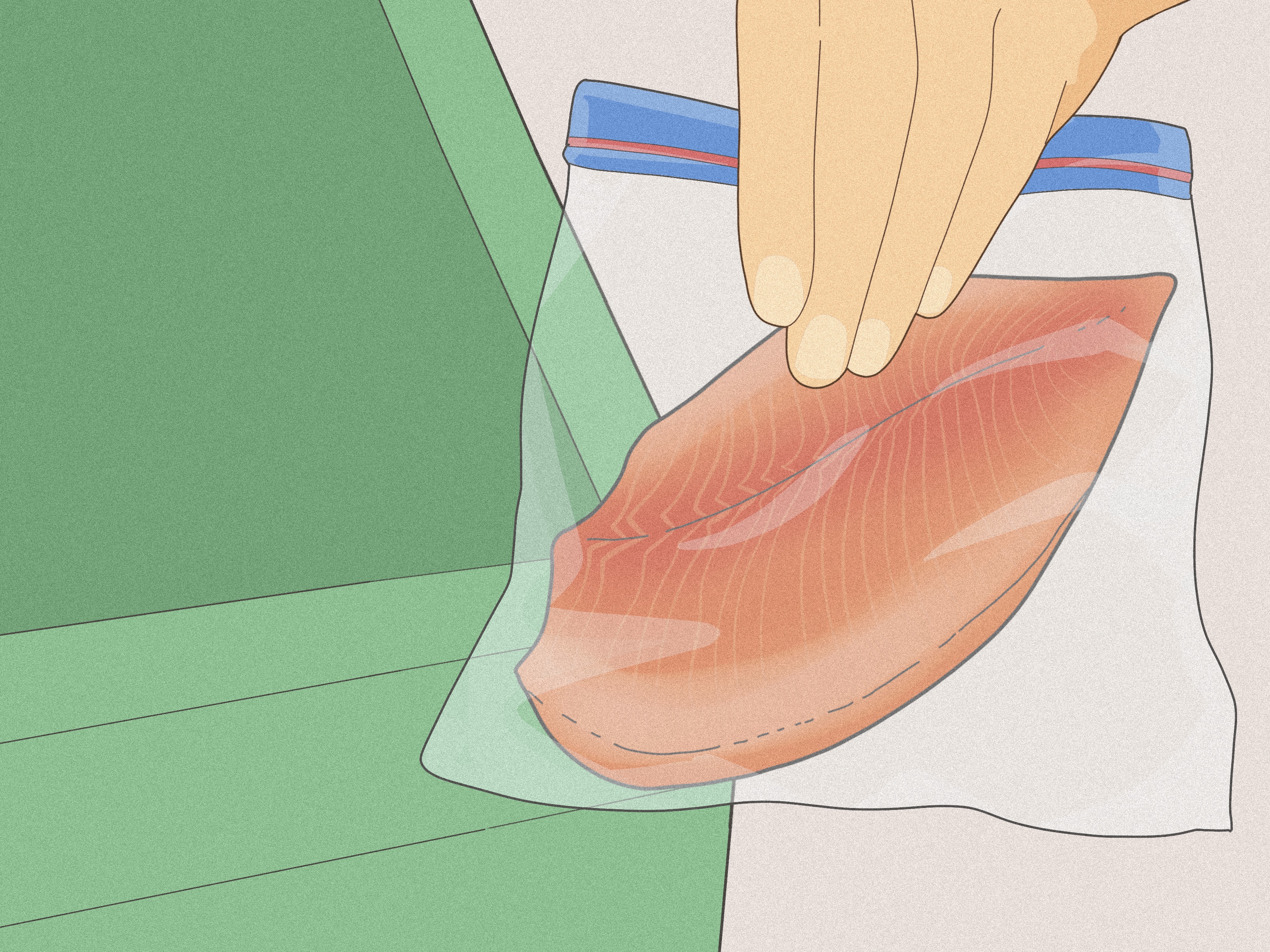
Fish is one of the most delicious things you can bring home from the grocery storeuntil it turns against you. One day it is a beautiful salmon fillet whispering, “Dinner party.” The next day it is slumped in the fridge smelling like low tide and bad decisions. Knowing how to tell if fish has gone bad is not just a kitchen skill; it is a tiny act of self-preservation.
Fresh fish is delicate. It is high in moisture, rich in protein, and often handled through a cold chain that only works when everyone plays by the rules. Once that chain breakswarm car ride, overstuffed refrigerator, forgotten leftovers, mysterious “I think I bought this Tuesday?” momentquality drops fast. The good news is that spoiled fish usually gives you clues. The better news is that you do not need a marine biology degree to read them.
This guide explains the smell, texture, color, storage time, and safety signs that tell you when fish is still good and when it belongs in the trash. We will cover raw fish, cooked fish, frozen fish, whole fish, fillets, shellfish, and those suspicious leftovers hiding behind the mustard.
Why Fish Spoils So Quickly
Fish is more perishable than many other proteins because its flesh is naturally soft, moist, and prone to bacterial and enzymatic changes. Even when fish is handled properly, it does not have the same refrigerator patience as a block of cheddar or a jar of pickles. In the fridge, raw fish and shellfish should generally be cooked or frozen within one to two days. Cooked fish has a little more grace, usually three to four days when stored correctly.
Temperature is the big boss here. A refrigerator should be at 40°F or below, and a freezer should be at 0°F or below. The “danger zone” for perishable foods begins above refrigerator temperature, where bacteria can multiply quickly. Fish left on the counter, forgotten in a warm car, or thawed lazily at room temperature is not “relaxing.” It is hosting a microbial block party.
The Biggest Clue: Bad Fish Smell
The most famous sign of spoiled fish is smell, and for good reason. Fresh fish should smell mild, clean, and slightly briny, like the ocean on a good day. It should not punch you in the nose. A strong fishy odor, sour smell, rancid note, or ammonia-like scent is a clear warning sign.
Here is the practical sniff test: open the package and give the fish a cautious smell. If your first instinct is to step backward, do not talk yourself into cooking it. Fresh seafood should smell fresh. If it smells like a bait bucket, dirty mop water, or “maybe we should open a window,” toss it.
What Bad Fish Smells Like
Spoiled fish may smell sour, musty, rotten, metallic, or sharply ammonia-like. Some fatty fish can develop rancid odors as their oils oxidize. Lean white fish may smell sour or stale. If the odor gets stronger after the fish sits for a few minutes at room temperature, that is another red flag.
One important note: not every dangerous seafood problem announces itself with odor. Certain marine toxins and histamine-related fish poisoning may not always change the appearance or smell of fish. That is why storage time, temperature control, and trustworthy sourcing matter just as much as your nose.
Texture: Fresh Fish Should Be Firm, Not Slimy
Texture is the second big clue. Fresh fish fillets should feel firm, moist, and resilient. When pressed gently, the flesh should spring back instead of holding a deep fingerprint. It should not feel mushy, sticky, tacky, or coated in thick slime.
A thin natural moisture layer is normal, especially on certain fish. Thick, slippery slime is not. If the fish feels like it has been dipped in glue or hand soap, it is time to say goodbye. Nobody wants cod with a skincare routine.
Bad Texture Signs
- Soft or mushy flesh that collapses when touched
- Sticky or tacky surface
- Thick slime on fillets or skin
- Flesh that separates, flakes, or falls apart while raw
- Excess liquid pooling in the package with a sour odor
Texture changes often happen alongside odor changes. If the fish smells questionable and feels slimy, do not try to rescue it with lemon, garlic, or emotional optimism.
Color: Look for Dullness, Discoloration, and Dry Edges
Fresh fish should look lively, even after it has been cut into fillets. White fish should look translucent to pearly, not gray and tired. Salmon should look vibrant, not faded or brown at the edges. Tuna should look clean and rich in color, not dull, muddy, or dried out.
Bad fish often develops discoloration, darkening, yellowing, or dry patches around the edges. A fillet that looks dull, chalky, or leathery may be old, poorly stored, or freezer-damaged. Quality loss is not always the same as food safety risk, but when color changes combine with smell or slime, the verdict is easy: toss it.
Fresh Fillet vs. Spoiled Fillet
A fresh fillet usually has moist, glossy flesh with clean edges. A spoiled fillet may have dull patches, gray or brown areas, drying around the edges, or milky liquid collecting in the tray. If the package looks bloated, leaking, or unusually gassy, do not use it.
Whole Fish: Check the Eyes, Gills, Skin, and Belly
Whole fish gives you more clues than fillets. That is one reason many chefs like buying fish whole: the fish cannot hide its résumé.
Fresh whole fish should have bright, clear, full eyes. The gills should be red or pink, not brown, gray, or slimy. The skin should look shiny and metallic, with scales that cling tightly. The belly should be firm, not swollen, broken, or mushy.
Signs a Whole Fish Has Gone Bad
- Cloudy, sunken, or dried-out eyes
- Brown, gray, or slimy gills
- Loose scales and dull skin
- Strong sour, rotten, or ammonia-like odor
- Soft belly or flesh that dents and does not bounce back
If the fish looks like it has had a terrible week, believe it. Whole fish should look bright and cold, not haunted.
How Long Fish Lasts in the Fridge
When deciding whether fish has gone bad, time matters. Even fish that looks and smells decent can become risky if it has been stored too long. As a practical rule, raw fish and shellfish should be cooked or frozen within one to two days of purchase. Cooked fish should be eaten within three to four days.
Raw Fish Storage
Store raw fish in the coldest part of the refrigerator, ideally on the bottom shelf to prevent drips from contaminating other foods. Keep it tightly wrapped or in a covered container. If you plan to cook it the next day, placing the wrapped fish over ice in a tray can help maintain quality, as long as melted ice is drained and the fish does not sit in water.
Cooked Fish Storage
Cooked fish should be cooled and refrigerated within two hours, or within one hour if the surrounding temperature is above 90°F. Store leftovers in shallow, airtight containers so they cool quickly and do not absorb every other fridge smell. Fish tacos are wonderful. Fish tacos that taste faintly of onion, banana, and yesterday’s takeout are less wonderful.
How to Tell if Cooked Fish Has Gone Bad
Cooked fish can spoil too. In fact, cooked fish sometimes fools people because the original cooking aromas can mask early warning signs. When checking leftovers, use the same senses: smell, sight, and texture.
Bad cooked fish may smell sour, rancid, or unusually fishy. It may develop a slimy coating, dry crusty patches, mold, or a mushy texture. If the fish was stored uncovered or left out too long after dinner, do not take chances. Reheating does not magically make unsafe leftovers safe.
When to Toss Cooked Fish
- It has been in the refrigerator longer than four days
- It sat at room temperature for more than two hours
- It smells sour, rancid, or ammonia-like
- It has slime, mold, or unusual discoloration
- You cannot remember when you cooked it
That last point is underrated. If your storage timeline begins with “I think,” “maybe,” or “was that before the weekend?” the fish has already lost the case.
Frozen Fish: Bad, Freezer-Burned, or Just Ugly?
Frozen fish is often excellent, especially when it is frozen quickly after harvest. In many cases, high-quality frozen fish can be better than “fresh” fish that has been sitting on ice for days. But frozen fish can still lose quality, and thawed fish can still spoil.
Freezer burn looks like dry, white, gray, or leathery patches. It usually means quality loss, not automatic danger. The fish may taste dry or bland, but it is not necessarily unsafe if it has stayed frozen the whole time. However, if frozen fish has thawed and refrozen, smells bad after thawing, has damaged packaging, or is covered in ice crystals from temperature abuse, be cautious.
How to Check Thawed Fish
After thawing, fish should still smell mild and feel firm. If it smells sour, fishy, or ammonia-like, toss it. If it feels mushy or slimy, toss it. If liquid in the package smells bad, toss it. The freezer can pause time; it cannot reverse spoilage that already happened before freezing.
Special Warning: Vacuum-Packed Fish
Vacuum-packed frozen fish is convenient, but it needs careful thawing. Reduced-oxygen packaging can create conditions where certain bacteria become a concern if the fish is thawed improperly. Follow the package directions. In general, fish labeled to be removed from packaging before thawing should be fully removed from the package before thawing in the refrigerator, or removed before or immediately after thawing under cold running water.
Never thaw vacuum-packed fish on the counter. Actually, never thaw any fish on the counter. Countertop thawing is where good seafood goes to become a cautionary tale.
Can You Cook Bad Fish and Make It Safe?
No. Cooking is not a time machine. Proper cooking can kill many harmful bacteria, and fish should generally be cooked to 145°F or until the flesh is opaque and separates easily with a fork. But cooking spoiled fish will not fix bad odors, ruined texture, or every toxin that may have formed due to poor handling.
If fish smells rotten before cooking, it will not become charming after cooking. It will become hot rotten fish. The kitchen may never forgive you.
What About Sushi-Grade Fish?
“Sushi-grade” is a marketing term, not a magic shield. Fish intended to be eaten raw must come from a reputable supplier and be handled with strict temperature control. Even then, raw fish is riskier than cooked fish, especially for pregnant people, older adults, young children, and anyone with a weakened immune system.
If raw fish for sushi, poke, crudo, or ceviche smells fishy, looks dull, feels slimy, or has been sitting in your fridge for more than a day or two, toss it. Acid from lime juice in ceviche changes texture and flavor, but it does not provide the same safety step as cooking.
Shellfish Spoilage Signs
Shellfish has its own warning system. Fresh shrimp, scallops, crab, and lobster should smell mild and clean. Shrimp should not smell like ammonia. Scallops should look moist and slightly translucent, not dried out, gray, or slimy. Cooked crab or lobster meat should smell sweet and clean, not sour or fermented.
For live clams, mussels, and oysters, shells should be closed or should close when tapped. Discard shellfish with cracked shells or shells that stay open before cooking. After cooking, discard any shells that do not open. Shellfish is not the place to gamble. The casino odds are better, and at least casinos have carpets.
When to Toss Fish Immediately
Some situations do not require debate. Toss fish immediately if it has a strong sour, rotten, or ammonia-like smell; thick slime; mold; mushy texture; bloated packaging; or a storage history you cannot verify. Also toss fish left out for more than two hours, or more than one hour in very hot conditions.
If multiple warning signs appear together, do not negotiate. A slightly dry edge may be a quality issue. A dry edge plus sour smell plus slime is a seafood horror trilogy.
What Happens if You Eat Bad Fish?
Eating spoiled or contaminated fish can cause foodborne illness. Symptoms may include nausea, vomiting, diarrhea, stomach cramps, headache, fever, flushing, tingling, dizziness, or weakness, depending on the cause. Some seafood toxin illnesses can appear quickly, sometimes within minutes to hours.
Seek medical help if symptoms are severe, if there is trouble breathing, neurological symptoms, persistent vomiting, signs of dehydration, high fever, bloody diarrhea, or if the person affected is pregnant, elderly, very young, or immunocompromised.
How to Keep Fish Fresh Longer
The best way to avoid spoiled fish is to buy carefully, transport it cold, and store it immediately. Shop for seafood near the end of your grocery trip. If you have a long drive, bring an insulated bag or cooler. At home, refrigerate fish right away. If you will not cook it within one to two days, freeze it.
Smart Fish Storage Tips
- Keep the refrigerator at 40°F or below.
- Store raw fish on the bottom shelf in a sealed container.
- Use raw fish within one to two days.
- Eat cooked fish within three to four days.
- Freeze fish tightly wrapped to prevent freezer burn.
- Label packages with the date before freezing.
- Thaw fish in the refrigerator or under cold running water, never on the counter.
Real Kitchen Experiences: The Fish Freshness Lessons People Learn the Hard Way
Most people learn how to tell if fish has gone bad after one memorable kitchen incident. It usually starts innocently. Someone buys beautiful fillets with excellent dinner intentions. Then life happens. A meeting runs late, a child needs help with homework, a friend suggests takeout, or the cook looks at the fish and thinks, “Tomorrow.” Tomorrow becomes the day after tomorrow. Suddenly, the refrigerator contains a package that inspires both curiosity and fear.
One common experience is the “almost okay” fillet. It does not smell terrible at first, but it smells a little stronger than expected. The surface feels a bit slippery. The color looks slightly dull. This is where people often make the mistake of bargaining. They think, “I’ll just cook it really well.” But fish is not like an overripe banana that can become banana bread. Once fish gives you multiple warning signs, the safe choice is to toss it. Dinner can be eggs. Dinner can be pasta. Dinner does not have to be a science experiment with tartar sauce.
Another familiar story involves cooked fish leftovers. Last night’s grilled salmon was fantastic, so someone stores the extra piece in the fridge. Three days later, it is still probably fine if it was refrigerated promptly. Five or six days later, the situation changes. The fish may look normal, but the smell is sharper. The texture may be dry on top and damp underneath. At that point, reheating it until it sizzles does not erase the storage time. Leftovers have limits, even when they came from an expensive piece of fish and your inner budget-conscious adult is begging you not to waste it.
Frozen fish creates a different kind of confusion. Many home cooks pull a fillet from the freezer and panic at white dry spots. That is often freezer burn, which is mainly a quality problem. The fish may be safe if it stayed frozen, but it may cook up dry and bland. On the other hand, if the fish smells sour after thawing, feels mushy, or came from a torn package full of ice crystals and mystery liquid, that is no longer just a quality issue. The freezer is helpful, but it is not a seafood spa.
Then there is the vacuum-packed fish lesson. Plenty of people have thawed sealed fish pouches in the refrigerator without thinking twice, only to later notice the label says to remove the fish from the packaging before thawing. Those instructions matter. Vacuum packaging is useful for frozen storage, but fish should be thawed according to the package directions because low-oxygen packaging can create special safety concerns. The easiest habit is simple: read the label before thawing, remove the fish from the pouch when directed, and keep it cold.
The final experience is the restaurant-level sniff test at home. People often feel silly smelling fish before cooking it, but it is one of the smartest things you can do. Fresh fish should not embarrass the refrigerator. If opening the package makes you suspicious, pause. Check the date. Touch the texture. Look at the color. Trust the full pattern, not just one clue. With fish, confidence comes from using your senses and refusing to let guilt cook dinner.
Conclusion: When in Doubt, Throw It Out
Learning how to tell if fish has gone bad comes down to a few reliable signs: smell, texture, color, storage time, and temperature history. Fresh fish smells mild, feels firm, looks moist and vibrant, and has been kept cold. Bad fish smells sour, fishy, rancid, or ammonia-like; feels slimy or mushy; looks dull or discolored; or has simply been stored too long.
The safest rule is also the simplest: when in doubt, throw it out. Wasting a piece of fish is annoying. Spending the night regretting seafood is worse. Buy from reputable sources, keep seafood cold, cook or freeze it quickly, and trust your senses. Your dinnerand your digestive systemwill thank you.