Note: This article is for general fitness education. If you have an injury, recent surgery, chronic pain, dizziness, numbness, or a medical condition, ask a qualified health professional before starting a new stretching routine.
Introduction: Flexibility Is Not Just for Yogis and People Who Can Fold Like Lawn Chairs
Learning how to stretch can feel strangely intimidating at first. You see one person casually dropping into a split, another person wrapping a leg behind their head like a human pretzel, and suddenly touching your toes seems like applying for an Olympic event. The good news? Beginner stretching has nothing to do with showing off. It is about helping your body move more comfortably, improving flexibility over time, and making everyday tasks feel less like a dramatic negotiation with your hamstrings.
Flexibility is your body’s ability to move joints through a comfortable range of motion. Stretching supports that range by gently lengthening muscles and easing stiffness. For beginners, the goal is simple: move slowly, breathe well, avoid pain, and stay consistent. You do not need expensive equipment, a studio membership, or leggings with inspirational quotes on them. A quiet space, a few minutes, and a willingness to start where your body is today are enough.
This guide explains beginner stretches for flexibility, how long to hold each stretch, when to stretch, what mistakes to avoid, and how to build a simple routine you can actually stick with. Think of it as a friendly map for becoming a little less creaky, one stretch at a time.
Why Stretching Matters for Beginners
Stretching is often treated like the broccoli of fitness: everyone knows it is good for them, yet many people mysteriously forget it exists. But flexibility training deserves a regular place in your routine because it helps your muscles and joints move more freely. Better flexibility can make walking, bending, reaching, sitting, exercising, and even getting out of bed feel easier.
For beginners, stretching can be especially useful if you spend long hours sitting, work at a computer, drive often, or recently started exercising. Sitting for extended periods can leave the hips, hamstrings, chest, shoulders, and lower back feeling tight. A thoughtful stretching routine helps counter some of that stiffness and reminds your body that it was designed for more than becoming one with an office chair.
Key Benefits of Stretching
Regular stretching may help improve flexibility, support joint range of motion, reduce feelings of tightness, improve posture awareness, and make movement feel smoother. It can also be calming because stretching encourages slower breathing and a more relaxed pace. While stretching is not magic, it is a practical habit that pairs well with walking, strength training, cycling, yoga, swimming, and almost any fitness plan.
Static vs. Dynamic Stretching: What Beginners Should Know
There are many types of stretching, but beginners should first understand two big categories: dynamic stretching and static stretching.
Dynamic Stretching
Dynamic stretching means moving gently through a range of motion instead of holding one position. Examples include arm circles, hip circles, leg swings, marching in place, and gentle torso rotations. Dynamic stretches are usually best before exercise because they help warm the body and prepare muscles for movement.
Static Stretching
Static stretching means holding a stretch for a set time, usually about 10 to 30 seconds for beginners. Examples include a seated hamstring stretch, calf stretch, chest stretch, and child’s pose. Static stretches are often best after exercise or after a short warm-up, when your muscles are warmer and more comfortable.
The beginner rule is easy: move before you hold. Warm up with light activity first, then ease into deeper static stretches. Stretching cold muscles aggressively is like trying to bend a frozen rubber band. Possible? Maybe. Wise? Not really.
How Long Should You Stretch?
A beginner-friendly stretching session can take 5 to 15 minutes. For static stretches, hold each position for about 15 to 30 seconds and repeat 1 to 3 times per side. As you improve, you can work toward a total of about 60 seconds per stretch by doing multiple rounds.
Try stretching at least two to three days per week. Daily stretching is fine if it feels good and you keep the intensity gentle. Flexibility improves through consistency, not heroic one-day efforts that leave you walking like a cautious penguin.
How to Stretch Safely
Safe stretching is not complicated, but it does require patience. Your body should feel a gentle pull, mild tension, or a comfortable opening sensation. It should not feel sharp, electric, pinching, burning, or painful. Pain is not proof that the stretch is “working.” Pain is your body sending an unsubtle email with the subject line: Please Stop.
Beginner Safety Rules
Warm up first with 5 to 10 minutes of easy walking, marching in place, cycling, or gentle movement. Stretch slowly and avoid bouncing. Breathe naturally instead of holding your breath. Keep your joints relaxed. Stretch both sides of the body. Back off if you feel pain, tingling, or numbness. If a stretch feels awkward, modify it or skip it.
Beginner Stretches for Flexibility
The following beginner stretches target common tight areas: neck, shoulders, chest, back, hips, hamstrings, calves, and thighs. Move slowly, stay relaxed, and remember that flexibility is not a competition. Your only opponent is yesterday’s stiffness.
1. Neck Stretch
Best for: Neck tension, desk posture, upper-body stiffness.
Sit or stand tall with your shoulders relaxed. Slowly tilt your right ear toward your right shoulder until you feel a gentle stretch on the left side of your neck. Hold for 15 to 30 seconds. Return to center and repeat on the other side.
Tip: Do not pull hard on your head. Let gravity do most of the work. Your neck is not a stubborn jar lid.
2. Shoulder Rolls
Best for: Shoulder mobility and warming up the upper body.
Stand tall or sit upright. Roll your shoulders forward in slow circles for 10 to 15 seconds, then roll them backward for 10 to 15 seconds. Keep the movement controlled and smooth.
Tip: This is a dynamic stretch, so it works well before a workout or during a work break.
3. Cross-Body Shoulder Stretch
Best for: Shoulders and upper back.
Bring your right arm across your chest. Use your left hand or forearm to gently support it near the upper arm. Hold for 15 to 30 seconds, then switch sides.
Tip: Keep your shoulders down instead of shrugging them toward your ears.
4. Chest Opener Stretch
Best for: Tight chest muscles from sitting, typing, or hunching.
Stand tall and clasp your hands behind your back. Gently straighten your arms and draw your shoulder blades together. Lift your chest slightly without arching your lower back too much. Hold for 15 to 30 seconds.
Modification: If clasping your hands is uncomfortable, place your hands on your hips and gently squeeze your elbows back.
5. Cat-Cow Stretch
Best for: Spine mobility, back stiffness, gentle warm-up.
Start on your hands and knees. Inhale as you gently drop your belly and lift your chest, creating a slight arch in your back. Exhale as you round your spine upward, tucking your chin slightly. Repeat for 6 to 10 slow rounds.
Tip: Move with your breath. This stretch should feel fluid, not forced.
6. Child’s Pose
Best for: Lower back, hips, shoulders, and relaxation.
Kneel on the floor with your big toes touching and knees slightly apart. Sit your hips back toward your heels and stretch your arms forward. Rest your forehead toward the floor or on a pillow. Hold for 20 to 40 seconds.
Modification: Place a cushion under your hips or chest if the position feels too intense.
7. Seated Hamstring Stretch
Best for: Back of the thighs and behind the knees.
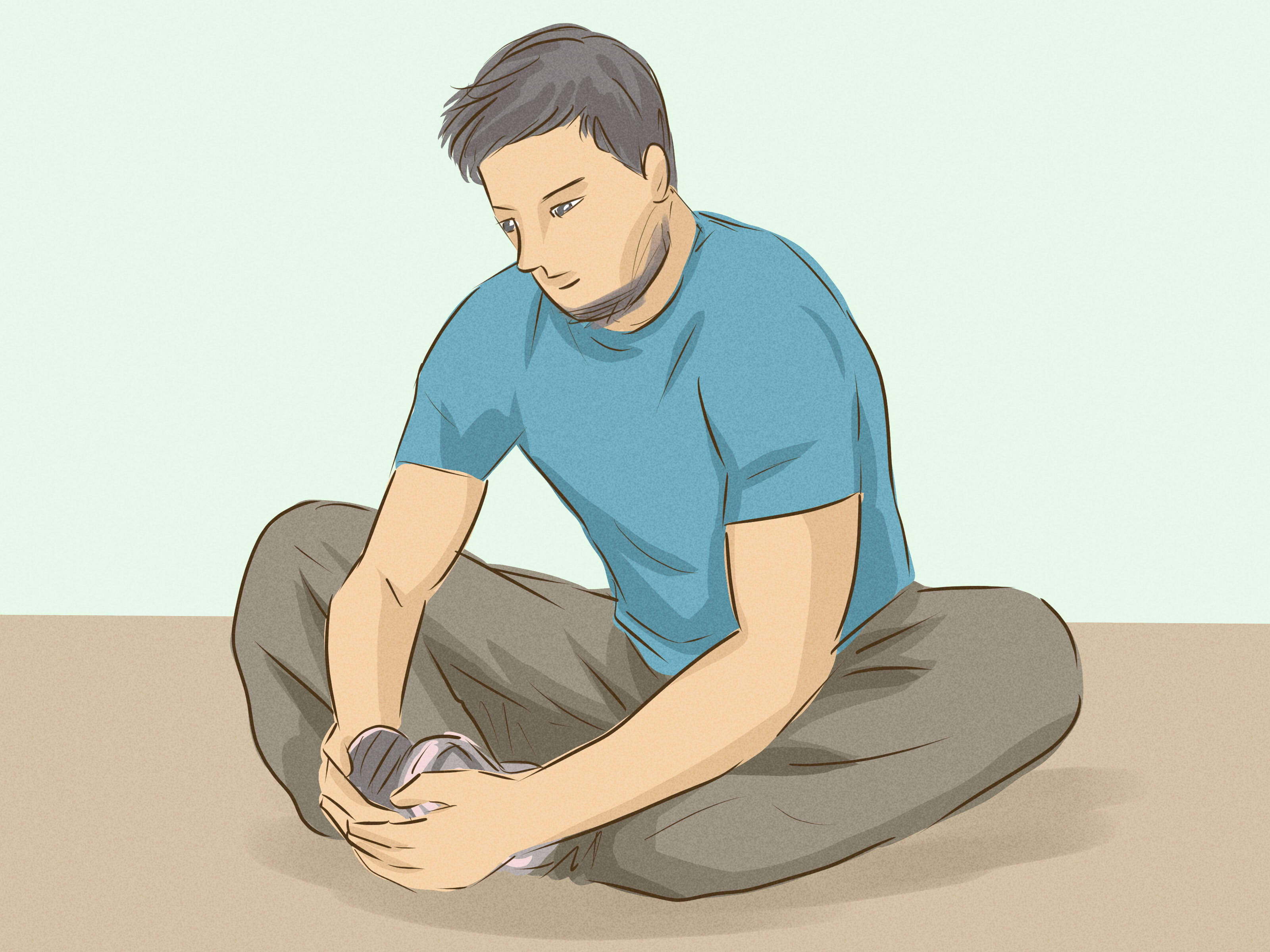
Sit on the floor with one leg extended and the other knee bent. Keep your back long and hinge forward from your hips, reaching toward your shin, ankle, or foot. Hold for 15 to 30 seconds, then switch sides.
Tip: Do not round your back aggressively just to touch your toes. Your toes are not handing out trophies.
8. Standing Calf Stretch
Best for: Calves, ankles, walking comfort, and post-workout recovery.
Stand facing a wall. Place both hands on the wall and step your right foot back. Keep your right heel on the floor and your right leg straight. Bend your left knee slightly until you feel a stretch in the back calf. Hold for 15 to 30 seconds, then switch sides.
Tip: Keep your back foot pointing forward, not turned out to the side.
9. Hip Flexor Stretch
Best for: Tight hips from sitting.
Start in a half-kneeling position with your right knee on the floor and left foot in front. Gently shift your hips forward until you feel a stretch at the front of your right hip. Keep your torso tall and avoid over-arching your back. Hold for 15 to 30 seconds, then switch sides.
Modification: Place a folded towel under your back knee for comfort.
10. Figure-Four Stretch
Best for: Glutes, outer hips, and lower-body stiffness.
Lie on your back with both knees bent. Cross your right ankle over your left thigh, making a figure-four shape. Gently pull your left thigh toward your chest until you feel a stretch in your right hip and glute. Hold for 20 to 30 seconds, then switch sides.
Tip: Keep your head and shoulders relaxed on the floor.
11. Quadriceps Stretch
Best for: Front of the thighs.
Stand near a wall or chair for balance. Bend your right knee and bring your heel toward your glutes. Hold your ankle or pant leg and gently draw the foot closer. Keep your knees near each other and your torso upright. Hold for 15 to 30 seconds, then switch sides.
Modification: If standing is difficult, try this stretch lying on your side.
12. Seated Spinal Twist
Best for: Back mobility and posture awareness.
Sit tall in a chair with both feet flat on the floor. Slowly rotate your torso to the right, placing your left hand on the outside of your right thigh or on the chair. Hold for 10 to 20 seconds, then repeat on the other side.
Tip: Twist gently through your upper back. Do not yank yourself around like you are checking for a surprise behind you.
A Simple Beginner Stretching Routine
Here is an easy routine you can follow after a walk, workout, or warm shower. It takes about 10 minutes.
10-Minute Flexibility Routine
- Shoulder rolls: 20 seconds forward, 20 seconds backward
- Cat-cow stretch: 8 slow rounds
- Chest opener: 20 to 30 seconds
- Child’s pose: 30 seconds
- Hip flexor stretch: 20 to 30 seconds per side
- Seated hamstring stretch: 20 to 30 seconds per side
- Figure-four stretch: 20 to 30 seconds per side
- Standing calf stretch: 20 to 30 seconds per side
- Neck stretch: 15 to 20 seconds per side
If you are very new to stretching, start with one round. If it feels good, repeat your favorite stretches. The best routine is not the most complicated one; it is the one you will actually do.
When Is the Best Time to Stretch?
The best time to stretch depends on your goal. Before exercise, use dynamic stretches to warm up. After exercise, use static stretches while your muscles are warm. In the morning, keep stretches gentle because the body may feel stiffer after sleep. At night, slow stretching can help you unwind and release the day’s built-up tension.
You can also stretch during small breaks. Two minutes after sitting for an hour can make a surprising difference. A neck stretch, chest opener, and hip flexor stretch can turn a stiff workday into something slightly less chair-shaped.
Common Stretching Mistakes to Avoid
Mistake 1: Bouncing
Bouncing during a stretch may increase strain and reduce control. Instead, move slowly into the stretch and hold steady.
Mistake 2: Stretching Through Pain
A gentle pull is fine. Sharp pain is not. If a stretch hurts, reduce the intensity or stop.
Mistake 3: Holding Your Breath
Breathing helps your body relax. Try inhaling through your nose and exhaling slowly as you settle into the stretch.
Mistake 4: Expecting Instant Flexibility
Flexibility takes time. You may notice small improvements in a few weeks, but long-term progress comes from repeated, relaxed practice.
Mistake 5: Stretching Only One Area
If your hamstrings feel tight, your hips, calves, or lower back may also be involved. A balanced routine works better than obsessing over one muscle group.
How to Improve Flexibility Faster Without Overdoing It
The safest way to improve flexibility is to combine patience with consistency. Stretch two to five times per week, warm up first, and work at a mild-to-moderate intensity. Add strength training, walking, and mobility exercises to support your flexibility. Strong muscles and flexible muscles work best as a team.
Hydration, sleep, and movement variety also matter. If you sit all day and stretch for five minutes at night, that helps. But if you also stand up, walk, and change positions during the day, your body gets more chances to stay loose.
Beginner Stretching Experience: What It Actually Feels Like to Start
Starting a stretching routine is rarely glamorous. On day one, you may roll out a mat with great ambition, reach toward your toes, and discover that your hamstrings have apparently signed a non-cooperation agreement. That is normal. Most beginners do not feel graceful at first. They feel stiff, confused, and slightly suspicious of the floor.
The first useful lesson is that stretching should meet you where you are. If your hands reach your knees during a hamstring stretch, that is your starting point. If child’s pose feels uncomfortable, use a pillow. If standing quad stretches challenge your balance, hold a chair. Flexibility is personal. The goal is not to copy a photo; the goal is to create a stretch that your body can safely understand.
Many beginners notice that consistency beats intensity. A gentle 8-minute routine done four times a week usually feels better than one dramatic 45-minute session done once and then remembered only as “the incident.” Stretching is a conversation with your muscles. If you shout, they may tighten. If you speak calmly and often, they usually listen better.
One surprisingly helpful experience is learning to breathe. At first, people often hold their breath during stretches, especially when trying too hard. Once you begin breathing slowly, the stretch feels less like a battle. The exhale becomes a signal to relax. You may not sink much deeper right away, but the body feels safer, and that matters.
Another common beginner moment is realizing that the tightest area is not always the area that needs the most force. For example, tight hamstrings may feel better when you also stretch the calves and hips. A stiff lower back may improve when the hip flexors and glutes get attention. The body is connected, even when it acts like several separate departments refusing to answer each other’s emails.
Progress often appears in ordinary life before it appears in dramatic poses. You may notice that tying your shoes is easier. Reaching into the back seat of the car feels smoother. Sitting on the floor is less annoying. Walking after a long workday feels lighter. These small wins are real flexibility improvements, even if you still cannot touch your toes.
It also helps to create a simple ritual. Stretch after brushing your teeth, after a shower, after a walk, or before bed. Pairing stretching with an existing habit removes the need for heroic motivation. You are not “starting a whole fitness transformation.” You are just doing a few stretches after something you already do. Very sneaky. Very effective.
The best beginner mindset is curiosity. Instead of asking, “Why am I so tight?” ask, “What feels better today?” Some days your body will be more open. Other days it will feel like it has installed security locks overnight. Both are normal. Sleep, stress, hydration, workouts, and sitting time can all affect how flexible you feel.
Over time, stretching becomes less about chasing flexibility and more about checking in. It gives you a few quiet minutes to notice your posture, your breathing, and your tension. In a busy day, that alone is valuable. And yes, improved flexibility is a wonderful bonus. Touching your toes may eventually happen. But feeling better in your own body is the real victory.
Conclusion
Learning how to stretch is one of the simplest ways to support flexibility, mobility, and everyday comfort. Beginners should focus on safe, gentle movements: warm up first, stretch major muscle groups, breathe steadily, avoid bouncing, and never force pain. A balanced routine with neck stretches, shoulder rolls, chest openers, cat-cow, child’s pose, hip flexor stretches, hamstring stretches, calf stretches, and figure-four stretches can help your body move more freely over time.
You do not need to become a professional yogi or a living rubber band. You only need a few consistent minutes and a patient attitude. Start small, repeat often, and let flexibility build naturally. Your future self may still complain occasionally, but at least it will complain with better range of motion.