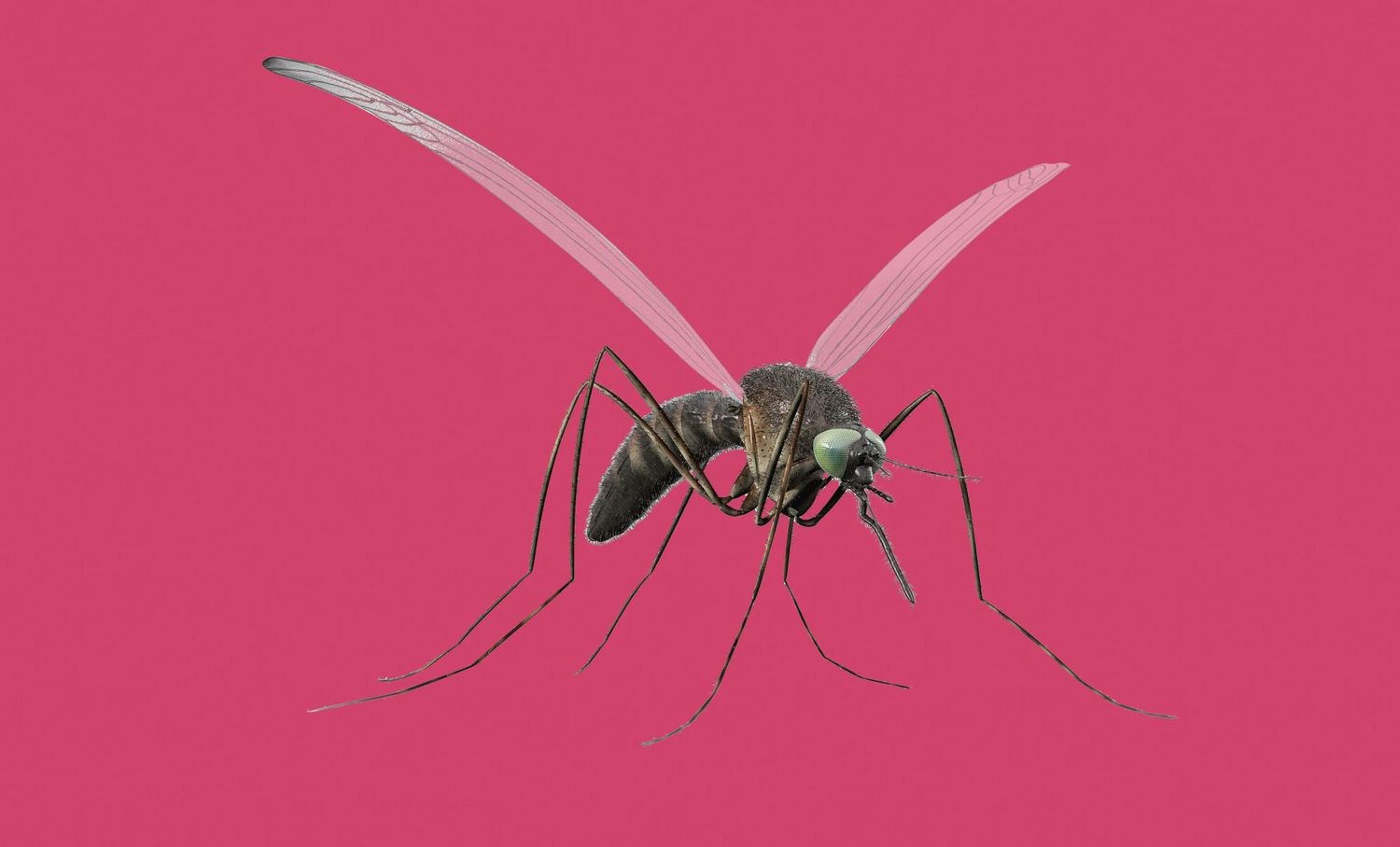
Bug bites have a special talent for ruining perfectly good moments. One minute you are enjoying a backyard barbecue, hiking trail, beach sunset, or peaceful night of sleep. The next minute, you are negotiating with a tiny red bump like it owes you money. The itch can feel dramatic, but in most cases, bug bites are mild and can be treated at home with simple, doctor-recommended steps.
The good news: you do not need a medicine cabinet that looks like a pharmacy aisle exploded. Doctors commonly recommend a practical routine: wash the bite, cool it down, use an anti-itch treatment such as hydrocortisone or calamine, consider an oral antihistamine when itching is widespread, and avoid scratching as if your future skin depends on itbecause it kind of does.
This guide explains how to stop bug bites from itching, why they itch in the first place, which remedies actually make sense, what to avoid, and when a bite deserves medical attention. Consider this your calm, science-backed survival plan for mosquito bites, flea bites, bedbug bites, chigger bites, and other tiny attacks from nature’s least charming residents.
Why Do Bug Bites Itch So Much?
Most itchy bug bites are not caused by the “bite” itself. They itch because your immune system reacts to substances left behind by the insect, such as saliva, proteins, or venom. Mosquitoes, for example, inject saliva while feeding. Your body sees that saliva as an unwanted guest and releases inflammatory chemicals, including histamine. Histamine helps defend the body, but it also causes swelling, redness, and that maddening itch.
Some people barely notice bug bites. Others swell up like they personally offended the mosquito community. Reaction size depends on your immune response, the type of insect, how many times you were bitten, your age, and whether you scratched the area. Children often react more strongly because their immune systems are still learning how to respond to insect saliva. Adults may become less reactive over time, though unfortunately, this does not come with a formal graduation ceremony.
The Doctor-Recommended First Step: Wash the Bite
Before applying creams, lotions, pastes, or grandma’s mysterious kitchen cure, wash the bite with mild soap and water. This simple step helps remove irritants from the skin and lowers the chance of infection. It is especially important if you have been outdoors, sweating, gardening, camping, or scratching without realizing it.
After washing, gently pat the area dry. Do not scrub. A bug bite is already inflamed, and aggressive rubbing can make the itch worse. Think of your skin as a mildly annoyed coworker: calm, respectful communication works better than force.
How to Stop Bug Bites From Itching Fast
1. Apply a Cold Compress or Ice Pack
Cold is one of the fastest ways to calm an itchy bite. Doctors often recommend applying a cold, damp cloth or an ice pack wrapped in a towel for 10 to 20 minutes. Cold helps narrow blood vessels, reduce swelling, and interrupt the itch signal traveling from your skin to your brain.
Never place ice directly on bare skin for long periods. That can irritate or damage the skin. Use a thin towel or cloth as a barrier. If the itch returns, repeat as needed throughout the day.
2. Use 1% Hydrocortisone Cream
Over-the-counter 1% hydrocortisone cream is one of the most commonly recommended treatments for itchy bug bites. Hydrocortisone is a mild corticosteroid that helps reduce inflammation, redness, swelling, and itching. Apply a thin layer to the affected area, following the product label. Many labels direct adults and children age 2 and older to use it up to three or four times daily. For children younger than 2, ask a doctor first.
Hydrocortisone is best for intact skin. Do not smear it into open wounds, scratched-raw bites, or infected-looking areas unless a healthcare professional tells you to. Also avoid covering the treated area tightly with bandages unless directed, because that can increase absorption and irritation.
3. Try Calamine Lotion
Calamine lotion is the classic pink potion of childhood medicine cabinets, and it still earns its place. It can soothe itching and create a cooling sensation as it dries. Calamine is especially useful when you have multiple small bites and want something gentle that does not feel greasy.
Shake the bottle well, apply a thin layer, and let it dry. Yes, you may look like you lost a fight with sidewalk chalk. That is part of the charm.
4. Make a Baking Soda Paste
A simple baking soda paste may help calm itching from mosquito bites. Mix one tablespoon of baking soda with just enough water to form a paste. Apply it to the bite, leave it on for about 10 minutes, then wash it off. This is not magic; it is a mild, low-cost soothing option that may reduce irritation for some people.
Do not use baking soda on broken skin, and stop if it stings or causes more redness. More is not better. Turning your arm into a biscuit is not the goal.
5. Consider an Oral Antihistamine
If you have several bites or itching that keeps you awake, an oral antihistamine may help. Antihistamines work by blocking histamine, the chemical involved in itching and allergic-type reactions. Non-drowsy options such as cetirizine, loratadine, or fexofenadine may be preferred during the day. Diphenhydramine may cause drowsiness and is usually better saved for nighttime if appropriate.
Always read the label, check age recommendations, and ask a pharmacist or doctor if you are pregnant, breastfeeding, giving medicine to a child, taking other medications, or managing a medical condition. Antihistamines are common, but “common” does not mean “perfect for everyone.”
6. Use Gentle Pressure Instead of Scratching
Scratching feels wonderful for approximately three seconds, then usually makes everything worse. It increases inflammation, damages the skin barrier, and can introduce bacteria. A safer trick is to press firmly on the bite for several seconds with a fingertip, clean fingernail, spoon, or pen cap. The pressure can distract nerve signals and reduce the urge to scratch.
You can also tap around the bite, apply a cold cloth, or cover the bite with a small breathable bandage if you keep attacking it unconsciously.
What Not to Do for Itchy Bug Bites
Do Not Scratch Until It Bleeds
This is the big one. Scratching can turn a harmless bite into a skin infection. Warning signs include increasing redness, warmth, swelling, pain, pus, red streaks, fever, or a bite that keeps getting worse instead of better. If those symptoms appear, contact a healthcare professional.
Do Not Use Harsh Chemicals
Avoid applying bleach, gasoline, kerosene, strong cleaning products, or random internet potions to bug bites. Your skin is not a garage floor. Harsh chemicals can burn, irritate, or worsen inflammation.
Be Careful With Topical Antihistamine Creams
Some anti-itch creams contain diphenhydramine. They may help some people, but they should not be used over large areas or combined with other diphenhydramine products, including oral versions, unless a doctor says it is okay. Overuse can increase side effects. When in doubt, ask a pharmacist.
Do Not Ignore a Tick Bite
If you find an attached tick, remove it promptly with fine-tipped tweezers. Grasp the tick close to the skin and pull upward with steady, even pressure. Clean the area afterward. Do not twist, crush, burn, smother, or paint the tick with nail polish. After a tick bite, watch for rash, fever, fatigue, headache, muscle aches, or joint pain in the days or weeks that follow.
How Long Do Bug Bites Itch?
Most mild bug bites improve within a few days. Mosquito bites often calm down after two or three days, though some people itch longer. Bedbug bites, flea bites, and chigger bites may last longer, especially if new bites continue appearing. If bites keep showing up in clusters, lines, or groups after sleep, inspect bedding, mattresses, pets, carpets, and clothing.
A bite that becomes increasingly painful, hot, swollen, or filled with pus may be infected. A bite that causes fever, body aches, spreading rash, or swollen lymph nodes should also be checked by a healthcare professional.
When to See a Doctor for a Bug Bite
Most bug bites do not require a doctor. However, medical care is important when symptoms suggest infection, allergic reaction, or a disease spread by insects or ticks.
Get Emergency Help Immediately If You Have:
- Difficulty breathing or wheezing
- Swelling of the lips, tongue, throat, face, or eyes
- Dizziness, fainting, confusion, or weakness
- Chest tightness or rapid heartbeat
- Hives spreading beyond the bite area
- Nausea, vomiting, or severe abdominal cramps after a sting
These may be signs of anaphylaxis, a severe allergic reaction that needs immediate treatment. People with known insect sting allergies should follow their doctor’s emergency action plan and carry epinephrine if prescribed.
Call a Doctor If You Notice:
- Redness that spreads instead of shrinks
- Increasing warmth, tenderness, swelling, or pain
- Pus, crusting, or red streaks
- Fever, chills, headache, or body aches
- A bull’s-eye rash or expanding rash after a tick bite
- Severe swelling around the eyes, hands, feet, or joints
- Bites that do not improve after several days of home care
Best Remedies by Bite Type
Mosquito Bites
For mosquito bites, wash the area, use a cold compress, apply hydrocortisone cream or calamine lotion, and avoid scratching. A baking soda paste may also help. If mosquitoes love you like a five-star buffet, prevention matters just as much as treatment.
Bedbug Bites
Bedbug bites often appear in clusters or lines, commonly on exposed skin after sleeping. The itch can be intense, but the treatment is similar: wash, cool, apply hydrocortisone or calamine, and consider an oral antihistamine. The real solution is eliminating the bedbugs, because treating bites without addressing the infestation is like mopping during a rainstorm with the roof missing.
Flea Bites
Flea bites often appear around ankles, lower legs, or areas where clothing fits tightly. Treat the itch with cold compresses, hydrocortisone, and oral antihistamines if needed. Also treat pets and the home environment with veterinarian-approved flea control.
Bee, Wasp, Hornet, or Fire Ant Stings
Stings are often painful first and itchy later. Move away from the area to avoid more stings. If a stinger is visible, remove it promptly. Wash the area, apply cold, elevate the limb if swollen, and use hydrocortisone or calamine for itching. Seek urgent care for signs of an allergic reaction.
Chigger Bites
Chigger bites can cause ferocious itching, often around sock lines, waistbands, or tight clothing areas. A cool shower, clean clothing, hydrocortisone cream, calamine lotion, and oral antihistamines can help. Wash outdoor clothing in hot water after exposure.
How to Prevent Bug Bites Before They Happen
The best itch is the one you never meet. Doctors and public health experts recommend using EPA-registered insect repellents when spending time outdoors, especially in mosquito or tick areas. Common active ingredients include DEET, picaridin, IR3535, oil of lemon eucalyptus, PMD, and 2-undecanone. Follow the label carefully, apply repellent only to exposed skin or clothing as directed, and avoid applying it under clothing.
If you use sunscreen and insect repellent, apply sunscreen first, let it dry, then apply repellent. Do not use combination sunscreen-repellent products as your main strategy, because sunscreen usually needs more frequent and generous reapplication than repellent.
Other Smart Prevention Tips
- Wear long sleeves, long pants, socks, and closed-toe shoes in buggy areas.
- Choose light-colored clothing so ticks are easier to spot.
- Remove standing water around your home, including buckets, planters, toys, and clogged gutters.
- Use window screens and repair holes.
- Check your body, children, and pets for ticks after outdoor activities.
- Shower after hiking or spending time in tall grass or wooded areas.
- Wash outdoor clothing and dry it thoroughly.
Doctor-Approved Bug Bite Itch Relief Routine
If you want a simple plan, use this step-by-step routine:
- Wash: Clean the bite with soap and water.
- Cool: Apply a cold compress for 10 to 20 minutes.
- Treat: Use 1% hydrocortisone cream, calamine lotion, or baking soda paste.
- Control the itch: Consider an oral antihistamine if itching is widespread or interrupting sleep.
- Protect: Keep fingernails short and cover the bite if you keep scratching.
- Watch: Monitor for infection, allergic reaction, fever, or rash.
Conclusion: Calm the Itch, Protect the Skin, Know the Warning Signs
Bug bites are annoying, but most are manageable with basic, doctor-recommended care. Start by washing the bite, then cool the area with an ice pack or damp cloth. Use hydrocortisone cream, calamine lotion, or a baking soda paste to calm itching. If the itch is widespread, an oral antihistamine may help. The hardest part is also the most important: do not scratch. Scratching can turn a tiny bite into a bigger, angrier skin problem.
Pay attention to warning signs. Seek medical care if you notice spreading redness, pus, fever, severe swelling, or symptoms after a tick bite. Get emergency help right away for breathing trouble, throat swelling, dizziness, or widespread hives after a bite or sting. Tiny bugs are allowed to be irritating; they are not allowed to be dangerous without getting medical attention involved.
Real-Life Experiences: What It Feels Like to Battle the Bug Bite Itch
Anyone who has ever tried to fall asleep with three mosquito bites on one ankle knows the truth: bug bites become louder at night. During the day, you are a responsible adult. You answer emails, drink water, make plans, and tell yourself, “I will not scratch.” Then bedtime arrives, the room gets quiet, and suddenly one mosquito bite becomes the lead singer of an itch orchestra.
A common experience is the delayed itch. You may spend an entire afternoon outdoors and feel fine, only to notice red bumps after dinner. That delay happens because your immune system takes time to react. Many people first discover the bites while changing clothes or showering. One small bump becomes two, then five, then you start mentally replaying the entire day like a detective in a very itchy crime drama.
The most useful habit many people develop is creating a “bite kit.” It does not need to be fancy. A small pouch with 1% hydrocortisone cream, travel-size calamine lotion, oral antihistamine tablets, alcohol-free cleansing wipes, and a small instant cold pack can save a camping trip, picnic, or vacation evening. Parents often add children’s antihistamine only if recommended by their pediatrician, plus colorful bandages to keep little fingernails away from bites.
Another experience people recognize is the “scratch regret cycle.” First comes the itch. Then comes the scratch. Then the bite gets redder, puffier, and more dramatic, like it has hired a publicist. The itch returns stronger, and the cycle repeats. Breaking that cycle early makes a noticeable difference. Applying cold right away, using hydrocortisone, and covering the bite can prevent the bite from becoming raw or scabbed.
Some people also learn that prevention is personal. One person can sit outside all evening untouched while another becomes a mosquito tasting menu. Body scent, sweat, heat, carbon dioxide, clothing, location, and timing can all play a role. If you are the person mosquitoes choose first, do not rely on hope as your repellent. Use an EPA-registered insect repellent, wear protective clothing, and remove standing water around your home.
Travel often teaches the strongest lessons. A hotel stay with bedbug bites, a lakeside cabin full of mosquitoes, or a hike through tick country can turn a casual traveler into a prevention expert overnight. After one itchy vacation, many people start checking mattresses, packing repellent, wearing socks on trails, and showering after outdoor activities. Experience is a strict teacher, but at least it grades on an itch curve.
The emotional side matters too. Bug bites can be embarrassing when they are visible on legs, arms, neck, or face. People may worry that others will think they have a rash or skin condition. The best approach is practical care, patience, and avoiding aggressive scratching that can leave marks. Most bites fade. Skin heals best when it is cleaned, cooled, protected, and left alone as much as possible.
The biggest lesson from real life is simple: treat early, do less, and stay consistent. A cold compress and hydrocortisone cream used promptly often work better than five random remedies used after a night of scratching. Bug bites may be small, but they reward calm strategy. Your skin does not need drama. It needs soap, cold, anti-itch care, and a firm reminder that fingernails are not medical devices.
SEO Tags
Note: This article is for general educational purposes only and is not a substitute for professional medical advice, diagnosis, or treatment. Seek urgent medical help for severe allergic symptoms, breathing difficulty, facial or throat swelling, or rapidly worsening bite reactions.