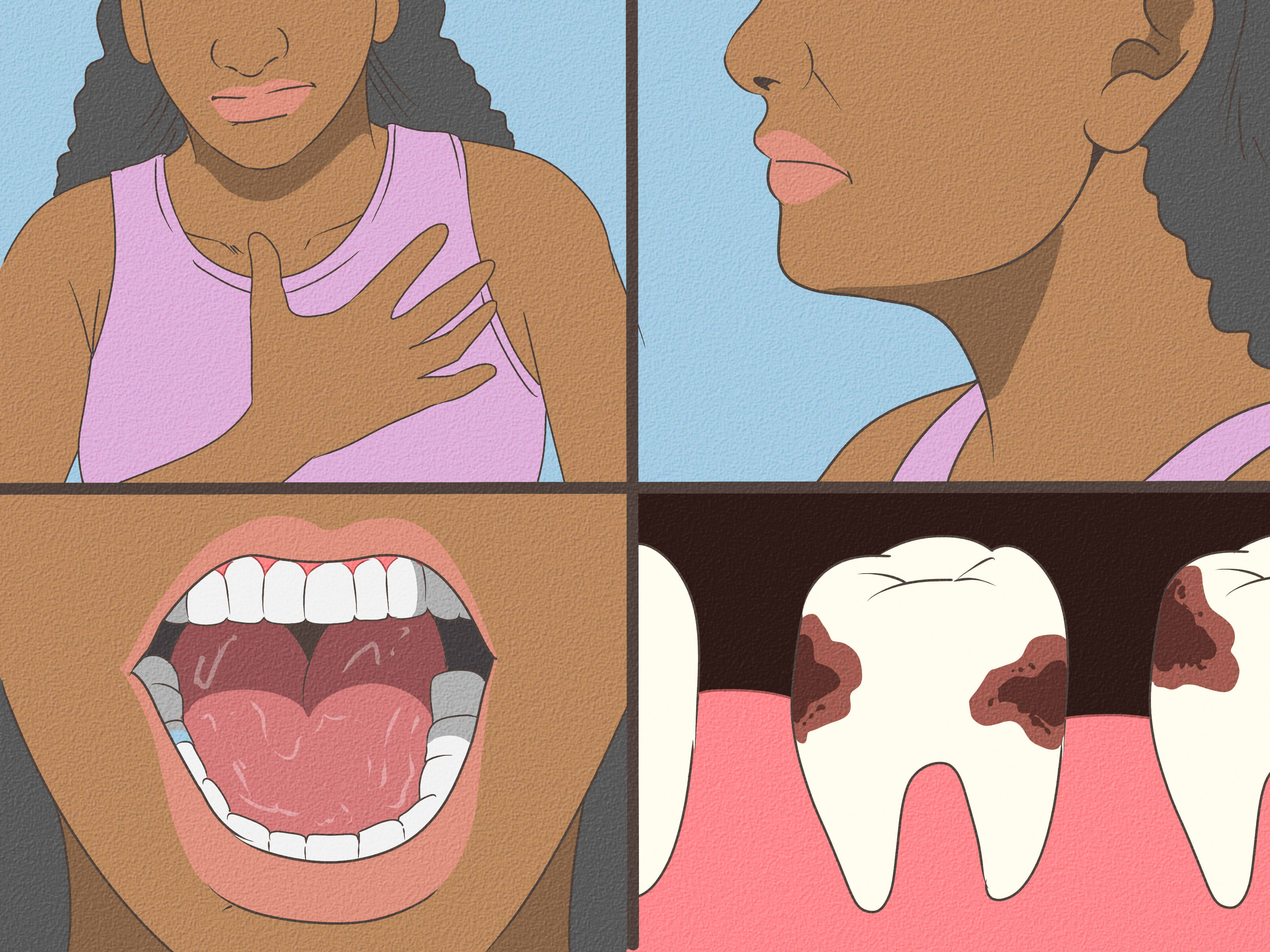
Acid reflux has a special talent for showing up right when you are finally horizontal, cozy, and emotionally prepared to become one with your blanket. Then, out of nowhere, your chest starts burning, your throat tastes suspiciously like dinner, and sleep leaves the building. It is rude. It is dramatic. And thankfully, it is sometimes fixable with one surprisingly simple move: raising your bed.
If you deal with nighttime heartburn or GERD symptoms, a raised bed can help gravity do what medications, willpower, and your 8:30 p.m. snack habit sometimes cannot. The idea is not fancy. It is not glamorous. It will not trend on social media unless someone films a mattress wedge reveal with cinematic lighting. But it can make a real difference.
In this guide, we will break down how a raised bed helps acid reflux, how high to raise it, which setup works best, what mistakes to avoid, and how to pair this strategy with other habits that give nighttime reflux fewer chances to ruin your evening.
Why Acid Reflux Gets Worse at Night
During the day, gravity is your quiet little digestive assistant. It helps keep stomach contents where they belong. At night, once you lie flat, gravity clocks out. If the lower esophageal sphincter, the valve between your stomach and esophagus, is a little lazy or irritated, stomach acid can travel upward more easily. That is when you get classic reflux symptoms like burning in the chest, sour taste in the mouth, coughing, throat irritation, or the lovely sensation that your dinner has scheduled a comeback tour.
Nighttime reflux can feel worse for a few reasons. Lying flat makes it easier for acid to move upward. Bigger evening meals create more pressure in the stomach. Late-night snacks reduce the time your body has to digest before bed. And if you already have GERD, obesity, a hiatal hernia, pregnancy, or trigger foods in the mix, nighttime symptoms can become especially annoying.
That is where a raised bed comes in. Instead of trying to out-negotiate your esophagus at 2 a.m., you set up the bed to work with your anatomy.
How a Raised Bed Helps Relieve Acid Reflux
A raised bed helps by putting your upper body on an incline. That angle encourages stomach acid to stay down instead of wandering north like it pays rent in your throat. This is not about turning your bedroom into a ski slope. It is about creating a gentle elevation so your head, chest, and upper torso are slightly higher than your stomach.
Why the incline matters
When your upper body is elevated, gravity makes it harder for acid to wash back into the esophagus. Many people notice fewer symptoms like heartburn, regurgitation, chronic throat clearing, coughing, or waking up with a sour taste in the mouth. A raised position may also reduce how long acid lingers in the esophagus, which matters because reflux is not just irritating. Over time, repeated exposure can inflame the esophagus and contribute to complications.
It is not just about comfort
A raised bed is not merely a sleep hack. It is a practical lifestyle adjustment often recommended for people whose symptoms flare at night. Think of it as one of the most boringly effective home strategies in the reflux toolbox. Not flashy. Just useful.
How High Should You Raise the Bed for Acid Reflux?
For most adults, the sweet spot is usually around 6 to 8 inches of elevation at the head of the bed. Some guidance allows a slightly wider range, but 6 to 8 inches is a good practical target. The goal is to elevate the whole upper body, not just your head.
If you raise the bed too little, you may not get enough benefit. If you go too steep, you may feel like you are trying to sleep during takeoff. Comfort matters because the best reflux setup is the one you will actually use for more than two nights.
A mild incline is usually enough to help many people, especially when it is paired with earlier dinners, smaller evening meals, and side sleeping. In other words, the raised bed is excellent, but it appreciates teammates.
The Best Ways to Create a Raised Bed
1. Bed risers or blocks under the head of the bed
This is the classic approach. You place sturdy risers, blocks, or a specially designed frame lift under the legs at the head of the bed. That raises the entire head end of the bed and creates a gentle incline from head to foot.
Why it works: It elevates your whole torso instead of only your neck. That is exactly what you want for nighttime reflux.
Best for: People who want a stable, long-term setup and do not mind a slight change in bed angle.
2. An under-mattress wedge
An under-mattress wedge sits beneath the mattress and lifts the upper portion of the bed. It is less obvious than risers and can feel smoother than stacking pillows or balancing yourself on a mountain of decorative cushions.
Why it works: It creates a broad incline across your upper body, which is better than bending only the neck.
Best for: People who want a cleaner look or share a bed and want a setup that feels more integrated.
3. A foam wedge pillow
A wedge pillow is often the easiest place to start. It elevates your upper body and can be a good option if you are not ready to modify the whole bed. Choose one that supports your torso, not just your head. You are aiming for “smart incline,” not “neck rebellion.”
Why it works: It is simple, accessible, and often effective for mild to moderate nighttime reflux.
Best for: Renters, travelers, or anyone testing whether elevation helps before investing in a more permanent solution.
4. An adjustable bed base
If you already own an adjustable bed, congratulations: your reflux may finally meet its ergonomic match. Adjustable beds let you raise the upper body with the press of a button, which is both practical and a tiny bit luxurious.
Why it works: It offers customizable elevation and can be easier on the back and shoulders than improvised setups.
Best for: People with chronic nighttime reflux, back pain, or anyone who likes their sleep technology to pull its weight.
What Not to Do: The Pillow Pile Mistake
Many people try to fix reflux by stacking regular pillows under their head. This sounds reasonable until 1:17 a.m., when the pillows shift, your neck is bent at a weird angle, and your torso is still basically flat. Regular pillows tend to elevate only the head and neck, which may not help much with reflux and can leave you sore the next morning.
If you use pillows, use them strategically with a wedge that supports the upper body. Do not build a fluffy tower and hope geometry will save you.
Best Sleeping Position for Acid Reflux on a Raised Bed
If you can tolerate it, sleeping on your left side often works better than sleeping on your right side or flat on your back. This may sound oddly specific, but body anatomy is weirdly persuasive. The position of the stomach and esophagus means left-side sleeping can reduce the chance of acid creeping upward.
Back sleeping is not always terrible, especially if your upper body is elevated, but left-side sleeping tends to be the friendlier option for many reflux sufferers. Right-side sleeping is more likely to let reflux symptoms crash the party.
So, if you want the dream team setup, try this combo: raised upper body plus left-side sleeping plus no late heavy meal. That is the anti-reflux version of assembling all the Infinity Stones, but for your esophagus.
How to Make a Raised Bed Work Even Better
Eat dinner earlier
Try to finish your last meal at least 2 to 3 hours before bedtime. If late meals consistently trigger symptoms, giving yourself even more time may help. Lying down too soon after eating gives acid a better chance to move upward.
Keep evening meals smaller
A giant dinner can increase pressure in the stomach and make reflux more likely. Smaller, lighter dinners are often easier to tolerate. This is not your sign to eat like a Victorian sparrow. It just means maybe skip the giant spicy burger combo five minutes before bed.
Watch your trigger foods
Common reflux triggers include fatty foods, chocolate, peppermint, caffeine, alcohol, spicy foods, tomato-based dishes, and citrus. But triggers are personal. Some people can handle salsa like champions but get betrayed by chocolate mousse. Keep a symptom journal for a week or two if you are not sure what sets you off.
Consider weight management if needed
Extra abdominal pressure can make reflux worse. If you are overweight, even modest weight loss may help reduce symptoms. This does not mean crash dieting. It means steady, realistic changes that make your stomach and esophagus less likely to feud overnight.
Avoid smoking
Smoking can weaken the lower esophageal sphincter and worsen reflux. It also irritates tissues that are already unhappy. Reflux loves bad habits. Unfortunately, it is very judgmental.
Use medication appropriately
Antacids, H2 blockers, or proton pump inhibitors may help, depending on your symptoms and your clinician’s advice. A raised bed can be part of the plan, but it is not a substitute for medical treatment if symptoms are frequent, severe, or persistent.
Common Raised Bed Mistakes That Can Sabotage Results
- Raising only the head, not the torso: This is the biggest one. Reflux relief usually works better when the upper body is elevated as a unit.
- Eating too close to bedtime: Even the best wedge cannot fully rescue a midnight burrito situation.
- Choosing a setup you hate: If the incline hurts your back or slides you downward all night, you will stop using it. Comfort matters.
- Ignoring sleep position: A raised bed works even better when paired with left-side sleeping.
- Assuming it should cure everything immediately: A raised bed helps many people, but it is usually one piece of a bigger reflux strategy.
When a Raised Bed Is Not Enough
If you still have symptoms despite using a raised bed and making lifestyle changes, it is time to check in with a healthcare professional. Frequent reflux can sometimes signal GERD that needs a more structured treatment plan. It can also overlap with other conditions, including ulcers, medication-related irritation, esophagitis, or swallowing problems.
Get medical help right away if you have chest pain that could be heart-related, trouble swallowing, pain with swallowing, vomiting, bleeding, black stools, unexplained weight loss, or symptoms that keep getting worse. And if you are taking over-the-counter heartburn medicine more than twice a week, that is a solid sign to stop freelancing and get expert input.
Final Thoughts
If acid reflux keeps stealing your sleep, a raised bed is one of the smartest low-drama changes you can make. By elevating your upper body, you give gravity a chance to keep stomach acid where it belongs. Add left-side sleeping, earlier dinners, smaller evening meals, and attention to your personal trigger foods, and you may notice a real difference.
No, a raised bed is not glamorous. It will not make your bedroom look like a luxury spa unless your idea of luxury is “slightly angled mattress with digestive ambition.” But if it helps you sleep through the night without heartburn, that is a beautiful thing.
Real-Life Experiences with a Raised Bed for Acid Reflux
People who try a raised bed for acid reflux often describe a surprisingly simple pattern: the first night feels a little unusual, the second night feels less weird, and by the end of the week they start wondering why they spent so long trying to sleep flat while their esophagus staged nightly protests.
One common experience is that the change does not feel dramatic at first, but the mornings feel better. Instead of waking up with a sore throat, a bitter taste, or that burnt-chest-aftertaste nobody requested, many people notice that they wake up feeling more normal. And normal, in the world of reflux, can feel downright luxurious.
Some people report that a wedge pillow helps right away, especially if their symptoms are mild and mostly triggered by lying flat. Others say a full bed incline works better because it supports the entire torso more naturally. This is especially true for side sleepers, who sometimes find that a wedge alone shifts around too much or feels awkward unless it is paired with the right pillow setup.
Adjustable beds tend to get glowing reviews from people who have dealt with reflux for years. The ability to fine-tune the angle matters. Some nights, a gentle incline is enough. Other nights, especially after a heavy meal or a trigger food incident involving pizza, wings, and overconfidence, a slightly higher setting feels better. Many people like having the flexibility instead of relying on a one-size-fits-all wedge.
There are also plenty of reports from people who learned what does not work. Stacked pillows are the usual villain. People say they slide down, wake up with neck pain, or still end up flat by the middle of the night. Others discover that raising the bed helps, but only when they also stop eating right before sleep. In real life, it is often the combination that matters: raised bed, earlier dinner, lighter evening meal, and less “I deserve this cheesecake at 10:45 p.m.” energy.
Another common theme is that left-side sleeping becomes easier once the bed is raised. Without elevation, some people still get breakthrough reflux even on their left side. With elevation, they describe fewer wakeups and less throat irritation. The position-plus-incline combination seems to be where many people find the biggest payoff.
Not every experience is instantly perfect. Some people need a few nights to adjust to the incline. A few notice back stiffness at first, which usually means the setup needs tweaking rather than abandonment. A better wedge shape, better pillow support, or a slightly lower angle can make a big difference. Reflux relief should not require sleeping like a folded lawn chair.
People with long-standing GERD also often say the raised bed makes medication work better, or at least makes symptoms feel more manageable overnight. It is not usually described as a miracle cure. It is described more like a dependable helper, the kind that quietly reduces the number of bad nights.
Perhaps the most relatable experience of all is the sense of relief that comes from having a practical plan. Reflux can feel random and frustrating, especially at night. A raised bed gives people something concrete to try. And when a simple physical adjustment leads to fewer midnight flare-ups, better sleep, and less morning misery, it can feel like a small home upgrade with an unexpectedly big return.