If your hair has started feeling rough, tangly, dull, or weirdly “coated” after showering, hard water may be the sneaky little troublemaker behind the scenes. It is not always the main villain in a hair loss story, but it can absolutely make your strands feel weaker, drier, and more likely to snap. That matters, because breakage can look a lot like hair loss when you see extra strands on your brush, in the shower drain, or starring in a dramatic role on your black T-shirt.
Hard water contains higher levels of minerals like calcium and magnesium. Those minerals can leave buildup on the hair and scalp, make shampoo lather less effectively, and get in the way of moisture. The result? Hair that feels straw-like, frizzy, flat, brassy, or brittle enough to break when you least need the drama. The good news is that you do not need to move to a mountain spring or wash your hair with bottled fairy tears. You just need a smarter routine.
Important note: hard water is more strongly linked to buildup, dryness, and breakage than to proven permanent follicle loss. So if you have sudden shedding, bald patches, scalp pain, or rapidly thinning areas, please see a dermatologist instead of blaming your showerhead like it is a criminal mastermind.
Why Hard Water Can Make Hair Look Thinner
Here is the confusing part: many people say, “My hair is falling out,” when what is really happening is a messy combination of breakage, tangles, scalp buildup, and dryness. Hard water can leave minerals on the hair shaft, making strands feel stiff and less manageable. When hair gets dry and brittle, it snaps more easily during shampooing, brushing, heat styling, or even while just trying to survive a ponytail.
That means hard water may not be the direct root cause of every shedding episode, but it can make your hair look thinner and feel weaker. It can also irritate an already sensitive scalp. If you already deal with dandruff, seborrheic dermatitis, eczema, color-treated hair, or textured hair that needs extra moisture, hard water can be especially rude.
12 Steps to Prevent Hair Loss Due to Hard Water
Step 1: Confirm That Hard Water Is Actually Part of the Problem
Before you overhaul your entire bathroom like a hair detective on a deadline, look for clues. Hard water often leaves white residue on faucets, shower doors, and kettles. In the shower, it can make shampoo harder to lather and leave your hair feeling coated, squeaky, or oddly stiff after rinsing. Color-treated hair may turn brassy faster, and curls may lose bounce and definition.
If those signs sound familiar, test your water. You can use a home water hardness test strip, check your local water utility report, or ask your landlord if your building has a softener. The more precise you are at the beginning, the less likely you are to waste money on products that promise miracle hair and deliver only scented disappointment.
Step 2: Use a Chelating or Clarifying Shampoo the Right Way
This is the step most people skip until their hair starts behaving like an old broom. A chelating or clarifying shampoo can help remove mineral buildup from hard water. Chelating formulas are especially useful because they are designed to bind to minerals and wash them away. Clarifying shampoos can also help, but some are stronger and may dry the hair if overused.
The key is moderation. For many people, once a week is enough. If your hair is dry, curly, coily, color-treated, or easily irritated, you may need it less often, such as every two to four weeks. Follow the product directions instead of deciding that if a little is good, daily use must be amazing. That is how you end up with hair that feels “clean” in the same way cardboard feels “structured.”
Step 3: Shampoo Your Scalp, Not the Entire Length of Your Hair
One of the smartest ways to prevent breakage is to stop scrubbing the life out of your ends. Focus shampoo on the scalp, where oil, sweat, dead skin, and mineral buildup collect. As you rinse, the shampoo will naturally run through the lengths of your hair and clean them without extra rough handling.
This small technique change matters a lot in hard water areas. When the hair shaft is already dealing with mineral residue, aggressive washing through the mid-lengths and ends can push fragile strands closer to breakage. Clean the roots like a professional. Leave the dramatic scrubbing to kitchen pans.
Step 4: Never Skip Conditioner
If hard water is the thief stealing softness from your hair, conditioner is your security system. Conditioner helps restore slip, reduce tangles, and improve manageability after washing. That means less friction, less snapping, and less panic when you see hair on the comb.
If your hair is fine or straight, focus conditioner mainly on the ends. If it is dry, curly, coily, or textured, you may need it through more of the length. Choose formulas labeled moisturizing, hydrating, smoothing, or strengthening. Ingredients that help with softness and resilience can make a noticeable difference when hard water has been leaving your hair feeling rough.
Step 5: Add a Deep Conditioning Mask to Your Routine
Hard water can make hair feel dry even when you think you are doing everything right. A weekly deep-conditioning mask can help replenish moisture and improve elasticity, which reduces the chance that strands will snap during everyday handling. This is especially helpful if you heat-style, color your hair, or have naturally dry hair.
Apply the mask from mid-lengths to ends and leave it on for the time directed. You do not need to marinate all afternoon unless the product specifically says so. Consistency matters more than turning your bathroom into a hair spa reality show.
Step 6: Lower the Water Temperature
Hot showers feel glorious. Your scalp may disagree. Very hot water can dry the scalp and hair, making irritation and brittleness worse. When hard water is already leaving mineral residue behind, adding heat to the equation can make your hair feel even more stripped.
Try lukewarm water instead. You do not have to shower in sad little iceberg conditions. Just aim for warm, not scalding. Your hair will usually feel less frizzy, your scalp may be less itchy, and your bathroom mirror will still fog up enough to keep your skincare secrets safe.
Step 7: Rinse Thoroughly and Consider an Occasional Final Rinse With Soft or Filtered Water
Minerals plus leftover product equal buildup city. Rinse your shampoo and conditioner thoroughly so you are not leaving residue behind for your next wash day to argue with. If your water is very hard, an occasional final rinse with filtered, distilled, or otherwise softer water can help reduce the coated feeling some people notice after washing.
This does not have to be an everyday routine unless you enjoy carrying pitchers into the shower like you are preparing for battle. Even doing it once in a while, especially after a clarifying wash or before an important event, can make hair feel softer and cleaner.
Step 8: Know the Difference Between a Shower Filter and a Real Water Softener
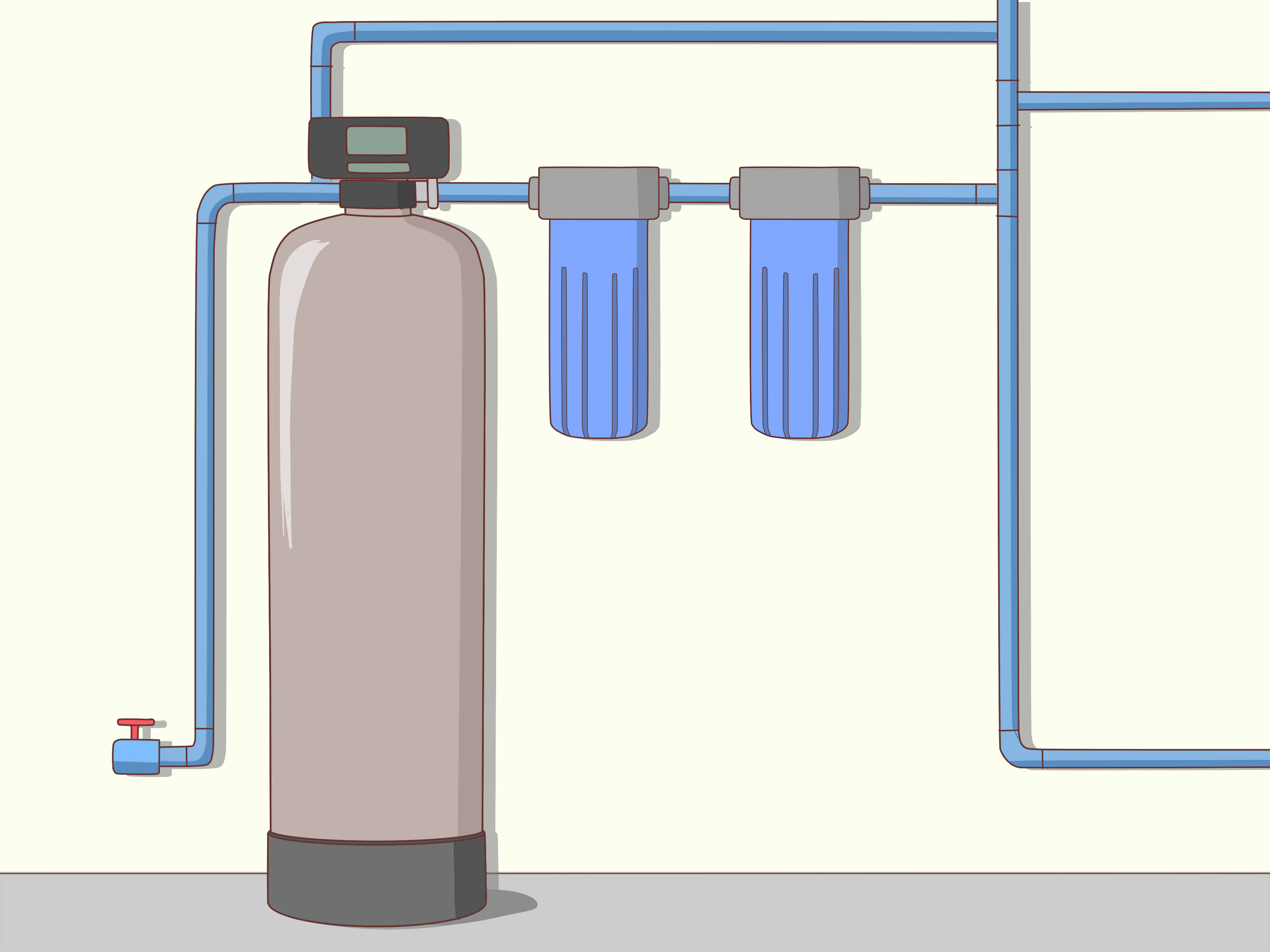
Marketing loves to act like every shower filter can turn hard water into angel tears. Real life is less magical. A shower filter may help reduce certain impurities, especially chlorine, but a whole-house water softener is what actually targets hardness by reducing calcium and magnesium. That distinction matters.
If hard water is a major issue in your home, a true softening system is the most effective long-term fix. If that is not possible, a shower filter may still help some people by improving overall water quality, but do not expect it to perform like a full softener. Buy based on what the product is certified to do, not on a photo of a model with suspiciously perfect hair.
Step 9: Be Gentle With Wet Hair
Wet hair is more fragile, and hard-water-stressed hair can be even more prone to breakage. After washing, gently squeeze out extra water instead of rubbing your hair aggressively with a towel. Better yet, blot with a soft towel or T-shirt. Then use a wide-tooth comb to detangle carefully.
Start at the ends and work upward. Do not yank through knots like you are trying to win an argument with them. A little patience here saves a surprising amount of breakage over time.
Step 10: Reduce Heat Styling and Tight Hairstyles
If hard water is already making your hair dry and brittle, regular blow-drying, flat ironing, curling, bleaching, or tightly pulling hair back can add even more stress. That does not mean you have to break up with your styling tools forever. It does mean you should use lower heat, apply heat protectant, and avoid styles that pull painfully at the roots.
Loose buns, soft scrunchies, low-tension braids, and occasional air-drying can give your hair a much-needed break. If your hairstyle hurts, that is not “snatched.” That is your scalp filing a complaint.
Step 11: Treat Scalp Flakes, Itch, or Irritation Early
Sometimes hard water is not the only issue. If your scalp is itchy, flaky, inflamed, or greasy with stubborn buildup, you may also be dealing with dandruff or seborrheic dermatitis. In that case, a medicated dandruff shampoo may be more helpful than just switching conditioners and hoping for the best.
Look for products with ingredients such as ketoconazole, selenium sulfide, pyrithione zinc, salicylic acid, or tar, depending on your needs and tolerance. Fragrance-free and alcohol-free products may be less irritating for sensitive scalps. If over-the-counter care is not helping, book a dermatologist visit. Scalp health is part of hair health, full stop.
Step 12: See a Dermatologist if You Notice True Shedding or Thinning
This is the most important step in the whole article. If you have sudden hair shedding, bald patches, widening part lines, scalp pain, or hair coming out from the root in large amounts, do not assume hard water is the full explanation. Hair loss can be caused by genetics, hormone changes, nutritional deficiencies, illness, medications, stress, tight hairstyles, or scalp disease.
A dermatologist can tell the difference between breakage and actual hair loss, examine your scalp, assess whether your hair is breaking more easily, and decide whether testing is needed. The sooner you identify the real cause, the better your chances of protecting regrowth and stopping further loss.
Extra Habits That Make a Big Difference
Beyond the 12 main steps, a few bonus habits can make your routine even stronger. Trim split ends regularly so breakage does not travel farther up the shaft. Avoid piling on heavy styling products if your hair already feels waxy or coated. If you swim, rinse your hair right away and use a swimmer-friendly shampoo when needed. And if your hair is color-treated, treat it like the delicate celebrity it believes itself to be.
Also, keep your expectations realistic. Fixing hard-water hair is usually a process, not a one-shower miracle. Once buildup is reduced and your routine is more moisturizing and less aggressive, hair often becomes shinier, softer, and easier to manage over several weeks. In other words, do not judge your new routine after one wash when your hair is still recovering from months of mineral nonsense.
Common Experiences People Have With Hard Water Hair
The “My Hair Was Fine Until I Moved” Experience
This is one of the most common stories. Someone moves into a new apartment or dorm, keeps using the same shampoo and conditioner, and suddenly their hair feels awful. It looks dull, gets greasy at the roots but dry on the ends, and tangles for absolutely no good reason. They assume they bought a bad product, changed hormones, or offended the hair gods. Then they notice white spots on the shower door, soap that does not lather well, and hair that never quite feels clean. That is often the moment hard water enters the plot.
In many cases, nothing else changed except the water. Once they switch to a clarifying or chelating shampoo, condition more consistently, and stop scrubbing the lengths so aggressively, their hair starts behaving again. Not overnight, but enough to make them trust mirrors once more.
The “Why Does My Hair Feel Waxy?” Experience
Another common experience is the coated, heavy, almost sticky feeling that shows up even after a fresh wash. People describe it as waxy, filmy, rough, or weirdly squeaky. Hair may stop moving naturally and start sitting there like it is holding a grudge. This tends to happen when minerals and product residue build up together, especially if the person uses rich styling creams, dry shampoo, or a lot of leave-in products.
What usually helps is simplifying the routine for a while: one good clarifying wash, one solid conditioner, less product layering, and a more thorough rinse. That “my hair feels cursed” sensation often fades when buildup is finally removed. It is not glamorous advice, but sometimes the fix is less chaos, not more products with French names.
The “I Thought I Had Hair Loss, But It Was Mostly Breakage” Experience
This one is emotionally rough because seeing extra hair in the drain can be scary. Many people assume they are losing hair from the root when, in reality, the strands are snapping because they have become dry, brittle, and over-handled. Hard water can make this worse by increasing roughness and reducing slip, so brushing and styling create more breakage than usual.
Once these people start being gentler with wet hair, lower the heat, stop wearing tight styles, and add more moisture, the amount of hair on the brush often drops. The big relief comes when they realize the issue was not always irreversible loss. Of course, if true shedding continues, that is when a dermatologist earns hero status.
The “My Scalp Is Annoyed Too” Experience
Some people do not notice the hair first. They notice the scalp. It feels itchy, tight, flaky, or irritated after every wash. They buy more oils, then more scrubs, then a random product recommended by someone on the internet with fabulous lighting and no credentials. Sometimes the scalp just needs less irritation and better treatment, not more experiments.
When hard water and scalp sensitivity team up, a gentler routine can be a game changer. Lukewarm water, fragrance-free products, less scratching, and the right medicated shampoo for dandruff or seborrheic dermatitis can calm things down. And when the scalp is healthier, the hair usually behaves better too. Amazing how much peace can come from not turning your head into a chemistry lab.
Conclusion
Hard water may not be the sole cause of hair loss, but it can absolutely make your hair feel rougher, drier, weaker, and more likely to break. That is why prevention matters. By removing mineral buildup, moisturizing consistently, reducing heat and tension, and getting scalp symptoms treated early, you can protect your hair from a lot of unnecessary damage. If your strands have been acting like they are going through a dramatic breakup, start with the water, improve the routine, and give your hair a few weeks to recover. And if the shedding is significant or suspicious, let a dermatologist do what shampoo bottles cannot: diagnose the actual problem.