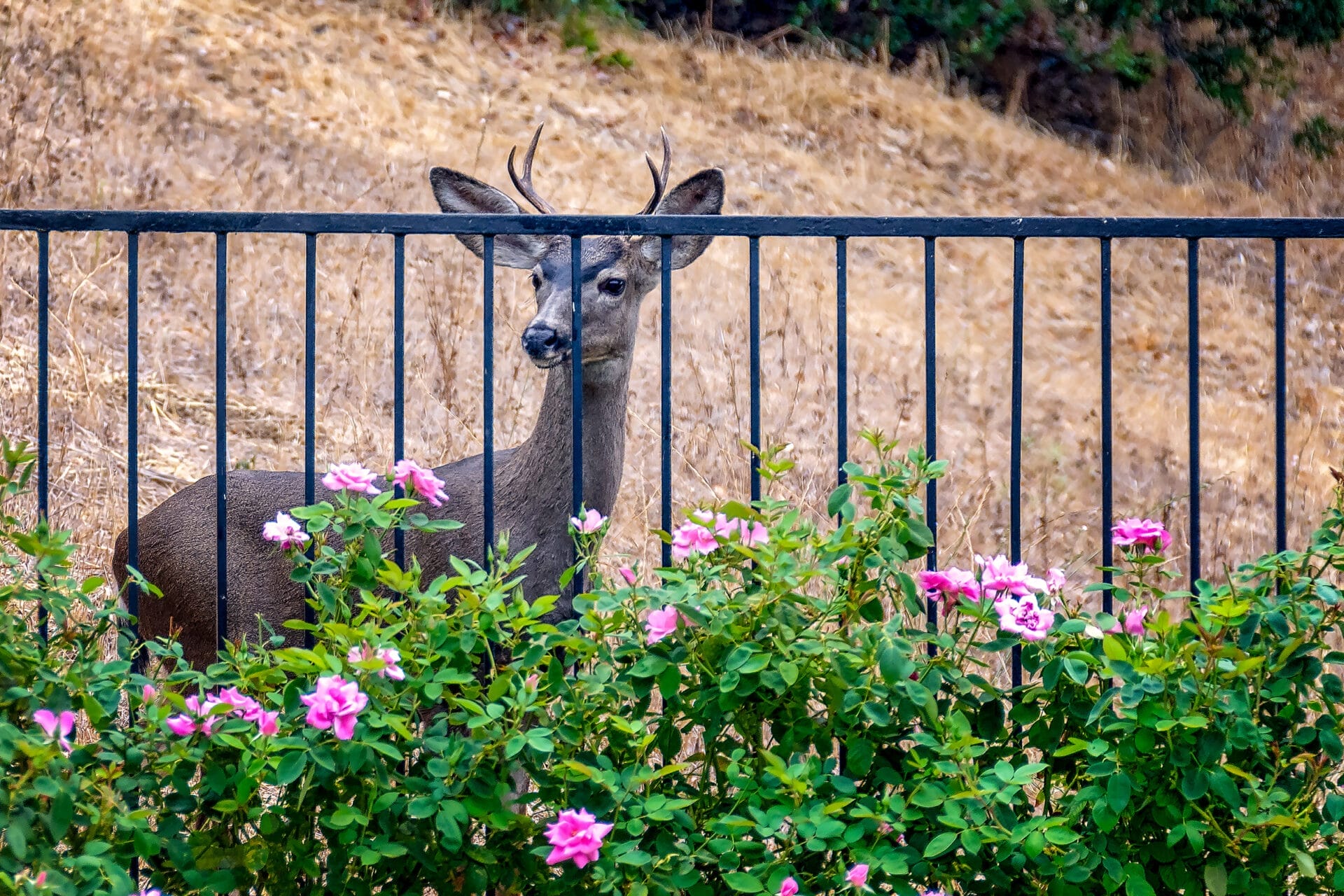
A fence is one of those backyard features that seems simple until nature gets involved. To us, it is a property line, a dog boundary, a deer deterrent, or a privacy screen. To wildlife, it can be a wall, a trap, a confusing obstacle course, or, on a good day, a safe passageway with better landscaping. The difference comes down to design.
Learning how to make your fence wildlife friendly does not mean turning your yard into a public zoo or letting raccoons host a midnight buffet in your trash cans. It means building smarter: allowing harmless movement where appropriate, preventing injury, protecting pets and gardens, and supporting the birds, pollinators, small mammals, reptiles, and beneficial insects that already share your neighborhood. A wildlife-friendly fence can still look clean, protect your property, and satisfy practical needs. It just avoids becoming an accidental obstacle course with splinters.
Across the United States, wildlife agencies, university extension programs, and conservation organizations have been encouraging homeowners, ranchers, and land managers to rethink fencing. The advice varies by region because a yard in Vermont does not have the same visitors as a ranch in Wyoming or a desert property in Arizona. Still, the main principles are surprisingly universal: make fences visible, avoid entanglement hazards, leave safe openings where possible, use native plants, maintain the fence regularly, and design for the species that actually live near you.
What Is a Wildlife-Friendly Fence?
A wildlife-friendly fence is a barrier that performs its human job while reducing harm to animals. It may keep pets in, protect vegetables, separate livestock, mark a boundary, or screen a patio, but it does so without blocking every natural movement corridor or creating sharp, tangled, or invisible hazards.
In open landscapes, such as the American West, wildlife-friendly fencing often focuses on larger animals like deer, elk, pronghorn, and moose. These animals need to move between seasonal habitats for food, water, shelter, and reproduction. A fence that is too high to jump, too low to crawl under, or too hard to see can separate herds, trap young animals, or cause injury. In suburban and urban yards, the concern may be smaller creatures: rabbits, turtles, frogs, salamanders, opossums, foxes, songbirds, native bees, and butterflies.
The best wildlife-friendly fence is not one specific product. It is a set of choices. Sometimes it means lowering a top rail. Sometimes it means raising the bottom of a fence panel a few inches. Sometimes it means replacing barbed wire with smooth wire. Sometimes it means removing a fence section entirely and using shrubs instead. Very glamorous? Maybe not. Very useful? Absolutely.
Start With a Yard Wildlife Audit
Before changing a fence, take a slow walk around your property. Look for tracks, droppings, feathers, worn paths, burrows, nests, low gaps, and places where animals clearly try to squeeze through. Wildlife is not subtle when it has a favorite route. Rabbits leave little trails. Turtles often follow the same low path. Deer may cross at the same corner again and again. Birds may perch on the same fence line before dropping into shrubs.
Ask a few practical questions:
- Which animals commonly appear in your yard or neighborhood?
- Do you need to keep pets inside the yard?
- Are you trying to protect a vegetable garden, chicken coop, orchard, or pond?
- Does your fence border woods, a drainage ditch, a creek, a meadow, or another habitat corridor?
- Are there local rules from your city, county, homeowners association, or wildlife agency?
This audit helps you avoid the classic mistake of solving one problem while creating three new ones. For example, a solid privacy fence may stop deer from snacking on hostas, but it may also block box turtles from reaching nesting areas or prevent small mammals from moving between yards. A wide-open rail fence may be great for deer movement, but less great if your enthusiastic terrier believes squirrels are personal invitations from the universe.
Choose the Right Fence Type for the Right Location
Post-and-Rail Fences
Post-and-rail fences are often among the most wildlife-friendly options because they are visible and easy for many animals to move around, under, or over. They define space without sealing it. For homeowners who want a classic look without turning the yard into Fort Knox, post-and-rail fencing can be a smart compromise.
To make this style even better, avoid adding tight wire mesh from ground to rail unless you truly need it. If mesh is required for pets, consider using it only in the areas where pets spend time, rather than wrapping every inch of the property.
Split-Rail and Board Fences
Split-rail and board fences are also relatively visible to wildlife. Visibility matters because animals do not always perceive thin wires or dark materials quickly, especially at dusk, dawn, or during storms. Birds and fast-moving mammals are more likely to collide with fences they cannot easily see.
For a more wildlife-friendly design, leave some clearance at the bottom where safe and practical. Even a modest gap can help small animals pass through without digging, squeezing, or getting stuck.
Chain-Link Fences
Chain-link fencing is not automatically bad. It is visible, durable, and useful for pet containment. However, it can become a complete barrier for many animals if it reaches the ground on all sides. Small mammals, reptiles, and amphibians may be forced to travel along the fence line until they find an opening, which can expose them to roads, predators, heat, or exhaustion.
If you use chain-link fencing, consider adding carefully placed wildlife openings in low-risk areas. These can be small ground-level gaps or framed passages that allow rabbits, turtles, or other harmless animals to move through while still keeping larger pets contained. The size and placement should match your local wildlife and your pet-safety needs.
Solid Privacy Fences
Privacy fences are popular for good reason. They block noise, create a cozy outdoor room, and prevent awkward eye contact with neighbors while you are wearing gardening gloves and one mysterious sock. But from a wildlife perspective, a solid six-foot wall can be a major barrier.
If you need privacy, think in zones. Use solid fencing near patios, pools, or outdoor living spaces, then switch to more open fencing near the back or side of the property. Another option is a “soft privacy” approach: combine a shorter fence with native shrubs, small trees, vines, and tall grasses. This gives you screening while also creating food, cover, and nesting habitat.
Design Fences Animals Can Cross Safely
In rural and open areas, wildlife-friendly fence design often follows three core ideas: low enough to jump, high enough to crawl under, and visible enough to avoid. Many landowner guides recommend keeping top wires or rails around 40 to 42 inches high where large wildlife movement is important. Bottom wires should often be smooth, not barbed, and high enough off the ground to let animals such as pronghorn, deer fawns, and smaller mammals pass underneath safely.
For backyard use, the same principle can be scaled down. A fence does not have to be open everywhere. You can create selected passage points in places where wildlife already travels. These openings may be hidden behind shrubs, placed away from busy roads, or located near natural cover so animals do not feel exposed.
For small animals, a passage can be as simple as a neat, framed opening near the ground. For example, a low opening along a side yard may allow turtles, rabbits, or opossums to pass through without forcing them toward the driveway. If you have small pets, do not cut random holes and hope for the best. Use a design that balances wildlife movement with pet safety, such as openings outside the pet area or passages protected by short internal barriers.
Avoid Fence Features That Injure Wildlife
Barbed Wire
Barbed wire is one of the most common causes of fence-related wildlife injury. Animals can snag legs, hides, wings, or antlers. Birds can collide with it. Young animals may panic and become tangled. If barbed wire is not essential, replace it with smooth wire, especially on the top and bottom strands.
Where barbed wire is necessary for livestock, use it carefully and only where it is truly needed. A smooth bottom wire is especially important because many animals prefer to crawl under fences rather than jump over them. A smooth top wire or rail can also reduce injuries when animals jump.
Loose or Sagging Wire
A loose fence is not just unattractive; it is a wildlife hazard. Sagging wire creates loops and pockets where animals can get caught. Broken strands can act like snares. Old woven wire may curl at the bottom and trap feet, legs, or shells. Regular maintenance is one of the simplest wildlife-friendly upgrades you can make.
Walk the fence line every season. Look for broken wires, sharp edges, leaning posts, loose mesh, and places where vegetation has pulled fencing out of position. Repair problems quickly. Wildlife does not wait for your Saturday chore schedule.
Plastic Netting and Temporary Mesh
Temporary plastic netting, erosion-control mesh, and loose garden netting can entangle birds, snakes, frogs, and small mammals. If you use temporary fencing or netting, choose wildlife-safer materials when possible, install them tightly, monitor them often, and remove them as soon as they are no longer needed.
For gardens, rigid hardware cloth or well-secured fencing is usually safer than loose, floppy mesh. For erosion control, natural fiber products or no-netting alternatives are often better choices in wildlife-sensitive areas.
Make Your Fence More Visible
Animals cannot avoid what they cannot see. Thin wire fences can be difficult for birds, deer, and other wildlife to detect, especially in low light. Increasing visibility is inexpensive and often very effective.
Try these visibility upgrades:
- Add white or light-colored markers to wire fences.
- Use flagging, reflective tags, or fence clips in high-crossing areas.
- Choose rails, boards, or top wires that contrast with the background.
- Keep vegetation from completely hiding dangerous wires.
- Mark fences near water, meadows, migration routes, or known animal trails.
This is especially useful for birds such as grouse, owls, hawks, and waterfowl, as well as hoofed animals moving quickly through open land. A few markers can turn an invisible hazard into something wildlife can recognize and avoid. Think of it as adding punctuation to the landscape: “Fence here. Please do not face-plant.”
Create Wildlife Passages Without Giving Up Security
Many homeowners worry that wildlife-friendly fencing means inviting chaos. In reality, the goal is controlled permeability. You decide where movement is welcome and where it is not.
Use Strategic Ground Gaps
Ground gaps can help small wildlife move safely through a neighborhood. These openings work best along side or rear fences, near shrubs, or beside existing natural corridors. Avoid placing openings near busy streets, swimming pools, or areas where pets may escape.
Use Raised Bottom Rails
In some fence styles, raising the bottom rail or bottom wire can create enough clearance for wildlife while preserving the fence’s main function. This is especially useful on large properties, farms, ranches, or rural lots where animals naturally move across the land.
Install Seasonal Openings
Some fences only need to be tight during part of the year. If you protect a garden during the growing season, consider removable panels or seasonal gates that can be opened after harvest. When the tomatoes are done and the zucchini has finally stopped behaving like a green baseball bat factory, wildlife can move more freely again.
Use Native Plants as a Living Fence
One of the most beautiful ways to make a fence wildlife friendly is to reduce how much hard fencing you need. Native shrubs, small trees, grasses, vines, and flowering perennials can create a living fence that offers privacy, shade, food, nesting sites, and shelter.
A living fence does not have to be wild in the messy sense. It can be layered and intentional. Place taller shrubs in the back, medium shrubs in the middle, and flowers or grasses near the front. Choose plants native to your region because they are better adapted to local weather, soil, insects, and wildlife. Native plants often support native bees, butterflies, moths, birds, and beneficial insects more effectively than ornamental plants that provide looks but little ecological value.
Good living-fence choices may include serviceberry, elderberry, viburnum, dogwood, native roses, juniper, holly, hawthorn, wild plum, blackberry, raspberry, snowberry, Oregon grape, and regionally appropriate grasses or perennials. The best list depends on where you live, so check your state extension service, local native plant society, or regional conservation district before buying.
Along a fence line, native plants also soften hard edges. They give birds a safe perch, provide cover for small mammals, and create a buffet for pollinators. A plain fence says, “Here is the property line.” A planted fence says, “Here is the property line, plus berries, blossoms, shade, and a tiny bird condominium.”
Protect Gardens Without Blocking Everything
Vegetable gardens often need stronger protection. Deer, rabbits, groundhogs, raccoons, and squirrels can turn a carefully planned garden into a salad bar with better lighting. The trick is to protect the high-value area without sealing the entire property.
Instead of fencing the whole yard with a wildlife-proof barrier, fence only the garden. A tall deer fence around a vegetable bed may be reasonable, especially where deer pressure is intense. For rabbits and groundhogs, use buried hardware cloth or an outward-facing apron near the garden fence. For climbing animals, secure lids or overhead protection may be needed for specific crops.
This targeted approach is more wildlife friendly because it protects what you need while leaving the rest of the yard more permeable. It also saves money. Fencing a 20-by-30-foot garden is much easier than building a backyard version of a medieval fortress.
Think About Birds, Pollinators, and Night Wildlife
Wildlife-friendly fencing is not only about animals walking under or jumping over. Birds, bees, butterflies, bats, moths, and other flying creatures use fence lines too. They perch, nest nearby, hunt insects, seek shelter, and move along planted corridors.
To support them, reduce unnecessary outdoor lighting along fence lines. Bright lights can disrupt nocturnal insects and the animals that feed on them. Use motion sensors, warm-colored bulbs, shields, and lower brightness where safety allows.
Avoid spraying pesticides along fence rows. Fence lines often become mini-habitats where native flowers, grasses, and shrubs can support pollinators. If you must control weeds, use targeted methods and avoid blanket chemical treatments. A little ecological patience goes a long way. Not every leaf hole is a crisis. Sometimes it is just lunch for a caterpillar that may become a butterfly or feed a baby bird.
Keep Pets Safe While Helping Wildlife
Pet owners have special fencing concerns. A wildlife-friendly fence should not let your dog wander into traffic or your cat roam into bird habitat. Domestic pets can harm wildlife, and wildlife can sometimes injure pets. The solution is thoughtful zoning.
Create a secure pet area where fencing reaches the ground and gates latch properly. Then make other parts of the property more wildlife friendly. For example, a backyard can have a dog run or fenced patio for pets, while the side yard and rear boundary include native shrubs, raised bottom rails, or small wildlife passages.
If cats spend time outdoors, consider a catio or enclosed patio instead of free roaming. This protects birds, small mammals, and the cat. Everyone wins, except perhaps the cat, who may file a dramatic complaint with management.
Remove Fences You Do Not Need
The most wildlife-friendly fence is often no fence at all. Old, abandoned, or redundant fencing can create hazards for years after it stops serving any purpose. If you have unused wire, broken panels, old garden mesh, or forgotten boundary fencing, consider removing it.
Fence removal can immediately restore movement and reduce entanglement risk. On larger properties, removing obsolete internal fences may help deer, elk, pronghorn, or other animals move more naturally. In suburban yards, removing an unnecessary side fence section may reconnect habitat for turtles, frogs, rabbits, and beneficial insects.
Do the work carefully. Old fence materials may include rusty nails, sharp wire, treated lumber, or hidden debris. Wear gloves, roll wire tightly, dispose of it properly, and check the area afterward for leftover hazards.
Maintain a Wildlife-Friendly Fence Year-Round
A fence can start wildlife friendly and become risky over time. Snow, storms, falling branches, soil movement, plant growth, and normal wear can change how a fence functions. Seasonal maintenance keeps your good intentions from quietly turning into a problem.
Spring
Look for winter damage, sagging wire, loose panels, and new animal trails. Avoid disturbing active nests. If birds are nesting in shrubs along the fence, postpone heavy pruning when possible.
Summer
Watch for vegetation pulling on mesh or hiding wire hazards. Check garden fencing and temporary netting often. Make sure water features or pools do not trap small animals.
Fall
Open seasonal gates after garden harvest if safe. Remove temporary fencing and netting. Add visibility markers before darker winter conditions arrive.
Winter
In snowy regions, snowpack can effectively lower fence height and make crossings more dangerous. Watch for places where animals struggle and adjust fence sections when weather allows.
Common Mistakes to Avoid
The first mistake is assuming one fence can do everything. A fence designed to stop deer, contain dogs, provide privacy, protect vegetables, and allow wildlife movement may end up doing none of those things well. Divide your yard into functions instead.
The second mistake is choosing materials based only on appearance. A glossy black wire fence may look elegant in a catalog but become nearly invisible to animals at dusk. A decorative sharp-topped fence may look formal but create injury risks. Beauty matters, but so does biology.
The third mistake is ignoring local species. Advice for pronghorn country may not apply to a wooded neighborhood in North Carolina. Desert tortoise passage is different from rabbit passage. Moose movement is different from pollinator habitat. Start with your region.
The fourth mistake is letting temporary solutions become permanent. Plastic mesh, construction fencing, and quick garden netting often cause problems when left outdoors too long. Temporary should mean temporary, not “until the sun turns it into confetti.”
Practical Wildlife-Friendly Fence Ideas for Different Properties
Small Suburban Yard
Use solid fencing only where privacy is needed. Add small passage openings in safe locations, plant native shrubs along the fence line, reduce pesticide use, and keep pets in a secure zone. Add bird-safe visibility features to dark or reflective fencing.
Large Rural Lot
Use open rail or smooth-wire fencing where possible. Keep top wires low enough for safe jumping and bottom wires high enough for crawling. Mark long wire stretches for visibility. Remove abandoned interior fencing.
Vegetable Garden
Fence the garden, not the whole world. Use buried hardware cloth or an apron for digging animals, taller fencing for deer where necessary, and removable panels after harvest. Keep loose netting tight and monitored.
Wildlife Corridor Property
If your land borders woods, a creek, meadow, wetland, or open range, consult local wildlife experts before installing major fencing. Place barriers away from known travel routes where possible. Use open designs, raised bottom wires, and marked fence sections.
Experience-Based Tips: What Actually Helps in Real Yards
In real life, making a fence wildlife friendly usually happens in small steps, not one dramatic weekend transformation. The best experience is to begin by observing before buying anything. Spend a few mornings and evenings watching how animals move around your yard. You may discover that the back corner you rarely visit is actually the neighborhood rabbit highway. You may notice birds landing on a particular rail before feeding in shrubs. You may see that turtles or frogs appear after rain near the lowest part of the fence. These clues are more valuable than any fancy product label.
One practical lesson is that wildlife prefers predictable, quiet routes. A small opening hidden near shrubs is more useful than a large exposed gap in the middle of a busy lawn. Animals do not want to march across your yard like they are arriving for a parade. They want cover, shade, and a quick way through. Planting native shrubs near passage points makes those openings more inviting and safer.
Another experience-based tip is to separate “protection zones” from “sharing zones.” For example, keep a dog area secure and escape-proof, especially near streets. Protect the vegetable garden with strong fencing. But let less sensitive areas breathe. A side yard planted with native grasses and shrubs can become a wildlife corridor without sacrificing the patio, play area, or tomato crop. This zoning approach is easier to maintain and easier to explain to neighbors who may wonder why your fence has a tiny doorway for creatures who do not pay rent.
Visibility upgrades are also more helpful than many people expect. Adding simple markers to wire or dark fencing can reduce collisions and make the fence easier for both wildlife and humans to see. This is especially useful near open areas, slopes, water features, and places where animals move at speed. The markers do not need to be ugly. There are clips, tags, tapes, and other options that can blend into a tidy landscape.
Maintenance is where good designs either succeed or fail. A wildlife-friendly opening can become blocked by leaves. A smooth wire can sag. A shrub can grow into mesh. A loose plastic net can become dangerous after one storm. The easiest routine is to walk the fence line at the start of each season. Bring gloves, pruning shears, and a small repair kit. Fix small problems before they become expensive problems or wildlife hazards.
Finally, talk to neighbors when your fence line connects shared habitat. Wildlife does not recognize property boundaries, even if your county assessor does. If three adjoining yards each have one small safe passage, the result can be a meaningful corridor for turtles, rabbits, frogs, and other small animals. If one yard blocks everything, the route may fail. A friendly conversation can turn individual yard improvements into a neighborhood habitat network. You do not have to sound like a wildlife professor. A simple “I’m making the fence safer for turtles and birds” usually works better than a lecture with hand gestures.
Conclusion
Making your fence wildlife friendly is not about giving up control of your property. It is about designing with a little more intelligence and a little less panic. A good fence can protect pets, gardens, and privacy while still allowing safe wildlife movement, reducing injuries, and supporting biodiversity.
Start with observation. Identify the animals that actually use your yard. Choose visible, safe materials. Avoid barbed, loose, or tangled hazards. Create strategic openings where appropriate. Use native plants to soften hard barriers and provide food, cover, and nesting space. Maintain the fence regularly, remove what you no longer need, and adapt the design to your region.
Your fence does not have to be perfect. It just has to be better than a solid wall with attitude. Even one small passage, one safer wire, one native hedge, or one removed section of old fencing can make a difference. Wildlife-friendly fencing is practical conservation at backyard scale: humble, useful, and quietly powerful.
Note: This article is based on practical guidance commonly recommended by U.S. wildlife agencies, university extension programs, and conservation organizations. Always check local ordinances, homeowners association rules, and regional wildlife recommendations before modifying a fence.