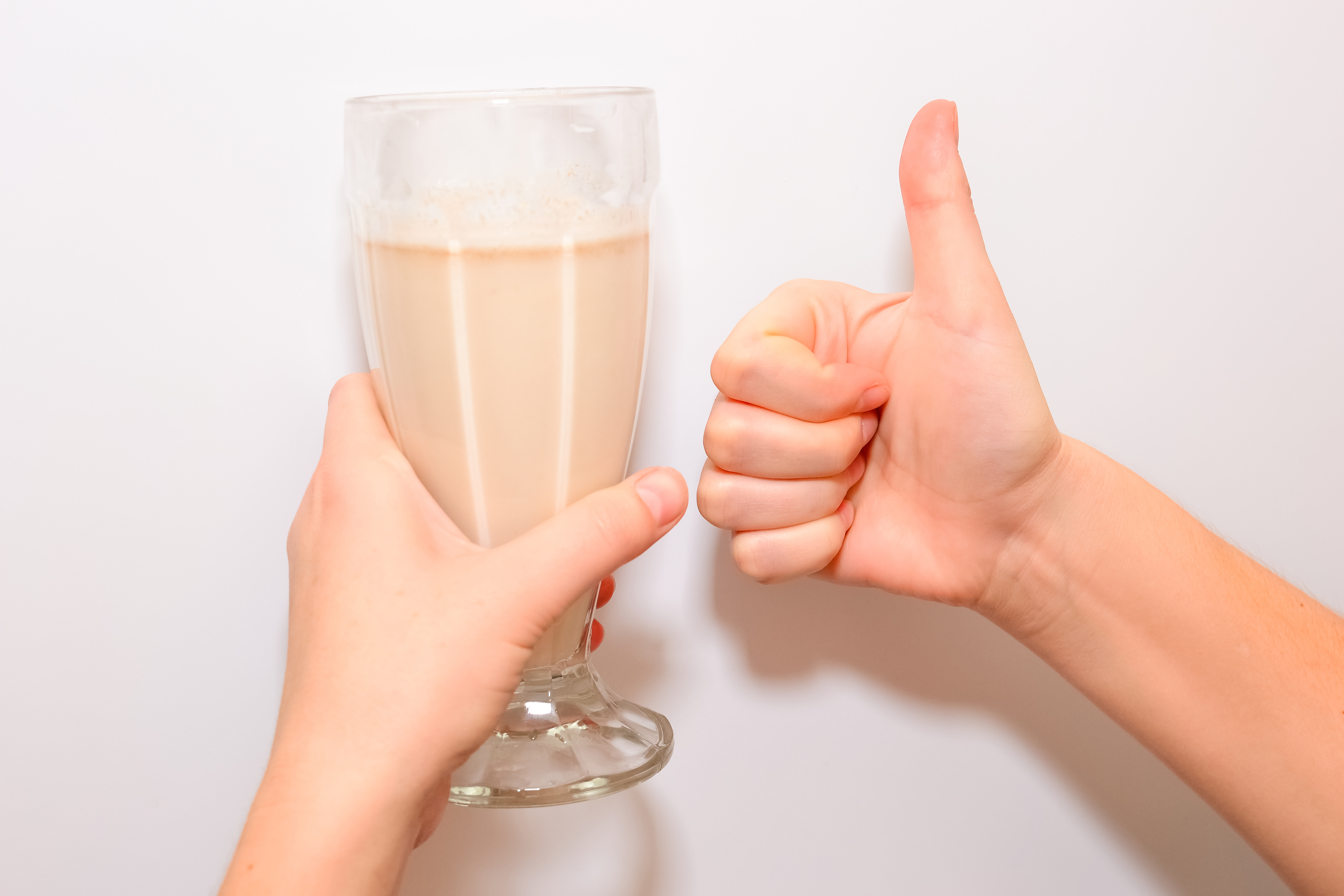
Oatmeal water sounds like something invented by a very practical grandmother, a busy college student, or someone staring into the pantry at 7:12 a.m. thinking, “Surely these oats can become a beverage.” Good news: they absolutely can. Oatmeal water is a simple blended drink made with oats and water, often finished with cinnamon, vanilla, lime, fruit, or a touch of natural sweetness. In Latin-inspired kitchens, you may see a close cousin called agua de avena, a creamy oat drink that can be served chilled and cozy at the same timebasically a blanket in a glass.
This guide explains how to make oatmeal water in 7 easy steps, how to adjust the texture, what ingredients work best, and how to avoid the dreaded “slimy oat situation.” Nobody wakes up hoping to drink wallpaper paste. With the right method, oatmeal water can be smooth, refreshing, lightly creamy, and surprisingly flexible.
Before we begin, let’s be clear: oatmeal water is not a magic potion, a meal replacement plan, or a shortcut to instant wellness. It is simply a homemade oat drink that can fit into a balanced routine. Oats naturally contain soluble fiber, including beta-glucan, and they are a whole grain. That makes them a smart pantry ingredient, but not a superhero wearing a cape made of cinnamon sticks.
What Is Oatmeal Water?
Oatmeal water is a drink made by blending oats with water, then either straining the mixture for a lighter texture or leaving it unstrained for more body. Some versions are very simple: oats, cold water, and a pinch of salt. Others taste more like a dessert-adjacent refreshment with cinnamon, vanilla, dates, banana, or a small amount of maple syrup.
It is similar to homemade oat milk, but usually thinner and less rich. Oat milk is often made with a higher oat-to-water ratio and strained carefully for coffee, cereal, or baking. Oatmeal water can be more casual. It is the “no pressure, I just want something drinkable” cousin of oat milk.
Why Make Oatmeal Water at Home?
There are several reasons to learn how to make oatmeal water. First, it is budget-friendly. A container of rolled oats can stretch into breakfasts, smoothies, baked goods, and drinks. Second, homemade oatmeal water lets you control the sweetness, flavor, and texture. Store-bought oat beverages can be convenient, but they may contain added sugars, oils, stabilizers, or flavors you may not want every day.
Third, oatmeal water is quick. Once you know the process, the basic version takes about five minutes. That is faster than finding your other sock in the laundry basket. Finally, it is customizable. Want it chilled with cinnamon? Done. Want it blended with banana? Easy. Want it plain so you can add it to smoothies? Absolutely.
Ingredients You Need
Basic Oatmeal Water Ingredients
- 1/2 cup rolled oats
- 3 to 4 cups cold water
- 1 pinch salt
- 1/2 teaspoon vanilla extract, optional
- 1/2 teaspoon ground cinnamon, optional
- 1 to 2 teaspoons maple syrup, honey, or a pitted date, optional
- A squeeze of lime, optional
Best Type of Oats to Use
Rolled oats are the best choice for oatmeal water because they blend quickly and create a mild, creamy drink. Quick oats can work, but they may become thicker and slightly gummy if over-blended. Steel-cut oats are not ideal unless soaked for several hours because they are dense and chewy. Instant flavored oatmeal packets are not recommended because they often contain sugar, flavorings, and extra ingredients that can take your drink from “refreshing” to “breakfast cereal soup.”
How to Make Oatmeal Water: 7 Steps
Step 1: Measure the Oats
Start with 1/2 cup rolled oats. This amount gives you enough oat flavor and body without making the drink too thick. If you prefer a very light oatmeal water, use 1/3 cup oats. If you want a creamier version, use 3/4 cup oats, but know that the texture will become richer and more filling.
Think of oats like the volume knob on a speaker. A little gives you background music. Too much and suddenly the whole kitchen is hosting a concert.
Step 2: Rinse the Oats Briefly
Place the oats in a fine mesh strainer and rinse them under cold water for about 10 to 15 seconds. This step is optional, but helpful. Rinsing removes some surface starch, which can reduce sliminess and give the final drink a cleaner taste.
Do not soak the oats for too long unless you want a thicker drink. Long soaking softens the oats and releases more starch. That can be useful for a creamy smoothie-style drink, but for crisp, drinkable oatmeal water, a quick rinse is usually enough.
Step 3: Add Cold Water
Add the rinsed oats to a blender with 3 to 4 cups of cold water. Cold water is important because warm water can encourage a gummy texture. For a stronger oat flavor, use 3 cups. For a lighter drink, use 4 cups.
Add a pinch of salt here, too. Salt does not make the drink salty; it makes the oat flavor taste more complete. It is the tiny backstage manager making sure everyone hits their cue.
Step 4: Add Flavorings
Now choose your flavor direction. For a classic oatmeal water recipe, add cinnamon and vanilla. For a refreshing version, add a squeeze of lime. For natural sweetness, add a pitted date, a small drizzle of maple syrup, or half a ripe banana.
Here are a few simple combinations:
- Cinnamon Vanilla: cinnamon, vanilla extract, and a small touch of maple syrup.
- Banana Oat: half a banana, cinnamon, and cold water.
- Lime Oat Water: lime juice, a pinch of salt, and a tiny amount of honey.
- Apple Pie Style: a few apple slices, cinnamon, vanilla, and oats.
Keep the add-ins reasonable. Oatmeal water should still taste fresh, not like a blender tried to become a bakery.
Step 5: Blend Briefly
Blend the mixture for 20 to 30 seconds. This is one of the most important steps. Over-blending oats can make the drink slimy because too much starch is released into the water. You want the oats broken down, not emotionally processed.
If your blender is very powerful, start with 15 to 20 seconds. If your blender is older and makes noises like it has opinions, blend closer to 30 seconds. The mixture should look cloudy, creamy, and pourable.
Step 6: Strain the Mixture
Pour the blended oatmeal water through a fine mesh strainer, cheesecloth, or nut milk bag into a pitcher. Do not squeeze the pulp aggressively if you want a smoother drink. Pressing too hard can force extra starch through, making the liquid thicker.
If you like more fiber and texture, you can skip straining. Unstrained oatmeal water is more like a thin oat smoothie. Strained oatmeal water is lighter and more refreshing. Both are valid. Your kitchen, your rules.
Step 7: Chill, Shake, and Serve
Refrigerate the oatmeal water for at least 30 minutes before serving. It tastes best cold. Before pouring, shake or stir it well because homemade oat drinks naturally separate. Separation is normal and does not mean you failed. It means your drink is homemade and has not been bossed around by commercial stabilizers.
Serve over ice with a sprinkle of cinnamon, a lime wedge, or a few slices of fruit. Store leftovers in a covered jar or pitcher in the refrigerator and use within 2 to 3 days for the freshest flavor.
How to Make Oatmeal Water Taste Better
Use Cinnamon for Warmth
Cinnamon is the easiest flavor upgrade. It makes oatmeal water taste familiar and cozy, even when served cold. Start with 1/2 teaspoon, then adjust. Too much cinnamon can make the drink dusty, and nobody wants to sip a scented broom closet.
Add Vanilla for Smoothness
Vanilla extract gives oatmeal water a rounder, softer flavor. It is especially useful if you are making a lightly sweetened version. A small amount goes a long way.
Try Citrus for Brightness
A squeeze of lime or lemon can make oatmeal water taste fresher. This is popular in some trendy oat-water drinks, but remember: citrus does not turn oats into a weight-loss medication. It simply adds tang and balance.
Sweeten Lightly
If you want sweetness, add a date, honey, maple syrup, or banana. Start small. You can always add more, but you cannot easily remove sweetness unless you want to play kitchen chemistry at 8 a.m.
Common Mistakes to Avoid
Blending Too Long
The biggest mistake is over-blending. Oats are full of starch, and too much blending can create a thick, slippery texture. Keep it brief and use cold water.
Using Hot Water
Hot water can make oats behave like they are becoming porridge. That is great for breakfast, not so great for a refreshing drink. Use cold water for the smoothest result.
Skipping the Shake
Homemade oatmeal water separates in the refrigerator. Shake it before serving. This is not a flaw; it is just oats being oats.
Adding Too Much Sweetener
Oatmeal water tastes best when lightly flavored. Too much sweetener can hide the natural oat flavor and turn a simple drink into liquid dessert. Dessert is wonderful, but let’s call it by its legal name.
Is Oatmeal Water Healthy?
Oatmeal water can be a wholesome drink when made with simple ingredients. Oats are a whole grain and contain soluble fiber, including beta-glucan. Fiber can help support digestion and may contribute to heart-healthy eating patterns when oats are part of an overall balanced diet.
However, oatmeal water is not the same as eating a full bowl of oatmeal. If you strain the drink, some of the oat solids and fiber stay behind in the pulp. That means strained oatmeal water may be lighter, but it may also contain less fiber than whole cooked oats. If your goal is to get more fiber, consider using the leftover oat pulp in pancakes, muffins, smoothies, or cooked oatmeal.
Also, be cautious with big claims online. Some social media trends suggest that oat water can replace meals or cause dramatic body changes. Those claims are not a healthy way to think about food. Oatmeal water is best enjoyed as a refreshing homemade drink, not as a strict diet strategy.
How to Use Leftover Oat Pulp
Do not throw away the oat pulp unless you truly have no use for it. It can still be useful in the kitchen. Stir it into pancake batter, add it to muffins, mix it into smoothies, or cook it with more oats for a thicker breakfast. You can also blend it into banana bread batter for extra moisture.
If you are saving oat pulp, refrigerate it in a covered container and use it within 1 to 2 days. Because it is wet and perishable, do not leave it sitting out on the counter. Oat pulp may look innocent, but food safety does not care how cute your mason jar is.
Oatmeal Water Variations
Classic Cinnamon Oatmeal Water
Blend rolled oats, cold water, cinnamon, vanilla, a pinch of salt, and a small amount of maple syrup. Strain and chill. This is the best beginner version because it tastes like oatmeal cookies went on vacation and came back as a beverage.
Refreshing Lime Oatmeal Water
Blend oats, cold water, lime juice, and a tiny amount of honey. Strain well and serve over ice. This version is bright, light, and especially good on warm days.
Banana Cinnamon Oat Water
Add half a banana before blending. This makes the drink creamier and naturally sweeter. It is a good choice if you want something more smoothie-like without using dairy.
Chocolate Oatmeal Water
Add 1 teaspoon unsweetened cocoa powder, vanilla, and a small amount of maple syrup. Blend briefly and strain. This version is fun, but keep the cocoa modest so the drink stays smooth instead of turning gritty.
Storage and Food Safety Tips
Homemade oatmeal water should be stored in the refrigerator in a clean, covered container. Drink it within 2 to 3 days for the best taste and texture. If it smells sour, looks unusual, or tastes off, discard it.
Do not leave oatmeal water at room temperature for more than 2 hours. If the room is very hot, around 90°F or above, refrigerate it within 1 hour. This is especially important if you add fruit, milk, or other perishable ingredients.
of Real-Life Experience: What Making Oatmeal Water Teaches You
The first time you make oatmeal water, you may expect it to behave like store-bought oat milk. It will not. Homemade oatmeal water has a personality. It separates in the fridge. It thickens a little as it sits. It can taste plain if you under-season it and too heavy if you over-blend it. In other words, it is a tiny kitchen lesson disguised as a drink.
One useful experience is learning that cold water matters more than you think. Many people assume blending oats is like making soup: warmer must mean smoother. Not here. Warm water wakes up the starches too quickly, and the drink can become gluey. Cold water keeps everything fresher and lighter. Once you discover that, your oatmeal water improves immediately.
Another lesson is that less blending often gives better results. This feels strange because most blender recipes tell you to blend until perfectly smooth. With oats, restraint is your friend. Twenty seconds can be enough. The goal is not to punish the oats into submission. The goal is to break them down just enough to flavor the water and create a creamy texture.
You also learn that straining style changes everything. A fine mesh strainer gives you a rustic drink with a little body. A nut milk bag creates a smoother finish. Pressing hard on the pulp gives you more liquid, but it can also push through extra starch. After a few batches, you start to develop your own preference. Some people like oatmeal water thin and refreshing. Others want it thicker, almost like a light smoothie. Neither side is wrong, although both sides may act very confident at brunch.
Flavor is another area where small changes matter. A pinch of salt makes the oats taste rounder. Cinnamon makes the drink feel familiar. Vanilla makes it softer. Lime makes it brighter. A date or banana can sweeten it without making it taste like candy. The best version usually comes from balance: a little creaminess, a little aroma, a little freshness, and just enough sweetness to make your taste buds stop checking their phones.
Making oatmeal water also helps you appreciate simple ingredients. Oats are humble. Water is, well, water. But with the right method, they become something useful, affordable, and adaptable. You can drink it with breakfast, pour it into smoothies, use it as a base for shakes, or sip it cold in the afternoon when coffee feels like too much commitment.
The final experience is practical: make small batches. Homemade oat drinks are best fresh. A giant pitcher may sound efficient, but after a couple of days the flavor can fade and the texture may become less appealing. A small batch keeps things easy. You can adjust each round depending on your moodcinnamon one day, lime the next, banana when life requires backup sweetness.
In the end, oatmeal water is not complicated. It is a simple kitchen trick that rewards attention to detail. Use rolled oats, cold water, brief blending, gentle straining, and smart flavoring. Do that, and you will get a drink that is refreshing, budget-friendly, and much more enjoyable than its extremely plain name suggests.
Conclusion
Learning how to make oatmeal water is easy, but making it taste good depends on a few small details. Use rolled oats, rinse them briefly, blend with cold water, keep the blending time short, strain gently, and chill before serving. From there, you can flavor it with cinnamon, vanilla, lime, banana, cocoa, or a light natural sweetener.
Oatmeal water is a flexible homemade drink, not a miracle cure or a replacement for balanced meals. Enjoy it because it is simple, affordable, and refreshing. And if your first batch is not perfect, congratulationsyou have joined the ancient and honorable club of people who learned that oats can be surprisingly dramatic.