Lighting a Chanukah menorah looks simple: candles, flame, glow, maybe a latke waiting nearby with heroic confidence. But if you have ever stood in front of a hanukkiah wondering, “Do I place the candles right to left or light them left to right?” you are in excellent company. The Chanukah menorah is one of Judaism’s most recognizable symbols, yet its lighting order can feel like a tiny ceremonial puzzle box.
This guide explains exactly how to light a Chanukah menorah, also called a Hanukkah menorah or hanukkiah, with step-by-step instructions, blessing guidance, safety tips, and practical examples for every night of the holiday. Whether you are lighting for the first time, teaching children, hosting friends, or trying not to drip wax on your grandmother’s tablecloth, this article will walk you through the tradition with warmth, clarity, and a little holiday humor.
What Is a Chanukah Menorah?
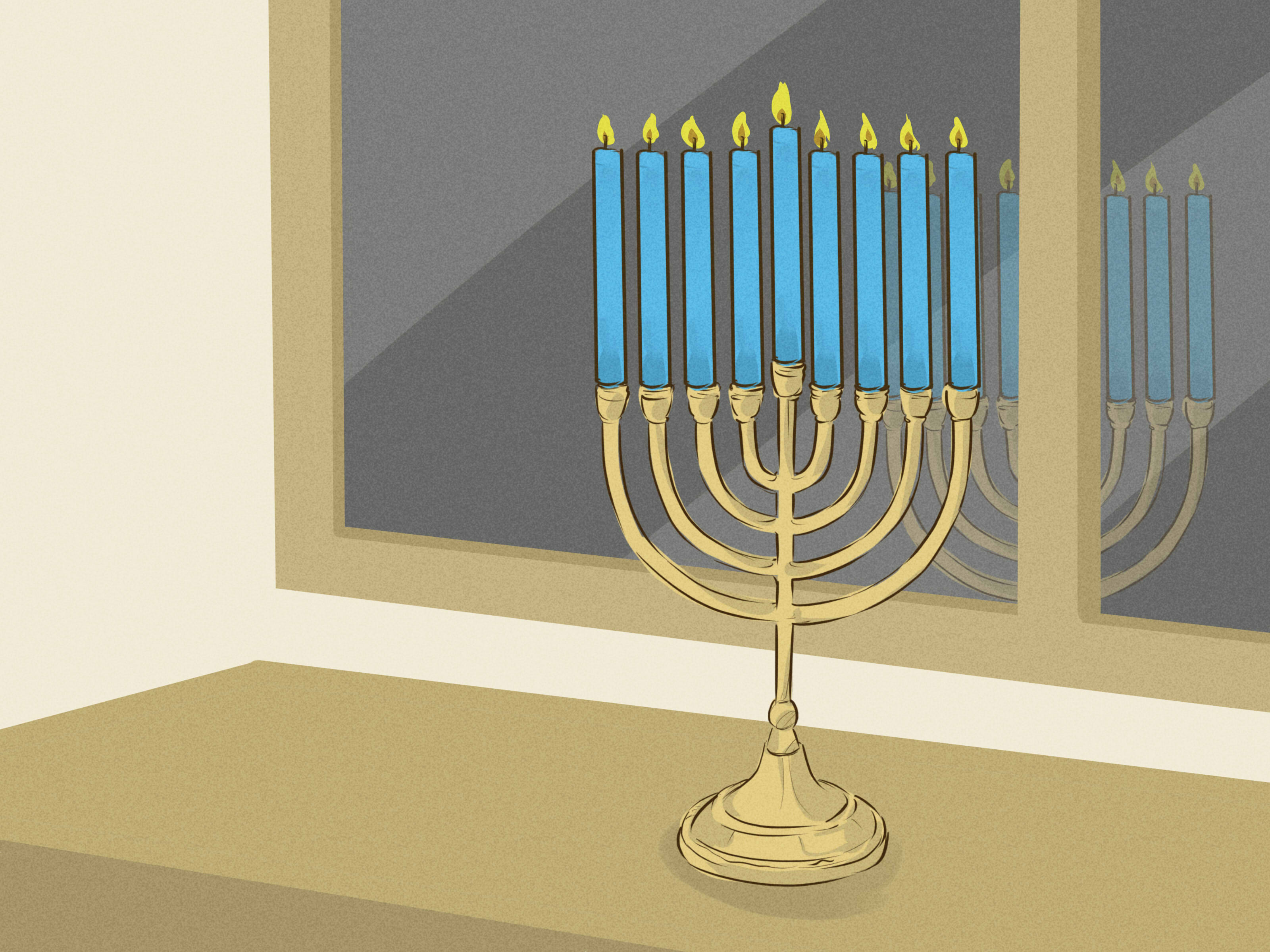
A Chanukah menorah is a special nine-branched candelabrum used during the eight nights of Chanukah. Technically, the ritual object is called a hanukkiah. Many people still call it a menorah, and in everyday conversation, that is completely common. The classic Temple menorah had seven branches, while the Chanukah menorah has eight candle holders for the eight nights of the holiday plus one extra holder for the shamash, the helper candle.
The shamash is usually set apart by height or position. Its job is practical and symbolic: it lights the other candles. Think of it as the candle with the clipboard, the one making sure everyone else gets to shine.
Why Do We Light the Menorah on Chanukah?
Chanukah, also spelled Hanukkah, is the Jewish Festival of Lights. The holiday commemorates the rededication of the Temple in Jerusalem and the miracle associated with a small amount of oil that, according to tradition, burned for eight days. Each night, Jewish households add another light to the Chanukah menorah, increasing the glow as the holiday continues.
The menorah lighting is not just decoration. It is a ritual of remembrance, gratitude, and publicizing the miracle. Many families place the menorah in a window or another visible place, when safe, so the light can be seen and shared. In modern homes, apartments, dorm rooms, and community centers, the menorah becomes a small but mighty declaration: even one flame can push back darkness.
What You Need Before Lighting the Chanukah Menorah
Before you begin, gather your supplies. A little preparation prevents the classic “Where did the matches go?” scavenger hunt, which somehow becomes dramatic every single year.
Basic Supplies
- A Chanukah menorah or hanukkiah
- Chanukah candles or olive oil cups with wicks
- A shamash candle
- Matches or a lighter
- A stable, heat-safe surface
- A tray, foil, or protective base for wax drips
- The Chanukah blessings, printed or memorized
Most boxes of Chanukah candles include 44 candles, enough for all eight nights plus the shamash each night. If you have children who enjoy “helping” by rearranging everything like tiny interior designers, buy an extra box. Peace of mind is also a mitzvah-adjacent household strategy.
Where Should You Place the Menorah?
Traditionally, the Chanukah menorah is placed where its lights can be seen, often near a window or doorway. The purpose is to share the miracle. However, safety comes first. A beautiful window display is not worth a close personal relationship with the smoke detector.
Place the menorah on a stable, nonflammable surface, away from curtains, paper decorations, books, loose napkins, dried flowers, and anything else that may catch fire. Keep it out of reach of pets and young children. If you live in a space where open flames are not allowed, such as some dorms, hospitals, assisted living facilities, or office buildings, an electric menorah can be used for display, while ritual practice may vary depending on community custom and halachic guidance.
When Do You Light the Chanukah Menorah?
The menorah is lit each evening of Chanukah. Many people light shortly after nightfall, while some communities have specific customs about lighting time. The candles should generally be able to burn for at least about 30 minutes after nightfall. If you are using small candles, check the burn time before lighting.
On Friday evening during Chanukah, light the Chanukah menorah before lighting Shabbat candles. Since Shabbat candles are lit before sunset, make sure the Chanukah candles are large enough to remain lit into the evening. On Saturday night, the timing may vary by custom, but many light the menorah after Havdalah, the ceremony that ends Shabbat.
How to Arrange the Chanukah Candles
Here is the golden rule: place the candles from right to left, but light them from left to right.
On the first night, place one candle in the far-right holder of the menorah. On the second night, place a new candle immediately to the left of the first candle. Continue this pattern each night, adding one new candle to the left. By the eighth night, all eight candle holders are filled.
When it is time to light, you begin with the newest candle, which is the leftmost candle for that night. Then you continue lighting toward the right. A helpful memory trick is: candles enter from the right, but the newest gets the spotlight first. Chanukah is very polite to new arrivals.
Step-by-Step Instructions for Lighting the Chanukah Menorah
Step 1: Set Up the Menorah Safely
Put your menorah on a flat, sturdy, heat-safe surface. Make sure it is not near curtains, plants, cabinets, paper, or anything flammable. If the menorah wobbles, fix that before lighting. A leaning menorah may look artistic for about two seconds, and then it becomes a problem.
Step 2: Place the Candles from Right to Left
Place the correct number of candles for that night into the menorah, beginning on the far right and adding one candle to the left each night. Place the shamash in its special holder, usually higher, lower, or off to the side.
Step 3: Gather Everyone Around
Menorah lighting is often a family or community moment. Gather household members, guests, or anyone who wants to participate. Children can watch, sing, answer questions, or help place candles if they are old enough to do so safely. The actual lighting should be handled by someone responsible with fire.
Step 4: Light the Shamash
Use a match or lighter to light the shamash first. The shamash is then used to light the other candles. Do not use one Chanukah candle to light another. The shamash has the helper role, and frankly, it has trained for this moment.
Step 5: Recite the Blessings
Before lighting the Chanukah candles, recite or sing the blessings. On the first night, three blessings are said. On the remaining nights, the first two blessings are said.
Step 6: Light the Newest Candle First
After the blessings, use the shamash to light the newest candle first. This will be the leftmost candle for that night. Then continue lighting from left to right.
Step 7: Place the Shamash Back in Its Holder
After the other candles are lit, return the shamash to its special place on the menorah. Let all the candles burn. Traditionally, the Chanukah lights are not used for ordinary purposes, such as reading, working, or finding your keys under the couch. They are meant to be enjoyed and honored as ritual lights.
Step 8: Sing, Reflect, and Enjoy the Glow
Many families sing songs such as “Maoz Tzur,” share stories, eat latkes or sufganiyot, play dreidel, or exchange small gifts. Some simply sit quietly for a few minutes. There is no need to rush away. The candles are doing what candles do best: making everyone look thoughtful.
How Many Candles Do You Light Each Night?
The number of Chanukah candles increases each night. Remember to include the shamash separately.
- Night 1: One Chanukah candle plus the shamash
- Night 2: Two Chanukah candles plus the shamash
- Night 3: Three Chanukah candles plus the shamash
- Night 4: Four Chanukah candles plus the shamash
- Night 5: Five Chanukah candles plus the shamash
- Night 6: Six Chanukah candles plus the shamash
- Night 7: Seven Chanukah candles plus the shamash
- Night 8: Eight Chanukah candles plus the shamash
The Chanukah Blessings
Many families sing the blessings in Hebrew. Transliteration styles vary, but the following versions are commonly used.
First Blessing: Over the Candles
Baruch atah Adonai, Eloheinu Melech ha-olam, asher kid’shanu b’mitzvotav v’tzivanu l’hadlik ner shel Chanukah.
Meaning: Blessed are You, Adonai our God, Sovereign of the universe, who sanctified us with commandments and commanded us to kindle the Chanukah light.
Second Blessing: For the Miracles
Baruch atah Adonai, Eloheinu Melech ha-olam, she-asah nisim la-avoteinu v’imoteinu bayamim ha-heim bazman hazeh.
Meaning: Blessed are You, Adonai our God, Sovereign of the universe, who performed miracles for our ancestors in those days at this season.
Third Blessing: Shehecheyanu, First Night Only
Baruch atah Adonai, Eloheinu Melech ha-olam, shehecheyanu v’kiy’manu v’higiyanu lazman hazeh.
Meaning: Blessed are You, Adonai our God, Sovereign of the universe, who has kept us alive, sustained us, and brought us to this season.
Common Menorah Lighting Mistakes to Avoid
Mixing Up Placement and Lighting Order
The most common mistake is placing and lighting in the same direction. Remember: place from right to left, light from left to right. The newest candle is always lit first.
Forgetting the Shamash
The shamash is not counted as one of the nightly Chanukah candles. It is the helper candle. If you have three candles on the third night but no shamash, your menorah is not quite ready yet.
Using an Unsafe Location
A menorah near curtains, under shelves, or on an unstable table is a holiday hazard. Choose a safe, visible spot. If necessary, prioritize safety over the perfect window view.
Blowing Out the Candles Too Quickly
Chanukah candles are traditionally allowed to burn for at least the required period, commonly about 30 minutes after nightfall. Plan ahead so you are not lighting five minutes before running out the door.
Menorah Safety Tips for a Peaceful Holiday
Because real flames are involved, menorah safety matters. Place the menorah on a nonflammable surface, keep children and pets supervised, and never leave burning candles unattended. Keep matches and lighters away from young children. If wax drips, let it cool before cleaning it up.
Check that candles fit securely in the holders. If a candle is loose, gently warm the bottom and press it into place, or use a small amount of foil if appropriate for your menorah. Avoid forcing candles so hard that they crack. A candle should stand straight, not perform interpretive dance.
If you use oil, fill cups carefully and avoid overfilling. Keep extra oil away from the flame. After lighting, give the menorah space. The candles are the stars of the evening, but they do not need a crowded backstage area.
Teaching Children How to Light the Chanukah Menorah
Chanukah is a wonderful opportunity to teach children about Jewish tradition, memory, courage, and gratitude. Younger children can count the candles, practice the right-to-left placement, sing blessings, or help choose a safe location. Older children can learn the meaning of the blessings and eventually light with adult supervision.
A simple teaching phrase is: “Add from the right, light from the left.” Another is: “The newest candle goes first.” These small memory tools make the ritual easy to understand without turning the evening into a final exam in candle logistics.
Lighting a Menorah with Guests
If you are hosting guests who are unfamiliar with Chanukah, explain the ritual briefly before lighting. You might say, “We add one candle each night to celebrate the miracle of light, and tonight we are lighting the newest candle first.” This helps guests feel included instead of silently wondering whether there will be a quiz.
You can print the blessings, provide transliteration, or invite guests to listen. Some households encourage everyone to sing; others let the person lighting lead. Both approaches can be meaningful. The goal is not vocal perfection. It is presence, memory, and shared light.
Using Candles vs. Oil
Many people use wax candles because they are convenient, colorful, and widely available. Others prefer olive oil, which connects strongly to the traditional miracle of oil. Both are common. If using oil, make sure your menorah is designed for oil cups and wicks. If using candles, make sure they are sized for a Chanukah menorah and burn long enough for the ritual period.
Dripless candles can reduce cleanup, though “dripless” sometimes means “less dramatic,” not “absolutely no wax ever.” A tray or protective surface under the menorah is still wise.
Why the Menorah Grows Brighter Each Night
One of the most beautiful parts of Chanukah is that the light increases. The first night begins with one small flame. By the eighth night, the menorah is full. This growing light reflects a powerful spiritual idea: holiness, hope, and courage can expand. A little light does not stay little when it is nurtured.
That message is part of why the menorah remains so beloved. It is simple enough for a child to understand and deep enough for adults to return to year after year. Add one light. Then another. Then another. The world may be complicated, but the instruction is beautifully clear.
Personal Experiences and Reflections on Lighting the Chanukah Menorah
One of the most memorable parts of lighting a Chanukah menorah is how quickly the ritual turns an ordinary room into a holiday space. A kitchen table with unopened mail, a half-finished cup of tea, and someone’s missing mitten suddenly becomes the center of something ancient and glowing. The candles are small, but they have excellent stage presence.
For many families, the first night feels a little ceremonial and slightly chaotic. Someone is looking for the matches. Someone else is asking whether the blue candles should alternate with the white ones. A child may be deeply concerned that the shamash is “lonely” because it sits apart from the others. And yet, once the blessing begins, the room changes. People quiet down. The flame touches the wick. The first candle catches, and the holiday has arrived.
By the third or fourth night, the lighting often becomes part of the household rhythm. The menorah may still have wax from the night before. The blessings may sound more confident. Children begin correcting adults on the candle order, sometimes with the intensity of tiny courtroom attorneys. “No, the new one goes first!” they announce, and they are usually right. Chanukah has a way of making teachers out of everyone.
The later nights bring a different feeling. On the seventh and eighth nights, the menorah is bright enough to fill the room with a soft, golden confidence. It is the kind of light that makes people linger. Nobody needs to say anything profound, though someone probably will. The glow itself does most of the talking.
There is also something deeply human about repeating the ritual each year. The menorah might be a family heirloom, a child’s art project, a sleek modern design, or a travel-sized version placed carefully on a small apartment table. Some people light with a large family around them; others light alone and send a photo to loved ones. Some sing loudly. Some whisper the blessings. Some stumble over the Hebrew and keep going anyway. The light still counts.
Lighting a Chanukah menorah can also create a bridge between generations. A grandparent may remember the melody from childhood. A parent may explain the story of the oil. A child may ask why one candle gets to be taller than the others. The answers become part of family memory. Even the funny moments stay: the candle that would not stand straight, the dog who tried to investigate the latkes, the year everyone forgot which night it was and had to count backward from the calendar.
The experience is meaningful because it is both structured and personal. The steps remain the same: place from right to left, bless, light from left to right, let the candles burn. But the emotions around those steps change with each home and each year. Some years the lights feel joyful. Some years they feel comforting. Some years they feel defiant. Always, they remind us that light is not passive. It is kindled.
In that sense, learning how to light a Chanukah menorah is not only about getting the order correct. It is about making room for a ritual that gathers people, memory, gratitude, and hope into one small row of flames. The candles do not solve every problem. They do not clean the kitchen or settle family debates about applesauce versus sour cream. But they do what they are meant to do: they shine, they increase, and they invite us to notice the miracle of light in real time.
Conclusion
Learning how to light a Chanukah menorah is simple once you know the pattern: place the candles from right to left, recite the blessings, and light from left to right using the shamash. Each night, add one more candle until the menorah is full on the eighth night. Along the way, remember safety, keep the flames supervised, and give yourself time to enjoy the glow.
Chanukah menorah lighting is more than a holiday task. It is a moment of memory, beauty, and connection. Whether your celebration is quiet or lively, traditional or beginner-friendly, the essential message remains the same: add light, share light, and let it grow.