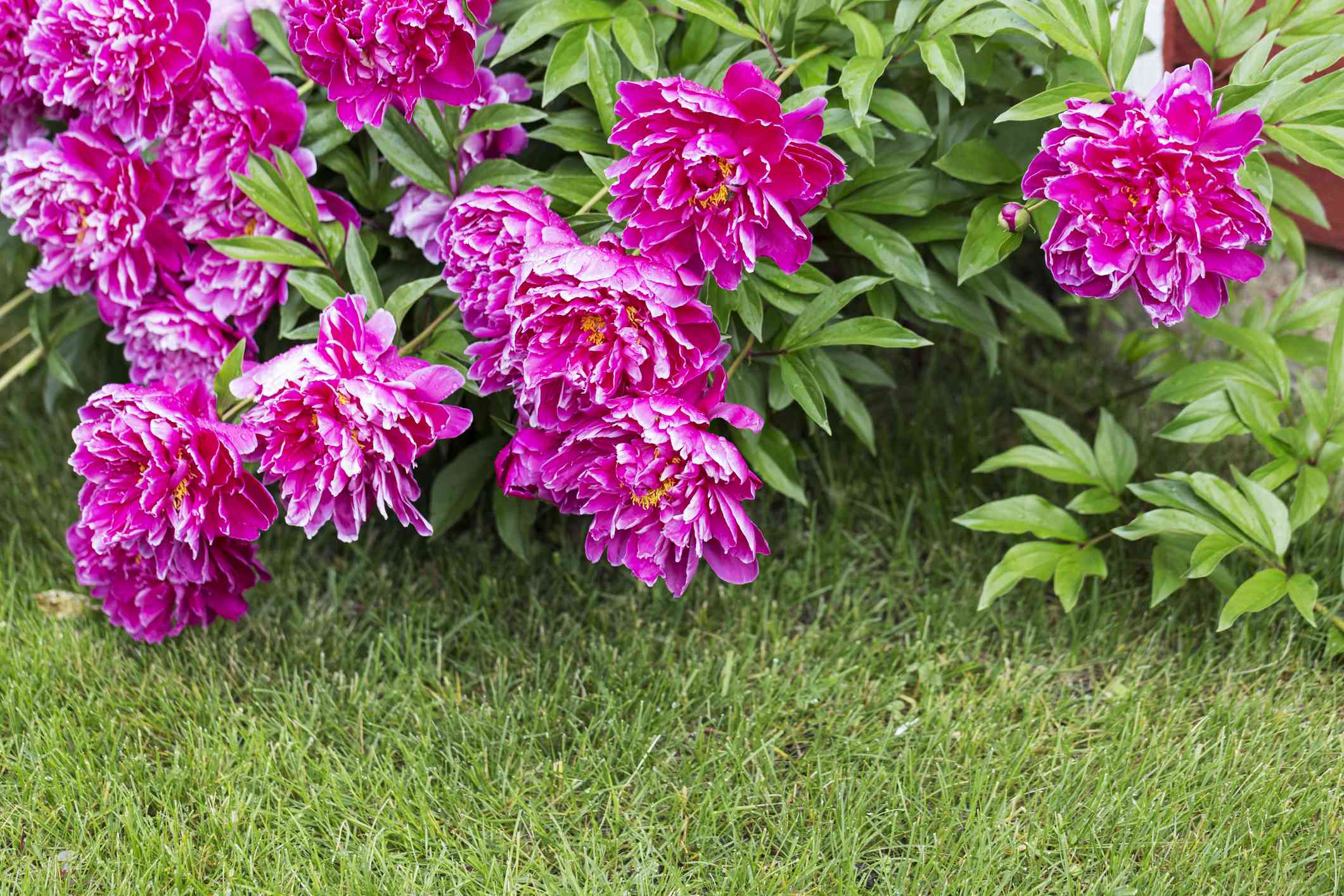
Peonies are the divas of spring: glamorous, expensive-looking, and absolutely convinced gravity is someone else’s
problem. One good rainstorm and suddenly your flower bed looks like the morning after promruffled, dramatic, and
face-down in the mulch.
The good news: you don’t need to stand outside with a tiny umbrella for each bloom (although your neighbors would
definitely talk). Keeping peonies upright is mostly about timing, the right support,
and a few smart growing habits that strengthen stems before those dinner-plate flowers open.
Why Peonies Flop in the First Place
Peonies don’t fall over because they’re weak-minded. They flop because their blooms can be wildly heavyespecially
the lush, double-flowering types that pack on petals like a couture gown. Add wind and spring rain, and the flower
heads act like waterlogged pom-poms pulling stems down and out.
The biggest flop triggers
- Bloom weight: Fully double flowers are often the main offenders.
- Rain: Water collects in petals, increasing the “head weight.”
- Wind: Tall stems + big flowers = a sail in a storm.
- Too much shade: Less sun can mean softer, stretchier stems.
- Overly rich nitrogen feeding: Lots of leafy growth can come with weaker structure.
- Plants that are older and wider: Bigger clumps sometimes need bigger support than last year.
Start With the Easiest Win: Choose Peonies That Naturally Stand Up
If you’re planting new peonies (or adding “just one more” like the rest of us), you can reduce the need for staking
by choosing varieties bred for sturdy stems. Many gardeners look for landscape-reliable selections and types known
for staying upright when they bloom.
Know your peony types
-
Herbaceous peonies (the classic garden peonies) are the most likely to need support,
particularly double-flowered forms. - Single and Japanese forms often hold up better because the flowers are lighter.
-
Tree peonies and Itoh peonies typically need less staking than traditional herbaceous doubles,
especially for branch support.
Translation: if your heart belongs to the biggest, fluffiest, most romantic peony blooms… you’re probably also
signing up for a support plan. That’s okay. Plenty of iconic celebrities have stylists.
Timing Is Everything: Support Early (Before You “Need” It)
The #1 reason staking looks messyor fails completelyis waiting until the peony is already tall, leafed out, and
full of developing buds. At that point, forcing a cage or hoop into place can snap stems or bruise buds. The best
approach is to install supports early in spring while the plant is still low and expanding.
A simple spring staking calendar
- Very early spring: As shoots emerge and leaves start to unfurl, get supports in place.
-
Mid-spring: If you missed the early window, switch to gentler methods (like corralling twine or
individual staking). - Bloom time: You’re mostly adjusting tiesno heavy construction projects now, please.
Method 1: Grow-Through Rings (The “Invisible by June” Classic)
Grow-through rings (also called peony hoops or rings) are one of the most popular ways to keep a single peony clump
upright without turning your garden into a construction site. They’re designed so stems grow up and through the ring,
hiding the support once foliage fills in.
How to use a grow-through ring correctly
- Install early: Set it over the plant as leaves begin to open.
-
Set the height smartly: A good rule is positioning the hoop around
half the mature plant height (or a bit lower), so it supports without forcing a weird shape. - Anchor firmly: Push legs deep enough that the ring won’t wobble in wind.
- Let the plant do the work: Don’t thread stems like pastamost will naturally weave through.
Pro tip: If your peony is the kind that laughs at a single ring and flops anyway, you may need a sturdier
cage with a grid topor a second tier of support added later (gently).
Method 2: Peony Cages With a Grid (Best for Heavy Double Blooms)
Peony cages usually look like a ring with a grid on top (supported by legs or stakes). The grid helps separate stems
so blooms don’t all lean outward at once. This is especially helpful for those big, fully double varieties that
behave like they’ve never heard of posture.
How to set a cage so it actually works
- Install early: Put it on when stems are still shortbefore the plant is in full growth.
- Center it: Aim for the crown of the plant so growth comes up evenly through the grid.
- Choose the right size: Too small and stems spill out; too big and support happens “nearby.”
- Consider tomato cages: In a pinch, they can work as a budget alternative for some plants.
Gardeners love cages because they can be sturdy and long-lasting, and because once foliage fills in, the support can
fade into the backgroundlike a good stagehand.
Method 3: Corralling With Stakes and Twine (Cheap, Adjustable, Surprisingly Elegant)
Corralling is the low-cost, high-reward method: you place several stakes around the perimeter and wrap twine in one
or more “belts” to keep stems from flopping outward. It’s also easy to adjust as the plant grows.
The basic corral
- Place 4–6 sturdy stakes around the outer edge of the clump.
- Wrap twine around the stakes to form a circle, keeping tension snug (not strangling).
- Add a second tier of twine higher up if the variety is tall or the blooms are very heavy.
The “umbrella spokes” version (great when you want it nearly invisible)
Some gardeners use a single strong central stake and run twine out-and-back to catch individual stems in a radial
pattern. Done carefully, it’s subtle and effectivelike shapewear for flowers.
Corralling shines when you missed the perfect “install a cage” window. It’s also ideal for older clumps that have
expanded beyond the size of a standard hoop.
Method 4: Individual Staking (The Rescue Plan for Late Spring)
If your peony is already tall and budded, forcing a ring or cage over the top can do more harm than good. That’s when
individual staking becomes your best option. It’s not as tidy up close, but it can save blooms before a storm.
How to stake stems without damaging them
- Use soft ties: Garden tape, soft twine, or stretchy ties are gentler than wire.
- Try a figure-eight tie: Loop around the stake and the stem separately so the stem doesn’t rub.
- Leave wiggle room: Stems expand and move; tight ties can crush tissue.
- Stake deep: A shallow stake topples at the exact moment you need it most.
The goal isn’t to strap your peony to a pole like a bad reality show challenge. You’re just giving stems a steady
buddy to lean on when the blooms get heavy.
Method 5: Netting for Rows (For Cutting Gardens and Lots of Plants)
If you grow peonies in a rowespecially in a cut-flower patchnetting can be the cleanest way to keep many plants
upright at once. Stakes go along the row edges, and a mesh or grid is stretched taut above the plants so stems grow
through and are held upright.
Netting tips that prevent chaos
- Start early: Install when plants are still short.
- Keep it taut: Slack netting sags and becomes a hammock (for flopping stems).
- Adjust height as needed: Some gardeners use multiple layers for very tall varieties.
Growing Habits That Help Peonies Stand Tall
Supports are the main fix, but a few cultural tweaks can make stems sturdier so your peony needs less intervention
(and looks better doing it).
Give peonies enough sun
Peonies generally perform best with plenty of sunlight, which helps plants build stronger structure. In shadier
spots, stems can stretch and soften, making flopping more likelyespecially for heavy blooms.
Plant correctly and don’t crowd
Peonies are long-lived and prefer to stay put, so it pays to set them up right. Good spacing improves airflow and
helps plants develop a sturdy, balanced shape instead of leaning and tangling. If you’re planting herbaceous peonies,
keeping the “eyes” shallow is also important for strong blooming over time.
Water wisely
Consistent watering supports steady growth, but soggy soil can weaken roots and reduce overall vigor. Aim for
well-drained soil and water at the base when possible. You can’t control rain, but you can avoid turning your bed
into a swamp.
Go easy on high-nitrogen fertilizer
Peonies don’t need constant feeding. Overdoing nitrogen can push soft, leafy growth that doesn’t always have the
backbone to hold up huge flowers. If you feed, think balanced and modestespecially once plants are established.
Quick Troubleshooting: When Your Peonies Still Flop
If blooms topple after rain
- Upgrade from a ring to a cage with a grid.
- Add a second twine tier to a corral.
- Switch to individual stakes for the heaviest stems.
If stems snap
- Support earlier next year (snapping often happens when stems are forced upright late).
- Use softer ties and avoid tight binding.
- Check that stakes are deep and stable.
If the support looks ugly
- Install earlier so foliage hides it.
- Use green-coated supports or natural twine.
- Try the “umbrella spokes” twine method for a subtle look.
After Bloom: Keep the Plant Healthy for Next Spring
Once the flowers fade, it’s tempting to hack everything down and call it a day. But peony foliage is doing important
workphotosynthesizing to build energy for next year’s blooms.
Post-bloom care that pays off
- Deadhead spent blooms to keep the plant tidy (and avoid unnecessary seed production).
- Leave most foliage through summer so the plant can recharge.
-
Remove supports when appropriate (some gardeners take them off after bloom; others leave rings if
they’re hidden and stable). - Clean up in fall to reduce disease carryover and keep the bed neat.
of Real-World Peony “Stand-Up” Experiences
In peony season, gardeners tend to split into two camps: the ones who swear they’ll stake “this year for sure,” and
the ones who already did it because last year’s storm trauma is still fresh. The most common story goes like this:
everything looks fine… until the buds start swelling. Then you notice the clump is wider than you remembered, the
stems are leaning outward like they’re trying to make room for a dance floor, and your weather app starts hinting at
rain for the weekend. Suddenly you’re in the garden doing math you never asked for: “If I use four stakes, how many
feet of twine do I need, and can I make it look like I meant to do this?”
Lots of gardeners learn the “support early” lesson the hard way. A cage that slipped on easily when shoots were
short can become a full-contact sport once leaves and buds are involved. People describe trying to lower a ring over
a half-grown plant and feeling like they’re playing an awkward game of Operationexcept the buzzer is the sound of a
snapped stem. That’s why early spring staking feels a little odd (the support looks oversized for a tiny plant), but
it’s also why it works: the peony grows up, fills out, and quietly hides the evidence.
The most satisfying success stories usually involve grow-through rings or cages that “disappear” by bloom time. You
set the ring low, the stems weave through, and by late spring you can barely see the supportjust a mound of glossy
leaves topped with blooms that stay beautifully lifted even after a downpour. Gardeners who switch from late staking
to early rings often say the plant looks fuller and more bouquet-like, because the stems are held in a balanced
shape instead of collapsing outward. And if someone has a particularly heavy double variety, they’ll often mention
upgrading to a cage with a grid topbecause those blooms don’t just lean, they commit.
Corralling gets a lot of love in real gardens because it’s adaptable. If a peony clump gets bigger each year, you can
widen the circle of stakes and add a second twine tier in minutes. Gardeners also like that corralling can be done
without buying specialty hardwareespecially if you’re supporting multiple plants. The best “corral” setups tend to
be the ones that keep tension snug but not tight, with twine that’s firm enough to hold stems while still allowing a
little natural movement. People who tie too tightly often notice rubbing or pinched stems later, so the experienced
crowd repeats the same mantra: “Support, don’t strangle.”
Then there are the late-season save jobs: a plant already tall, buds already formed, and you’re staring at it like,
“Okay, buddy, we’re going to get through this together.” That’s where individual staking becomes the hero. Gardeners
will stake the few heaviest stems, use soft ties, and do quick adjustments before bad weather. It’s not always
picture-perfect up close, but it keeps blooms from face-planting into the soil, and that’s a win. The most memorable
peony moments tend to be the ones right after a stormwalking out to the garden expecting tragedy and finding the
blooms still upright, like they survived a dramatic movie scene and came out better styled.
In the end, keeping peonies standing is part technique and part tradition. Once you find the method that fits your
gardenring, cage, twine corral, or nettingyou’ll start doing it automatically each spring. And your peonies will
reward you the way only peonies can: with blooms so gorgeous they make you forget you ever had to engineer a support
system for a flower.
Conclusion
Keeping peonies from falling over this spring comes down to a simple formula: support early,
match the method to the bloom weight, and grow for strength with good sun, spacing,
and sensible care. Whether you pick a grow-through ring that vanishes into foliage, a sturdy cage for your fluffiest
doubles, or a quick DIY twine corral before a storm, the payoff is the same: upright blooms that look like they came
straight out of a wedding magazinewithout actually requiring a wedding budget.