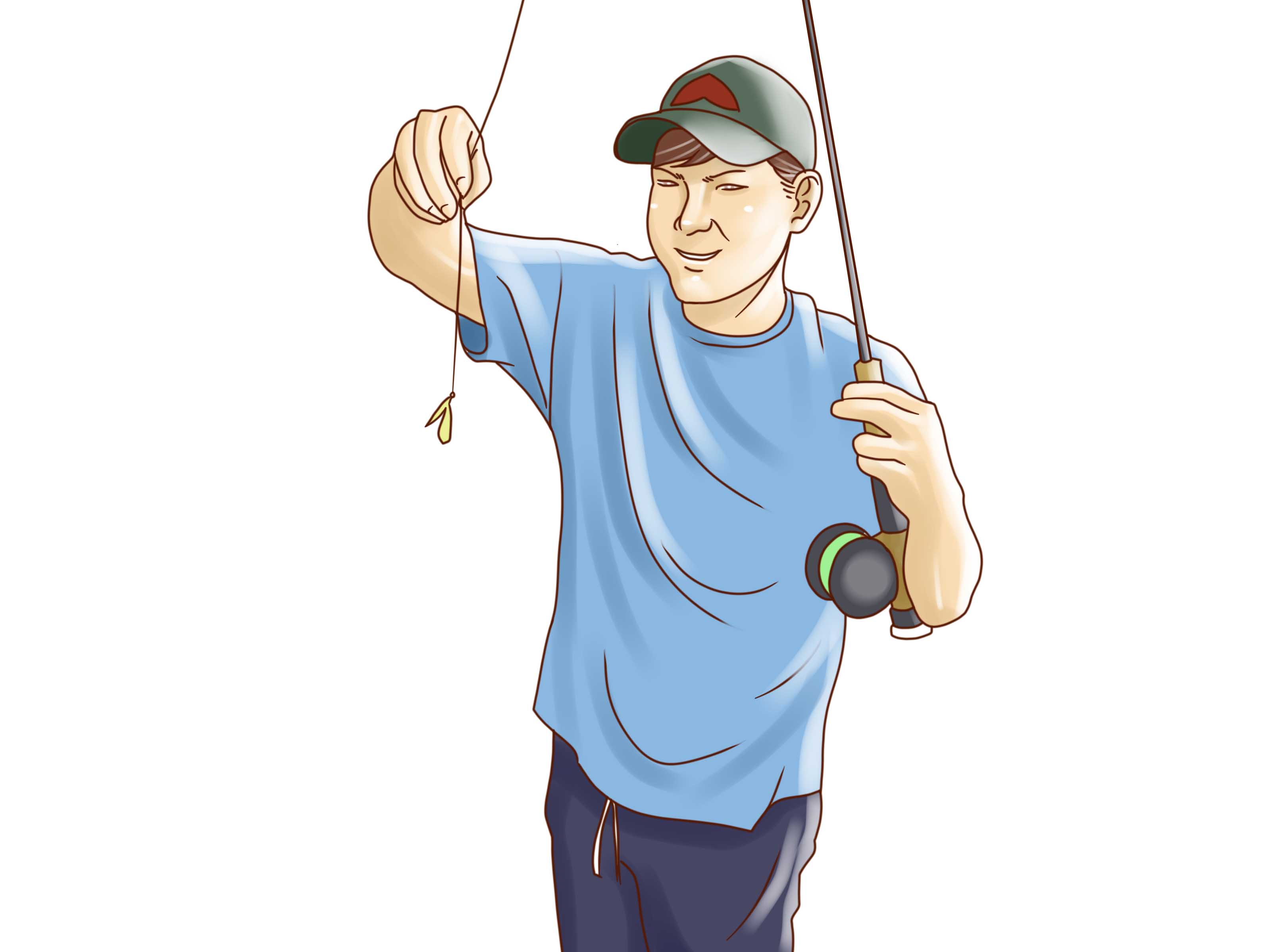
A spinning reel is one of the friendliest tools in fishinguntil the line decides to throw a tiny underwater tantrum. One minute you are casting smoothly, feeling like a weekend pro. The next, your line is springing off the spool, wrapping around the rod tip, forming wind knots, or creating a bird’s nest so dramatic it deserves its own nature documentary.
The good news? Most spinning reel line problems are preventable. Line twist, loops, coils, tangles, and mystery knots usually come from a few repeat offenders: overfilled spools, loose line, poor spooling technique, mismatched line size, worn guides, sticky line rollers, or reeling against the drag. Once you understand how spinning reels handle line, keeping your setup trouble free becomes much easier.
This guide explains how to keep a spinning reel line trouble free in 9 practical steps. Whether you fish for bass, trout, panfish, walleye, redfish, or whatever keeps stealing your bait, these tips will help you cast farther, reduce tangles, protect your fishing line, and spend more time catching fish instead of negotiating with knots.
Why Spinning Reel Line Gets Twisted, Coiled, and Tangled
A spinning reel has a fixed spool. Unlike a baitcaster, the spool does not rotate during the cast. Instead, line peels off in coils. When you retrieve, the bail rotates around the spool and lays line back on. That design makes spinning reels excellent for light lures and finesse fishing, but it also means slack and twist can build up over time.
Line trouble often starts small. A loose loop sneaks onto the spool. A lure spins during the retrieve. A little slack forms after a cast. You close the bail by turning the handle. You overfill the spool by just a bit because “more line equals more distance,” right? Then, three casts later, the reel burps out a loop the size of a bracelet.
Different fishing lines behave differently, too. Monofilament is forgiving and beginner-friendly, but it has memory and can coil. Fluorocarbon is abrasion-resistant and less visible underwater, but heavier fluorocarbon can be stiff on spinning gear. Braided line is thin, strong, and casts well, but it can form wind knots if it is packed loosely or managed carelessly. The goal is not to find a magic line that never misbehaves. The goal is to build habits that keep any line under control.
How to Keep a Spinning Reel Line Trouble Free: 9 Steps
1. Match the Line Size to the Reel
The first step is simple: do not overload a small spinning reel with line that is too heavy or too stiff. Spinning reels work best when the line diameter matches the spool size. If your reel is rated for 6- to 10-pound monofilament, forcing 15-pound fluorocarbon onto it is like stuffing a winter coat into a lunchbox. Technically possible? Maybe. Pleasant? Absolutely not.
For freshwater spinning setups, many anglers do well with 6- to 10-pound monofilament or fluorocarbon, or 10- to 20-pound braid with a leader. For ultralight fishing, 2- to 6-pound mono or fluoro can be excellent. For inshore saltwater, heavier braid may be appropriate, but the reel size should match the line. Always check the line capacity printed on the reel spool or listed by the manufacturer.
Line diameter matters as much as pound test. A thick line jumps off the spool more aggressively, creates larger coils, and reduces casting distance. When in doubt, go slightly lighter rather than heavier, especially for finesse fishing.
2. Spool the Line in the Correct Direction
Improper spooling is one of the most common causes of spinning reel line twist. When you load line onto a spinning reel, the line should come off the filler spool in a way that matches how it goes onto the reel. If it comes off in the wrong direction, you build twist into the line before you ever make your first cast.
A simple method is to place the filler spool flat on the floor with the label facing up. Run the line through the first rod guide, open the bail, tie the line to the reel spool, close the bail, and begin reeling under light tension. After 10 to 15 handle turns, stop and drop the rod tip slightly to create slack. If the line hangs in relaxed loops, keep going. If it twists into tight corkscrews, flip the filler spool over and continue.
For braided line, add a few wraps of monofilament backing first, or use a braid-ready spool if your reel has one. Braid can slip on a bare metal spool because it has very little stretch. Mono backing gives it something to bite into and can save money because you do not need to fill the entire reel with expensive braid.
3. Keep Steady Tension While Spooling
Loose line is the enemy of a trouble-free spinning reel. When line goes onto the spool without enough tension, it creates soft layers. Later, under pressure from a fish or a hard cast, the line digs into those loose wraps and causes sudden stops, loops, or knots.
Hold the line lightly between your fingers with a clean cloth, or ask a fishing buddy to apply gentle pressure to the filler spool. The line should go onto the reel firmly, evenly, and smoothly. Do not pinch so hard that the line heats up or burns your fingers. You want controlled tension, not a tug-of-war with a plastic spool.
After spooling, inspect the line lay. It should look even from top to bottom, without big humps near the front or back of the spool. If the line stacks unevenly, your reel may need spool washers adjusted, or you may need to respool more carefully. Clean line lay reduces casting friction and helps prevent loops from jumping off in clumps.
4. Do Not Overfill the Spool
Overfilling a spinning reel is a classic mistake. It feels logical to pack on more line for longer casts, but too much line can leap off the spool in big coils. Leave a small gap between the top layer of line and the spool lip. A good rule is to fill the spool to about 1/8 inch below the rim.
If you are using limp braid on a modern spinning reel, you may be able to fill slightly closer to the lip, but do not get greedy. If you notice loops falling off the spool when the bail is open, the reel is probably overfilled or the line is too stiff for the spool size.
Underfilling is not ideal either. Too little line increases friction as line rubs the spool lip during the cast, reducing distance. The sweet spot is a full spool that still has enough lip showing to control coils.
5. Close the Bail by Hand After Every Cast
This one habit can save an astonishing amount of frustration: close the bail manually. Many spinning reels allow you to turn the handle to close the bail automatically, but doing so can trap slack line and create loops on the spool. Those loops may not cause trouble immediately, but they are waiting for the perfect moment to ruin your best cast of the day.
After the lure lands, use your hand to flip the bail closed. Then gently pull the line tight before beginning your retrieve. This keeps the first wrap snug and prevents loose coils from sneaking onto the spool.
Think of it as tucking your line into bed before it starts dreaming about chaos. It takes less than a second, and once it becomes muscle memory, you will do it without thinking.
6. Stop Reeling Against the Drag
Reeling while a fish is pulling drag is one of the fastest ways to add twist to spinning reel line. When the drag is slipping, line is leaving the spool. If you keep turning the handle, the bail is also trying to wrap line back on. The result is twist, wasted energy, and sometimes a fish that gets a little extra time to plan its escape.
When a fish takes drag, let it run. Keep steady pressure with the rod, adjust the drag if needed, and resume reeling only when you are gaining line. If the drag is too tight, loosen it slightly. If it is too loose, tighten it in small adjustments. Smooth drag use protects your line, your knot, your rod, and your patience.
This is especially important with light line. A properly set drag allows you to fight bigger fish without forcing the line beyond its limit. The reel should work with you, not become a twist-making machine.
7. Use Swivels or Better Lure Rigging When Needed
Some lures naturally twist line. Inline spinners, spoons, soft jerkbaits, flukes, and certain rigs can rotate during the retrieve, especially in current. If your lure spins like it is auditioning for a dance contest, your line will eventually pay the price.
A small quality swivel can reduce twist when using lures or rigs that rotate. For spoons and inline spinners, a ball-bearing swivel is often worth it. For finesse presentations, you may prefer a small barrel swivel placed above a leader, or you may choose a lure connection that preserves action without adding bulk.
Also check soft plastics after every few casts. A worm, minnow bait, or fluke rigged slightly crooked can spin on the retrieve. Re-rig it straight. A lure that tracks cleanly catches more fish and creates fewer line problems.
8. Inspect the Rod Guides, Line Roller, and Bail
Sometimes the problem is not the line. It is the path the line travels. A cracked rod guide, grooved tip-top, rough bail arm, or sticky line roller can damage line and increase twist. Run a cotton swab around each guide insert. If cotton catches, the guide may be cracked or chipped. That tiny flaw can shred line under pressure.
The line roller on a spinning reel deserves special attention. It should rotate smoothly. If it is dirty, salt-crusted, or stuck, the line may slide over it instead of rolling across it. That adds friction and can weaken the line. Rinse your reel lightly after saltwater use, wipe it down, and keep the line roller clean according to the manufacturer’s maintenance instructions.
Also look at the bail wire. It should be smooth and properly aligned. A bent bail can cause poor line lay, uneven wraps, and annoying loops. If your reel suddenly starts behaving badly after a drop or rough ride in the truck, inspect the hardware before blaming the fishing line.
9. Remove Twist Before It Becomes a Disaster
Even with good habits, spinning reel line can develop twist over time. Fix it early. If you are on a boat, cut off the lure, open the bail, and let bare line trail behind the moving boat for a few minutes. Water pressure pulls the line straight and allows twists to work out. Then reel it back in under tension.
From shore, you can remove the lure and walk the line out across clean grass or another safe open area. Then reel it back in while keeping light pressure on the line. Avoid dragging line over gravel, pavement, barnacles, or anything abrasive unless you enjoy replacing line earlier than planned.
If monofilament or fluorocarbon has severe memory, warm water can help relax coils. Remove the spool from the reel and run warmnot boilingwater over the line for a short time. Line conditioner can also help reduce memory and improve casting, especially with mono and fluorocarbon.
Best Line Choices for Trouble-Free Spinning Reel Performance
Monofilament
Monofilament is affordable, easy to knot, and forgiving. It stretches, which can help absorb sudden surges from fish. It is a smart choice for beginners and for many everyday freshwater applications. The downside is memory. Old mono can coil badly, especially after sitting on a small spool for months.
Fluorocarbon
Fluorocarbon is less visible underwater and more abrasion-resistant than many monofilaments. It also sinks, which can help certain presentations. However, heavy fluorocarbon can be stiff on spinning reels. If you want to fish fluorocarbon on spinning gear, choose a manageable pound test or use braid as the main line with a fluorocarbon leader.
Braided Line
Braid is thin, strong, sensitive, and excellent for casting. It has very little stretch and less memory than mono or fluorocarbon. However, braid can form wind knots if you cast into gusts, retrieve slack line, or spool it too loosely. Use backing, fill carefully, close the bail manually, and keep tension on the line.
Quick Troubleshooting Guide
If Line Jumps Off the Spool
Your reel may be overfilled, the line may be too heavy, or the line may have too much memory. Remove some line, switch to a smaller diameter, or treat the line with warm water or conditioner.
If You Keep Getting Wind Knots
Wind knots usually come from slack. Close the bail by hand, pull the line tight before retrieving, avoid casting directly into strong wind when possible, and do not overfill the spool with braid.
If Line Twist Keeps Returning
Check your lure. If it spins, add a swivel or rig it straighter. Avoid reeling against the drag. Inspect the line roller and remove existing twist before it stacks up.
If Your Line Breaks Unexpectedly
Inspect the first few feet of line for nicks. Check rod guides with a cotton swab. Retie knots often, especially after catching fish, dragging through rocks, or pulling free from weeds.
Field Experience: What Actually Works on the Water
After enough days with a spinning reel, you learn that line trouble rarely arrives with a trumpet announcement. It begins quietly. Maybe one wrap looks a little loose. Maybe the lure helicoptered during the last cast. Maybe you reeled twice while the drag was slipping because the fish made you nervous. Then, suddenly, the next cast launches a knot that looks like it was designed by a bored raccoon.
The best experience-based advice is to fix small problems immediately. If you hear a loop ticking through the guides, stop and look at the spool. Do not fire another heroic cast and hope the problem cures itself. Fishing line is not known for emotional maturity. Pull the loop out gently, clear the loose wrap, and reel the line back under tension.
Another lesson is that fresh line is not always better if it is spooled badly. I have seen brand-new line behave worse than old line because it was loaded backward, overfilled, or packed loosely. A careful spooling job at home can save an entire morning on the lake. Put the reel on the rod, run the line through the guide, watch the filler spool direction, apply steady pressure, and stop before the spool lip disappears under too much line.
Manual bail closing is another habit that separates relaxed anglers from people muttering at their reels. At first, it feels unnecessary. Then you fish a whole day with fewer loops and realize the reel handle was never the best bail closer. Flip the bail by hand, tug the line snug, and begin the retrieve. Simple, boring, effectivethe holy trinity of fishing maintenance.
Braid has its own personality. It casts beautifully, but it punishes sloppy slack management. On windy days, feather the line near the end of the cast with your finger. This slows the lure slightly and helps the line land tighter. If a gust blows a belly into the line, take up slack carefully before working the bait. With braid, the knot you prevent is always better than the knot you surgically remove with fingernails and regret.
Monofilament and fluorocarbon teach different lessons. Mono is friendly but develops memory if ignored. Fluorocarbon is tough and stealthy but can be springy in heavier sizes. If a spinning reel feels like it is fighting the line, the line may be too large for that reel. Dropping down in diameter often improves casting, lure action, and overall sanity.
Finally, keep a small maintenance routine. Before fishing, check the spool fill, drag, first rod guide, tip-top, and the first few feet of line. During fishing, retie after abrasion and remove loops early. After fishing, loosen the drag slightly, rinse saltwater reels gently, and store rods without cranking lures so tightly that the line kinks at the tip. None of these habits are glamorous, but neither is spending prime bite time untangling a spool while fish laugh somewhere just out of casting range.
Conclusion
Keeping a spinning reel line trouble free is not about luck. It is about matching the right line to the reel, spooling it correctly, managing slack, closing the bail by hand, avoiding drag-related twist, and checking your gear before small problems become big ones. The more consistent your habits are, the more consistent your reel will be.
A spinning reel should make fishing easier, not turn every trip into a knot-removal workshop. Follow these 9 steps, and you will cast smoother, fish longer, lose fewer lures, and spend more time doing what you came to do: putting a bait where fish live and pretending you meant to cast that close to the stump.