Sunburned lips are tiny troublemakers. One minute you are enjoying a beach day, a hike, a soccer game, or a “quick” iced coffee walk that somehow becomes a full outdoor expedition. The next minute, your lips feel hot, tight, swollen, dry, and dramatic enough to deserve their own weather alert. Unlike the skin on your arms or shoulders, your lips are thinner, more delicate, and often forgotten when sunscreen comes out. That makes them prime real estate for painful UV damage.
The good news? Mild sunburned lips usually heal with simple home care: cool compresses, gentle moisture, hydration, pain relief when needed, and absolutely no picking at peeling skin. The even better news? You can prevent the whole spicy-lip situation by using the best sunscreen for lips: a broad-spectrum SPF 30 or higher lip balm that you actually like enough to reapply.
This guide explains how to heal sunburned lips fast, what not to put on them, when to call a doctor, and how to choose a lip sunscreen that protects without tasting like you accidentally kissed a pool float.
Why Lips Get Sunburned So Easily
Your lips are exposed to sunlight almost every time your face is. Yet they are often skipped during sunscreen application because, technically, nobody wants regular face sunscreen sliding into their mouth. Fair. But skipping lip SPF leaves the lips vulnerable to ultraviolet rays, especially the lower lip, which tends to catch more direct sun.
Sunburned lips can happen anywhere: at the beach, in the mountains, while driving, skiing, gardening, fishing, watching outdoor sports, or sitting under a patio umbrella that is apparently more decorative than protective. Water, sand, snow, and pavement can reflect UV rays, increasing exposure. Cloudy days are sneaky too; UV rays do not politely clock out because the sky looks gray.
Common Symptoms of Sunburned Lips
Sunburn on the lips can look and feel different depending on your skin tone, the intensity of the burn, and how long you were exposed. Common symptoms include:
- Dryness, tightness, or a rough texture
- Tenderness, stinging, or burning
- Swelling or puffiness
- Redness or darker discoloration
- Peeling or flaking after a few days
- Small blisters in more serious burns
- Cracking, bleeding, or extreme sensitivity
A mild lip sunburn may feel like chapped lips with attitude. A more severe burn may cause blisters, significant swelling, or pain that makes eating, smiling, and drinking orange juice feel like an Olympic event. If symptoms are severe, worsening, or unusual, it is time to get medical advice.
How to Heal Sunburned Lips Fast
There is no magic overnight eraser for sunburned lips, but the right care can calm discomfort and support healing. Think of it as creating a tiny recovery spa for your mouth. No cucumber water required, though drinking actual water is strongly encouraged.
1. Get Out of the Sun Immediately
The first step is obvious but important: stop the burn from getting worse. Go indoors, find shade, wear a wide-brimmed hat, or cover your lips gently with a clean cloth or face covering if you must stay outside. Do not apply regular shiny lip gloss over burned lips and continue sunbathing. Gloss without SPF can make lips look cute while offering about as much protection as a screen door on a submarine.
2. Use a Cool Compress
Apply a clean cloth dampened with cool water to your lips for 10 to 15 minutes at a time. Repeat several times a day as needed. Cool compresses can reduce heat, swelling, and discomfort. Use cool water, not ice directly on the lips. Ice can irritate or damage already stressed skin, and your lips have been through enough.
3. Apply Pure Aloe Vera or a Gentle Moisturizer
Pure aloe vera gel can feel soothing on sunburned lips. Choose a simple formula without alcohol, strong fragrance, menthol, or exfoliating acids. You can also use a gentle, fragrance-free lip balm or healing ointment once the heat has calmed. The goal is to protect the barrier, reduce dryness, and prevent cracking.
Because anything on your lips may be accidentally swallowed, keep ingredients simple. Avoid heavily perfumed balms, “plumping” glosses, cinnamon flavor, peppermint-heavy products, and anything that tingles. Tingle is not always treatment. Sometimes it is your lips waving a tiny red flag.
4. Drink Extra Water
Sunburn draws fluid toward the skin’s surface, and dehydration can make dry, cracked lips feel worse. Drink water throughout the day, especially if the burn happened during heat, exercise, travel, or alcohol consumption. Your lips are not houseplants, but they do appreciate hydration from the inside.
5. Take an Over-the-Counter Pain Reliever If Appropriate
If your lips are swollen or painful, an over-the-counter anti-inflammatory medication such as ibuprofen or naproxen may help, as long as you can take it safely according to the label and your health situation. People with certain medical conditions, allergies, stomach ulcers, kidney disease, blood thinner use, pregnancy considerations, or other concerns should ask a healthcare professional first.
6. Do Not Pop Blisters
If blisters appear, leave them alone. Blisters act like natural bandages while the skin underneath heals. Popping them can increase the risk of infection and slow recovery. If a blister breaks on its own, keep the area clean and avoid irritating products. Severe blistering, pus, spreading redness, fever, or worsening pain should be checked by a clinician.
7. Avoid Picking, Scrubbing, or Exfoliating
Peeling lips can be annoying. They may tempt you to pick at them during a meeting, in traffic, or while pretending to listen to someone explain cryptocurrency. Resist. Picking can cause cracks, bleeding, delayed healing, and infection. Skip lip scrubs, toothbrush exfoliation, retinoids, acids, and rough towels until your lips are fully healed.
What Not to Put on Sunburned Lips
Some products that are fine on normal lips can feel terrible on burned lips. During healing, avoid:
- Lip plumpers
- Strong mint, cinnamon, citrus, or menthol flavors
- Fragranced balms
- Alcohol-based products
- Exfoliating scrubs
- Matte long-wear lipsticks that dry down tightly
- Shiny gloss without SPF before sun exposure
If your lips sting immediately after you apply something, remove it gently with cool water and switch to a bland, fragrance-free moisturizer. Your burn does not need excitement. It needs calm.
How Long Do Sunburned Lips Take to Heal?
Mild sunburned lips often improve within a few days and may heal in about a week. More intense burns, especially those with blisters, may take longer. Peeling usually appears after the first couple of days as damaged skin sheds. That stage can look messy, but it is part of the process.
Healing time depends on the severity of the burn, whether you protect your lips from more UV exposure, how well you moisturize, and whether you avoid picking. In other words, if you keep licking, peeling, and re-burning your lips, they will not send you a thank-you card.
When to See a Doctor
Most mild lip sunburns can be managed at home, but medical care is important when symptoms suggest something more serious. Contact a healthcare professional if you have:
- Severe swelling or large blisters
- Signs of infection, such as pus, warmth, spreading redness, or increasing pain
- Fever, chills, dizziness, nausea, or dehydration
- Burns that do not improve after several days
- A sore, scaly patch, white patch, lump, or non-healing area on the lip
- Frequent cold sore outbreaks triggered by sun exposure
Chronic sun damage on the lips can contribute to long-term problems, including precancerous changes. A persistent rough, scaly, discolored, or non-healing spot deserves professional evaluation. Do not try to diagnose it by comparing your lip to twelve internet photos at midnight. That road leads to panic and bad lighting.
Best Sunscreen for Lips: What to Look For
The best sunscreen for lips is not just the fanciest tube at the checkout counter. It is the one that provides reliable protection, feels comfortable, and is easy to reapply. Here is what matters most.
Choose SPF 30 or Higher
For daily outdoor use, look for a lip balm, lip sunscreen, or lipstick with SPF 30 or higher. SPF helps protect against UVB rays, the rays most associated with sunburn. Since lips burn easily, SPF 30 is a smart baseline.
Look for Broad-Spectrum Protection
Broad-spectrum means the product helps protect against both UVA and UVB rays. UVA rays are linked with premature aging and deeper skin damage, while UVB rays are strongly tied to burning. Your lips need protection from both, because they are not interested in choosing a favorite villain.
Pick Water Resistance for Swimming or Sweating
No sunscreen is waterproof. If a product says water resistant, the label should indicate whether it remains effective for 40 or 80 minutes during swimming or sweating. For beach days, long runs, outdoor workouts, or pool time, choose a water-resistant SPF lip balm and reapply often.
Consider Mineral Ingredients for Sensitive Lips
Mineral sunscreens such as zinc oxide and titanium dioxide sit on the skin’s surface and help block UV rays. Many people with sensitive skin prefer mineral lip sunscreens because they can be less irritating. The tradeoff is that some mineral formulas leave a pale cast. On lips, that may look “sporty lifeguard chic” or “I just ate powdered donuts,” depending on the formula.
Avoid Irritating Extras
If your lips are sensitive, choose fragrance-free, flavor-free, or low-irritant formulas. Menthol, camphor, peppermint, cinnamon, and strong fragrance can make chapped or sunburned lips feel worse. A good SPF lip balm should protect your lips, not start a small bonfire.
Choose a Texture You Will Actually Reapply
The most effective lip sunscreen is the one you use consistently. Some people like waxy sticks because they stay put. Others prefer creamy balms, tinted SPF lip balms, or hydrating lip oils with SPF. If the taste, texture, or finish annoys you, you will abandon it in a drawer next to expired coupons and mystery keys.
Best Types of Lip Sunscreen
SPF Lip Balm
This is the everyday classic. SPF lip balm is easy to carry, quick to apply, and usually affordable. Keep one in your bag, one in your car, one near the door, and one wherever your future self will forget to look.
Mineral SPF Lip Balm
Mineral lip balms are a great option for sensitive skin or anyone who prefers zinc oxide or titanium dioxide. Look for moisturizing ingredients like shea butter, ceramides, glycerin, or plant oils to reduce dryness.
Tinted SPF Lip Balm
Tinted formulas are useful if you want sun protection plus a polished look. A tinted SPF balm can replace lipstick on casual days and may encourage more frequent use. Just make sure the tint includes real SPF protection, not just wishful thinking in a cute tube.
SPF Lipstick
Some lipsticks contain SPF, but coverage can be uneven if the product wears off while eating or drinking. If you use SPF lipstick, reapply it like sunscreen and consider layering a clear SPF balm underneath or over it when needed.
Sport Lip Sunscreen
For hiking, surfing, skiing, running, fishing, and other high-exposure activities, choose a water-resistant sport lip sunscreen. Outdoor athletes often need more frequent reapplication because sweat, wind, saltwater, and constant sipping from water bottles can remove product quickly.
How to Apply Lip Sunscreen Correctly
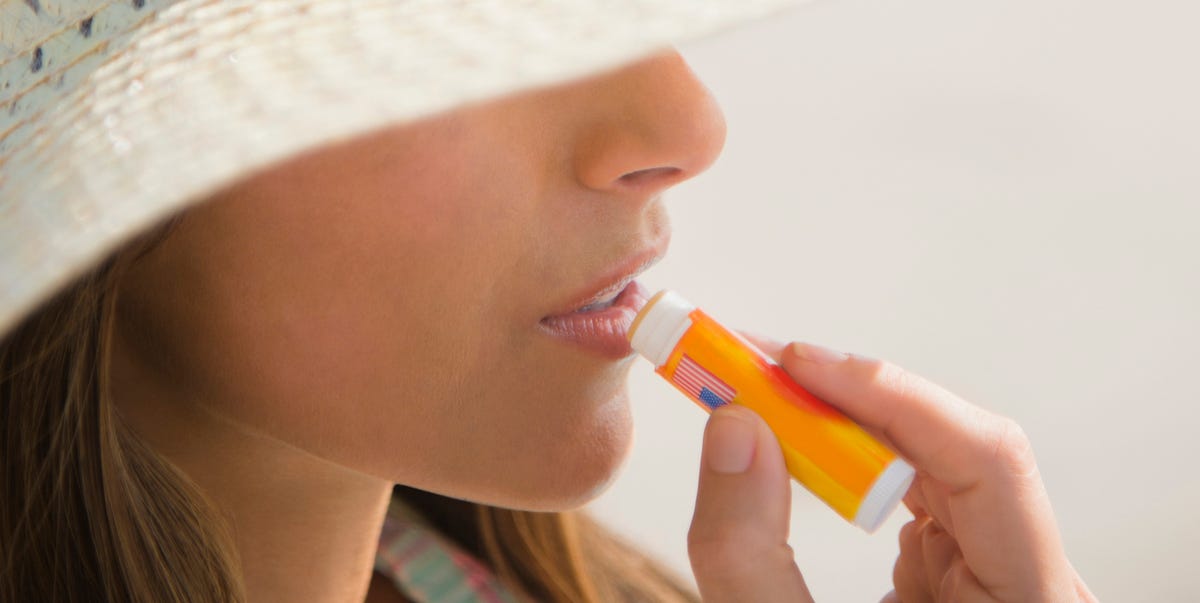
Apply SPF lip balm 15 minutes before going outside so it has time to settle. Cover the entire lip surface, including the edges and corners of your mouth. Many people miss the lower lip line, which is exactly where the sun likes to cause trouble.
Reapply at least every two hours outdoors, and sooner after swimming, sweating, eating, drinking, wiping your mouth, or kissing your dog on the head because he looked emotionally available. Lip sunscreen wears off faster than face sunscreen because lips move constantly. Talking, snacking, sipping, smiling, and existing all count as product-removal activities.
Can You Use Regular Sunscreen on Lips?
You can use regular broad-spectrum sunscreen around the mouth, but many face and body sunscreens taste unpleasant and may irritate the lips. A lip-specific SPF product is usually more comfortable and practical. If you use regular sunscreen near your lips, avoid swallowing it, and do not apply products that sting or contain ingredients your skin dislikes.
For most people, a dedicated SPF lip balm is simpler. It fits in a pocket, does not require a mirror, and will not make your sandwich taste like sunscreen with notes of regret.
Home-Care Routine for Sunburned Lips
Here is a simple recovery routine for mild sunburned lips:
- Morning: Rinse gently with cool water. Apply a cool compress if lips feel hot or swollen.
- After cooling: Apply pure aloe vera or a gentle fragrance-free lip moisturizer.
- During the day: Drink water and avoid spicy, salty, or acidic foods if they sting.
- If going outdoors: Use SPF 30+ lip balm and wear a wide-brimmed hat.
- Evening: Apply a bland moisturizing balm or ointment to support overnight healing.
- Always: Do not pick peeling skin or pop blisters.
Keep the routine boring. Boring is beautiful when your lips are burned. This is not the moment for ten-step lip care, exfoliating masks, or experimental “natural remedies” from a comment section written by someone named MoonPickle87.
Foods and Drinks to Avoid While Lips Heal
Sunburned lips can make certain foods feel like tiny fireworks. For a few days, avoid or limit:
- Citrus fruits and juices
- Spicy sauces
- Very salty chips or snacks
- Hot beverages
- Alcohol if it worsens dryness
- Crunchy foods that scrape the lips
Choose softer, cooler foods if your lips are tender. Smoothies, yogurt, oatmeal, soft eggs, soups that are warm rather than hot, and plenty of water can make eating less dramatic.
How to Prevent Sunburned Lips in the Future
Prevention is easier than healing. Make lip SPF part of your daily routine, especially before outdoor activities. Apply it before leaving the house, then reapply throughout the day. Keep backups in places where you need them: beach bag, gym bag, hiking pack, golf bag, stroller, desk, purse, jacket pocket, and car console. Just remember that extreme heat can melt balms, so do not store your only tube in a summer car unless you enjoy SPF soup.
Pair lip sunscreen with other sun-smart habits. Wear a wide-brimmed hat, seek shade, avoid peak UV hours when possible, and use regular sunscreen on the rest of your face. Lip sunscreen is important, but it is not a force field. Your face still needs backup.
Experience Section: Real-Life Lessons From Sunburned Lips
Anyone who has had sunburned lips remembers it. Not fondly. More like the way you remember touching a hot pan: educational, painful, and followed by a sincere promise to make better choices next time.
One common scenario starts with a beach day. You apply sunscreen to your face, shoulders, arms, and legs. You even remember your ears because you are becoming a responsible adult with a tote bag. But the lips? Forgotten. After a few hours of swimming, laughing, sipping cold drinks, and wiping your mouth with a towel, your lips begin to feel tight. By evening, they are swollen and tender. The next morning, they look like they have filed a formal complaint.
The first lesson is that lips need their own sunscreen. Face sunscreen may be too messy or unpleasant for the mouth area, so an SPF lip balm is not a luxury. It is the tiny tube that stands between you and three days of eating soup like a Victorian ghost.
Another experience many people learn the hard way is that reapplication matters. Applying SPF lip balm once at 9 a.m. and expecting it to protect through lunch, swimming, sweating, iced coffee, snacks, and a windy walk is optimistic. Charming, but optimistic. Lip products disappear quickly. Every drink, bite, napkin, and absent-minded lip lick removes some protection. The habit that works best is reapplying whenever you reapply face sunscreen, after eating, and whenever your lips start to feel bare.
A third lesson is that healing requires patience. When lips peel, the instinct is to “help” by removing loose skin. This is a trap. Picking makes the lips crack and bleed, which turns a simple sunburn into a longer, more annoying healing process. The better move is to use a cool compress, apply gentle moisture, and let the damaged skin shed naturally. It is not glamorous, but it works.
People who spend time outdoors often develop a practical lip-care system. Hikers keep SPF balm clipped to a backpack strap. Runners use water-resistant lip sunscreen before long training sessions. Parents stash extra tubes in beach bags and sports bags. Skiers learn that snow reflection can burn lips fast, even when the air is cold. Gardeners discover that “just thirty minutes outside” can become three hours when weeds start looking personal.
The best personal rule is simple: if your skin needs sunscreen, your lips need SPF too. Apply it before sun exposure, reapply it often, and choose a formula that feels good enough to use every day. The best sunscreen for lips is not necessarily the most expensive one. It is the one you will actually keep in your pocket and use before your lips start yelling.
Conclusion
Sunburned lips are painful, preventable, and surprisingly easy to overlook. To heal sunburned lips fast, move out of the sun, use cool compresses, apply pure aloe vera or a gentle moisturizer, drink extra water, consider an over-the-counter pain reliever if appropriate, and leave blisters or peeling skin alone. Avoid irritating lip products until your lips recover.
For prevention, choose a broad-spectrum SPF 30 or higher lip balm, preferably water-resistant for swimming or sweating. Reapply every two hours outdoors and more often after eating or drinking. Add a hat, shade, and smart timing, and your lips will have a much better chance of staying soft, comfortable, and burn-free.
In short: protect your lips like they are part of your skin, because they are. Also, because trying to sip lemonade with sunburned lips is a character-building exercise nobody requested.