Red onions have a way of making ordinary food look like it got dressed up for a party. Slice one onto tacos, roast one beside chicken, or pickle one and suddenly your refrigerator feels like it has ambition. The good news is that growing red onions at home is not especially difficult. The slightly annoying news is that onions are fussy about timing, day length, and being left to battle weeds like tiny purple gladiators.
Once you understand those few quirks, though, red onions become a very rewarding crop. You can grow them from seed for the biggest variety selection, from sets for speed and convenience, or from scraps if you want a thrifty kitchen experiment that can still put green onion tops on your plate. This guide breaks down exactly how to grow red onions, what method to choose, how to avoid puny bulbs, and when to harvest without ruining all your hard work at the finish line.
Why Grow Red Onions at Home?
Red onions are more than yellow onions wearing a burgundy jacket. Many red varieties have a crisp texture, a mild-to-sharp bite depending on the cultivar, and strong visual appeal in salads, sandwiches, salsas, and grilled dishes. Home gardeners also get one major perk grocery stores rarely offer: choice. Instead of settling for “red onion, mysterious origin,” you can grow storage reds, sweet reds, salad reds, or regional favorites suited to your climate.
Another advantage is freshness. A homegrown red onion harvested at the right moment tastes cleaner, juicier, and more layered than one that has been bouncing around a supply chain. Also, growing your own onions gives you bragging rights, and these are highly underrated garden tools.
Before You Plant: Pick the Right Type for Your Region
The biggest mistake beginners make is assuming all onions grow the same way everywhere. They do not. Onion bulb formation depends on day length, which means the number of daylight hours your plants receive triggers bulbing. If you choose the wrong type for your latitude, your red onions may stay small, bolt, or never bulb properly.
Long-day red onions
These are best for northern areas with long summer days. They usually need about 14 to 16 hours of daylight to bulb well. If you live in the North, this is likely your lane.
Intermediate-day red onions
These fit the middle of the country and work well where daylight hits the not-too-short, not-too-long sweet spot. Think of them as the onions that like compromise.
Short-day red onions
These are better for southern climates and usually bulb with around 10 to 12 hours of daylight. Gardeners in warmer zones often plant them in fall or winter for spring harvest.
So before you buy seeds, sets, or transplants, make sure the variety matches your region. This single choice has more impact than fancy fertilizer, motivational speeches, or the expensive trowel you swore would change your life.
Seeds, Sets, or Scraps: Which Method Is Best?
Growing red onions from seeds
Best for: the widest variety selection, storage onions, and gardeners who like control.
Seeds give you the most options for color, flavor, storage quality, and day-length match. They are often the best route if you want true red bulb onions that store well. The downside is that seeds are the slowest method and require more planning, especially in cooler climates where they are commonly started indoors before transplanting.
Growing red onions from sets
Best for: beginners, quick planting, and low drama.
Sets are small immature bulbs grown the previous year. They are easy to plant, establish quickly, and are widely available in spring. The tradeoff is less variety choice and a slightly higher chance of bolting if you use oversized sets or plant under stressful conditions. Still, if you want an easy path to homegrown onions, sets are hard to beat.
Growing red onions from scraps
Best for: kitchen thrift, green tops, and fun experiments.
Scraps are the most charming method and the least predictable for full-sized bulbs. A rooted onion bottom or the white rooted base of green onions can regrow, especially for fresh green shoots. You may get usable greens and, in some cases, a divided cluster or smaller bulb over time, but scraps are usually not the most dependable route for large storage onions. Think of this method as practical, educational, and delightfully scrappy rather than your main strategy for a winter pantry full of onions.
Ideal Growing Conditions for Red Onions
Red onions grow best in full sun, meaning at least 6 to 8 hours of direct light daily. They prefer loose, fertile, well-drained soil with a slightly acidic to neutral pH around 6.0 to 6.8. Heavy, compacted, soggy soil is basically an invitation to disappointment.
Work in compost before planting to improve structure and fertility. Onions are shallow-rooted and not particularly tough in the face of competition, so they benefit from a weed-free bed, consistent moisture, and soil that does not crust over like a stale brownie.
Raised beds are excellent for growing red onions because they drain well, warm up earlier in spring, and make spacing easier. Containers can also work, especially for green onions or small crops, as long as the pot is deep enough and drains well.
How to Grow Red Onions from Seed
Step 1: Start seeds early
If your climate has cold winters, start onion seeds indoors about 6 to 8 weeks before your last expected frost. Use trays or cell packs filled with a light seed-starting mix. Sow seeds shallowly and keep the mix evenly moist, not swampy.
Step 2: Give seedlings strong light
Onion seedlings need bright light to avoid turning into thin, floppy noodles. A sunny window can help, but grow lights usually do a better job. Keep lights close enough to encourage stocky growth.
Step 3: Trim tops if needed
If seedlings get long and unruly, trim them back lightly. This does not hurt them and can make transplanting easier. Onion seedlings are surprisingly forgiving about haircuts.
Step 4: Transplant outdoors
Move seedlings outdoors when the soil is workable and plants are sturdy enough to handle life beyond the cozy tray. Space them about 3 to 4 inches apart for bulb onions, with 12 to 18 inches between rows. If you want scallion-style harvests, plant closer and thin as you go.
From seed, red onions usually take the longest, but they often reward patience with better bulb quality and better storage.
How to Grow Red Onions from Sets
Step 1: Buy small, firm sets
Choose healthy, firm red onion sets. Smaller sets are generally better for bulb production, while large sets are more likely to bolt or are better used as green onions.
Step 2: Plant early
Plant sets as soon as the soil can be worked in spring in northern climates, or according to local timing in warmer regions. Early planting gives onions time to produce lots of leaves before bulbing begins. More leaves usually means bigger bulbs later.
Step 3: Set the depth and spacing
Plant sets about 1 inch deep with the pointed tip up and the root end down. Space them 3 to 4 inches apart for bulbs, or closer if you plan to harvest some as green onions. Keep rows about 12 to 18 inches apart.
Sets are the easiest route for gardeners who want to skip indoor seed starting and get right to the dirt. They are like the shortcut that actually works, which is rare in both gardening and life.
How to Grow Red Onions from Scraps
Method 1: Regrow green tops from rooted onion pieces
If you have the white root end from green onions or scallions, place the roots in shallow water with only the bottom portion submerged. Put the container in a sunny spot and change the water regularly. New green shoots usually appear quickly. Once shoots are a few inches tall, you can keep harvesting the greens or transplant the rooted piece into soil.
Method 2: Plant a red onion bottom or sprouted bulb
If a red onion in your kitchen starts sprouting, or if you save the rooted bottom plate with a bit of onion flesh attached, you can plant it in potting mix or directly in the garden after frost danger passes. Set it root-side down, cover lightly, and keep it moist but not soggy.
This method can produce edible greens and sometimes multiple new shoots. It is fun, useful, and a great way to reduce waste. But for predictable, full-size red onion bulbs, seeds or sets remain the better bet.
How to Care for Red Onions After Planting
Water consistently
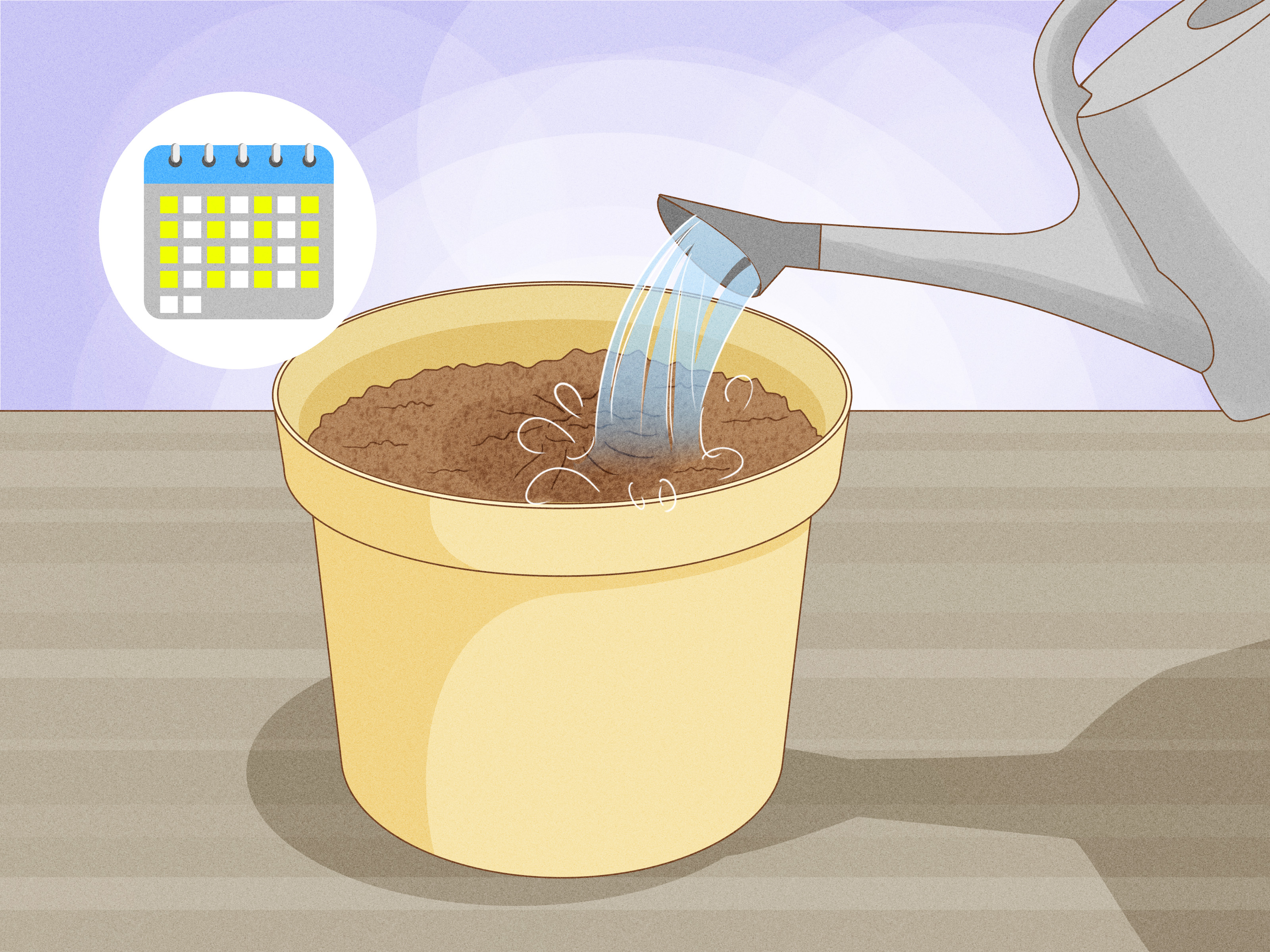
Red onions need consistent moisture because their roots stay near the soil surface. A common rule is about 1 inch of water per week, though sandy soil and hot weather may require more frequent watering. Drought stress can lead to small bulbs, tough texture, or early bulbing.
Feed sensibly
Onions like fertile soil, especially early in the season when they are building leaves. Compost at planting is helpful, and many gardeners use a balanced or onion-friendly fertilizer based on soil test recommendations. Go easy on overfeeding late in the season, because once bulbs are sizing up, you want maturity, not endless leafy drama.
Keep weeds out
Weeds are a real problem for onions because onions are poor competitors. Mulch lightly once plants are established, and weed shallowly so you do not damage the roots. If weeds take over, bulb size usually takes the hit.
Do not hill soil around bulbs
Unlike potatoes, onions do not want extra soil piled around them. As bulbs swell, part of the onion naturally rises above the soil. That is normal. Let them do their thing.
Common Problems When Growing Red Onions
Small bulbs
This usually happens because of the wrong day-length variety, planting too late, crowding, weed competition, or inconsistent watering. Translation: onions remember every slight.
Bolting
If onions send up a flower stalk, they have bolted. This can happen after temperature stress or when oversized sets are used. A bolted onion is still edible, but it usually will not store well.
Rotting bulbs
Poor drainage, overwatering late in the season, or rough handling at harvest can lead to rot. Good curing is essential if you want onions to store for months instead of becoming a science project in your pantry.
When and How to Harvest Red Onions
Bulb onions are usually ready when about half to three-quarters of the tops have fallen over and the necks begin to dry. At that point, stop watering if the soil is still moist and let the bulbs mature. Pull or gently lift them on a dry day.
For green onions, harvest anytime they reach usable size. For full red onions, resist the urge to yank them too early. A thick neck and immature skin can shorten storage life fast.
How to Cure and Store Red Onions
After harvest, cure the bulbs in a warm, dry, airy place out of direct harsh sun until the skins are papery and the necks are tight and dry. Depending on humidity and temperature, this can take from several days in ideal weather to a couple of weeks or more in a sheltered, ventilated spot.
Once cured, trim the tops and roots and store onions in a cool, dry, dark place with good airflow. Mesh bags, slatted crates, or braided storage all work better than sealed plastic. Also, do not store onions right next to potatoes unless you enjoy preventable spoilage and tiny domestic tragedies.
Final Thoughts
If you want the best odds of big, beautiful bulbs, grow red onions from seed or quality sets and make sure the variety matches your day length. If you want a fast, satisfying kitchen experiment, scraps are absolutely worth trying, especially for fresh onion greens. Either way, success comes down to a few simple truths: plant early, choose the right type, give onions sun, keep weeds away, and water steadily.
Do that, and you will be rewarded with glossy red bulbs that look good, taste better, and make store-bought onions feel just a little bit emotionally distant.
Real-World Growing Experiences: What Gardeners Learn the Hard Way
Ask a few home gardeners about growing red onions, and you will hear a very specific kind of laugh. It is the laugh of people who once believed onions were low-maintenance because they look calm. Onions are not chaotic in the way tomatoes are chaotic, but they do have standards. The first thing many gardeners learn is that onions reward planning more than improvisation. Plant them late, and they often stay small. Crowd them, and they sulk. Let weeds move in, and they quietly lose the competition without making a dramatic scene. It is almost impressive.
One of the most common experiences is discovering how much day length matters. A gardener can have rich soil, plenty of sun, and perfect intentions, yet still end up with undersized bulbs because the variety was wrong for the region. That lesson tends to stick. After one season of growing gorgeous green tops attached to disappointingly tiny bulbs, most people become surprisingly interested in onion labels.
Another classic experience involves sets. Gardeners love them because they are easy and feel like instant progress. You plant a little bulb, and it looks like success already happened. But many people discover that buying the biggest sets is not always wise. Large sets can be more likely to bolt, and a bolted onion is one of those mildly insulting garden moments. The plant shoots up a flower stalk as if announcing that it has moved on to a different life goal than the one you had in mind.
Then there is watering. New gardeners often assume onions need less water because they are not huge plants. In reality, onions are shallow-rooted and can be surprisingly sensitive to dry spells. Gardeners who forget to water during bulbing often end up with smaller onions and a new respect for mulch, moisture checks, and routine. On the flip side, keeping onions too wet late in the season can lead to rot, so people also learn that good gardening is less about doing more and more about doing the right thing at the right time.
Scrap-growing produces a different type of experience altogether. It is delightfully satisfying to place rooted onion ends in water and watch fresh green shoots appear in a sunny window. That quick regrowth makes people feel like botanical wizards. But over time, most gardeners realize scraps are best treated as a bonus method rather than the main event. They are terrific for greens, fun for kids, and a smart way to reduce food waste, but they are not always the most reliable route to big red storage bulbs.
Perhaps the biggest onion lesson is patience at harvest. Many gardeners pull too soon the first time because the bulbs look big enough and waiting feels unnecessary. Later, after a shorter storage life and a few soft onions, they understand why curing matters. By the second or third season, they stop rushing. They wait for the tops to fall, cure the bulbs properly, and suddenly the harvest lasts longer and tastes better. That is the onion journey in a nutshell: a humble crop that keeps teaching better timing, better observation, and a little more respect for the quiet vegetables.