Growing dates indoors sounds like the kind of project that belongs in a sunny palace courtyard, not beside your laundry basket. But here is the good news: you absolutely can grow a date palm indoors from a seed. The slightly less glamorous news? You probably will not be harvesting bowls of sticky, caramel-sweet dates from your living room anytime soon. Date palms are majestic desert trees, not tomato plants with a tropical accent.
Still, growing a date palm indoors is a rewarding, surprisingly simple, and very satisfying houseplant project. With the right seed, strong light, warm temperatures, excellent drainage, and a little patience, you can turn a grocery-store date pit into an elegant palm with arching green fronds. It is part gardening, part science experiment, and part “look what I made from a snack.”
This complete guide explains how to grow dates indoors from seed, how to care for a young date palm, what mistakes to avoid, and what to expect if your dream is actual fruit. Spoiler: your palm may become beautiful long before it becomes useful at breakfast.
What Is a Date Palm?
The true date palm, scientifically known as Phoenix dactylifera, is the tree that produces edible dates. It is native to hot, dry regions and has been cultivated for thousands of years across North Africa, the Middle East, and other arid climates. In the right outdoor conditions, a mature date palm can grow into a towering tree with long, feather-like fronds and clusters of sweet fruit.
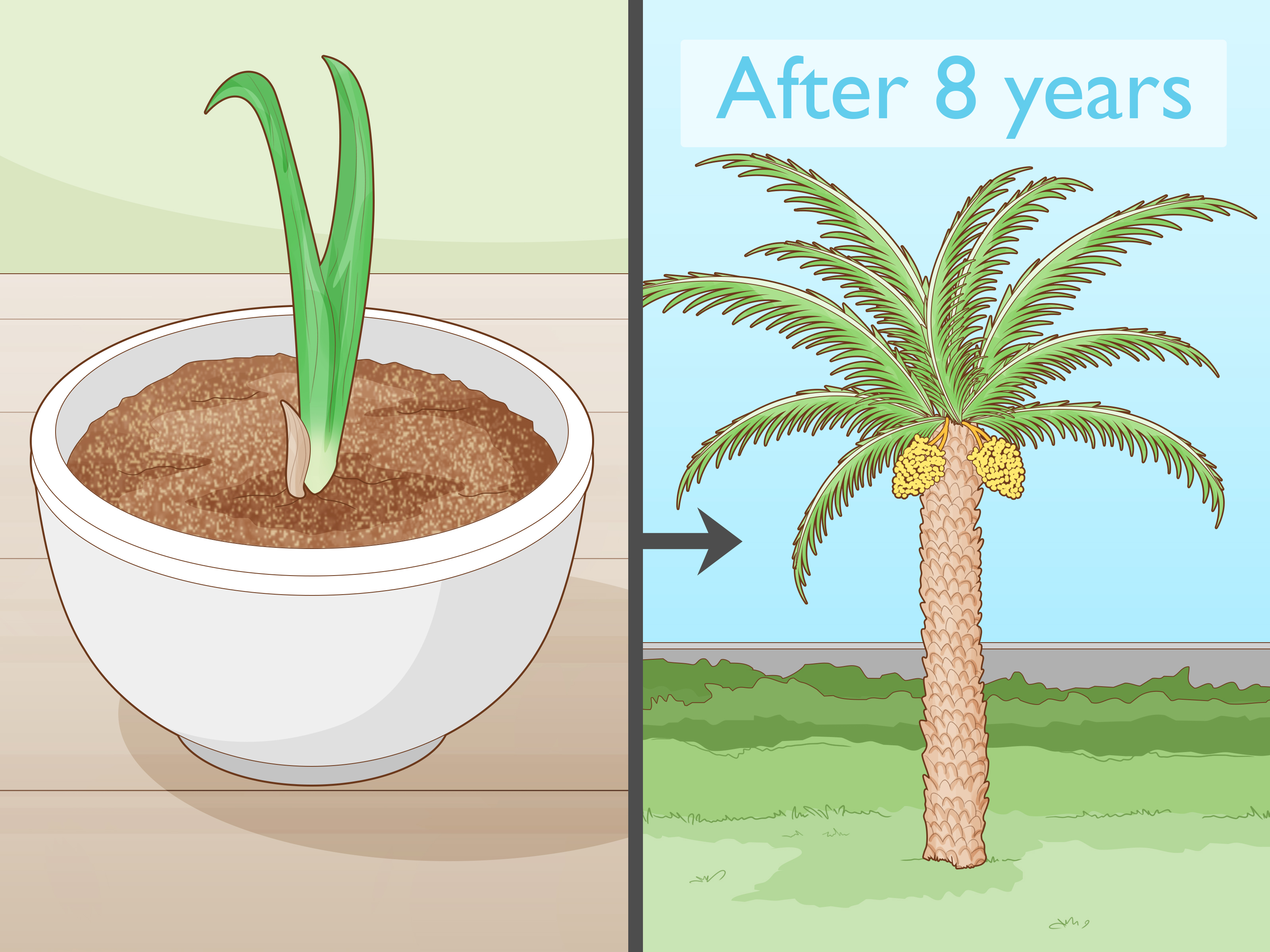
Indoors, however, the same plant behaves very differently. It grows slowly, stays smaller because of container limits, and usually serves as an ornamental palm rather than a fruiting tree. That does not make it a bad indoor plant. In fact, its slow growth can be helpful. Nobody wants a palm tree crashing through the ceiling like it is auditioning for a jungle movie.
Can You Really Grow Dates Indoors?
Yes, you can grow date palms indoors, especially from seed. The process is beginner-friendly, inexpensive, and fun. The biggest requirement is patience. Palm seeds are famous for taking their sweet time. Some sprout in a few weeks, while others act like they are considering a career change and may take several months.
But growing dates indoors and growing edible dates indoors are two different goals. A date palm needs intense light, heat, maturity, space, and pollination to produce fruit. Date palms are also dioecious, meaning individual plants are either male or female. A female tree needs pollen from a male tree to set fruit. If you grow one seed indoors, you will not know whether it is male or female for years. Even if you get lucky, indoor conditions rarely provide enough light and scale for reliable fruiting.
So, the realistic goal is this: grow a healthy indoor date palm as a beautiful houseplant. If fruit happens one day, celebrate like you won the botanical lottery.
Choosing the Right Date Seeds
Use Fresh, Uncooked Dates
The easiest way to start is with seeds from whole dates. Choose fresh, dried, or semi-dried dates that have not been cooked, pasteurized at high heat, or processed in a way that damages the seed. Medjool dates are popular because they are widely available and have large pits that are easy to handle.
Avoid chopped dates, pitted dates, date paste, and anything coated in syrup or preservatives. Those seeds are either missing, damaged, or not exactly in the mood to become trees.
Understand Seed Variability
A date seed does not produce an exact clone of the fruit you ate. Seed-grown palms are genetically variable. Your Medjool seed may grow into a lovely palm, but it may not produce Medjool-quality fruit. Commercial growers usually propagate date palms from offshoots or tissue culture to preserve fruit quality. For indoor growers, seeds are still perfect for the experience and the houseplant.
How to Germinate Date Seeds Indoors
Step 1: Clean the Seeds Thoroughly
After eating the date, remove the pit and wash away every bit of sticky fruit. This matters because leftover sugar can invite mold. Rub the seed under running water, then use a soft brush or cloth if needed. Think of it as giving the seed a spa day before its big career shift.
Step 2: Soak the Seeds
Place the cleaned seeds in a cup of room-temperature water for 24 to 48 hours. Change the water daily. Soaking softens the seed coat slightly and helps wake the seed from dormancy. If a seed floats, it may still germinate, but seeds that sink are often more promising.
Step 3: Use the Paper Towel Method
Wrap the soaked seeds in a damp paper towel, then place them in a sealable plastic bag or covered container. The towel should be moist, not dripping wet. Store the bag in a warm location, ideally around 75°F to 85°F. A warm shelf, the top of a refrigerator, or a seedling heat mat can help.
Check the seeds once a week. If the towel smells sour or shows mold, replace it. If it dries out, mist it lightly. Germination may take two to eight weeks, but some seeds take longer. Palm seeds are not lazy; they are just dramatic.
Step 4: Plant Once Roots Appear
When you see a white root emerging, plant the seed in a small pot. Use a container with drainage holes and fill it with a loose, well-draining mix. Place the seed about one inch deep with the root pointing downward. Cover lightly, water gently, and keep the pot warm.
Best Soil for Indoor Date Palms
Date palms hate soggy soil. If there is one rule to tattoo on your gardening notebook, it is this: drainage is everything. A date palm may tolerate dry conditions once established, but wet roots can quickly lead to rot.
Use a cactus and palm mix, or make your own by combining regular potting mix with coarse sand, perlite, pumice, or fine orchid bark. The goal is a medium that holds a little moisture but never turns into swamp pudding.
Simple Indoor Date Palm Soil Mix
- 2 parts high-quality potting mix
- 1 part perlite or pumice
- 1 part coarse sand or fine bark
Do not use heavy garden soil indoors. It compacts too easily, drains poorly in containers, and may bring pests or disease into your home. Your date palm wants desert-inspired luxury, not backyard mud in a fancy pot.
Choosing the Best Pot
Start with a small pot, about 4 to 6 inches wide. A tiny seedling in a huge pot is more likely to suffer from overwatering because excess soil stays wet for too long. As the palm grows, move it gradually into larger containers.
Always choose a pot with drainage holes. Decorative cachepots are fine, but never let the nursery pot sit in standing water. If water collects in the outer pot or saucer, empty it after watering. Date palms appreciate moisture at the right time; they do not appreciate sitting in a bathtub.
Light Requirements for Growing Dates Indoors
Date palms naturally love full sun. Indoors, give your palm the brightest location you can provide. A south-facing or west-facing window is usually best in the United States. East-facing windows can work for seedlings, especially when paired with a grow light.
Young seedlings should be introduced to strong direct sun gradually. Too much harsh light too quickly can scorch tender leaves. Start with bright indirect light, then increase exposure as the plant matures.
Should You Use a Grow Light?
Yes, if your home is dim, your winters are dark, or your windows are blocked by buildings or trees. A full-spectrum LED grow light can make a big difference. Aim for 12 to 16 hours of light per day during active growth. Keep the light close enough to be useful but not so close that it heats or burns the leaves.
If your palm starts stretching, leaning sharply, or producing weak pale growth, it is asking for more light. Plants are polite, but they do leave clues.
Watering Indoor Date Palms
Watering is where many indoor palm dreams go to compost. Date palms prefer a deep drink followed by a drying period. Do not water on a strict calendar. Instead, check the soil.
For seedlings, keep the soil lightly moist but never soggy. For established indoor date palms, let the top 1 to 2 inches of soil dry before watering again. When you water, water thoroughly until excess drains from the bottom. Then empty the saucer.
Signs of Overwatering
- Yellowing leaves
- Soft or mushy stems near the base
- Sour-smelling soil
- Fungus gnats hovering around the pot
- Soil that stays wet for many days
Signs of Underwatering
- Dry, crispy leaf tips
- Soil pulling away from the pot edge
- Drooping or folded leaflets
- Very slow growth during warm bright months
In winter, indoor date palms usually need less water because growth slows and light levels drop. This is the season when overenthusiastic watering becomes a villain wearing gardening gloves.
Temperature and Humidity
Date palms like warmth. Indoors, aim for temperatures between 65°F and 85°F. Keep the plant away from cold drafts, exterior doors, air-conditioning vents, and heating vents. Sudden temperature swings can stress the plant and dry out the foliage.
Average indoor humidity is usually acceptable for date palms, especially compared with more tropical houseplants. However, extremely dry winter air can cause brown tips. A pebble tray, room humidifier, or grouping plants together can help. Avoid constantly misting the leaves if airflow is poor, because damp foliage in stagnant air can invite problems.
Fertilizing Indoor Date Palms
Date palms are not heavy feeders indoors, but they do benefit from light feeding during the growing season. Use a palm fertilizer or a slow-release fertilizer that includes micronutrients such as magnesium, manganese, iron, and zinc. These nutrients help support healthy green fronds.
Fertilize in spring and summer, following label directions carefully. Do not overdo it. Too much fertilizer can burn roots and cause brown leaf tips. Skip fertilizer in winter unless the plant is under strong grow lights and actively producing new growth.
Repotting an Indoor Date Palm
Date palms grow slowly indoors and do not need frequent repotting. Repot when roots circle densely inside the pot, grow from drainage holes, or the plant dries out extremely quickly after watering.
Choose a new pot only 1 to 2 inches wider than the old one. Repot in spring or early summer when the plant is actively growing. Handle the root ball gently. Palms dislike root disturbance, so do not aggressively tease, cut, or shake the roots unless you are removing rotten material.
Pruning and Grooming
Indoor date palms need very little pruning. Remove fully brown, dead, or badly damaged fronds with clean scissors or pruners. Do not cut green fronds simply because they look older. Palms use their fronds to store and move nutrients, and over-pruning weakens the plant.
Also, never cut the central growing point. Palms grow from a single main bud. Damage that growing point and the plant may not recover. In other words, do not give your palm an experimental haircut.
Common Indoor Date Palm Problems
Brown Leaf Tips
Brown tips are common on indoor palms. Causes include dry air, inconsistent watering, fertilizer burn, salt buildup, or old natural growth. Flush the soil occasionally by watering deeply and allowing extra water to drain away. Use filtered or rainwater if your tap water is very hard.
Yellow Leaves
Yellowing often points to overwatering, poor drainage, low light, or nutrient deficiency. Check the soil first. If it is wet and heavy, reduce watering and improve drainage. If the plant is in a dark corner, move it closer to light or add a grow light.
Pests
Spider mites, scale, and mealybugs can bother indoor palms. Inspect the undersides of leaves and along stems. Wipe leaves with a damp cloth and treat pests early with insecticidal soap or horticultural oil, following product instructions. A neglected pest problem can turn your palm into a tiny insect apartment complex.
Slow Growth
Slow growth is normal. Date palms are not speed demons. If your palm looks healthy but grows gradually, relax. If growth stops completely during spring and summer, review light, temperature, root space, and fertilizer.
Will an Indoor Date Palm Produce Dates?
Usually, no. A date palm grown indoors from seed is very unlikely to produce fruit. To get dates, you need a mature female palm, pollen from a male palm, strong heat, intense light, enough space, and time. Seed-grown palms can take many years to mature, and about half may be male.
Even outdoors, fruiting is best in hot, dry climates. Humidity, cool summers, insufficient light, and lack of pollination all reduce success. Indoors, a date palm is best treated as a long-term ornamental plant. It may not fill your pantry, but it can still fill a bright room with graceful desert style.
True Date Palm vs. Pygmy Date Palm
When people search for how to grow dates indoors, they often run into two different plants. The true date palm, Phoenix dactylifera, produces edible dates but becomes enormous outdoors. The pygmy date palm, Phoenix roebelenii, is smaller and more common as a houseplant, but it is not the source of the large edible dates sold in grocery stores.
If your goal is to sprout a seed from a date fruit, grow Phoenix dactylifera. If your goal is a more manageable indoor palm purchased from a nursery, a pygmy date palm may be easier to place in a home. Just watch the spines near the leaf bases; palms may look breezy and tropical, but some come armed.
Indoor Date Palm Care Calendar
Spring
Increase watering as growth resumes. Begin light fertilizing. Repot if necessary. Move the plant closer to brighter light if winter left it pale or stretched.
Summer
Provide the brightest light possible. Water more often, but only after checking the soil. If placing the palm outdoors for summer, transition it gradually to avoid sunburn.
Fall
Reduce fertilizer and prepare the plant for lower light. Bring outdoor palms indoors before nights become chilly. Inspect carefully for pests before moving plants inside.
Winter
Water less often, avoid cold drafts, and consider a grow light. Do not panic if growth slows. The plant is resting, not ignoring you personally.
Extra Growing Experience: Practical Lessons from Indoor Date Palm Care
The most useful experience with growing dates indoors is learning that the seedling stage is both exciting and slow. The first root feels like a miracle. Then the plant may sit there for weeks doing what appears to be absolutely nothing. This is normal. Much of the early work happens below the soil, where the young palm builds roots before it shows off above ground. New growers often assume the plant has failed and start poking around in the pot. Resist the urge. Date seedlings do not appreciate being excavated like archaeological artifacts.
Another real-world lesson is that warmth matters more than people expect. A seed sitting on a cold windowsill may stay dormant for a long time, even if the room feels comfortable to you. Seeds germinate better with steady warmth. A seedling heat mat can turn a frustrating project into a successful one. If you do not have a heat mat, choose a consistently warm place away from cold glass. The top of a refrigerator, a high shelf, or a warm utility room can work, as long as you remember to check moisture.
Light is the next big difference between a thriving palm and a sad green feather. A date palm grown in weak light may survive, but it will often stretch, lean, or produce thin growth. Indoors, even a bright room may be dim compared with outdoor desert sun. If you want a stronger plant, place it in your brightest window and rotate the pot every week so it does not lean dramatically toward the glass like it is trying to escape.
Watering teaches humility. Many indoor gardeners kill date palms with kindness. They see a desert plant and think it needs almost no water, or they see a tropical-looking palm and water it constantly. The correct approach is between those extremes. Water thoroughly, then let the upper soil dry. The pot should drain quickly. If the soil remains wet for a week, the mix is too heavy, the pot is too large, or the plant is not getting enough light.
Repotting is another moment where gentle hands win. Palms have sensitive roots and dislike rough treatment. When moving a young date palm to a larger pot, keep the root ball as intact as possible. Do not shake off all the soil. Do not prune healthy roots for fun. Choose a slightly larger container, add fresh well-draining mix around the sides, water thoroughly, and let the plant recover in bright indirect light for a few days.
Finally, adjust your expectations. An indoor date palm is a long-term companion, not a quick harvest crop. It may take years to become a dramatic floor plant. It may never fruit. But the charm is in the process: a seed from a snack becomes a living palm, one slow frond at a time. That is a pretty good return on something most people throw away.
Conclusion
Growing dates indoors is easy to start, simple to maintain, and wonderfully satisfying if you enjoy patient gardening. Clean a viable date seed, soak it, germinate it in a warm damp environment, then plant it in a well-draining potting mix. Give the young palm bright light, careful watering, warmth, and occasional fertilizer during the growing season.
The key is realism. A true date palm can become a beautiful indoor plant, but it is unlikely to produce edible dates inside a typical home. For most growers, the reward is not a fruit harvest; it is the pleasure of raising a graceful palm from a humble pit. And honestly, turning dessert leftovers into decor is already a small household victory.
Note: This article is written for home gardening education and focuses on indoor ornamental success. Indoor fruit production from true date palms is possible only in rare, highly favorable conditions and should not be expected in a typical home.