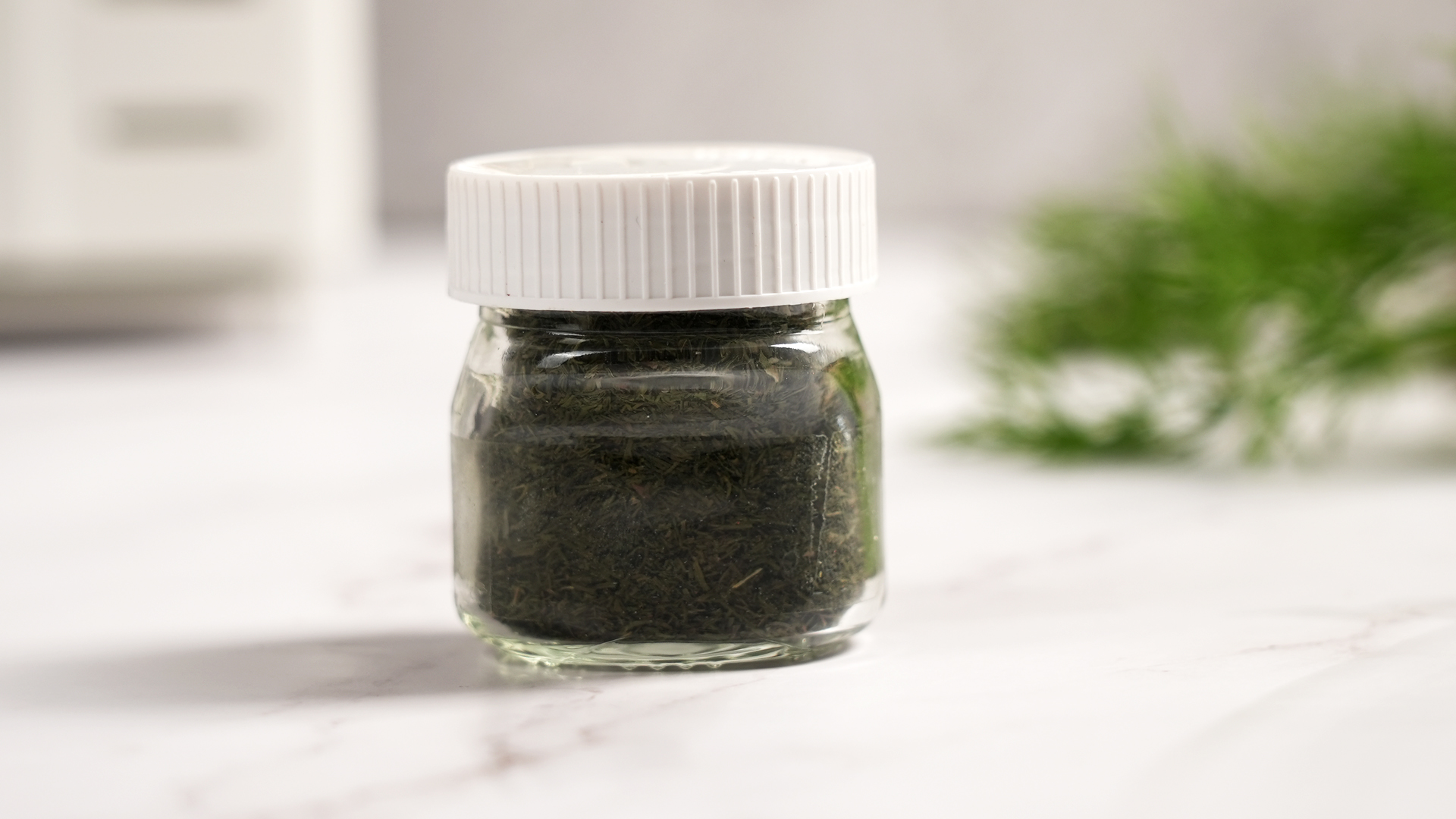
Fresh dill is one of those herbs that acts innocent in the grocery bag, then immediately starts a countdown clock on your kitchen counter. One day it is feathery, bright, and full of pickle-shop perfume. Two days later, it looks like it gave up on its dreams. Fortunately, learning how to freeze dill is easy, practical, and a little bit magical if you cook soups, potatoes, fish, eggs, dips, sauces, or pickles.
The best part? You do not need fancy equipment. You can freeze dill with an ice cube tray, without an ice cube tray, chopped, whole, in water, in oil, or as small wrapped bundles. Each method has a purpose. Some are better for soups and stews. Some are better for roasted potatoes. Some are ideal when you bought a huge bunch of dill because it was on sale and then remembered you are only one person, not a Scandinavian catering company.
This complete guide explains how to freeze fresh dill the right way, how to keep its flavor bright, when to use water versus oil, how long frozen dill lasts, and what mistakes to avoid. By the end, your freezer will become a tiny herb bank, and dill will stop bullying you with its short shelf life.
Can You Freeze Dill?
Yes, you can freeze dill, and it freezes surprisingly well for a tender herb. Dill will not thaw back into the same fluffy garnish you started with, so do not expect it to sit proudly on top of deviled eggs like a green feather boa. Freezing changes the texture because ice crystals break down the delicate plant cells. Once thawed, dill becomes soft and limp.
But here is the good news: the flavor holds up nicely. That means frozen dill is excellent in cooked dishes and blended foods where texture does not matter. Add it to potato soup, salmon chowder, cucumber yogurt sauce, omelets, roasted vegetables, compound butter, rice, chicken salad, pickles, and creamy dressings. It delivers that grassy, lightly sweet, almost anise-like dill flavor without making you run to the store every time a recipe asks for “2 tablespoons fresh dill.”
Best Ways to Freeze Dill at a Glance
If you are in a hurry, here is the quick answer. Freeze dill in whole sprigs if you want the fastest method. Freeze chopped dill in bags if you want flexible portions. Freeze dill in ice cube trays with water if you plan to use it in soups, sauces, stews, or braises. Freeze dill in oil if you plan to use it for sautés, roasted vegetables, fish, potatoes, or skillet meals.
The most important rule is simple: wash it, dry it thoroughly, pack it airtight, label it, and use it while the flavor is still lively. Frozen food stored at 0°F remains safe when handled properly, but herb quality is best when used within several months. In real kitchen terms, frozen dill is at its peak when you remember it exists before it becomes a mysterious green snowdrift in the back of the freezer.
How to Prepare Fresh Dill Before Freezing
1. Choose Fresh, Fragrant Dill
Start with the best dill you can find. Look for bright green, feathery fronds with a fresh aroma. Avoid bunches that are slimy, yellow, blackened, or wilted beyond rescue. Freezing preserves quality; it does not reverse time. If dill already looks like it has been emotionally through a lot, freezing will not turn it into farmers market royalty.
2. Wash Gently
Rinse dill under cool running water to remove grit, dust, and tiny garden hitchhikers. Dill fronds are delicate, so avoid blasting them with a harsh stream. Swish them in a bowl of cool water if they are sandy, then lift them out so any dirt stays behind.
3. Dry Very Well
This step matters more than most people think. Excess water creates ice crystals, encourages clumping, and can make dill taste watered down. Use a salad spinner, then pat the dill dry with clean kitchen towels or paper towels. For best results, spread it on a towel for 15 to 30 minutes until the fronds feel dry to the touch.
4. Remove Thick Stems If Desired
Thin dill stems are flavorful and fine to freeze, especially if the dill will be used in soups or stocks. Thick stems can be tougher, so remove them if you want a softer texture. For pickling or broth, keeping some stems is perfectly acceptable because they add flavor.
How to Freeze Dill Without an Ice Cube Tray
No ice cube tray? No problem. Dill does not require tiny frozen herb bricks to survive. These tray-free methods are fast, tidy, and great for everyday cooking.
Method 1: Freeze Whole Dill Sprigs
This is the easiest way to freeze dill. After washing and drying, gather small sprigs into portions you would use in one recipe. Wrap each bundle tightly in freezer-safe plastic wrap, parchment, or freezer paper, then place the bundles in a freezer bag or airtight container. Press out as much air as possible before sealing.
Whole frozen dill sprigs are useful for soups, seafood boils, pickle brines, roasted fish, and simmered dishes. You can add the sprig directly to the pot, then remove any stems later. If you need chopped dill, crumble or chop the frozen sprig while it is still cold. It is much easier than trying to chop thawed dill, which can turn into a green paste with commitment issues.
Method 2: Freeze Chopped Dill in a Bag
For quick measuring, chop the dry dill first. Spread the chopped dill in a thin layer on a parchment-lined baking sheet and freeze it for 30 to 60 minutes. Once firm, transfer it to a freezer bag. This “flash freeze” step helps prevent one giant dill clump.
When you need dill, open the bag, scoop out a spoonful, and return the rest to the freezer quickly. Chopped frozen dill works well in scrambled eggs, sauces, mashed potatoes, cooked grains, and creamy soups. Use it straight from frozen for the best flavor and easiest handling.
Method 3: Freeze Dill in Small Containers
If you dislike bags, use small freezer-safe containers. Pack chopped dill loosely, not smashed flat like you are trying to win a herb-compression contest. Cover tightly and label the container with the date. Small containers protect dill from freezer odors better than thin bags, which is helpful because dill has a strong aroma and can share its personality with neighboring foods.
How to Freeze Dill With an Ice Cube Tray
Freezing dill in an ice cube tray is perfect when you want pre-portioned flavor bombs. These cubes can go straight into soups, sauces, stews, skillet meals, and marinades. You can make dill cubes with water or oil, and each version has a different best use.
Method 1: Dill Cubes With Water
Wash, dry, and chop the dill. Place about 1 to 2 teaspoons of chopped dill into each ice cube tray compartment. Add just enough water to cover the herbs. Press the dill down gently with a spoon so it is submerged. Freeze until solid, then transfer the cubes to a labeled freezer bag or airtight container.
Water-based dill cubes are best for recipes that already contain liquid. Drop one into chicken soup, vegetable stew, potato soup, seafood chowder, rice, lentils, or a pan sauce. They melt quickly and release fresh dill flavor without needing any chopping.
Method 2: Dill Cubes With Oil
Oil-based dill cubes are ideal when you want dill for cooking rather than boiling. Chop clean, dry dill and place it into an ice cube tray. Cover with olive oil, avocado oil, or another cooking oil you like. Freeze until solid, then move the cubes into a freezer-safe container.
Use dill oil cubes for sautéed vegetables, roasted potatoes, fish, shrimp, eggs, or skillet chicken. They melt into the pan like instant flavored oil. One safety note: fresh herbs in oil should not be stored at room temperature. Keep herb-oil mixtures refrigerated for short storage or frozen for longer storage.
Method 3: Dill Butter Cubes
For a richer option, mix chopped dill with softened butter, a pinch of salt, and optional lemon zest. Spoon the mixture into an ice cube tray or roll it into a log using parchment paper. Freeze until firm. Dill butter is excellent on baked potatoes, grilled corn, salmon, steamed carrots, peas, toast, and warm dinner rolls.
This method is technically less “pure dill storage” and more “future dinner upgrade,” which is exactly why it deserves a place in your freezer.
Water vs. Oil: Which Is Better for Freezing Dill?
Choose water if you plan to add dill to liquid-based dishes. Water cubes are clean, simple, and neutral. They are perfect for soups, stews, broths, sauces, and pickle brines.
Choose oil if you plan to cook dill in a skillet, toss it with vegetables, or pair it with fish. Oil protects flavor well and melts beautifully into hot food. However, oil cubes are not ideal for every recipe. You probably do not want an olive oil cube floating in a delicate cucumber soup unless that is part of your plan.
Choose dry freezing if you want the most flexible option. Whole sprigs and chopped dill can be used in both wet and dry dishes, and they take up less space than cubes.
How Long Does Frozen Dill Last?
Frozen dill is best used within 4 to 6 months for the brightest flavor, although well-packed dill can remain usable longer. Some home-preservation guidance allows properly frozen herbs to be used within a year for quality. The freezer keeps properly handled food safe at 0°F, but flavor, aroma, and color slowly fade over time.
For best results, label every bag or container with the date and form: “dill sprigs,” “chopped dill,” “dill water cubes,” or “dill oil cubes.” Future you will be grateful. Future you may also wonder why there are seven unlabeled green things in the freezer, so do not make future you solve that mystery.
How to Use Frozen Dill
Frozen dill should usually be added directly to food without thawing. Thawing makes it limp and harder to handle. If you need to chop whole frozen sprigs, do it while they are still frozen. The fronds will be brittle and easy to break apart.
Best Uses for Frozen Dill
Frozen dill shines in cooked and mixed dishes, including potato soup, salmon chowder, lemon dill rice, scrambled eggs, omelets, roasted potatoes, chicken salad, tuna salad, yogurt sauce, sour cream dip, compound butter, quick pickles, creamy pasta, vegetable stews, and homemade ranch-style dressing.
For cold recipes, stir frozen chopped dill into the dish and let it sit for a few minutes. It works well in dips and dressings because texture is less noticeable once the dill is mixed with creamy ingredients. For garnish, use fresh dill whenever possible. Frozen dill tastes good, but it does not have the same perky, decorative look.
Common Mistakes When Freezing Dill
Freezing Wet Dill
Wet dill turns icy and clumpy. Dry it thoroughly before freezing unless you are intentionally making water cubes.
Using Thin, Unsealed Packaging
Dill can absorb freezer odors and share its own aroma with nearby foods. Use freezer bags, airtight containers, or sturdy glass containers made for freezing. Press out extra air to reduce freezer burn.
Thawing Before Use
Thawed dill is soft and awkward to chop. Use it straight from the freezer whenever possible.
Expecting Fresh-Garnish Texture
Frozen dill is for flavor, not fancy decoration. Think soups, sauces, fish, potatoes, eggs, and dips, not delicate plating on a restaurant appetizer.
Forgetting to Label It
Frozen herbs can look alike. Dill, fennel fronds, parsley, and cilantro can become a confusing green family reunion. Label everything.
Can You Freeze Dill for Pickles?
Yes. Freezing dill for pickles is a smart way to preserve dill when it reaches peak maturity before your cucumbers are ready. Freeze dill heads, stems, or sprigs in airtight containers so the aroma does not flavor everything else in the freezer. When pickle day arrives, use the frozen dill directly in your recipe.
For best pickle flavor, freeze dill while it is fresh and fragrant. Dill heads are especially valuable for pickling because they provide that classic dill-pickle aroma. If you grow dill in the garden, harvest it at the right stage, freeze it promptly, and avoid letting it dry out in the refrigerator for a week first.
Can You Freeze Dill Seeds?
Dill seeds are usually dried rather than frozen. They store well in a cool, dark pantry when kept in an airtight jar. Dill weed and dill heads are better candidates for freezing because their fresh flavor is more delicate and short-lived. If you have both dill fronds and seeds, freeze the leafy parts and dry the seeds for spice storage.
Quick Step-by-Step Summary
Without Ice Cube Tray
- Choose fresh, bright green dill.
- Wash gently under cool water.
- Dry very thoroughly.
- Freeze whole sprigs, chopped dill, or small bundles.
- Pack in freezer-safe bags or airtight containers.
- Label with the date and use within several months for best flavor.
With Ice Cube Tray
- Wash, dry, and chop the dill.
- Add 1 to 2 teaspoons chopped dill per cube compartment.
- Cover with water for soups and sauces, or oil for skillet cooking.
- Freeze until solid.
- Transfer cubes to a labeled freezer bag or container.
- Add cubes directly to recipes from frozen.
Practical Kitchen Experience: What Actually Works Best
After working with frozen dill in everyday meals, the biggest lesson is that the “best” freezing method depends on how you cook. If you make a lot of soup, water cubes are wonderfully convenient. One cube can disappear into a pot of potato soup and make it taste like you planned ahead, even if dinner started as a fridge cleanout operation. Water cubes are also excellent for lentils, rice, chicken broth, and quick pan sauces where a small amount of extra liquid does not matter.
For roasted vegetables and fish, oil cubes are more satisfying. A dill oil cube melted over hot potatoes with a squeeze of lemon tastes like something from a cozy café that charges extra for cloth napkins. It also works beautifully with salmon. Put the fish on a sheet pan, add a dill oil cube near the end of cooking, and let it melt into the surface. The flavor is fresh, savory, and bright without needing to mince herbs at the last minute.
For maximum flexibility, chopped dry-frozen dill is the winner. It is easy to scoop, easy to measure, and easy to add to almost anything. The trick is to freeze it flat first. If you chop dill and immediately stuff it into a bag, it often freezes into a solid green brick. You can still use it, but you may need to smack the bag on the counter, which is effective but not exactly elegant. Flash freezing on a tray keeps the pieces loose and spoonable.
Whole sprigs are the best lazy method, and lazy is not an insult here. Sometimes the simplest system is the one you will actually use. If you bring home dill and know you do not have the energy to chop, portion, and cube it, wash it, dry it, wrap a few sprigs together, and freeze them. Later, crumble the frozen fronds into soup or tuck the sprigs around fish. A simple method done today beats a perfect method you postpone until the dill turns sad.
Another useful experience: do not freeze dill in huge portions unless you regularly cook for a crowd. Small portions are easier to use and reduce waste. A tablespoon-sized amount is often enough for eggs, dressing, or a small side dish. Larger bundles work better for pickles, stock, or big pots of soup.
It also helps to store dill away from delicate foods. Dill has a bold aroma. If packed poorly, it can make the freezer smell like a pickle barrel wearing perfume. Use airtight containers or double bags, especially for dill heads and stems intended for pickling.
Finally, frozen dill is best treated as a cooking ingredient, not a salad decoration. It brings excellent flavor but loses its fresh, feathery charm. Keep a small bunch of fresh dill for garnishes when appearance matters. Use frozen dill when flavor matters. That simple distinction makes freezing dill feel less like a compromise and more like a smart kitchen shortcut.
Conclusion
Freezing dill is one of the easiest ways to preserve its fresh, grassy flavor before it wilts in the refrigerator. For the fastest method, freeze whole sprigs or chopped dill in airtight freezer bags. For convenient portions, freeze chopped dill in ice cube trays with water or oil. Use water cubes for soups and sauces, oil cubes for skillet meals and roasted vegetables, and dry-frozen dill when you want the most flexibility.
The key is to start with fresh dill, wash it gently, dry it thoroughly, pack it tightly, and label it clearly. Frozen dill will not return to its fresh garnish texture, but it will bring big flavor to potatoes, fish, eggs, dips, soups, pickles, and sauces. In other words, your freezer can rescue fresh dill from the compost bin and turn it into future dinner happiness. Not bad for a herb that looks like tiny green fireworks.