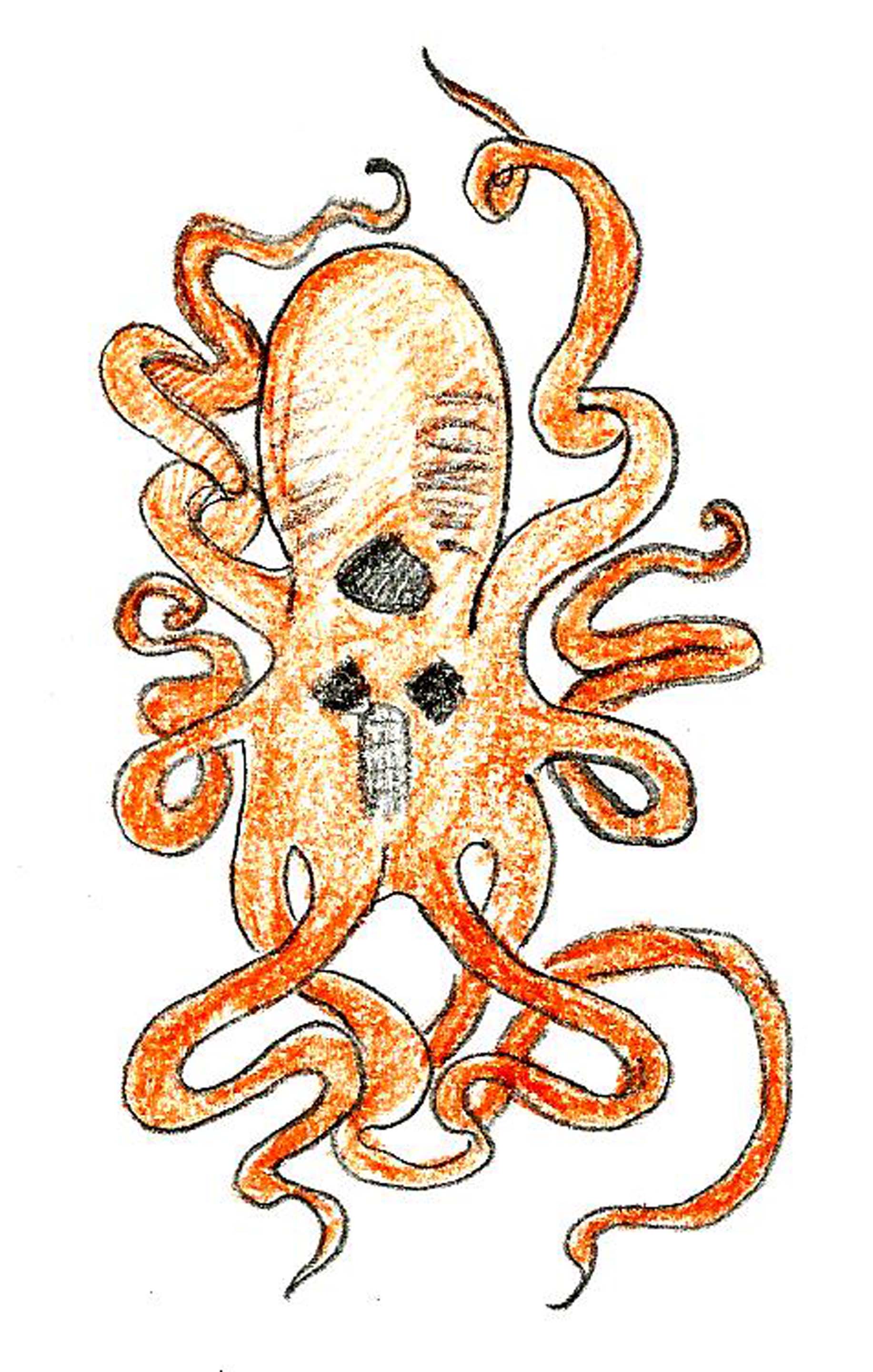
Learning how to draw a kraken is basically signing up to sketch an octopus, a sea monster, a thunderstorm, and a pirate’s worst day all at once. Good news: you do not need to be a professional fantasy artist to make it work. A kraken drawing looks impressive because of movement, scale, and atmospherenot because every sucker, wrinkle, and wave has been drawn with microscope-level accuracy.
In this step-by-step guide, you will learn how to build a dramatic kraken illustration from simple shapes, flowing tentacle lines, bold shadows, and ocean details. The goal is to create a creature that feels huge, mysterious, and alive. Whether you want a scary kraken, a cartoon sea monster, a fantasy map creature, or a dramatic ship-attacking beast, these nine steps will help you draw with confidence instead of staring at a blank page like it just insulted your ancestors.
The kraken comes from Scandinavian sea-monster legends and is often imagined as a gigantic squid or octopus-like creature. That gives artists plenty of creative freedom. Real cephalopods have rounded bodies, flexible arms, suckers, siphons, and surprisingly expressive movement. A fantasy kraken can borrow those natural features, then exaggerate them until it looks like it could wrap a ship like a birthday present.
Materials You Need to Draw a Kraken
You can draw a kraken with very simple tools. Start with a pencil, an eraser, drawing paper, and a black fineliner or marker for the final outline. If you want to color it, use colored pencils, markers, watercolor, or digital brushes. For a dramatic sea-monster look, prepare dark blues, purples, grays, greenish shadows, and a little white for highlights on water foam and shiny suckers.
If you are drawing digitally, use separate layers for the sketch, clean line art, shading, and color. This makes it easier to adjust tentacles without accidentally erasing the kraken’s entire personality.
How to Draw a Kraken in 9 Steps
Step 1: Sketch the Basic Head Shape
Begin with a large oval or rounded teardrop shape near the center of your page. This will become the kraken’s head and mantle. Keep your pencil lines light because this stage is only a guide. A kraken does not need a perfectly symmetrical head; in fact, a slightly uneven shape can make it feel more organic and monstrous.
If you want a cute kraken drawing, make the head rounder and wider. If you want a terrifying legendary sea creature, stretch the head upward and give it a heavier brow area. Think of the head as the anchor of your drawing. Everything elsethe tentacles, waves, ship, and shadowswill grow out from this central form.
Step 2: Place the Eyes and Face
Draw two eyes on the front of the head. For a cartoon kraken, use big round eyes with tiny highlights. For a darker fantasy kraken, try narrow almond-shaped eyes angled downward, as if the creature just read a bad review of its ocean kingdom.
Add a simple brow ridge above the eyes to create expression. Small changes make a big difference here. A low brow creates menace, raised brows create surprise, and uneven brows create a mischievous monster that probably steals anchors for fun. You can also add a small beak-like mouth beneath the eyes, but keep it subtle. The tentacles will do most of the storytelling.
Step 3: Draw the Main Tentacle Guidelines
Now draw long, flowing lines coming from the lower part of the head. These are your tentacle guidelines. Start with four or five major curves first rather than trying to draw all eight arms immediately. Use sweeping S-curves, loops, and bends to make the kraken feel like it is moving through water.
The secret to drawing tentacles is rhythm. Avoid making them straight like noodles from a sad cafeteria lunch. Real octopus arms bend, twist, curl, shorten, and stretch. A kraken’s tentacles should feel flexible and powerful. Let one tentacle rise high, another curl toward the viewer, another disappear behind a wave, and another wrap around a ship mast or rock.
Step 4: Thicken the Tentacles
Once your guidelines look dynamic, turn each line into a tentacle by drawing a second line beside it. Make the base thick near the body and gradually narrow the tip. This tapering shape is important because it gives the tentacle weight and direction.
To make your kraken drawing more dramatic, vary the sizes. Some tentacles can be massive and close to the viewer, while others can be thinner and farther away. Overlap them carefully. When one tentacle passes behind another, erase the hidden section. This creates depth and keeps the drawing from looking like a pile of underwater spaghetti.
Step 5: Add Suckers and Texture
Draw small circles or ovals along the underside of each tentacle. These are the suckers. They do not need to be identical. In fact, they look more natural when they change size as the tentacle curves. Larger suckers can appear on the thicker bases, while smaller ones shrink toward the tips.
For a beginner-friendly kraken sketch, use one row of suckers. For a more detailed octopus-inspired kraken, draw two staggered rows. Add small wrinkles, curved contour lines, and bumps along the skin. These details make the creature feel three-dimensional. Do not overdo it, though. If every inch is covered in marks, your kraken may start to look like it needs dermatology advice rather than a dramatic ocean battle.
Step 6: Build the Ocean Scene
A kraken needs a setting. Draw waves around the bottom of the body and tentacles. Use curved, uneven lines to show choppy water. Add splashes where tentacles break the surface. A few foam shapes can make the scene feel active and stormy.
If you want a classic sea-monster illustration, add a small ship in the background or foreground. The ship does not have to be complex. A tilted hull, a mast, a torn sail, and a few ropes are enough to show scale. The smaller the ship looks compared to the kraken, the larger and more legendary your creature feels. That is the fun of kraken art: one tiny boat can do a lot of dramatic screaming.
Step 7: Refine the Line Art
When the sketch feels balanced, go over your best lines with a darker pencil, pen, marker, or digital brush. Use thicker lines on the shadow side of the body and thinner lines on lighter areas. This creates visual weight and helps the kraken pop from the background.
Pay attention to edges. Clean outlines are useful, but not every edge should be equally bold. Strong outer contours help define the monster, while lighter interior lines can describe texture, wrinkles, and form. If you are drawing traditionally, let the ink dry before erasing pencil marks. Many brave artists have ignored this advice and created accidental gray smudge monsters. Learn from their noble sacrifice.
Step 8: Add Shading and Depth
Choose a light source. It might come from the moon, lightning, a lantern on the ship, or the glowing surface of the water. Once you know where the light is, shade the opposite sides of the head and tentacles.
Use curved shading lines that follow the form of each tentacle. This is where cross-contour thinking helps. Lines that wrap around the tentacle make it look round instead of flat. Add darker shadows where tentacles overlap, where the body meets the water, and under curling tips. Highlights can sit along the top edges, on the eyes, and on wet skin.
For a scarier kraken, increase contrast. Deep shadows under the brow and tentacles make the creature feel heavier. For a friendly fantasy kraken, keep the shading soft and use brighter colors.
Step 9: Color and Final Details
Finish your kraken drawing with color and atmosphere. Classic kraken colors include deep purple, blue-gray, dark red, sea green, and black. You can also create a glowing magical kraken with teal highlights or golden eyes.
Color the tentacles with darker tones underneath and lighter tones on top. Add small white highlights to the suckers and eyes. Use darker blue or gray around the water to make the creature stand out. If you included a ship, add warm browns to the wood and off-white to the sails. A few diagonal rain lines, lightning shapes, bubbles, or distant clouds can make the whole scene feel cinematic.
Tips for Making Your Kraken Drawing Look Better
Use Big Shapes Before Small Details
Many beginners start with suckers and wrinkles too early. That is like decorating a cake before baking it. Start with the head, tentacle direction, and overall silhouette. Once the pose looks strong, then add details.
Make the Tentacles Overlap
Overlap creates depth. A kraken with tentacles all spread flat across the page can look decorative, but not very alive. Let some arms pass in front of the body, behind waves, around objects, and toward the viewer.
Vary the Curves
Repeating the same curve eight times makes the drawing stiff. Mix wide loops, tight curls, gentle bends, and dramatic hooks. The more variety you use, the more natural and energetic the kraken will feel.
Think About Scale
A kraken is famous because it is enormous. Add something small nearby: a boat, a sailor, a floating barrel, a lighthouse, or a flock of birds. These scale clues tell the viewer, “Yes, this creature is huge, and yes, that ship should consider early retirement.”
Common Mistakes to Avoid
Drawing Every Tentacle the Same Size
Equal tentacles can make the kraken look flat. Make some thicker, some thinner, some closer, and some hidden. This adds depth and keeps the creature interesting.
Skipping the Light Source
Without a light source, shading can become random. Decide where the light comes from before shading. Even a simple rulelight on the top left, shadow on the bottom rightwill improve the drawing immediately.
Making the Suckers Too Perfect
Suckers should follow the curves of the tentacles. If they are all the same size and direction, they may look pasted on. Change their angle and size as the arm twists.
Beginner Variation: Cute Kraken Drawing
To draw a cute kraken, simplify everything. Use a round head, large friendly eyes, short curling tentacles, and a tiny smile. Replace stormy waves with bubbles or a little treasure chest. Use soft colors like lavender, aqua, and light blue. This version works well for kids, stickers, notebook doodles, or cheerful sea-themed illustrations.
Advanced Variation: Dark Fantasy Kraken
For a darker kraken, stretch the head, sharpen the eyes, and add strong shadows. Make the tentacles wrap around a ship or rise from black water. Use dramatic lighting from lightning or the moon. Add rough skin texture, torn sails, splashing waves, and mist. Keep the background slightly darker than the creature so the silhouette stays readable.
My Experience Drawing a Kraken: What Actually Helps
Drawing a kraken sounds intimidating until you realize the creature is mostly a collection of expressive curves. The first time I tried drawing one, I made the classic beginner mistake: I drew eight tentacles immediately, filled them with tiny suckers, and then discovered the whole monster looked like a confused plate of seafood linguine. The problem was not the idea; it was the order. I had started with details instead of movement.
What helped most was sketching the gesture first. Before drawing any suckers, I made quick loose lines to decide where the tentacles should go. One reached upward like it was grabbing the moon. One curled in front of the body. Two sank behind the waves. Suddenly, the drawing had life. It did not matter that the lines were messy. In fact, the messiness made the pose easier to improve because I was not emotionally attached to every pencil mark.
Another useful lesson was learning to exaggerate. A real octopus is fascinating, but a kraken is a legend. That means you are allowed to push the design. Make the eyes moodier. Make the tentacles longer. Make the waves taller. Tilt the ship. Add lightning. Give the scene a sense of danger. The best kraken drawings often feel like a single frozen moment from a larger story: the second before the ship disappears, the instant the beast rises, or the moment a sailor realizes the ocean has opinions.
I also learned that suckers are powerful but dangerous. They add realism, but too many can overwhelm the drawing. A good trick is to place the most detailed suckers on the tentacles closest to the viewer. On background tentacles, suggest them with small ovals or short marks. This creates depth and saves your wrist from filing a formal complaint.
Shading made the biggest difference. Before shading, the kraken looked like a flat cartoon sticker. After adding shadows under the tentacles, around the eyes, and where the arms entered the water, the creature suddenly felt heavy. Curved shading lines helped the tentacles look round. Highlights on the eyes and wet skin made the kraken feel slick and alive. If your drawing feels unfinished, do not rush to add more tentacles. Add better light and shadow first.
Finally, I found that the background matters more than expected. A kraken without water is just a dramatic octopus having a land-based identity crisis. Waves, foam, bubbles, clouds, and a tiny ship make the monster believable. Even simple background elements give the viewer context. They explain where the kraken is, how large it is, and why everyone nearby should probably paddle faster.
The best experience-based advice is simple: draw lightly, build slowly, and keep the pose moving. A kraken drawing does not need perfection. It needs energy, scale, and a little theatrical nonsense. If your tentacles look wild, your waves look angry, and your sea monster looks like it has been waiting 400 years to ruin someone’s voyage, congratulationsyou are absolutely on the right track.
Conclusion
Drawing a kraken is a fun way to practice fantasy creature design, ocean movement, line rhythm, shading, and storytelling. Start with simple shapes, build flowing tentacles, add suckers and texture, then use waves, scale, and lighting to make the creature feel legendary. Whether your final drawing is cute, creepy, realistic, or wildly dramatic, the nine-step method gives you a reliable structure. The kraken may be a monster of myth, but your drawing process does not have to be scary. Keep your pencil loose, your curves lively, and your sea monster big enough to make a pirate rethink his career choices.