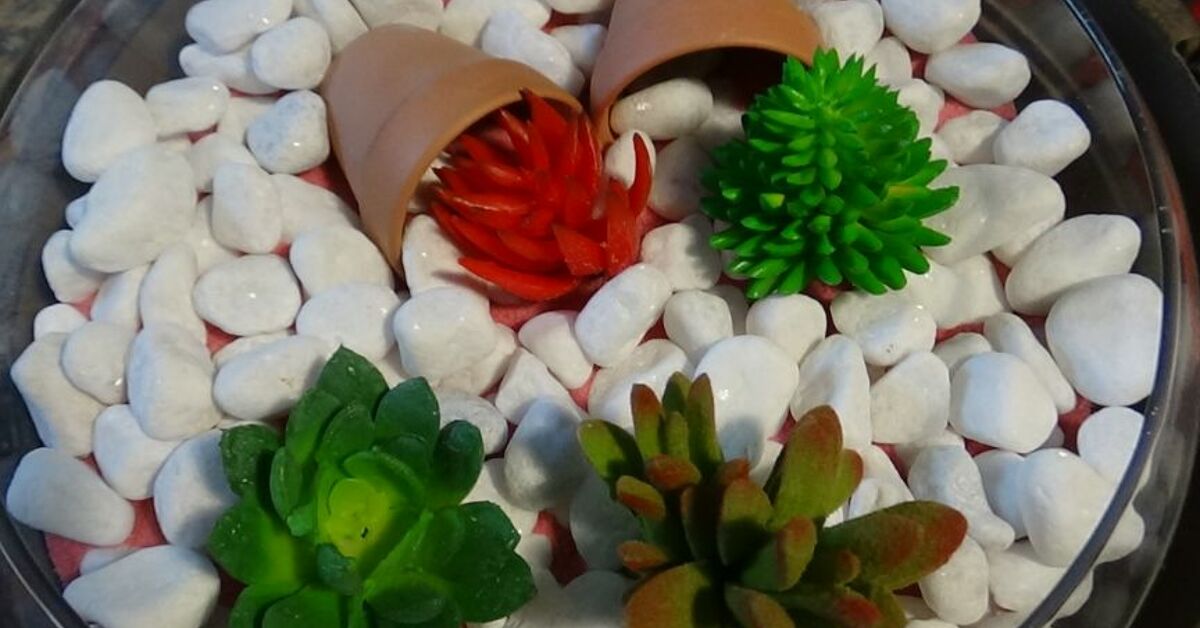
Succulents are the houseplants of the decorating world: stylish, forgiving, compact, and just dramatic enough to make a windowsill look like it hired an interior designer. Whether you live in a sunny apartment, a cozy suburban home, or a “my desk is also my dining table” studio, learning how to decorate with succulents DIY can instantly add texture, color, and life to your space without requiring a full gardening degree or a greenhouse named after your grandmother.
The beauty of succulent decor is that it works almost anywhere. These plants come in rosettes, spikes, trailing strands, powdery blues, lime greens, burgundy tips, and sculptural shapes that look like tiny living art pieces. Even better, most succulents prefer bright light, well-draining soil, and careful watering rather than constant fussing. In other words, they are perfect for people who want beautiful home decor but occasionally forget what day it is.
This guide covers practical, stylish, and beginner-friendly DIY succulent decorating ideas, from tabletop gardens and wall planters to centerpieces, office displays, terrariums, wreaths, and repurposed containers. You will also learn how to choose the right plants, avoid common mistakes, and create arrangements that look polished but still feel personal.
Why Succulents Are Perfect for DIY Home Decor
Succulents are popular for a reason. Their thick leaves and stems store water, which helps them handle dry indoor air better than many delicate houseplants. They also grow slowly, so a well-designed arrangement can stay attractive for months with only light maintenance. That makes them ideal for DIY home decor, especially if you want greenery that does not behave like a needy roommate.
They also suit many design styles. A single echeveria in a matte ceramic pot feels modern and minimalist. A mixed dish garden with sedum, jade, and haworthia feels cozy and organic. A trailing string of pearls on a shelf adds movement to a room. A cactus and succulent combo in a clay pot gives a sunny southwestern vibe. Succulents are flexible enough to look elegant, playful, rustic, or futuristic depending on the container and styling.
Start With the Basics: Light, Soil, Drainage, and Water
Before you start turning teacups, trays, jars, bowls, and forgotten flea-market treasures into succulent displays, it helps to understand the care rules. Beautiful decor is great, but living decor is better. A sad succulent arrangement is still decor, technically, but it gives “abandoned science project” more than “Pinterest-worthy centerpiece.”
Give Succulents Bright Light
Most succulents need bright light to keep their compact shape and vivid color. Indoors, place them near a sunny window, especially one facing south or west if available. If your space has only low light, choose tougher varieties such as haworthia, gasteria, snake plant, or some jade plant types. Even then, rotate the pot every week or two so the arrangement does not lean dramatically toward the window like it heard gossip outside.
Use Fast-Draining Soil
Succulents hate sitting in soggy soil. Use a cactus or succulent potting mix, or improve regular potting mix with coarse materials such as perlite, pumice, lava rock, or coarse sand. The goal is a mix that drains quickly while still holding enough moisture for roots to drink. Dense garden soil is not your friend here. It compacts easily in containers and can keep roots too wet.
Choose Containers With Drainage
For healthy DIY succulent decor, drainage holes matter. A cute container without drainage can still be used, but it requires extra care. The safest method is double-potting: keep the succulent in a plastic nursery pot with holes, then place that pot inside the decorative container. Remove the inner pot to water, let it drain fully, and then place it back. This trick lets you use bowls, mugs, baskets, and decorative cachepots without turning them into tiny swamps.
Water Deeply, Then Let Soil Dry
The best watering method is simple: water thoroughly, let excess water drain, and wait until the soil is dry before watering again. Do not mist succulents as a main watering method. Misting makes the top look damp while roots stay thirsty, and it can encourage problems in crowded arrangements. In cooler months or low-light rooms, water less often because the soil dries more slowly.
DIY Succulent Decorating Ideas for Every Room
Once you know the care basics, the fun part begins. Succulents can decorate shelves, coffee tables, desks, windowsills, patios, entryways, bathrooms with good light, and even vertical surfaces. The key is matching the design to the room’s light level and your maintenance style.
1. Create a Tabletop Succulent Dish Garden
A succulent dish garden is one of the easiest and most satisfying DIY projects. Start with a shallow bowl or low ceramic planter with drainage. Add succulent mix, then arrange plants in odd numbers for a natural look. Use one larger plant as the focal point, such as echeveria, jade, aloe, or agave, then surround it with smaller rosettes, trailing sedum, or compact haworthia.
For a polished finish, add decorative gravel, small stones, or crushed lava rock on top. This top dressing keeps soil from splashing and makes the arrangement look intentional. Think of it as the plant version of putting on shoes before leaving the house.
2. Style a Sunny Windowsill With Mini Pots
A row of mini succulents on a windowsill can brighten a kitchen, bedroom, or home office. Use matching pots for a clean modern look, or mix thrifted containers for a collected, cozy feel. Terracotta is especially useful because it dries faster than plastic and suits succulents beautifully.
Try grouping plants by color. Blue-green echeveria, silvery ghost plant, and pale sedum create a soft desert palette. For contrast, add dark burgundy aeonium or green haworthia with white stripes. Keep enough space between pots so air can move around the leaves.
3. Make a DIY Succulent Centerpiece
A succulent centerpiece is perfect for dining tables, coffee tables, consoles, and holiday displays. Use a long wooden tray, ceramic trough, or shallow rectangular planter. Place taller plants near the center or back, lower rosettes toward the front, and trailing varieties near the edges.
For seasonal styling, add removable accents rather than changing the whole arrangement. In spring, tuck in pastel stones or small ceramic birds. In fall, add mini pumpkins beside the pot, not on top of the soil. During the holidays, use pinecones, ribbon around the container, or tiny ornaments. Keep decorations dry and avoid covering the plant crowns.
4. Build a Vertical Succulent Wall Planter
Vertical succulent planters turn plants into living artwork. You can use a shadow box frame, wall pocket planter, or grid-style vertical garden system. Choose compact, slow-growing succulents that hold their shape, such as echeveria, sempervivum, sedum, and small crassula varieties.
Vertical displays need careful watering because gravity is not subtle. Water the planter flat if possible, let it drain, and then hang it back up. Place it where it gets bright light, but avoid harsh afternoon sun through glass if the plants begin to scorch. A vertical succulent wall looks amazing in an entryway, patio, sunroom, or bright kitchen.
5. Design a Succulent Wreath
A living succulent wreath is a showstopper for a front door, garden gate, or patio wall. It usually starts with a wire wreath frame filled with sphagnum moss and a small amount of succulent mix. Cuttings are inserted into the wreath and allowed to root before hanging.
Use small rosette succulents, sedum cuttings, and trailing pieces for texture. Keep the wreath flat for a few weeks after planting so roots can anchor. Once established, hang it in bright indirect light and water by soaking or gently watering the moss, then letting it drain. It is not the lowest-maintenance project, but it delivers maximum “yes, I made that” energy.
6. Decorate Shelves With Trailing Succulents
Trailing succulents are perfect for shelves, bookcases, hanging planters, and wall brackets. String of pearls, string of bananas, burro’s tail, and trailing sedums soften hard lines and add movement. Place them where the stems can cascade naturally without being bumped every time someone grabs a cookbook.
Use simple containers so the plant shape remains the star. A white ceramic pot, clay planter, or matte black hanging pot can make trailing succulents look stylish without visual clutter. Check the soil carefully before watering because hanging containers often dry differently than tabletop pots.
7. Turn Repurposed Containers Into Succulent Planters
DIY succulent decor is where old objects get a second career. Vintage tins, teacups, wooden boxes, candle jars, colanders, toy trucks, shallow baskets, and even broken pottery can become charming succulent planters. The trick is making them plant-safe.
If you can drill holes, add drainage. If you cannot, use the container as a decorative outer pot and keep the plant in a removable nursery pot. For wooden containers, line the inside with plastic, but leave drainage pathways so water does not collect. For metal containers, avoid leaving them in intense sun because they can heat up quickly and stress the roots.
8. Create a Succulent Terrarium the Smart Way
Succulent terrariums look beautiful, but they need the right setup. Open terrariums are much better for succulents than closed ones because succulents prefer airflow and drier conditions. Use a wide glass bowl, open jar, or geometric glass container. Add a drainage layer, a small amount of charcoal if desired, succulent mix, and then plants.
Keep watering minimal because glass containers usually lack drainage holes. A spoon, squeeze bottle, or small watering can gives better control. Place the terrarium in bright indirect light rather than direct hot sun, which can turn glass into a tiny greenhouse sauna. Succulents are tough, but they do not want to be steamed like dumplings.
9. Make a Desk-Friendly Succulent Display
Succulents make excellent desk decor because they are compact and calming. Choose small, slow-growing plants such as haworthia, gasteria, dwarf jade, or mini echeveria. Place one plant in a clean ceramic pot, or group three mini pots on a tray with a small stone, candle, or pencil cup.
For office spaces with weak natural light, rotate your succulent home to a brighter window every week, or use a small grow light. Avoid placing succulents near heating vents, air-conditioning blasts, or dark corners. A desk succulent should reduce stress, not become another meeting you forgot to prepare for.
10. Decorate Outdoor Patios With Succulent Containers
Outdoor succulent containers are ideal for patios, balconies, porches, and sunny steps. Use large bowls, low planters, urns, or troughs with excellent drainage. Combine upright plants such as aloe or agave with rosette succulents and trailing sedum. The classic container formula “thriller, filler, spiller” works beautifully here: one bold plant, several supporting plants, and something that spills over the edge.
Outdoor arrangements need more attention to weather. Heavy rain can soak containers, so drainage is essential. In cold climates, bring tender succulents indoors before frost. In very hot regions, protect delicate varieties from harsh afternoon sun until they adjust.
Best Succulents for DIY Decorating
Choosing the right plants makes your project easier and more attractive. Some succulents are architectural, some are soft and floral, and others trail like living jewelry. Here are reliable choices for different DIY decor styles.
For Rosette Arrangements
Echeveria, sempervivum, graptopetalum, and graptoveria are excellent for dish gardens, wreaths, and centerpieces. Their symmetrical shapes look like flowers, which makes arrangements feel finished even with only a few plants.
For Modern Minimalist Pots
Haworthia, gasteria, aloe, and snake plant work well in clean ceramic planters. Their strong lines pair nicely with modern furniture, neutral palettes, and simple shelves.
For Trailing Displays
String of pearls, string of bananas, burro’s tail, and sedum morganianum are ideal for hanging baskets and high shelves. Give them bright light and handle them gently because some trailing succulents drop leaves easily.
For Color Contrast
Use jade plant, kalanchoe, aeonium, sedum, and colorful echeveria varieties to bring in red, purple, yellow-green, silver, or blue tones. Color often becomes stronger in brighter light, though sudden intense sun can burn leaves.
Design Tips for Professional-Looking Succulent Decor
You do not need expensive materials to make succulent decor look high-end. Good design comes from proportion, contrast, repetition, and restraint. Translation: do not put every plant you own into one bowl and hope they become friends.
Use Odd Numbers
Groups of three, five, or seven plants often look more natural than even-numbered groupings. Try one large focal succulent, three medium plants, and a few small fillers.
Mix Shapes and Textures
Pair round rosettes with spiky aloe, striped haworthia, trailing sedum, or bead-like string succulents. Texture keeps a monochrome arrangement from looking flat.
Repeat Colors
Repeat a color at least twice in your arrangement. For example, if you use a burgundy-tipped echeveria, add another plant with red edges or a pot with a warm clay tone. Repetition makes the display feel intentional.
Leave Room to Grow
Succulent arrangements look great when planted closely, but do not pack them so tightly that air cannot circulate. Leave small gaps between plants. They may look modest at first, but they will settle in naturally.
Match the Pot to the Room
For modern spaces, choose matte ceramic, concrete, or simple metal cachepots. For farmhouse or rustic rooms, use wood boxes, terracotta, baskets, or vintage tins. For boho decor, try macramé hangers, patterned bowls, and natural stone top dressing.
Common Mistakes to Avoid
Succulents are easy, but they are not magic. Most problems come from too much water, too little light, or containers that prioritize cuteness over survival.
Using Containers Without a Watering Plan
A mug with no drainage can work if you water very carefully, but it is risky. Use a nursery pot inside the mug, or drill a hole if the material allows. Standing water is one of the fastest ways to ruin a succulent arrangement.
Putting Succulents in Dark Corners
Succulents used as decor still need to photosynthesize. A dark bathroom shelf may look great for a week, but over time many succulents will stretch, fade, or weaken. Choose bright spaces or add a grow light.
Watering on a Strict Calendar
Do not water simply because it is Saturday and your phone reminded you. Check the soil first. Temperature, light, pot material, season, and plant size all affect drying time.
Choosing Plants With Different Needs
Do not mix moisture-loving tropical plants with drought-tolerant succulents in the same container. They may look cute together at first, but one of them will eventually file a complaint.
of Practical Experience: What Really Works When Decorating With Succulents DIY
After working with DIY succulent decorating projects, the biggest lesson is that the container matters almost as much as the plant. A beautiful pot can elevate a simple jade plant, but a bad container can quietly sabotage the entire arrangement. The most successful projects usually begin with drainage. When I use containers without holes, I treat them like decorative sleeves rather than true planters. The succulent stays in a smaller pot with drainage, and the pretty container does the visual work. This one habit prevents most overwatering disasters.
Another experience-based tip: start smaller than your ambition. It is tempting to create a huge succulent bowl with twelve varieties, decorative stones, driftwood, moss, and maybe a tiny ceramic frog judging everyone. But beginner projects usually turn out better with three to five plants. A small arrangement is easier to water, easier to move toward better light, and easier to redesign if one plant outgrows the group.
Light is the second major reality check. Succulents are often marketed as “easy indoor plants,” which is true, but easy does not mean they can live happily in a dark hallway. The best-looking indoor displays usually sit near bright windows. When light is limited, I prefer haworthia, gasteria, snake plant, or jade rather than colorful echeveria, which tends to stretch if it does not get enough brightness. For desks and shelves, a small grow light can make the difference between a compact plant and one that starts reaching like it is trying to escape.
For styling, top dressing is the secret weapon. A thin layer of gravel, pumice, crushed rock, or decorative pebbles makes even a budget arrangement look clean and finished. It hides uneven soil, frames the plants, and adds contrast. However, I avoid thick layers of glued stones or heavy decorative coverings because they can trap moisture and make it harder to check the soil.
Repurposed containers work best when they match the plant’s personality. A vintage teacup looks charming with one small rosette. A wooden box looks great with mixed sedum and echeveria. A shallow concrete bowl suits aloe, agave, or sculptural haworthia. The design feels more natural when the plant and container have a shared mood. Soft plant, soft pot. Bold plant, bold pot. Weird plant, weird pot. Succulents are very accepting of creative choices.
Maintenance is also part of the design. Every few weeks, I remove dry leaves from the base of rosette succulents, rotate pots toward the light, and check whether any plant is stretching or crowding the others. This quick tidy-up keeps the arrangement looking fresh. If a plant becomes too tall or awkward, I do not see it as failure. Succulents are easy to refresh with cuttings, offsets, or repotting. A DIY succulent display is not a museum piece; it is living decor. It changes, grows, leans, surprises you, and occasionally drops a leaf for dramatic effect.
The best advice is to decorate with succulents in a way that fits your actual life. If you travel often, choose drought-tolerant varieties in terracotta pots. If you love rearranging shelves, use individual mini pots instead of one large planter. If you enjoy craft projects, try wreaths, wall frames, or handmade clay planters. The perfect succulent display is not the most complicated one. It is the one that looks good, stays healthy, and makes you smile when you walk past it.
Conclusion
Learning how to decorate with succulents DIY is one of the easiest ways to bring natural beauty into your home without overcomplicating your life. With the right light, fast-draining soil, smart containers, and a little design confidence, succulents can become centerpieces, shelf accents, wall art, desk companions, patio highlights, and thoughtful handmade gifts.
The secret is balance. Choose containers that look good but still support plant health. Create arrangements with contrast and breathing room. Water based on soil dryness, not panic or routine. Most importantly, have fun with it. Succulents are wonderfully forgiving design partners. They let you experiment, repurpose, rearrange, and create living decor that feels personal instead of mass-produced.