Microfiber furniture has a funny way of looking both durable and dramatic. One minute it is the reliable, family-friendly couch that survives popcorn, pets, and suspiciously sticky children. The next minute, it is holding onto a water ring like it is preserving a grudge for future generations. The good news is that cleaning microfiber furniture is not hard. The bad news is that it does reward patience and punish chaos. In other words, this is not the time to freestyle with a random spray bottle and big optimism.
If you want your sofa, chair, ottoman, or sectional to look fresh without wrecking the fabric, the trick is to clean it the right way, in the right order, with the right amount of moisture. This guide breaks down exactly how to clean microfiber furniture in 10 practical steps, plus the mistakes to avoid and the real-life lessons people tend to learn after doing it more than once.
Why Microfiber Furniture Needs a Specific Cleaning Method
Microfiber is popular because it is soft, durable, and usually better at resisting everyday messes than many delicate upholstery fabrics. But “resisting messes” does not mean “immune to weird cleaning accidents.” Because the fibers are dense and the surface can show nap changes, microfiber can end up with water marks, stiff patches, or flattened spots when it is over-wet or scrubbed too aggressively.
That is why smart microfiber furniture care starts with restraint. You want light cleaning, not a flood. Spot treatment, not a chemistry experiment. Think less “pressure washer energy,” more “gentle but effective grown-up behavior.”
What You’ll Need
- Vacuum with an upholstery attachment and crevice tool
- Clean white cloths or plain white sponges
- Soft-bristled or stiff-bristled brush, depending on the job
- Mild dish soap
- Warm water
- Spray bottle
- Rubbing alcohol for solvent-safe microfiber
- Baking soda for odors
- Optional: distilled water for a cleaner rinse
How to Clean Microfiber Furniture in 10 Steps
Step 1: Check the cleaning code first
Before you clean anything, find the furniture tag. It is usually under the cushions or attached near the frame. This tiny tag is basically the boss of the whole operation.
Here is what the codes usually mean:
- W: Use water-based cleaners.
- S: Use solvent-based cleaners only.
- SW or WS: Water-based or solvent-based cleaners can be used.
- X: Vacuum only. No water, no solvent, no improvising.
If you skip this step, you are not cleaning. You are gambling. And microfiber is not a forgiving casino.
Step 2: Vacuum every surface before adding moisture
Always start dry. Use the upholstery attachment to vacuum the entire piece, including the arms, seat, back, sides, and cushion seams. Then switch to the crevice tool and dig into the places where crumbs, dust, lint, and mystery debris go to build a second home.
This step matters because rubbing dirt into damp fabric just turns loose grime into muddy grime. Vacuuming first also helps lift pet hair and reduces the amount of scrubbing needed later.
Step 3: Blot fresh spills immediately
If the spill just happened, do not rub it. Blot it with a clean, dry, white cloth. Press gently to absorb as much liquid as possible. Work from the outside of the spill toward the center so you do not spread it farther across the fabric.
Use a white cloth instead of a colored towel. This is not the moment to discover that your navy dish towel also likes to contribute artistically to upholstery.
Step 4: Test your cleaner in a hidden spot
Even if the cleaning code says your plan is safe, test first. Choose an inconspicuous area like the back corner, under a cushion, or along the lower edge of the furniture. Apply a small amount of your cleaner, let it dry, and check for discoloration, stiffness, or changes in texture.
This takes a few extra minutes and can save you from turning one stain into a large, regrettable design feature.
Step 5: Use the right cleaner for the code
Once you know the code, match your cleaner to it.
For W furniture, use a small amount of mild dish soap mixed with warm water. Some people like to whisk the soap into foam and use only the suds, which helps reduce how much moisture lands on the fabric.
For S furniture, use rubbing alcohol or another solvent-based upholstery cleaner approved for the fabric. Rubbing alcohol is a popular choice because it evaporates quickly, which helps reduce the chance of water rings and over-wetting.
For SW or WS, you can usually choose either method, but gentle spot cleaning is still the best place to start.
For X code furniture, stop after vacuuming unless the manufacturer specifically says otherwise. When in doubt, call a professional upholstery cleaner.
Step 6: Clean in small sections and use very little liquid
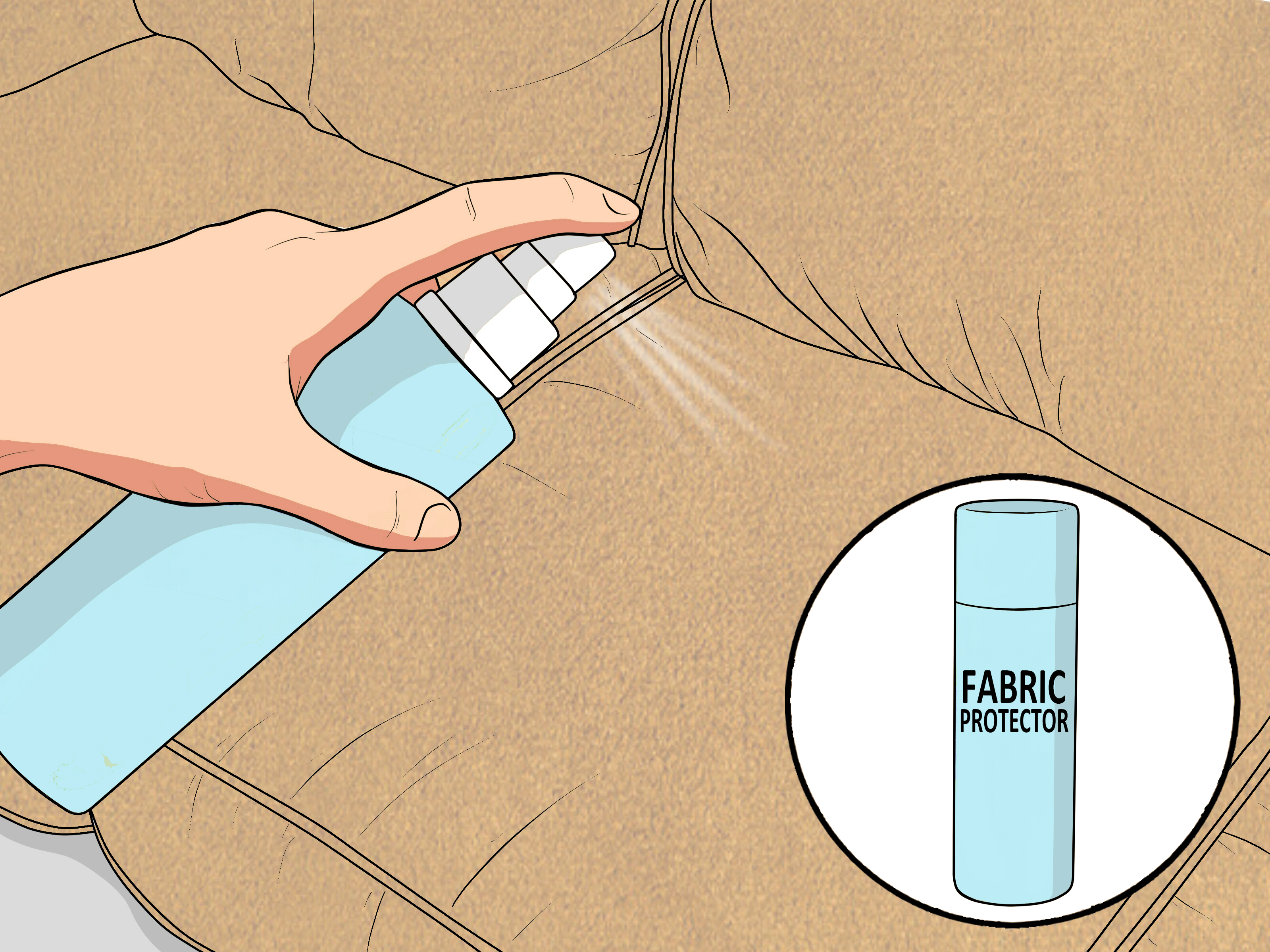
This is the part where good intentions often go off the rails. Do not soak the furniture. Lightly mist the area or apply just the foam or cleaner you need. Clean one small section at a time so you can control the moisture and keep the finish even.
If you are using soapy water on a W-code piece, dip a brush or cloth into the suds and work gently. If you are using rubbing alcohol on S-code microfiber, lightly spray the section and blot or brush it without drenching the fabric.
Minimal moisture is the whole game. Microfiber likes a careful cleaner, not a dramatic one.
Step 7: Blot and brush gently instead of scrubbing like you are mad at it
Use a white cloth, sponge, or soft brush to lift the stain. Gentle circular motions are fine for some spots, but aggressive scrubbing can rough up the fibers and leave the area looking worn. Keep blotting as the soil transfers to the cloth.
If the stain does not disappear on the first pass, repeat the process instead of doubling down with brute force. Microfiber responds better to patience than punishment.
Step 8: Rinse lightly if needed, then let it dry completely
If your water-based cleaner leaves residue, wipe the area with a barely damp cloth. Using distilled water can be helpful if your tap water leaves mineral marks. Do not saturate the fabric during the rinse. The goal is to remove residue, not reenact the original problem with more moisture.
After cleaning, let the furniture air-dry fully. Open windows, turn on a fan, or increase airflow in the room. Skip direct heat unless your manufacturer says it is safe. Too much heat can create stiffness, odor issues, or uneven drying.
Step 9: Brush the nap to restore the texture
Once the microfiber is completely dry, use a clean soft-bristled or white stiff-bristled brush to lift and reset the fibers. This helps the cleaned area blend with the rest of the furniture and restores that soft, velvety look microfiber is known for.
This is the step people skip, then wonder why the couch looks like it survived a minor emotional event. Brush the nap. It makes a visible difference.
Step 10: Deodorize and maintain it so you do not have to deep clean constantly
If the furniture still smells a little tired after drying, sprinkle a light layer of baking soda over the fabric, let it sit for several hours or overnight, and vacuum it thoroughly. This can help absorb lingering odors without over-wetting the piece.
For long-term microfiber furniture care, vacuum weekly, address spills fast, rotate cushions if possible, and avoid eating salsa on a pale beige sectional while feeling overconfident. Preventive maintenance is less glamorous than stain rescue, but it is much easier.
Common Mistakes to Avoid When Cleaning Microfiber Furniture
Using too much water
Over-wetting is one of the fastest ways to end up with rings, streaks, or fabric that dries stiff. Always use less liquid than you think you need.
Ignoring the cleaning code
Not every microfiber piece should be cleaned the same way. Assuming all microfiber is identical is a great way to learn a very annoying lesson.
Rubbing instead of blotting
Rubbing can spread stains deeper into the fabric and distort the surface texture. Blotting is slower, but smarter.
Skipping the spot test
Even safe products can behave differently depending on the fabric finish, dye, and age of the furniture.
Forgetting to brush the fibers after drying
Microfiber often needs a final brush to look normal again. If the furniture feels rough or looks patchy after cleaning, this step is usually the missing piece.
Assuming steam is automatically safe
Some cleaning experts use handheld steamers carefully, but not every manufacturer recommends steam or hot water extraction for upholstered furniture. If your tag or manufacturer guidance is vague, stay conservative.
When to Call a Professional
Sometimes the smartest DIY move is knowing when to stop DIY-ing. Call a professional if your microfiber furniture is marked X, has large or old stains, smells deeply embedded, or has already been cleaned badly and now looks blotchy. Professional upholstery cleaners can evaluate the fiber type, colorfastness, and safest cleaning method before making things worse.
Experience-Based Lessons Homeowners Learn After Cleaning Microfiber Furniture
One of the most common lessons people learn is that microfiber furniture is easier to maintain than to rescue. In real life, the big win comes from small habits. A quick vacuum every week, fast spill cleanup, and a little restraint with moisture usually matter more than any miracle cleaner. Homeowners often discover that their furniture never looked “impossible” until they ignored it for a few months, let crumbs settle into the seams, and gave pet hair tenancy rights. By the time they finally start cleaning, the job feels much bigger than it needed to be.
Another thing people notice pretty quickly is that microfiber can be wildly deceptive. A sofa may look clean at first glance, then a flashlight or sunny window hits it just right and suddenly every spill, handprint, and flattened cushion patch introduces itself. That is why brushing and texture-restoring matter so much. Cleaning the stain is only part of the job. Getting the nap to lie evenly again is what makes the whole piece look refreshed instead of oddly “spot repaired.” It is the upholstery equivalent of washing your hair but forgetting to comb it.
Many people also learn that gentle methods tend to outperform aggressive ones. The first instinct is often to scrub harder, add more cleaner, or repeat the process with more enthusiasm and less judgment. That usually backfires. Microfiber responds better to light passes, repeated blotting, and patient drying. Homeowners who get the best results are often the ones who slow down, work section by section, and accept that two careful rounds of cleaning beat one chaotic round every time.
There is also a surprisingly emotional lesson hidden in microfiber maintenance: color matters. Dark microfiber can hide debris but still trap odors and body oils. Light microfiber shows every little mark but makes it easier to spot spills before they become set-in stains. Families with kids or pets often say the biggest improvement came not from buying expensive products, but from changing routines. Keeping a white cloth nearby, vacuuming under the cushions regularly, banning greasy snacks from the couch zone, and rotating seats all make a real difference over time.
Perhaps the most useful experience-based takeaway is this: microfiber furniture rewards calm, consistent care. It does not need fancy rituals. It needs attention before a small spill turns into a mystery stain with a backstory. People who learn how to clean microfiber furniture properly usually stop fearing the fabric altogether. They realize it is not delicate; it is just specific. Respect the cleaning code, use minimal moisture, brush the fibers back into place, and the furniture stays attractive far longer. Ignore the basics, and even a high-quality sofa starts to look like it has been hosting snack night, movie night, and the dog’s emotional support naps without a break. In other words, microfiber is low drama only when the cleaning routine is high common sense.
Final Thoughts
If you have been wondering how to clean microfiber furniture without leaving streaks, flattening the fabric, or making the stain somehow larger and more confident, the answer is simple: follow the code, vacuum first, clean lightly, and finish with a brush. That is the formula.
Microfiber furniture can stay soft, fresh, and good-looking for years when you treat it with a little discipline and a little patience. And yes, that does mean putting down the soaking-wet rag and stepping away from the idea that “more cleaner” equals “more clean.” Your couch deserves better. So do your nerves.