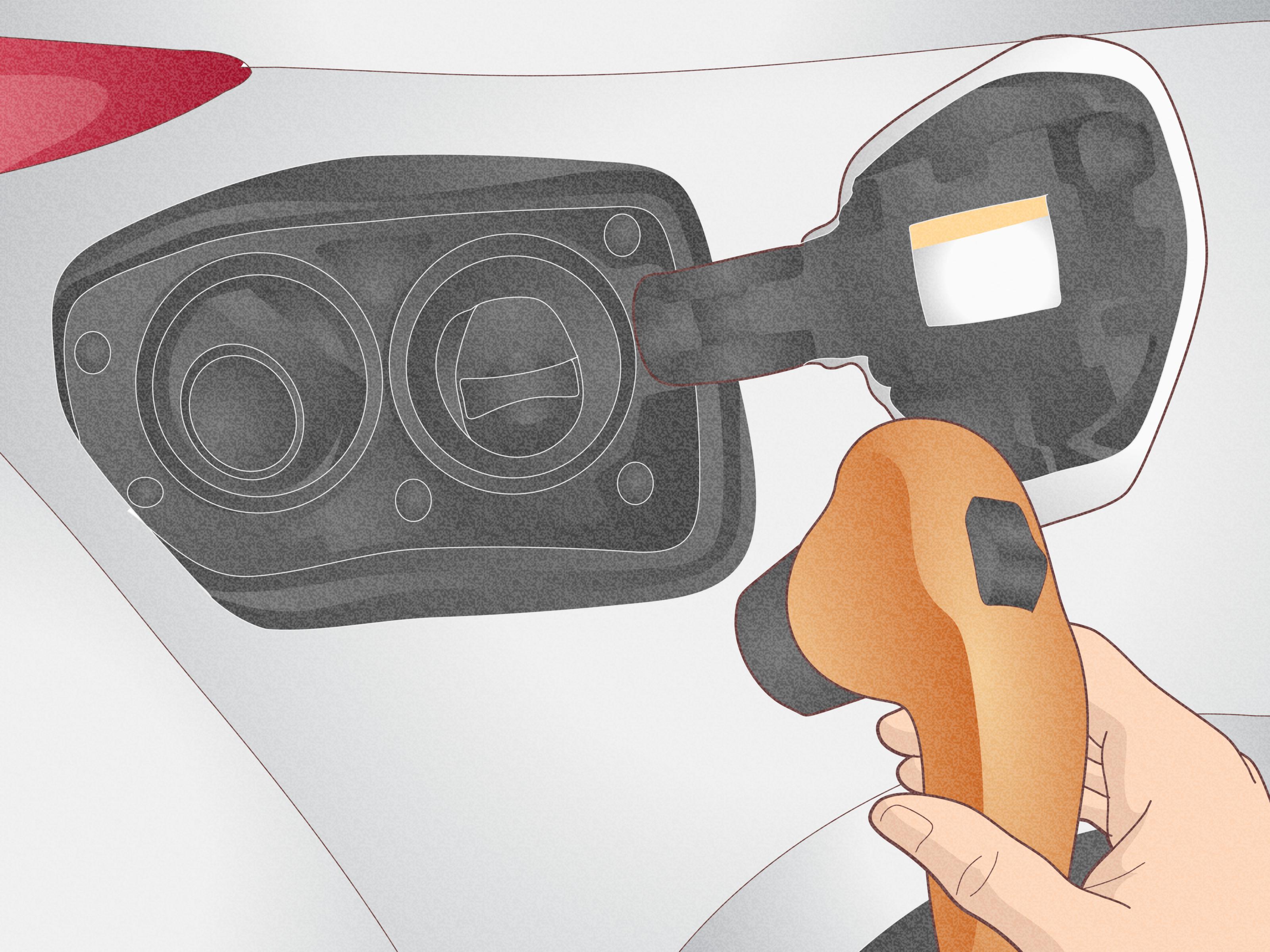
If you’ve ever walked up to your Toyota Prius, pressed the power button, and gotten all the excitement of a sleepy calculator, welcome to the club. Prius battery trouble can feel more confusing than trouble in a regular gas car because a Prius has two different batteries: a small 12-volt auxiliary battery and a separate high-voltage hybrid battery. One can usually be jumped or topped off. The other is not a DIY charging project unless you enjoy flirting with very expensive mistakes.
That distinction is the whole game. In most cases, when people search for how to charge a Prius battery, what they really need is help with the 12-volt battery. That’s the battery that wakes up the electronics, powers control modules, and lets the car boot into READY mode. If that little battery is weak or dead, your Prius can act like it forgot how to be a car. The good news? You can often jump-start it or top it off with a smart charger. The bad news? You should never treat the high-voltage battery like a normal car battery with jumper cables and optimism.
In this guide, we’ll break down how to charge a Prius battery safely, when to jump it, when to use a charger, when to stop playing driveway detective, and when it’s time to call roadside assistance or your Toyota dealer.
First Things First: Which Prius Battery Are We Talking About?
The 12-Volt Auxiliary Battery
This is the small battery that behaves most like a traditional car battery. In a Prius, it powers the computers, lights, locks, accessories, and the systems needed to start the hybrid system. If this battery dies, your Prius may not enter READY mode, even if the hybrid battery is fine.
The High-Voltage Hybrid Battery
This is the larger battery pack that works with the electric motor and gasoline engine. It is charged by the car’s own hybrid system and regenerative braking. In a regular Prius, this battery is not something you plug in, and it is not the battery you jump with cables. If the hybrid battery itself is fully discharged or malfunctioning, that’s typically a professional-service situation.
Translation: if your Prius won’t start, the most common DIY path is to deal with the 12-volt battery, not the hybrid pack.
Signs Your Prius 12-Volt Battery Needs a Jump or a Charge
A weak Prius battery does not always announce itself with dramatic movie-style sparks. Sometimes it just gets weird. Common signs include:
- The car won’t enter READY mode
- Interior lights are dim or flickering
- The dashboard lights up like a holiday display and then gives up
- Door locks, hatch release, or smart key system act flaky
- You hear relays clicking but the car does not boot normally
- The car has been sitting for days or weeks and now feels “dead”
These symptoms often point to a discharged or aging 12-volt Prius battery. Short trips, cold weather, an older battery, leaving a door or hatch ajar, or not driving the car for long stretches can all drain it faster than expected.
Can You Jump a Prius Battery?
Yes, but with one giant asterisk: you are jump-starting the 12-volt battery only. You are not jump-starting the high-voltage hybrid battery. That’s an important distinction because the Prius uses the small battery to power up its systems; once the car goes into READY mode, the DC-DC converter can help recharge the 12-volt battery.
Many Prius models provide a dedicated under-hood jump terminal in the fuse box, even if the 12-volt battery itself is located elsewhere in the vehicle. That makes emergency jump-starting more convenient and usually safer than digging around in the cargo area.
How to Jump-Start a Prius Safely
If your Prius has a dead 12-volt battery, follow a cautious, by-the-book process. Battery mistakes are annoying in a regular car and potentially very expensive in a hybrid.
Step 1: Confirm It’s the 12-Volt Battery
If the car is completely unresponsive or only partially powers up, the 12-volt battery is a strong suspect. If you already have serious hybrid-system warnings, dramatic battery-state swings, or the car still refuses to become READY after a proper jump, the problem may be deeper than a low auxiliary battery.
Step 2: Locate the Jump Point
On many Prius models, the positive jump terminal is under the hood inside the fuse box. Use your owner’s manual to confirm the exact location for your year and trim. This matters because Prius battery locations vary by generation.
Step 3: Use the Correct Cable Order
- Connect the red positive cable to the Prius positive jump terminal.
- Connect the other red end to the donor battery’s positive terminal.
- Connect the black negative cable to the donor battery’s negative terminal.
- Connect the remaining black end to the recommended ground point on the Prius, not randomly to whatever metal part looks emotionally supportive.
Step 4: Start the Donor Vehicle or Power On the Jump Pack
If you’re using another vehicle, start it first. If you’re using a portable jump starter, turn it on according to the manufacturer’s instructions.
Step 5: Start the Prius
Press the brake and push the power button on the Prius. Your goal is to see the READY indicator. In a Prius, silence does not necessarily mean failure; the gasoline engine may not start right away because the car can be READY without engine noise.
Step 6: Disconnect in Reverse Order
Once the Prius is in READY mode, remove the cables in the reverse order you installed them. Be careful not to let clamps touch.
Step 7: Leave the Prius in READY Mode
Let the car remain in READY mode for a while, or take it for a drive. This allows the hybrid system, through the DC-DC converter, to recharge the 12-volt battery. This is not the same thing as “revving the engine to charge the battery,” which is a regular-car habit that does not really apply here.
How Long Should You Leave a Prius On After a Jump?
A Prius should generally remain in READY mode or be driven long enough to give the 12-volt battery a meaningful recharge. A short five-minute victory lap around the parking lot usually is not enough. Think more along the lines of a proper drive or an extended READY session.
That said, if the battery is old or deeply discharged, simply letting the car run may not fully restore it. A jump start gets you going; it does not always solve the underlying battery condition. If the Prius needs repeated jumps, the battery may need a full external charge or replacement.
How to Top Off a Prius 12-Volt Battery with a Charger
If your Prius battery is weak but not completely dead, or if the car has been sitting unused, a smart battery charger can be a better option than jumping it. This is especially useful when you want to recharge the battery more gently and thoroughly.
Use an AGM-Compatible Smart Charger
Many Prius models use an AGM battery for the 12-volt system. That means you should use a charger with the proper AGM setting, not an ancient mystery box charger from the garage shelf that also looks like it once repaired a tractor during the Reagan administration.
Choose the Right Voltage and a Low-Amp Setting
Use a 12-volt charger and a low, steady charge rate when topping off the battery. A smart maintainer or low-amp charger is often the safest choice for a battery that just needs recovery or maintenance.
Connect Carefully
Follow your owner’s manual and the charger instructions. In many cases, owners either connect directly to the 12-volt battery terminals or use the designated under-hood points if appropriate for their model. Make sure the charger is set correctly for AGM if your battery type requires it.
Charge in a Safe Area
Charge the battery in a well-ventilated area, away from open flames, with the car powered off. If you are unsure about battery type, terminal location, or charger settings, stop and verify first. Guesswork is not a recognized automotive repair method.
Jump Start vs. Battery Charger: Which Is Better?
Use a Jump Start When:
- You need the Prius running right away
- The 12-volt battery is too weak to boot the car
- You’re stranded and need emergency help
Use a Charger or Maintainer When:
- The Prius has been sitting and the battery is just low
- You want to top off the battery safely at home
- You store the vehicle for long periods
- You’re trying to avoid repeated low-battery events
In plain English: a jump start is a rescue mission, while a charger is proper recovery and maintenance.
What You Should Never Do
- Do not try to charge the high-voltage hybrid battery with a regular battery charger.
- Do not connect jumper cables to random battery components without verifying the correct points.
- Do not use the wrong charger setting on an AGM battery.
- Do not assume one successful jump means the battery is healthy.
- Do not ignore repeated battery drain. Something may be aging, failing, or drawing power when the car is off.
When a Prius Battery Needs Replacement Instead of a Charge
Sometimes a battery doesn’t need encouragement. It needs retirement.
If your Prius 12-volt battery keeps going flat, struggles after being charged, or needs frequent jump-starts, replacement may be the smarter move. Many 12-volt batteries last somewhere in the three- to five-year range, though climate, usage patterns, and storage habits can shorten or extend that life.
Battery replacement is also worth considering if:
- The battery tests weak after charging
- You notice corrosion, swelling, or case damage
- The Prius sits unused often and never seems to recover fully
- The car behaves better after a jump, then quickly goes back to being uncooperative
What If the Hybrid Battery Is the Problem?
If the Prius enters READY mode after a jump and behaves normally, the 12-volt battery was probably your main issue. If it still refuses to start correctly, or if you see ongoing hybrid warnings, poor fuel economy, major swings in battery charge level, or other drivability issues, the hybrid battery or hybrid system may need diagnosis.
This is where DIY bravado should calmly exit the building. Toyota’s hybrid battery is high-voltage equipment, and diagnosis or service should be left to trained professionals. The good news is that Toyota’s hybrid battery warranty coverage is generous on newer hybrids, which can make that conversation less painful than expected.
How to Prevent Prius Battery Problems in the Future
Drive the Car Regularly
Prius batteries do not love being ignored. Long periods of sitting can drain the 12-volt battery.
Use a Battery Maintainer for Storage
If the car will sit for an extended time, a smart battery maintainer can help keep the 12-volt battery healthy without overcharging it.
Close Doors and the Hatch Fully
A partially latched hatch or an interior light left on can slowly drain the battery. It’s a silly way to get stranded, but it is also a surprisingly common one.
Pay Attention to Age
If your battery is several years old, don’t be shocked if winter or a few days of inactivity suddenly expose its weakness.
Get the Battery Tested
If you’ve had one low-battery incident, testing the battery can help you decide whether you’re dealing with a one-time discharge or a battery that is already on borrowed time.
Final Thoughts: The Smart Way to Charge a Prius Battery
When people ask how to charge a Prius battery, the answer is usually about the 12-volt battery, not the high-voltage hybrid pack. If that 12-volt battery is dead, a proper Prius jump start can get you back into READY mode. If it’s just weak, a smart AGM-compatible charger can top it off more gently. If it keeps dying, replace it before it turns your reliable hybrid into a very efficient lawn ornament.
The Prius is not difficult once you know its battery rules. Respect the difference between the two batteries, follow the correct jump points, use the right charger, and avoid improvising with high-voltage components. Your Toyota will appreciate it, and so will the version of you who doesn’t want to explain to a tow truck driver that “I thought I was charging the big one.”
Real-World Experiences with Charging a Prius Battery
One of the most common Prius-owner stories goes like this: the car was parked for a week, everything seemed normal before that, and then one morning the dashboard acted like it had stage fright. Maybe the dome lights came on weakly. Maybe the hatch wouldn’t open properly. Maybe the power button was pressed three times with the same hopeful expression people use when tapping a frozen phone screen. In many of these real-life cases, the issue turned out not to be the hybrid battery at all, but a tired 12-volt battery that had quietly run out of energy.
Another frequent experience happens in colder weather. Owners who rarely think about the 12-volt battery all year suddenly find that the first chilly morning exposes every weakness it has been hiding. The Prius may seem especially confusing here because the gasoline engine does not always crank in the familiar way of a conventional car. Drivers often assume something is wrong with the hybrid system because the symptoms feel different. Then the battery gets jumped correctly, the READY light appears, and the car behaves like nothing happened. It is a humbling moment. The car is calm. The owner is drinking coffee with trust issues.
There are also plenty of stories from owners who learned the hard way that a jump start is not the same as a cure. They get the Prius running, drive it, park it overnight, and the next day the problem returns. That usually points to an aging 12-volt battery that can still be revived briefly but no longer holds a healthy charge. In that situation, topping it off with a smart charger may buy a little time, but it often becomes clear that replacement is the real fix. The lesson is simple: if a Prius needs multiple jumps in a short period, the battery is sending a message, and the message is not “ignore me and hope.”
Some owners have better luck by using a battery maintainer when the car sits for long stretches. This comes up a lot with second vehicles, travel schedules, or work-from-home routines where the Prius no longer gets daily use. A smart maintainer can prevent that unpleasant surprise where the car is mechanically fine but electronically too drained to boot up. For many people, this is the easiest long-term habit change: drive the Prius regularly, or keep the 12-volt battery maintained if it must sit.
And then there’s the classic Prius moment: someone hears “battery problem” and assumes the expensive hybrid pack is doomed. In reality, countless owners discover that the fix is the much smaller and less dramatic 12-volt battery. That doesn’t make the inconvenience fun, but it does mean the situation is often far more manageable than feared. The biggest real-world takeaway is that Prius battery issues feel mysterious until you learn the split between jumping the 12-volt battery and leaving the hybrid battery to the car and the professionals. Once that clicks, the whole subject becomes much less intimidating.