Changing your style is not about waking up one morning, throwing away everything you own, and deciding you are suddenly a mysterious person who only wears linen, silver rings, and emotionally complicated sunglasses. A real style change is more practicaland much more fun. It is about understanding what makes you feel confident, editing what no longer fits your life, and building a wardrobe that actually works when Monday morning arrives and your coffee has not.
Whether you want to look more polished, more creative, more mature, more relaxed, or simply more like yourself, learning how to change your style starts with intention. Trends can inspire you, but they should not boss you around like a tiny fashion dictator living in your closet. Your personal style should match your body, budget, lifestyle, personality, and daily routine.
This guide walks you through 12 practical steps to refresh your look without panic shopping, identity confusion, or buying a neon jacket you will wear once and then avoid eye contact with forever.
1. Start With Your Style Goal
Before you buy anything, ask yourself one simple question: Why do I want to change my style? Maybe your current wardrobe feels outdated. Maybe you started a new job, moved to a new city, changed your body, entered a new life stage, or finally admitted that your “temporary” college hoodie has been running your personal brand for eight years.
Your reason matters because it shapes your direction. Someone who wants a professional wardrobe needs different pieces than someone who wants a bold weekend look. Write down three words you want your new style to express. Examples include “classic, comfortable, modern,” “creative, colorful, confident,” or “minimal, clean, elegant.” These words become your style filter.
2. Audit Your Current Wardrobe Honestly
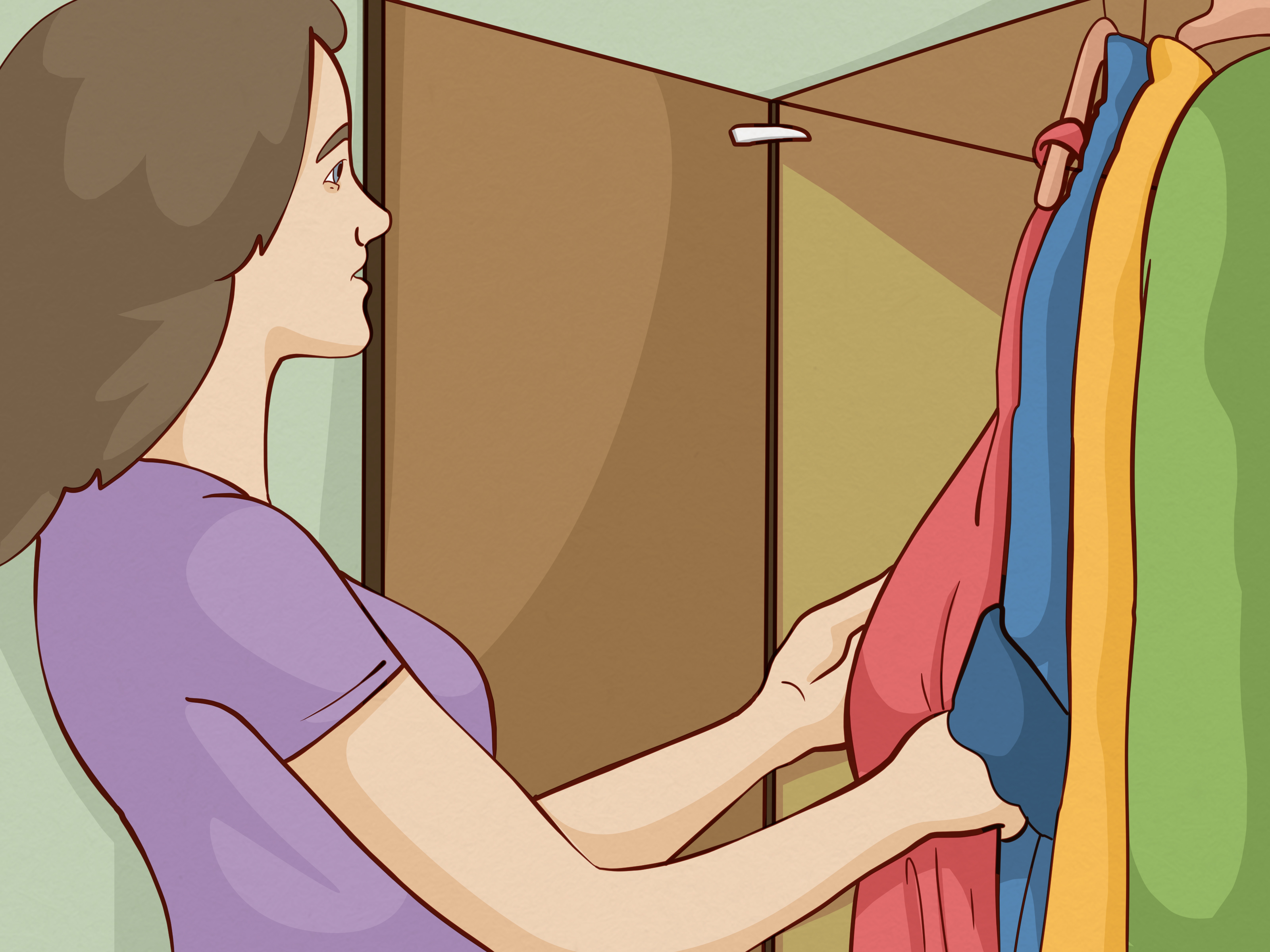
A style change begins in your closet, not at the mall. Pull out your clothes and sort them into four groups: keep, tailor, donate or sell, and maybe. Be honest but not cruel. The goal is not to punish yourself for past fashion decisions. We all have a shirt that seemed “interesting” under fluorescent store lighting.
Keep pieces that fit well, feel good, and match your new direction. Tailor items that are close but not quite right. Donate or sell clothes that are damaged, uncomfortable, outdated beyond rescue, or connected to a version of yourself you no longer want to dress as. Put the “maybe” items in a box for 30 days. If you do not miss them, they probably do not belong in your new style.
3. Identify What You Actually Wear
Your laundry basket is a surprisingly honest style consultant. The clothes you wash most often are usually the clothes you love, rely on, and feel comfortable wearing. Look at your repeat outfits. Are they mostly jeans and relaxed tops? Tailored pants and button-down shirts? Dresses? Sneakers? Neutrals? Prints?
Instead of building a fantasy wardrobe for an imaginary life, build around your real habits. If you work from home, own three dogs, and walk everywhere, a closet full of delicate dry-clean-only pieces may not be your best investment. If you attend meetings every day, elevated basics and sharp layers will serve you better than a drawer full of vacation shirts.
4. Create a Visual Style Board
Collect outfit inspiration from fashion magazines, Pinterest, Instagram, retailer lookbooks, street style photos, or stylish people you know. Do not copy every look exactly. Instead, look for patterns. Are you saving wide-leg pants, leather jackets, soft cardigans, monochrome outfits, bright accessories, vintage denim, or sleek black dresses?
After saving 30 to 50 images, study them like a detective in a very chic crime drama. Notice colors, shapes, fabrics, shoes, accessories, and overall mood. This helps you move from vague ideas like “I want to dress better” to specific direction like “I like relaxed tailoring, neutral colors, structured bags, and clean sneakers.” That is useful. That is shoppable. That will not lead you into a glitter jumpsuit unless glitter jumpsuits are truly your destiny.
5. Choose Your Core Color Palette
A strong personal style often has a repeatable color palette. This does not mean you must dress like a beige oatmeal commercial. It means choosing colors that mix well and make outfit building easier.
Start with two or three base colors, such as black, navy, gray, white, cream, denim blue, brown, or olive. Then add two accent colors that make you feel alive. Maybe that is red, cobalt, blush, emerald, lavender, or mustard. When your colors work together, your wardrobe suddenly feels bigger because more pieces can be combined.
If you are unsure where to begin, notice which colors get you compliments and which ones make you look tired. Also pay attention to your lifestyle. A person who spills coffee twice a week may want to treat white pants as an extreme sport.
6. Learn Which Silhouettes Make You Feel Good
Silhouette is the shape clothing creates on your body. It matters more than the brand name on the tag. Some people feel amazing in high-waisted trousers and tucked shirts. Others prefer flowy dresses, cropped jackets, straight-leg jeans, oversized blazers, fitted knits, or relaxed linen pants.
Try on different shapes and take mirror photos. Photos help because they show proportion more clearly than a quick glance. Ask yourself: Do I like this length? Does this neckline work for me? Do I feel comfortable moving, sitting, and living in this outfit?
The best silhouette is not the one a trend report declares “in.” It is the one that makes you stand taller, smile accidentally, and stop tugging at your clothes every five seconds.
7. Build a Better Basics Collection
Basics are the quiet heroes of a successful wardrobe. They are not boring; they are the stage crew making sure the fashion show does not collapse. Depending on your lifestyle, strong basics may include well-fitting jeans, plain T-shirts, button-down shirts, neutral sweaters, a blazer, comfortable trousers, simple dresses, clean sneakers, loafers, ankle boots, and a jacket you can wear with almost everything.
When changing your style, upgrade the basics first. A crisp white shirt, flattering jeans, polished shoes, and a versatile jacket can make old pieces look new. Choose quality where it counts: fabric, fit, seams, and comfort. You do not need designer everything. You need clothes that survive real life without looking defeated after two washes.
8. Add Statement Pieces Slowly
Once your basics are working, add personality. Statement pieces are items that make an outfit memorable: a patterned coat, bold earrings, colorful sneakers, a vintage belt, a dramatic skirt, a graphic tee, a leather jacket, or a bag in a surprising color.
The trick is balance. If every item is shouting, your outfit may look like five different personalities arrived at brunch and none of them coordinated. Pair one statement piece with quieter basics. For example, wear a bright blazer with jeans and a white tee, or style patterned pants with a simple black sweater. This approach lets your new style feel expressive without becoming costume-like.
9. Pay Attention to Fit and Tailoring
Fit can transform an outfit faster than any trend. A $40 pair of pants that fits beautifully often looks better than expensive pants that sag, pinch, drag, or mysteriously create shapes no human requested.
Learn your key measurements and understand what can be altered. Hemming pants, shortening sleeves, taking in a waist, or adjusting a dress can make clothes look custom. Tailoring is especially useful for thrifted or sale items. Before rejecting a piece, ask whether a small alteration could fix the problem.
Also remember that comfort is part of fit. If you cannot breathe, sit, walk, reach, or eat tacos in it, the item is not “aspirational.” It is fabric-based betrayal.
10. Refresh Shoes, Hair, and Accessories
Your style is not only clothing. Shoes, bags, jewelry, glasses, hair, grooming, and even nail color influence your overall look. Sometimes you do not need a whole new wardrobe; you need better finishing touches.
Clean sneakers, polished loafers, sleek boots, or modern sandals can instantly update outfits. A structured bag can make casual clothes look intentional. Simple jewelry can add polish, while bold accessories can give personality to minimal outfits. A new haircut or updated grooming routine can also make your existing clothes feel fresh.
Think of accessories as seasoning. You do not need to pour the entire spice cabinet on the soup. Just enough makes everything better.
11. Shop With a Plan, Not a Mood Swing
Impulse shopping is how many closets become museums of regret. Before buying anything, make a list based on your wardrobe gaps. Maybe you need dark jeans, comfortable work shoes, a casual jacket, two better T-shirts, or a dress for dinners. Shop for those items first.
Use the “three outfit rule”: before buying a piece, imagine at least three outfits you can create with clothes you already own. If you cannot style it three ways, pause. It may still be worth buying, but it should not sneak into your closet pretending to be practical.
Also consider secondhand stores, consignment shops, clothing swaps, and resale platforms. They are great for experimenting with style at a lower cost and reducing waste. For new purchases, read labels carefully, especially when brands make sustainability claims. Vague words sound nice, but specific information about materials, care, durability, and production is more useful.
12. Test Your New Style in Real Life
A new style needs a test drive. Wear your updated outfits to work, dinner, errands, travel, dates, school, or whatever your normal life includes. Notice how you feel. Do you move easily? Do you feel confident? Are you getting dressed faster? Are you still reaching for the same old sweatshirt because your new clothes are secretly uncomfortable?
Style change is a process, not a dramatic movie makeover with perfect lighting and a best friend clapping in the background. Adjust as you go. Keep outfit photos of looks you love. Note what does not work. Repeat the combinations that make you feel good. Personal style becomes stronger through use.
Common Mistakes to Avoid When Changing Your Style
Changing Everything Overnight
A complete overnight transformation can feel exciting, but it often leads to waste and confusion. Start with small updates and build gradually. Your wallet and closet will both breathe easier.
Copying Someone Else Exactly
Inspiration is helpful. Imitation can feel hollow. Adapt ideas to your body, budget, climate, job, and personality. Your style should look like you, not like you were kidnapped by an influencer’s shopping cart.
Ignoring Comfort
If an outfit looks amazing but makes you miserable, you will not wear it. Choose pieces that support your real life. Confidence grows faster when your clothes are not actively plotting against you.
Buying Only Trends
Trends can be fun, but they should be accents, not the foundation. Build your wardrobe around versatile pieces first, then add trend-driven items selectively.
Style Change Experiences: What Actually Happens When You Refresh Your Look
Changing your style often feels awkward at first. That is normal. The first time you wear something outside your usual comfort zonea blazer instead of a hoodie, red lipstick instead of lip balm, wide-leg pants instead of skinny jeansyou may feel as if everyone has received an emergency alert about your outfit. They have not. Most people are busy thinking about their own hair, inbox, lunch, or whether they left the oven on.
One common experience is realizing that style confidence comes after action, not before it. Many people wait until they feel brave enough to wear something new. In reality, bravery often arrives after you wear it three or four times. The first outing may feel strange. The second feels easier. By the fifth, it becomes part of you. This is why testing your style in low-pressure situations helps. Wear the new boots to coffee before wearing them to an important event. Try the bold jacket on a casual weekend. Let your nervous system meet your new wardrobe politely.
Another experience is discovering that small changes can create a big identity shift. A person may start by swapping worn-out sneakers for clean leather ones, then realize their jeans look sharper, their jacket looks more intentional, and their entire outfit suddenly says “I have plans” instead of “I lost a fight with my laundry pile.” A better haircut, a signature watch, a tucked shirt, or a good belt can have the same effect. Style change does not always require a full closet replacement.
People also learn that compliments are useful but not the final judge. Sometimes the outfit that gets the most attention is not the one that feels most authentic. Maybe everyone loves your bright printed shirt, but you feel more powerful in simple black, denim, and silver jewelry. Listen to feedback, but pay closer attention to your own energy. The right style should make you feel more present, not like you are performing in someone else’s costume.
Budget is another real-life factor. Many people assume they need to spend a fortune to change their style, but the smartest updates often come from editing, tailoring, and recombining. A closet cleanout can reveal forgotten pieces. A tailor can rescue pants that almost work. A thrift store can help you test a new aesthetic before investing more. The goal is not to own more clothes. The goal is to own better options for your actual life.
Finally, changing your style can affect how you carry yourself. Clothes do not magically solve every problem, but they can support the version of yourself you are becoming. Dressing with intention can make mornings smoother, meetings less intimidating, dates more relaxed, and ordinary errands slightly more cinematic. Will a good jacket make you emotionally invincible? No. But it may help you stand a little taller while buying toothpaste, and honestly, that counts.
Conclusion
Learning how to change your style is not about chasing every trend or copying someone else’s closet. It is about building a wardrobe that reflects who you are now and where you are going next. Start with your goals, edit your closet, study what you already wear, choose colors and silhouettes that work, upgrade your basics, add personality, and shop with intention.
The best personal style is practical enough for real life and expressive enough to feel like you. It should help you get dressed with less stress and more confidence. And if you make a few questionable fashion choices along the way, congratulationsyou are participating in the ancient human tradition of learning through pants.