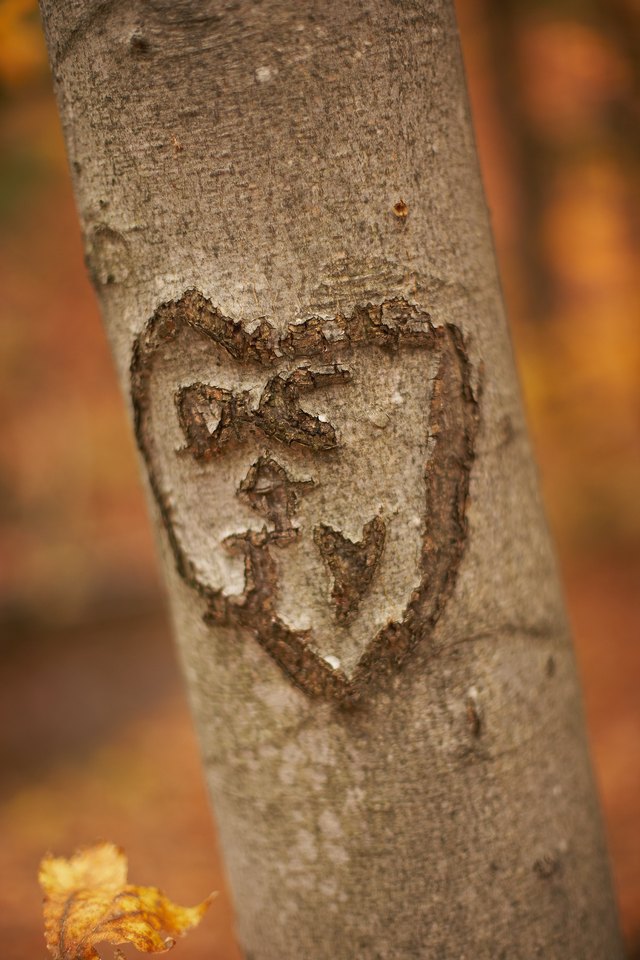
Carving a heart into a tree sounds romantic in the same way old movies make running through airports look romantic: dramatic, memorable, and slightly more complicated than anyone admits. The image is familiartwo initials inside a heart, a date underneath, and a tree standing there like nature’s guestbook. But here is the plot twist: carving into a living tree is usually not the sweet love note people imagine. It is more like giving the tree a permanent scratch it never asked for.
So, how do you carve hearts in a tree? The best answer is: you do not carve into a living tree. Instead, you create the look, the memory, and the meaning without damaging bark, breaking rules, or turning a beautiful trunk into outdoor graffiti. This guide explains why tree carving is harmful, what people often misunderstand about bark, and how to make a heart-themed tree keepsake in safer, legal, and more creative ways.
Think of this as the upgraded version of the classic carved-heart idea: same romance, less tree trauma, fewer awkward conversations with park rangers.
Why People Want to Carve Hearts in Trees
The carved heart has been a symbol of affection for generations. It is simple, visual, and nostalgic. People associate it with first love, childhood summers, quiet forest walks, and the idea of leaving a mark that says, “We were here.” That emotional pull is powerful. A heart on a tree feels more personal than a photo and more permanent than a text message that gets buried under delivery notifications and group chats.
The problem is that “permanent” is exactly the issue. A carved tree does not reset. It cannot wipe the slate clean. Even if the mark becomes less visible as the tree grows, the wound can remain inside the trunk. What looks like a small romantic gesture on the outside can become an entry point for insects, fungi, bacteria, and decay. Trees are tough, but they are not wooden notebooks.
Can You Carve a Heart Into a Living Tree?
Technically, yes, a person can cut into bark. But practically, legally, and ethically, carving into a living tree is a bad idea. Bark is not decoration. It is the tree’s protective outer layer. Under that bark are living tissues that help move water, sugars, and nutrients. When bark is cut or peeled away, the tree must spend energy sealing off the injury instead of growing normally.
Unlike human skin, trees do not truly “heal” by replacing damaged tissue with identical new tissue. They seal and compartmentalize wounds. In plain English: the tree walls off the injured area and grows around it. The original damaged tissue is still damaged. That little heart may look cute, but the tree may experience it as a long-term structural problem.
On public land, carving trees can also be treated as vandalism. National parks, national forests, state parks, city parks, school campuses, and private properties often prohibit damaging trees. Even if no one is standing nearby with a clipboard and a stern eyebrow, the rule is simple: if the tree is not yours and you do not have clear permission, do not mark it.
What Happens When You Carve Into Bark?
To understand why carving hearts in trees is harmful, picture bark as a tree’s jacket, security system, and plumbing protection all rolled into one. It protects the inner living layers from weather, pests, disease organisms, and physical injury. When that protection is broken, several things can happen.
1. The Tree Gets a Wound
A carving cuts through bark and may expose sensitive tissues beneath it. The tree then has to respond by forming wound tissue around the injury. This response takes energy. A healthy mature tree may survive a small wound, but survival does not mean the action was harmless. A scraped knee may not ruin your week, but that does not mean you should schedule one for fun.
2. Insects and Disease Can Move In
Open bark wounds can create entry points for wood-decaying fungi, bacteria, and insects. Some pests are especially attracted to stressed or injured trees. Once decay begins inside a trunk or branch, it can be difficult or impossible to reverse. The outside of the tree may look fine while internal damage slowly develops.
3. Growth Can Be Disrupted
The layers beneath bark help transport water and nutrients. Damage to those layers can interrupt the tree’s internal flow. If injury wraps too far around the trunk, the tree can become girdled, which may eventually kill it. A small heart may not circle the trunk, but repeated carvings from multiple visitors can add up quickly.
4. The Mark Encourages More Damage
One carved heart often becomes an invitation. Someone sees it and thinks, “Cute, I should add ours.” Soon the tree looks less like a symbol of love and more like a bathroom stall with leaves. In popular parks and hiking areas, repeated carving can damage many trees and change the experience for everyone else.
The Legal Side: When “Cute” Becomes Vandalism
Tree carving is not just a tree-care issue. It can also be a property and public-land issue. In national parks, damaging natural features is generally prohibited. In national forests, many official outdoor ethics pages specifically warn visitors not to carve, chop, or damage living trees. State parks and local parks often have similar rules.
Private property is not a free-for-all either. Carving a tree in someone else’s yard, farm, campground, wedding venue, or orchard can be considered property damage. Even if your design is a masterpiece worthy of a tiny woodland museum, permission matters.
The easiest rule: if the tree is alive, leave it alone. If it is public, protected, historic, or belongs to someone else, definitely leave it alone. Your future self will appreciate not having a romantic anniversary story that begins with, “So then the ranger appeared…”
How to Make a Heart on a Tree Without Hurting It
Good news: you can still create a beautiful tree-heart moment without cutting living bark. In fact, the alternatives often look better in photos and are much easier to personalize. The goal is to capture the feeling of the carved heart, not the injury.
Use a Removable Wooden Tag
A small wooden tag can be engraved, painted, or printed with initials, a date, or a short message. Tie it loosely to a branch with soft natural twine, making sure it does not tighten around the branch as the tree grows. For public places, skip attaching anything unless the rules clearly allow it. For your own yard, a tag can create the carved-heart look without touching the bark.
Create a Photo Prop
Cut a heart shape from cardboard, wood veneer, or craft paper and hold it near the tree for a photo. Add initials or a date to the prop. The result gives you the “heart in a tree” vibe, but the tree remains completely unharmed. Bonus: you can redo the photo if your hair chooses chaos that day.
Plant a Tree Instead
If the heart represents love, friendship, family, or a milestone, planting a tree is far more meaningful than carving one. Choose a species suited to your region, plant it correctly, water it during establishment, and add a small nearby plaque or garden marker. Years later, the growing tree becomes the memory.
Use a Garden Marker or Ground Stake
For a backyard, a small stake near the tree can hold a heart-shaped sign. Add names, a date, coordinates, or a short phrase. Place it in the soil nearby rather than attaching it tightly to the trunk. This keeps the tree healthy and gives the display a polished look.
Make a Keepsake From Fallen Wood
A fallen branch, reclaimed wood slice, or store-bought craft blank can become a heart keepsake. This is the best choice if you want something physical and rustic. Because the wood is no longer part of a living tree, decorating it does not create a wound. For any cutting, engraving, or tool-based work, use a safe craft environment and appropriate adult or professional help.
Best Tree-Friendly Heart Ideas
Here are a few creative ideas that work well for couples, families, weddings, engagement shoots, anniversaries, and nature-themed gifts.
Heart-Shaped Hanging Ornament
Create a lightweight heart ornament with names and a date, then hang it loosely for a short photo session. Remove it afterward. This is perfect for backyard celebrations, garden parties, or anniversary photos.
Custom Engraved Plaque Near the Tree
A small plaque placed near the base of a tree can tell a story without touching the bark. It might say “Planted for our first home,” “Family tree, 2026,” or “Love grows here.” It is sentimental without being destructive.
Digital Tree Carving Effect
Take a photo of the tree and add a carved-heart effect digitally. This gives you the classic look while keeping the real tree untouched. It is also easier to adjust the design, colors, and text. Nature stays safe; your photo still gets the charm.
Painted Stone Heart
Place a painted stone near a backyard tree or garden bed. Use weather-safe paint and keep it on private property. A heart stone can be moved, updated, or replaced without affecting the tree.
If a Tree Is Already Carved, What Should You Do?
If you find an existing carving on a tree, do not try to “fix” it by cutting more bark, peeling the area, filling it with random sealants, or painting over the wound. Tree wound care is not the same as patching a wall. Many wound dressings do not prevent decay and may trap moisture, depending on the situation.
For a tree on your property, the best first step is to monitor its health. Look for signs such as peeling bark around the wound, soft or sunken areas, mushrooms near the trunk, unusual sap flow, dead branches, early leaf drop, or insect activity. If the tree is valuable, large, near a home, or showing decline, contact a certified arborist.
For a tree in a public park or protected area, report fresh vandalism to park staff or the managing agency. Do not confront people directly if the situation feels unsafe. A quiet report is more useful than a dramatic forest showdown.
How to Talk About Tree Carving With Kids or Teens
Many people first learn about carved hearts as children. They see them in cartoons, old photos, movies, or even on real trees during hikes. Instead of only saying “don’t do that,” explain why. Bark protects a tree. Cutting it creates a wound. The mark does not wash off. Other people may copy it. A simple explanation helps turn the moment into a lesson about respect for nature.
A fun replacement activity is to make a “forest promise” card, a heart-shaped leaf rubbing, or a nature journal page. Kids still get a creative memory, but they also learn that loving nature means not treating it like a craft supply cabinet.
SEO-Friendly Answer: How Should You Carve Hearts in a Tree?
If you are asking how to carve hearts in a tree because you want a romantic symbol, the best method is to create the heart on something removable, dead, reclaimed, or digitalnot on a living trunk. The safest and most responsible version looks like this:
Choose a tree you are allowed to photograph. Create a separate heart-shaped sign, ornament, plaque, or digital design. Personalize it with initials, a date, or a short message. Place it near the tree temporarily or install it nearby only on private property with permission. Take the photo, enjoy the memory, and leave the tree exactly as healthy as you found it.
That approach gives you the story without the scar.
Common Mistakes to Avoid
Mistake 1: Thinking Small Cuts Do Not Matter
Small wounds can still stress a tree, especially if the tree is young, thin-barked, already stressed by drought, or repeatedly damaged. A tiny carving may seem harmless, but trees respond to wounds internally.
Mistake 2: Carving Public Trees
Public trees belong to everyone. Carving them damages shared spaces and can violate park rules. A tree in a national forest, state park, school, sidewalk planting strip, or hiking area is not a personal message board.
Mistake 3: Using Wound Paint as a “Solution”
Many people assume that painting or sealing a tree wound makes it better. In many cases, trees are better left to compartmentalize naturally, and unnecessary coatings may not help. When in doubt, ask a qualified arborist.
Mistake 4: Attaching Something Too Tightly
Even tree-friendly decorations can become harmful if tied tightly around a trunk or branch. As the tree grows, string, wire, or straps can cut into bark. Use loose, temporary displays and remove them after the event.
Experience Notes: What I Learned From the “Carved Heart” Idea
The first time many people notice a carved heart in a tree, it feels oddly magical. It might be on a quiet trail, behind an old school, near a campground, or at the edge of a neighborhood park. The heart is usually uneven. The initials may be crooked. The date may be half-swallowed by new bark. Somehow, that makes it feel even more emotional, as if the tree has been holding a secret for years.
But after learning more about trees, that feeling changes. You start noticing the wound, not just the message. The carved lines are not ink; they are injuries. On some trees, the bark around old carvings looks swollen or cracked. On others, the mark has stretched into a strange shape as the trunk expanded. What once looked like romance begins to look like a reminder that people often confuse “leaving a memory” with “leaving damage.”
A better experience is creating a heart memory beside a tree instead of inside it. For example, imagine a couple taking anniversary photos under a maple in their backyard. Instead of carving the trunk, they bring a small wooden heart with their initials painted on it. They hang it loosely for ten minutes, take photos, laugh because the dog refuses to sit still, and then bring the ornament inside. The tree remains healthy. The ornament becomes a keepsake. The photos still carry the feeling.
Another meaningful approach is planting a tree for a milestone. A newly married couple, a family welcoming a child, or friends celebrating graduation can plant a young native tree and place a small marker nearby. Over time, the tree grows with the memory. That is far more powerful than cutting a mark into an older tree that was already doing perfectly fine before humans arrived with big feelings and questionable decision-making.
There is also something beautiful about temporary art. A heart made from fallen leaves at the base of a tree, a chalk heart on a nearby path where allowed, or a photo edited later can feel just as special. Temporary does not mean meaningless. Sunsets are temporary. Birthday candles are temporary. A perfect cup of coffee is tragically temporary. Yet we still enjoy them.
The best lesson from the carved-heart tradition is not that we should keep cutting trees. It is that people want their memories to feel rooted. Trees symbolize time, growth, patience, and connection. Those are wonderful things to celebrate. We just do not need to injure the symbol to honor the feeling.
So, if you came here hoping to learn how to carve hearts in a tree, take the upgraded path: make the heart, keep the tree, and let the memory grow without leaving a wound behind.
Conclusion
Carving hearts in trees may look charming in old movies and nostalgic photos, but living trees are not blank canvases. Their bark protects essential tissues, and cutting into it can create long-lasting wounds, invite pests or decay, and violate public-land rules. The smarter option is to preserve the meaning without damaging the tree.
Use a removable sign, a wooden tag, a planted tree, a garden marker, a digital effect, or a keepsake made from fallen wood. These alternatives are safer, more respectful, and often more beautiful. Love should grow like a treenot leave one with a scar.