Quail chicks are tiny, fast, fragile, and surprisingly dramatic. One minute they look like adorable speckled cotton balls; the next, they are sprinting across the brooder like popcorn with legs. Caring for them is not difficult, but it does require precision. Unlike chicken chicks, quail chicks are smaller, chill faster, drown more easily, and need higher-protein feed to support their rocket-speed growth.
This guide explains how to care for quail chicks from hatch day through the brooder stage, including brooder temperature, feed, water, bedding, space, health checks, and the little keeper habits that make a big difference. Whether you are raising Coturnix quail for eggs, meat, breeding stock, or backyard enjoyment, the goal is simple: keep them warm, dry, fed, hydrated, uncrowded, and protected from their own tiny bad decisions.
Why Quail Chick Care Is Different From Chicken Chick Care
Many beginners assume that baby quail can be raised exactly like baby chickens. That is almost true, in the same way a teacup is almost a bucket. Quail chicks are much smaller at hatch, so ordinary chick equipment can become risky. A standard chick waterer may be too deep. A crumble designed for chickens may be too low in protein. Slick flooring can cause leg problems. Drafts that barely bother a chicken chick can chill a quail chick quickly.
Coturnix quail, also called Japanese quail, grow incredibly fast. They can be mostly feathered within a few weeks and may reach sexual maturity around six to eight weeks. That quick growth is wonderful, but it means their first days are critical. Good care during week one often decides whether the flock thrives or limps along like a poorly assembled marching band.
Prepare the Brooder Before the Chicks Arrive
The brooder is the nursery, dining room, bedroom, gymnasium, and occasional comedy stage for your quail chicks. Set it up before hatch day or before you bring chicks home. Do not wait until the chicks are peeping in a box while you are frantically searching for a thermometer. Quail chicks do not appreciate home renovation delays.
Choose the Right Brooder Container
A plastic tote, livestock trough, large cardboard brooder, or solid-sided wooden box can work well. The key is to use a container that blocks drafts while allowing ventilation. Solid sides are helpful because quail chicks are sensitive to cold air moving across the floor. However, the top should not be sealed. A hardware cloth or mesh cover is best because quail chicks learn to jump and flutter earlier than expected. By three weeks, some behave as if they have discovered aviation and have an urgent meeting in the ceiling fan.
Set Up Safe Bedding
For the first few days, thick paper towels are one of the best flooring choices. They provide grip, make it easy to see whether chicks are eating, and prevent them from swallowing large pieces of bedding while they are still figuring out what is food and what is not. After several days, you can switch to clean pine shavings, rice hulls, or another absorbent, low-dust bedding.
Avoid newspaper because it is too slick and can contribute to splayed legs. Avoid cedar shavings because aromatic oils can irritate birds. Keep bedding dry and fluffy. Wet bedding chills chicks, encourages odor, and creates the kind of microbial party nobody invited.
Brooder Temperature for Quail Chicks
Heat is the first major rule of quail chick care. Newly hatched quail cannot regulate body temperature well, so they need supplemental warmth until they are feathered. Start the brooder around 95°F to 98°F at chick height during the first week, then lower the temperature by about 5°F each week.
| Age | Recommended Brooder Temperature | What to Watch |
|---|---|---|
| Week 1 | 95°F to 98°F | Chicks should spread comfortably near the heat |
| Week 2 | 90°F to 93°F | Reduce heat gradually, not suddenly |
| Week 3 | 85°F to 88°F | Watch for feather growth and activity |
| Week 4 | 80°F to 83°F | Provide room to escape heat |
| Week 5 | 75°F to 78°F | Most chicks are close to fully feathered |
| Week 6 | Around 70°F, depending on feathering and weather | Transition only when birds are dry, strong, and feathered |
Use a thermometer at chick level, not halfway up the wall like a decorative weather station. More importantly, watch the chicks. If they pile directly under the heat, they are cold. If they press against the far edges, pant, or seem sleepy away from the heat, they are too hot. If they are evenly spread out, peeping softly, eating, drinking, and exploring, congratulations: you have achieved brooder peace, a rare and beautiful thing.
Heat Lamp or Brooder Plate?
Both can work. Heat lamps are common and effective, but they must be secured carefully because fire risk is real. Clamp the lamp securely, use a backup attachment, keep it away from bedding, and never rely on a flimsy clip alone. A brooder plate can be safer and more energy-efficient, but make sure it is low enough for quail chicks to warm themselves and large enough for the group.
Always give chicks a warm zone and a cooler zone. A brooder with only one temperature gives chicks no choice. Quail chicks are tiny, but they are excellent little temperature critics. Let them move toward or away from heat as needed.
Water: Keep It Clean, Shallow, and Impossible to Drown In
Water is where many new quail keepers make their first mistake. Quail chicks can drown in waterers that chicken chicks use safely. Use a quail chick waterer with a narrow trough, or place clean marbles, small stones, or glass gems in the water channel so chicks can drink without falling in.
Offer fresh water as soon as the chicks go into the brooder. If they were shipped or seem weak, some keepers use poultry electrolytes for the first day according to label directions. Do not overdo supplements. Clean water is the star of the show; additives are only supporting actors.
Teach Chicks to Drink
When placing new chicks in the brooder, gently dip the beak of a few chicks into the water. Do not dunk their heads. Just touch the beak to the water so they learn where it is. Others usually copy quickly because quail chicks are tiny social learners with no privacy settings.
Check water several times a day. Quail chicks kick bedding into water with impressive commitment. Keep the waterer level, clean, and close enough to the heat that chicks can find it, but not so close that it overheats or creates damp bedding.
Feed: Use High-Protein Game Bird Starter
Quail chicks need more protein than chicken chicks. A game bird starter, turkey starter, or suitable all-flock starter with about 24% to 30% protein is commonly recommended for young quail. Many keepers aim for the higher end during the first few weeks because quail grow so fast. Regular chick starter is often too low in protein for optimal quail development.
The feed should be fine enough for tiny beaks. If the crumble pieces are too large during the first week, pulse them briefly in a blender or crush them lightly. Do not turn the feed into dust so fine that chicks inhale it; the goal is small crumbs, not poultry flour.
How to Serve Feed During the First Week
Scatter feed on paper towels or shallow lids for the first few days. This helps chicks find food quickly. Once they are eating well, move to a shallow quail feeder. Keep feeders full enough that chicks can access feed easily, but not so full that they nap, scratch, and hold committee meetings inside the feeder.
Do not feed layer feed to quail chicks. Layer diets contain extra calcium for egg production, which is not appropriate for young growing birds. Save layer or breeder rations for mature hens when they are ready for egg production.
Space, Crowding, and Brooder Behavior
Quail chicks may be small, but they still need room. Crowding leads to stress, damp bedding, poor growth, trampling, and pecking. A practical starting point is to allow enough brooder space for chicks to move freely between heat, food, and water. Some hatchery guidance suggests no more than about six Coturnix quail chicks per square foot in the brooder, but more space is always welcome as they grow.
Watch behavior closely. Happy chicks are active but not frantic. They eat, drink, sleep in small groups, and produce soft peeps. Stressed chicks may scream, pile up, peck toes, crowd corners, or avoid food. The brooder should feel calm, not like a tiny feathered stock exchange during a market crash.
Prevent Piling and Corner Smothering
Very young chicks sometimes pile into corners, especially if they are cold, frightened, or exposed to drafts. Rounded brooder guards or curved cardboard barriers can reduce corner piling. Keep pets, loud noises, and sudden movements away from the brooder. Quail chicks are prey animals, so their default setting is “everything is a hawk until proven otherwise.”
Lighting and Day-Night Rhythm
During the first day or two, light helps chicks find feed and water. After they are eating and drinking reliably, provide a normal day-night rhythm if your heat source allows it. If using a red heat lamp, the brooder may stay dimly lit, but avoid bright light around the clock longer than necessary. Constant intense light can increase stress and pecking.
A brooder plate makes it easier to keep natural lighting because heat is not tied to a glowing bulb. If using a lamp, red bulbs are often preferred over bright white bulbs because they are less stimulating.
Daily Quail Chick Care Routine
A good routine prevents most problems before they become emergencies. Quail chicks do not need complicated care; they need consistent care. Think of yourself as the brooder manager, snack provider, janitor, safety inspector, and tiny-bird weather service.
Morning Checklist
- Check brooder temperature at chick height.
- Observe chick distribution and behavior.
- Refresh water and clean the waterer.
- Top off feed and remove wet or dirty feed.
- Replace damp bedding or paper towels.
- Look for weak chicks, pasty vents, limping, or pecking injuries.
Evening Checklist
- Confirm the heat source is secure and working.
- Make sure chicks are not piling in corners.
- Clean water again if bedding has been kicked into it.
- Check that the brooder cover is secure.
- Listen for sharp distress peeping, which often signals cold or fear.
Common Health Problems in Quail Chicks
Healthy quail chicks are bright-eyed, active, balanced, and eager to eat. Problems can develop quickly, so early observation matters.
Chilling
A chilled chick may be weak, quiet, or stuck under a pile of other chicks. Warm it gradually in the brooder. Do not overheat it suddenly. Review the brooder temperature and draft protection immediately.
Dehydration
Dehydrated chicks may appear weak, sleepy, or unsteady. Make sure water is easy to reach and shallow. Teach several chicks to drink so the group follows. If chicks were shipped, monitor them closely during the first 24 hours.
Splayed Legs
Splayed legs can happen when chicks hatch weak or spend time on slick flooring. Prevent it by using grippy bedding such as paper towels during the first days. Avoid newspaper, plastic, or smooth cardboard floors.
Pasty Vent
Sometimes droppings stick around the vent and block elimination. Check chicks daily, especially during the first week. If needed, gently soften the dried material with warm water and remove it carefully. Dry the chick before returning it to the brooder.
Pecking and Cannibalism
Pecking can result from crowding, bright light, boredom, protein deficiency, overheating, or stress. Reduce light intensity, provide more space, check feed quality, remove injured chicks, and make sure the brooder is not too hot. Quail may be small, but once pecking starts, they can become alarmingly enthusiastic about bad choices.
When Can Quail Chicks Move Out of the Brooder?
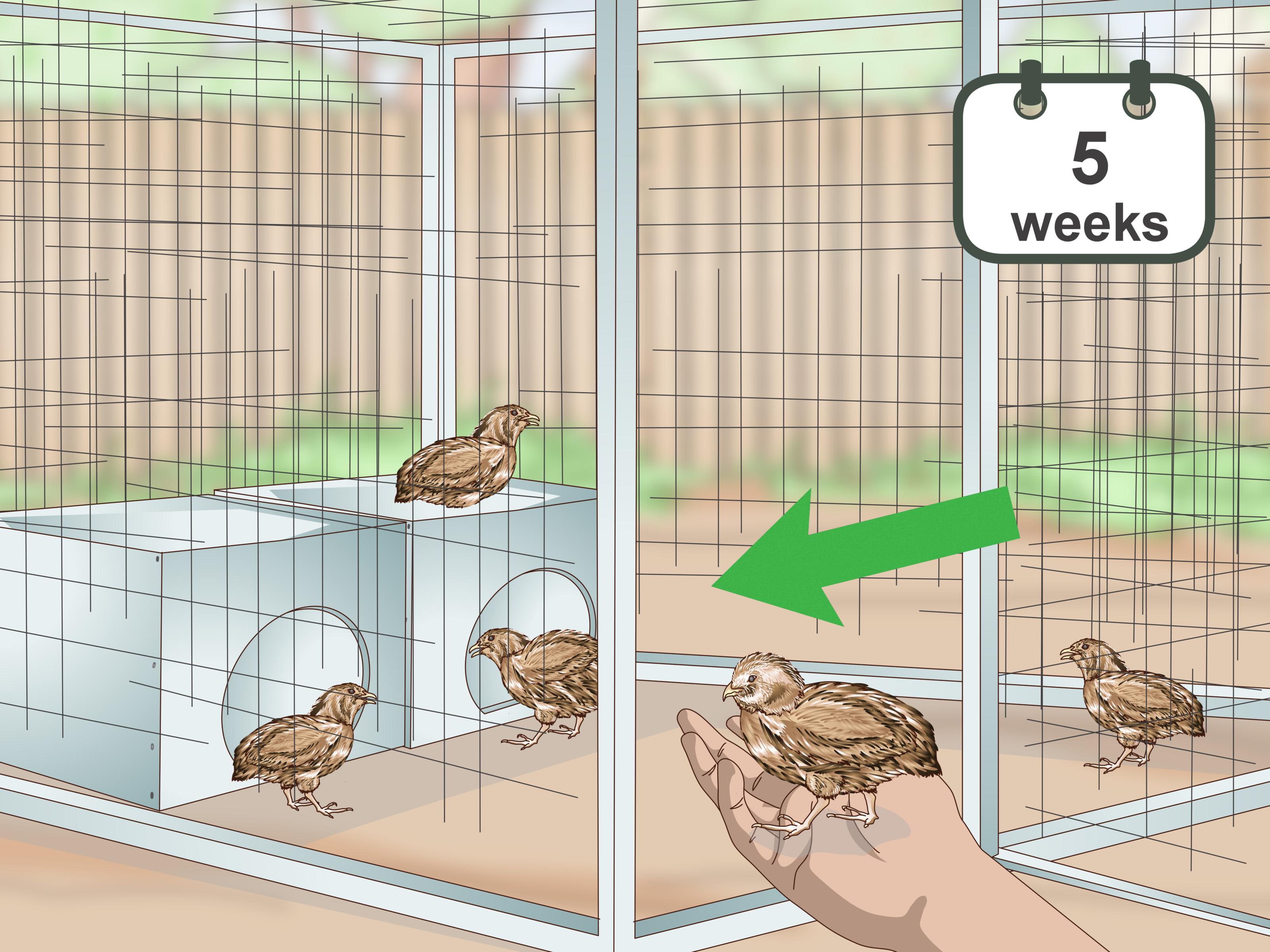
Most quail chicks need supplemental heat until they are fully feathered, often around five to six weeks. The exact timing depends on the species, brooder temperature, feathering, indoor room temperature, and outdoor weather. Do not rush the move just because they look bigger. A half-feathered quail in a cold draft is still a problem waiting to happen.
Before moving them, make sure they are active, fully feathered, eating well, and able to handle the temperature of the new space. Their grow-out pen should be predator-proof, dry, well ventilated, and protected from wind and rain. Quail are ground birds and do not need roosting bars like chickens, but they do need secure shelter and enough room to avoid stress.
Practical Experiences From Raising Quail Chicks
Experienced quail keepers often say the first week is where success is won. The brooder may look perfect on paper, but the chicks will tell the truth. One of the most useful habits is simply stopping for a full minute and watching them before making changes. Are they sleeping in a loose circle near the heat? Good. Are they screaming under the lamp like they are waiting for a delayed train? Too cold. Are they pressed against the walls away from the heat? Too hot. The thermometer matters, but chick behavior is the living dashboard.
A common beginner experience is discovering that quail chicks can make a clean brooder messy in record time. Waterers get filled with bedding. Feed gets scratched into the floor. Paper towels that looked fresh at breakfast can look like a crime scene by dinner. The best response is not frustration; it is design. Raise the waterer slightly on a stable platform once chicks can reach it. Use narrow quail waterers. Replace wet bedding quickly. Keep feed in shallow containers at first, then move to feeders that reduce waste. Small changes save hours of cleaning.
Another lesson is that weak chicks need fast attention but gentle handling. Sometimes a chick that looks hopeless is simply cold, hungry, or late to learn where the water is. Place it near warmth, help it find water, and keep it from being trampled. Not every chick can be saved, and that is one of the honest parts of poultry keeping. Still, many “sleepy” chicks bounce back when the basics are corrected early.
Keepers also learn not to mix big age differences in the same brooder. A one-week size gap in quail chicks can look like a school bus parked next to a skateboard. Older chicks may crowd, trample, or peck younger ones. If you hatch in batches, separate them by age and size whenever possible.
Finally, the best experience-based advice is to prepare more than you think you need. Have extra paper towels, a backup bulb or heat plate plan, extra feed, a second waterer, and a secure lid ready before the chicks arrive. Quail chicks grow quickly, jump early, and turn “I will fix that tomorrow” into “why is there a chick behind the bookshelf?” today. Good preparation keeps the process calm, and calm is exactly what these little birds need.
Conclusion
Learning how to care for quail chicks comes down to mastering a few essentials and repeating them every day. Keep the brooder warm but not stifling. Use safe bedding with good traction. Provide shallow, clean water that chicks cannot drown in. Feed a high-protein game bird starter in a texture small enough for tiny beaks. Prevent drafts, crowding, wet bedding, and bright stressful lighting. Most importantly, watch the chicks. Their behavior will tell you when something is right or wrong long before a checklist does.
Quail chicks are delicate, but they are also energetic, fast-growing, and deeply entertaining. With a clean brooder, careful heat management, proper nutrition, and daily observation, those fragile little speckled fluff balls can become strong, healthy quail in just a few short weeks. They may be tiny, but they run the brooder like they own the place. Your job is to make sure the place is safe enough for them to do it.
Note: This article is written for educational publishing purposes and is based on practical poultry care principles commonly recommended by university extension programs, hatcheries, and small-flock poultry resources. Local climate, quail species, flock size, and veterinary guidance should always be considered.