Pygmy goats may be small enough to make visitors squeal, “Oh no, it has tiny hooves,” but they are still real livestock with real needs. They need secure fencing, dry shelter, clean water, balanced nutrition, hoof care, parasite control, companionship, and daily attention from a human who understands that “cute” is not a management plan.
The good news? Learning how to care for pygmy goats is not complicated once you understand their natural behavior. These compact, sturdy goats are curious, social, agile, and surprisingly strategic about escaping. A pygmy goat can look at a weak gate latch the way a chess master looks at a careless move. If you prepare properly, however, they can become delightful backyard livestock, homestead companions, brush browsers, 4-H animals, and small-farm charm machines.
This guide covers pygmy goat housing, feeding, fencing, health care, grooming, enrichment, and practical daily routines so you can keep your herd healthy, comfortable, and happily occupied.
What Makes Pygmy Goats Different?
Pygmy goats are a true miniature goat breed, not just “regular goats that forgot to grow.” They are known for their compact, barrel-shaped bodies, short legs, muscular build, alert expression, and friendly herd-oriented personality. They originated from West African dwarf-type goats and became popular in the United States as pets, show animals, and small homestead goats.
Adult pygmy goats are usually much smaller than standard dairy or meat goats, but they are not delicate. They are hardy, active, and athletic. Their size makes them easier to handle than larger breeds, yet their intelligence means they need thoughtful care. They enjoy climbing, browsing, playing, testing boundaries, and investigating anything that looks even vaguely edible. A loose shoelace, a feed scoop, a jacket zipper, and your favorite rose bush are all equally interesting to them.
Start With at Least Two Goats
The first rule of pygmy goat care is simple: do not keep one goat alone. Goats are herd animals. A single goat may become stressed, noisy, lonely, or destructive because it lacks the social structure it naturally depends on. Even the friendliest goat cannot thrive on human attention alone, unless you plan to live in the goat pen full-time and chew hay in solidarity.
For most small farms or backyards, two or three pygmy goats are a better starting point than one. Wethers, which are castrated males, are often popular as pets because they are usually easier to manage than bucks and do not require breeding-related housing. Does can also make wonderful companions. Bucks require more experience because they can smell strong, become pushy during breeding season, and need secure separation from does.
Build Secure Housing Before Bringing Goats Home
Pygmy goats do not need a luxury barn with mood lighting and a tiny chandelier, but they do need shelter that is dry, draft-free, well-ventilated, and safe. A simple three-sided shed can work in many climates if it blocks rain, wind, and harsh sun. In colder or wetter regions, a more enclosed structure may be necessary, but ventilation still matters. Damp, stale air can contribute to respiratory problems, while wet bedding can irritate hooves and skin.
Basic Shelter Requirements
A good pygmy goat shelter should include a dry roof, solid walls on the windward side, clean bedding, enough room for every goat to lie down, and easy access for cleaning. Straw, wood shavings, or other livestock-safe bedding can help keep goats warm and dry. Replace wet bedding regularly, especially near water buckets and high-traffic corners.
Place the shelter on well-drained ground. If the pen becomes muddy every time it rains, your goats will not thank you. Mud increases stress on hooves, makes parasite control harder, and turns daily chores into a boot-suction wrestling match. Gravel, packed stone dust, or a raised shelter floor can help keep the area drier.
Fencing: The Real Boss Battle of Goat Ownership
Ask experienced goat owners what surprised them most, and many will mention fencing. Pygmy goats are short, but they climb, squeeze, lean, jump, and inspect weaknesses with professional enthusiasm. Secure fencing is not optional; it is the foundation of safe pygmy goat care.
For mature goats, fencing should generally be at least 48 inches tall, and taller fencing may be needed for bucks or especially athletic animals. Woven wire, livestock panels, no-climb fencing, and properly maintained electric fencing can work well. Openings should be small enough to prevent heads from getting stuck, especially if goats have horns. Avoid barbed wire because it can cause serious injuries.
How to Make Goat Fencing More Reliable
Use strong corner posts, secure gates, tight wire, and latches that goats cannot nudge open. Add electric offset wires if goats rub, climb, or push on the fence. Walk the fence line often and fix loose staples, sagging spots, fallen limbs, or gaps near the ground. A pygmy goat only needs one weak point to start a neighborhood landscaping project you did not approve.
Predator protection matters, too. Coyotes, loose dogs, and other predators can threaten small goats. Good perimeter fencing, nighttime shelter, guardian animals where appropriate, and secure gates help protect the herd.
Feed Pygmy Goats Like Goats, Not Garbage Disposals
Despite the old cartoon myth, goats should not eat tin cans, trash, moldy feed, poisonous plants, or yesterday’s questionable leftovers. They are browsers, meaning they naturally enjoy leaves, brush, twigs, vines, and varied vegetation. They also need quality hay, clean water, minerals, and careful control of grain or concentrated feed.
Hay and Forage
Good-quality grass hay is the backbone of most pygmy goat diets, especially when pasture or browse is limited. Hay should smell fresh, not moldy or dusty. Mold can make goats sick, and dusty hay may irritate the respiratory system. Provide hay in a feeder rather than tossing it on the ground, where it can become contaminated with manure, urine, and mud.
If your goats have access to pasture or brush, rotate areas when possible to avoid overgrazing and reduce parasite exposure. Goats prefer browsing above ground level, so they may eat shrubs and weeds before mowing grass evenly. In other words, do not buy pygmy goats because you want a tiny lawn service. They are more like botanical critics with horns.
Grain and Treats
Many pygmy goats do not need much grain unless they are pregnant, nursing, growing, underweight, or advised by a veterinarian to receive extra calories. Overfeeding grain can lead to obesity, digestive upset, and urinary problems, especially in wethers and bucks. If grain is used, choose a goat-appropriate feed and offer measured portions, not a free-choice buffet.
Treats should be occasional and safe. Small pieces of apple, carrot, pumpkin, or leafy branches from non-toxic trees can be enjoyable. Avoid sudden diet changes. Goats have a sensitive rumen, and abrupt changes can upset digestion. Introduce new feeds gradually over several days.
Minerals and Water
Pygmy goats need access to clean water every day. In hot weather, keep water in the shade when possible. In freezing weather, make sure it does not ice over. Goats may drink less if water is dirty, stale, or too cold, which can increase health risks.
Provide a loose mineral formulated for goats, not sheep. Sheep minerals are usually too low in copper for goats, while some feeds made for other livestock may not meet goat needs. Loose minerals are often better than hard blocks because goats can consume them more easily. Ask a local veterinarian or extension specialist for mineral recommendations suited to your region, since soil and forage mineral levels vary.
Keep Their Hooves Trimmed
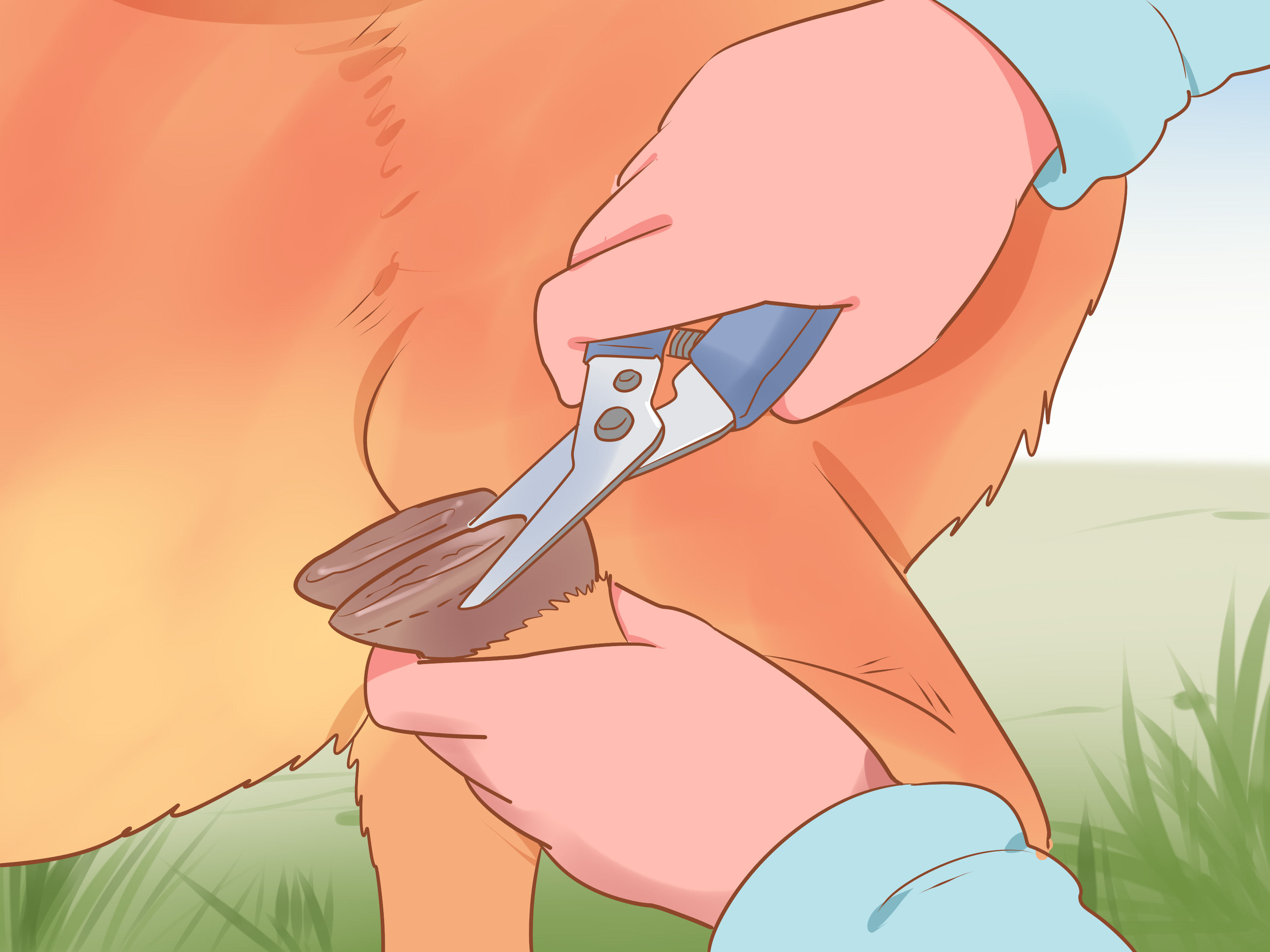
Hoof care is one of the most important parts of pygmy goat health. Overgrown hooves can trap dirt, change how the goat walks, cause pain, and increase the risk of hoof problems. How often you trim depends on terrain, weather, diet, and each goat’s growth rate. Some goats need trimming every four to six weeks, while others can go longer if they walk on rocky or firm ground.
Start handling hooves early. Teach goats to stand calmly on a milking stand or grooming platform. Use clean, sharp hoof trimmers and remove small amounts at a time. If you are new to trimming, ask an experienced goat owner, veterinarian, farrier, or livestock mentor to demonstrate. Hoof trimming is not difficult, but confidence matters. The goat will know if you are nervous, and it may use that information against you.
Create a Preventive Health Plan
A healthy pygmy goat herd depends on prevention. Work with a veterinarian who understands goats or small ruminants. Before bringing goats home, ask about vaccinations, parasite monitoring, hoof care, nutrition, emergency signs, and local disease risks. Keep written records for each animal, including birth date, purchase date, vaccinations, deworming decisions, hoof trims, illnesses, treatments, breeding history, and weight changes.
Vaccinations
Many goat owners discuss CDT vaccination with their veterinarian. CDT helps protect against clostridial diseases and tetanus, but timing and protocols can vary by herd and region. Do not guess. A veterinarian can help build a schedule for adults, kids, pregnant does, and new arrivals.
Parasite Control
Internal parasites are a major issue in goats, especially in warm, wet climates. Modern parasite control is not simply “deworm everything on the first Saturday of the month.” Overuse of dewormers can contribute to resistance, making parasites harder to control over time.
A better approach includes fecal egg counts, pasture rotation, avoiding overcrowding, keeping feeders off the ground, monitoring body condition, and using tools such as FAMACHA scoring when appropriate. Deworm selectively based on need and veterinary guidance. Signs that may suggest parasite trouble include weight loss, pale eyelids, rough coat, diarrhea, weakness, or swelling under the jaw. Any of these signs should be taken seriously.
Signs a Pygmy Goat May Be Sick
Goats are prey animals, so they may hide illness until the problem is advanced. Check them daily. Warning signs include isolation from the herd, loss of appetite, dull eyes, grinding teeth, limping, coughing, diarrhea, bloating, unusual posture, trouble urinating, sudden weight loss, or dramatic behavior changes. A goat that normally races to the feed bucket but suddenly stands in the corner deserves immediate attention.
Grooming and Coat Care
Pygmy goats do not require fancy grooming to stay healthy, but regular brushing helps remove loose hair, dirt, and debris. It also gives you a chance to check for lumps, cuts, lice, ticks, skin irritation, and body condition. During shedding season, brushing may produce enough hair to make you wonder if your goat is secretly becoming a second goat.
Bathing is rarely necessary unless the goat is extremely dirty or being prepared for a show. If you bathe a goat, choose warm weather, use livestock-safe products, rinse thoroughly, and dry the goat well. Never leave a wet goat in cold or windy conditions.
Give Pygmy Goats Enrichment and Exercise
Pygmy goats are playful and intelligent. Without enrichment, they may become bored and invent hobbies, such as chewing fences, climbing feeders, or testing whether your gate latch has evolved. Give them safe climbing structures, sturdy platforms, logs, large rocks, cable spools, and toys designed for livestock. Make sure everything is stable and free from sharp edges, exposed nails, toxic paint, or places where legs and horns can get trapped.
Exercise helps prevent obesity and supports strong muscles. A dry lot with climbing structures can work well when pasture is limited. If pasture is available, rotate grazing areas and avoid turning goats into wet, muddy fields for long periods.
Protect Pygmy Goats From Toxic Plants
Before allowing goats to browse, identify plants in the area. Many ornamental shrubs and wild plants can be toxic to goats. Common concerns include azaleas, rhododendrons, yew, oleander, wilted cherry leaves, certain nightshades, and plants treated with pesticides or herbicides. Local extension offices can often help identify regional toxic plants.
Do not assume goats “know what not to eat.” Goats are curious. Curiosity is adorable until it involves a poisonous hedge. Remove dangerous plants from their reach, and never toss random yard clippings into the pen unless you are absolutely sure they are safe.
Daily, Weekly, and Seasonal Pygmy Goat Care Checklist
Daily Care
Check every goat at least once or twice a day. Refresh water, provide hay or forage, inspect the fence, look for signs of illness, and make sure all goats are eating. Watch herd behavior. A goat being bullied away from feed may lose condition even when food is technically available.
Weekly Care
Clean water buckets, tidy bedding, inspect hooves, brush coats, check mineral levels, and look closely at fence lines and gates. Walk the pen after storms. Fallen branches and washed-out soil can create escape routes.
Seasonal Care
In spring and summer, focus on parasite prevention, shade, fly control, and water intake. In fall, prepare shelter and bedding for colder weather. In winter, prevent frozen water, block drafts, and increase hay when needed because digestion helps goats stay warm.
Common Mistakes New Pygmy Goat Owners Make
The first common mistake is underestimating fencing. A cute goat behind a weak fence is not contained; it is simply waiting. The second mistake is overfeeding grain. Pygmy goats can gain weight easily, and obesity creates health problems. The third mistake is keeping one goat alone. Social isolation is stressful and unfair to a herd animal.
Other mistakes include skipping hoof trimming, ignoring parasite monitoring, using sheep minerals instead of goat minerals, failing to quarantine new goats, and waiting too long to call a veterinarian. Good care is not about reacting dramatically when something goes wrong. It is about noticing small changes early.
Practical Experience: What Living With Pygmy Goats Really Teaches You
After the basic care instructions, the real education begins in the pen. Pygmy goats teach you quickly that livestock care is a rhythm, not a one-time setup. The first week may feel like a checklist: hay feeder, water bucket, minerals, bedding, gate latch, hoof trimmers, and emergency phone numbers. By the first month, you begin noticing personalities. One goat may be bold enough to climb into an empty wheelbarrow. Another may politely wait for treats while pretending not to notice the bold one causing chaos.
A helpful habit is to create a simple morning and evening routine. In the morning, look at every goat before you look at the feed. Are they bright-eyed? Are they chewing cud? Are they walking normally? Are they interested in breakfast? This quick observation tells you more than the feed scoop does. Healthy goats are alert, curious, and usually very interested in what you are doing, especially if what you are doing sounds like grain.
One real-world lesson is that clean water matters more than new owners expect. Goats can be picky. A bucket with hay floating in it may be personally offensive to them. A bucket tipped over by a playful goat is not helpful either. Many owners learn to secure buckets to a fence or use heavy rubber tubs that are hard to flip. Placing water in shade keeps it cooler and more appealing during hot weather.
Another experience-based tip is to feed hay in a way that reduces waste. Pygmy goats may pull hay out, step on it, sleep on it, and then look at you as if the hay has become unacceptable. A well-designed feeder keeps hay clean and slows waste. Avoid feeders where goats can get heads, horns, or legs trapped. Safe design beats clever design every time.
Hoof trimming also becomes easier with routine. The first trim may feel like negotiating with a tiny, furry gymnast. Over time, goats learn the stand, the treats, and the process. Calm handling makes a difference. Touch legs often when you are not trimming so hoof care does not feel like a surprise event. Many owners pair hoof checks with brushing, turning health care into a calm habit instead of a rodeo.
Finally, pygmy goats remind you that enrichment is not optional. A bored goat becomes an engineer. Add logs, platforms, stumps, and safe climbing spaces, and rotate small changes to keep life interesting. The best pygmy goat pens are not just secure; they are engaging. When goats can climb, browse, rest, play, and socialize, they are easier to manage and more fun to watch.
The biggest experience-based takeaway is this: pygmy goats thrive when their owner pays attention. You do not need to be perfect. You need to be observant, consistent, and willing to learn. With good fencing, proper nutrition, preventive health care, and daily interaction, pygmy goats can bring years of personality, usefulness, and comedy to a small farm or backyard homestead.
Conclusion
Learning how to care for pygmy goats starts with respecting them as livestock, not lawn ornaments with adorable faces. They need companionship, secure fencing, dry shelter, clean water, goat-appropriate minerals, balanced feed, hoof care, parasite monitoring, and enrichment. When these basics are handled well, pygmy goats are hardy, affectionate, entertaining animals that can fit beautifully into small farms and homesteads.
The secret is consistency. Check them daily, keep records, build a relationship with a goat-savvy veterinarian, and fix small problems before they become large ones. Do that, and your pygmy goats will reward you with lively personalities, useful browsing habits, and enough barnyard comedy to make chores feel less like work and more like a tiny-hoofed sitcom.