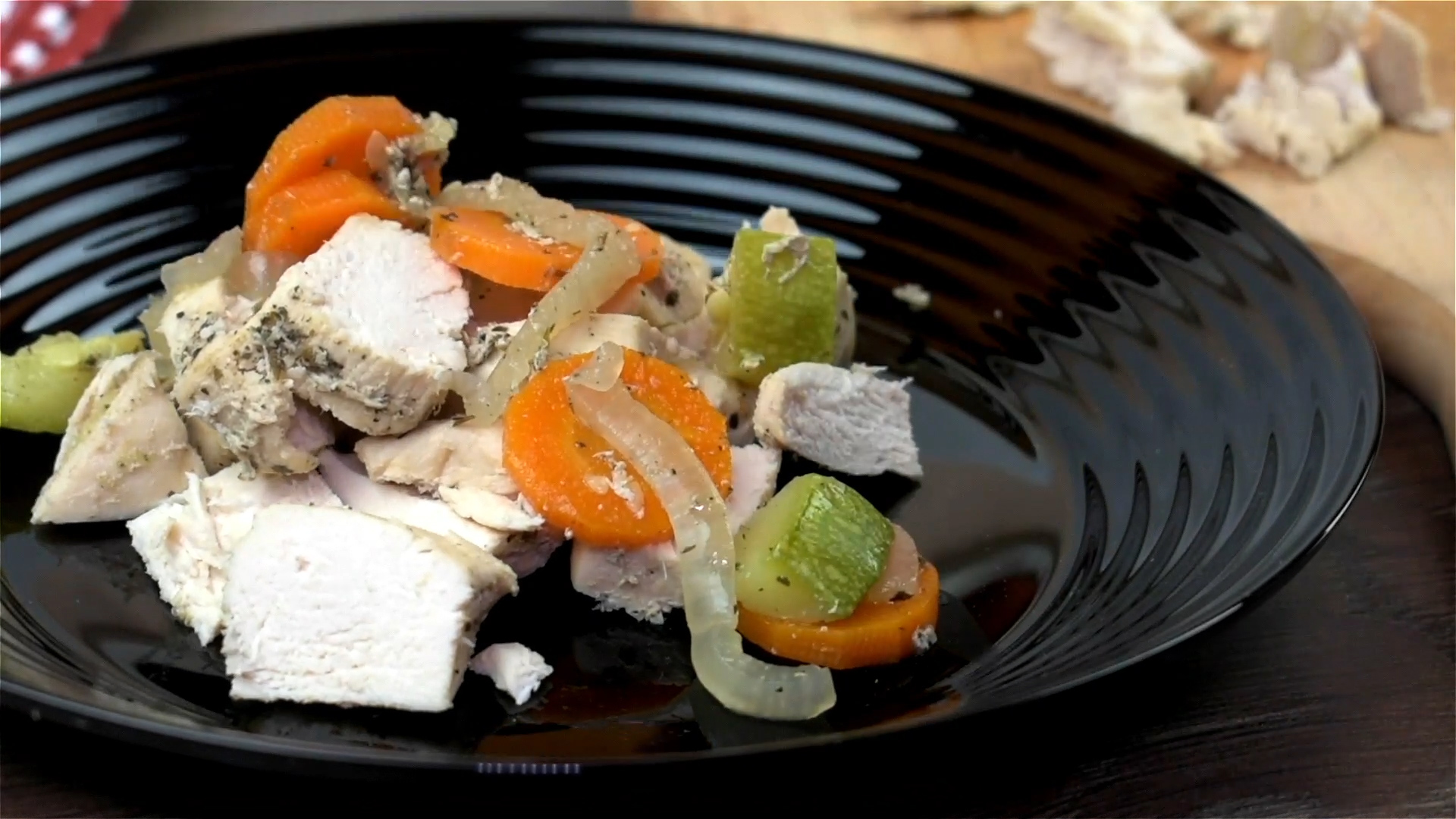
Boiling chicken breasts sounds wonderfully simple, doesn’t it? Toss chicken in water, wait a bit, and dinner magically appears. In theory, yes. In practice, that method can turn your chicken into something with the personality of a flip-flop. The good news is that learning how to boil chicken breasts the right way is easy, fast, and wildly useful.
Whether you need tender meat for chicken salad, tacos, soup, meal prep bowls, casseroles, or a last-minute “I forgot to plan dinner” rescue, this method delivers. It is budget-friendly, beginner-friendly, and mercifully light on cleanup. Even better, once you know the trick, you can make juicy chicken breasts that shred beautifully instead of squeaking like rubber erasers.
This guide walks you through everything: how long to boil chicken breasts, how to keep them flavorful, which mistakes to avoid, how to season the cooking liquid, and how to store the finished chicken so tomorrow’s lunch does not become tomorrow’s regret.
Why Boil Chicken Breasts at All?
Boiled chicken breasts are not trying to win a beauty pageant. They are trying to make your life easier. That is their superpower.
- They are versatile. Slice them for salads, shred them for sandwiches, dice them for pasta, or fold them into soups.
- They are great for meal prep. Cook once, eat multiple times, feel suspiciously organized.
- They are lean and simple. You do not need much oil, fancy equipment, or a culinary degree.
- They can create broth at the same time. If you cook them with aromatics, the liquid becomes a bonus ingredient instead of sad chicken water.
In other words, boiled chicken breasts are one of the least glamorous but most useful things you can make in a kitchen. They are the plain white T-shirt of protein: not flashy, but always working.
First Things First: “Boiling” vs. “Gentle Simmering”
Here is the secret many home cooks learn after a few dry chicken disasters: the best “boiled” chicken breasts are usually not cooked at a furious, bubbling boil. They are gently simmered or lightly poached.
A rolling boil can tighten the proteins too quickly, which makes the meat tough and dry. A gentle simmer cooks the chicken more evenly and keeps it far juicier. So yes, the title says how to boil chicken breasts, but the best version of that method is really “bring the liquid up, then calm it down.” Think less hot tub party, more peaceful spa day.
What You Need
- 2 to 4 chicken breasts, boneless or bone-in
- Water, broth, or a mix of both
- Salt
- A pot with a lid
- Optional flavor boosters: onion, garlic, celery, carrot, bay leaf, peppercorns, parsley, thyme, lemon slices
- An instant-read thermometer
If you take only one thing from this article, let it be this: a thermometer is your best friend. Color alone is not a reliable way to judge doneness. Chicken breasts should reach 165°F in the thickest part.
How to Boil Chicken Breasts Step by Step
1. Choose the Right Pot
Pick a pot that holds the chicken in a fairly snug single layer. If the pot is too large, you will need a lake’s worth of liquid. If it is too cramped, the chicken may cook unevenly.
2. Add the Chicken and Liquid
Place the chicken breasts in the pot and cover them with about 1 inch of water or broth. Broth gives more flavor, but water works just fine if you season it well.
Add salt and any aromatics you like. A simple combination of onion, garlic, celery, carrot, peppercorns, and a bay leaf makes the chicken taste better and turns the liquid into a light broth you can save.
3. Bring It to a Boil, Then Immediately Lower the Heat
Set the pot over medium-high heat and bring the liquid just to a boil. As soon as it reaches that point, reduce the heat to low so the liquid settles into a gentle simmer. You want small bubbles, not a raging cauldron.
4. Cover and Cook Gently
Cover the pot and let the chicken cook until the thickest part reaches 165°F. The exact time depends on the size and whether the breast is boneless or bone-in.
5. Let It Rest
Once the chicken is done, transfer it to a cutting board and let it rest for 5 to 10 minutes before slicing or shredding. Resting helps the juices redistribute, which is science’s way of saying the chicken gets a chance to calm down and stay moist.
6. Slice, Dice, or Shred
Use two forks, your fingers once it has cooled slightly, or even a stand mixer on low speed for fast shredding. Just do not overwork it into chicken confetti.
How Long to Boil Chicken Breasts
Timing varies by size and cut, which is why a thermometer matters more than a stopwatch. Still, these ranges are useful starting points.
| Type of Chicken Breast | Approximate Simmer Time | Best Practice |
|---|---|---|
| Small boneless, skinless breasts | 12 to 15 minutes | Check early so they do not overcook |
| Medium to large boneless, skinless breasts | 15 to 20 minutes | Use a thermometer in the thickest area |
| Bone-in chicken breasts | 25 to 30 minutes | More flavorful, but slower to cook |
| Very large or extra-thick breasts | 20 minutes or a bit longer | Reduce heat and cook gently, not aggressively |
If your chicken breasts are unusually thick on one end and skinny on the other, they may cook unevenly. You can pound them to a more even thickness before cooking, but if you are boiling them mostly for shredding, this is not essential.
How to Keep Boiled Chicken Breasts Juicy
Use Broth or Well-Seasoned Water
Plain water is fine, but seasoned liquid is better. Salt, herbs, aromatics, and even lemon can make a noticeable difference. You are not just cooking chicken. You are building flavor from the start.
Do Not Overcook It
This is the big one. Chicken breasts are lean, which means they go from juicy to dry faster than you can say “meal prep.” Remove them once they hit 165°F.
Keep the Heat Gentle
A gentle simmer is the difference between tender chicken and meat that could double as office supplies.
Let the Chicken Cool Briefly in the Liquid if You Want Extra Moisture
If you are not in a rush, you can turn off the heat and let the cooked chicken sit in the warm liquid for a few minutes. This can help it stay tender, especially for sliced chicken.
Common Mistakes to Avoid
- Boiling too hard: High heat makes tough chicken.
- Skipping the thermometer: Guesswork is not a food safety plan.
- Underseasoning the liquid: Chicken can only absorb so much flavor later.
- Crowding the pot: Give the chicken enough space for even cooking.
- Slicing immediately: Resting helps hold onto moisture.
- Washing raw chicken: This can spread bacteria around your sink and counters instead of helping anything.
Best Seasoning Ideas for Boiled Chicken Breasts
If you know how you will use the chicken later, season the liquid with that final dish in mind.
Classic All-Purpose Flavor
- Salt
- Black peppercorns
- Onion
- Garlic
- Bay leaf
- Celery and carrot
Bright and Fresh
- Lemon slices
- Parsley
- Thyme
- Garlic
Soup-Friendly
- Onion
- Carrot
- Celery
- Parsley stems
- A pinch of salt
Taco or Bowl Prep
- Garlic
- Onion
- Cumin
- Peppercorns
- A squeeze of lime after cooking
You do not need to dump your spice cabinet into the pot. A few smart additions go a long way.
How to Use Boiled Chicken Breasts
Once your chicken is cooked, you have entered the land of convenient dinners. Here are some easy ways to use it:
- Chicken salad sandwiches
- Shredded chicken tacos
- Chicken noodle soup
- Pasta salads
- Caesar salad with extra protein
- Quesadillas
- Rice bowls
- Casseroles
- Wraps and lunch boxes
And do not throw out the cooking liquid if it smells delicious. Strain it and use it as a light broth for soup, rice, or sauces. That is bonus value, and we love bonus value.
How to Store and Reheat Boiled Chicken Breasts
Let the chicken cool slightly, then refrigerate it within 2 hours of cooking. Store it in an airtight container in the fridge for up to 3 to 4 days. If you want to keep it longer, freeze it for up to 3 to 4 months for best quality.
To reheat, add a splash of broth or water and warm gently on the stovetop or in the microwave. Reheating it too aggressively can dry it out, so think “gentle revival,” not “lava treatment.”
Quick FAQ
Can you boil frozen chicken breasts?
It is possible, but thawed chicken is easier to cook evenly and season well. If you start from frozen, expect longer cooking times and rely on a thermometer, not the clock.
Is boiled chicken healthy?
Yes. Boiled chicken breasts are a lean source of protein and a great option if you want a simple, lower-fat cooking method.
Can I use this method for shredding chicken?
Absolutely. In fact, this is one of the best reasons to boil chicken breasts. Gently cooked chicken shreds easily and stays tender in sauces, soups, and sandwiches.
What if my boiled chicken tastes bland?
Season the cooking liquid more boldly next time, and add flavor after cooking with herbs, citrus, sauces, or a quick toss in warm broth and spices.
Conclusion
Learning how to boil chicken breasts is one of those basic kitchen skills that pays rent every week. It is not fancy. It will not earn applause from a panel of celebrity chefs. But it will give you juicy, reliable chicken for everything from salads to soups to meal prep lunches that do not make you sad.
The key is simple: do not blast the chicken at a roaring boil. Use enough seasoned liquid to cover it, bring it up to temperature, lower the heat, and let it cook gently until it reaches 165°F. That one shift alone can save you from dry, chewy chicken and a minor identity crisis in the kitchen.
Once you have done it a couple of times, you will stop needing a recipe and start treating it like a super practical kitchen reflex. And honestly, that is when cooking gets fun.
Real-Life Experiences With Boiling Chicken Breasts
One of the reasons this method sticks with people is that it usually enters your life during a very specific kind of moment: the chaotic weekday. You open the fridge, see chicken breasts, and realize you need protein for dinner, tomorrow’s lunch, and probably something to throw into a soup because the weather suddenly decided to become dramatic. Boiling chicken breasts becomes the move not because it is glamorous, but because it works. It is the kitchen equivalent of putting on sneakers and getting things done.
Many home cooks first try this method while making chicken salad. They expect the chicken to be dry, bland, or vaguely cafeteria-like. Then they simmer it gently with onion, garlic, and a bay leaf, shred it while still warm, and suddenly the whole thing tastes fresher and softer than the rotisserie shortcut they usually buy. That first win matters. It is the moment boiled chicken goes from “backup plan” to “actually, this is pretty smart.”
Another common experience is discovering that “boiled” chicken does not need to feel boiled in the sad sense of the word. A lot of us grew up hearing that phrase and imagining pale meat with no personality. But once you start treating the liquid like a flavor bath instead of plain hot water, everything changes. Add celery, carrot, peppercorns, lemon, or herbs, and the chicken comes out tasting intentional. Even better, the leftover broth smells like you have been cooking all afternoon, when really you just made one pot and kept your life together for 25 minutes.
Meal preppers love this method for a different reason: predictability. Baked chicken can be wonderful, but it is easier to overdo. Skillet chicken is tasty, but it demands more attention. Boiled chicken breasts are low drama. You can make a batch on Sunday, shred half, slice the rest, and suddenly your week looks more manageable. Monday gets a grain bowl. Tuesday gets wraps. Wednesday gets soup. Thursday becomes a “clean out the fridge” salad that somehow tastes planned. It is not magic, but it is close enough for a tired adult.
There is also something reassuring about how forgiving this method feels once you learn the basics. If one breast is slightly bigger, the thermometer helps. If you forgot broth, water and aromatics still work. If you are feeding picky eaters, the flavor stays mild and flexible. If you want bold flavor later, you can toss the sliced chicken in buffalo sauce, pesto, barbecue sauce, salsa verde, or a lemony dressing. Boiled chicken breasts play nicely with almost everything. They are the friend who can go to brunch, help you move apartments, and still text back.
For many people, the biggest lesson comes from the first mistake: cooking the chicken too hard. It happens. The pot bubbles like crazy, the timer goes off, and the chicken comes out dry enough to inspire a long sigh and maybe a sauce emergency. Then the next time, the heat gets lowered, the simmer stays gentle, and the difference is immediate. The meat is softer, juicier, and easier to shred. That is usually when the method clicks for good.
So yes, boiled chicken breasts may never sound thrilling on paper. But in real kitchens, with real schedules, real budgets, and real hunger, they earn their place fast. They are dependable, practical, and surprisingly adaptable. And once you have had a batch that turns out tender, flavorful, and ready for three different meals, you stop thinking of it as boring chicken. You start thinking of it as one of the handiest cooking tricks you know.