Note: Sports betting involves risk. No strategy can guarantee a win, and you should only bet legally, responsibly, and with money you can afford to lose.
Learning how to bet on DraftKings and win is a little like learning how to grill the perfect steak: the tools help, the timing matters, and confidence is greatright up until you burn your eyebrows off. DraftKings Sportsbook gives bettors a polished, easy-to-use platform with moneylines, spreads, totals, parlays, player props, live betting, futures, promotions, and tracking tools. But the app itself does not magically turn every fan into a professional bettor. Winning takes patience, discipline, research, bankroll management, and the ability to walk away when your “sure thing” suddenly remembers it is sports.
This guide explains how DraftKings betting works, how to read odds, how to choose smarter wagers, and how to build habits that give you a better chance of long-term success. We will cover the basics for beginners, practical DraftKings betting tips, common mistakes, and real-world examples. The goal is not to sell a fantasy that you can beat every line. The goal is to help you bet with a plan instead of vibes, lucky socks, and a group chat full of chaos.
What Is DraftKings Sportsbook?
DraftKings Sportsbook is an online sports betting platform available in many regulated U.S. markets where legal sports wagering is permitted. Users can bet on sports such as football, basketball, baseball, hockey, golf, tennis, soccer, MMA, and more, depending on state rules and available markets. DraftKings also offers daily fantasy sports, casino products in certain states, pools, promotions, odds boosts, and responsible gaming tools.
To use DraftKings Sportsbook, you generally need to be at least 21 years old in most U.S. sports betting states, physically located in a legal betting jurisdiction, and able to verify your identity. The app uses geolocation technology to confirm that you are placing bets from an approved area. In plain English: you cannot sit in a non-legal state, open the app, and expect the gambling gates to swing open like a casino-themed fairy tale.
How to Start Betting on DraftKings
1. Create and Verify Your Account
First, download the DraftKings app or visit the DraftKings website. You will need to provide personal information such as your name, date of birth, address, and the last four digits of your Social Security number for identity verification. This is standard for regulated sportsbooks and helps prevent underage betting, fraud, and account abuse.
2. Check Your State’s Legal Status
DraftKings Sportsbook is not available everywhere in the United States. Before you deposit money, confirm that online sports betting is legal in your state and that DraftKings is licensed there. Even if you have an account, you must be physically located inside an eligible state to place real-money wagers.
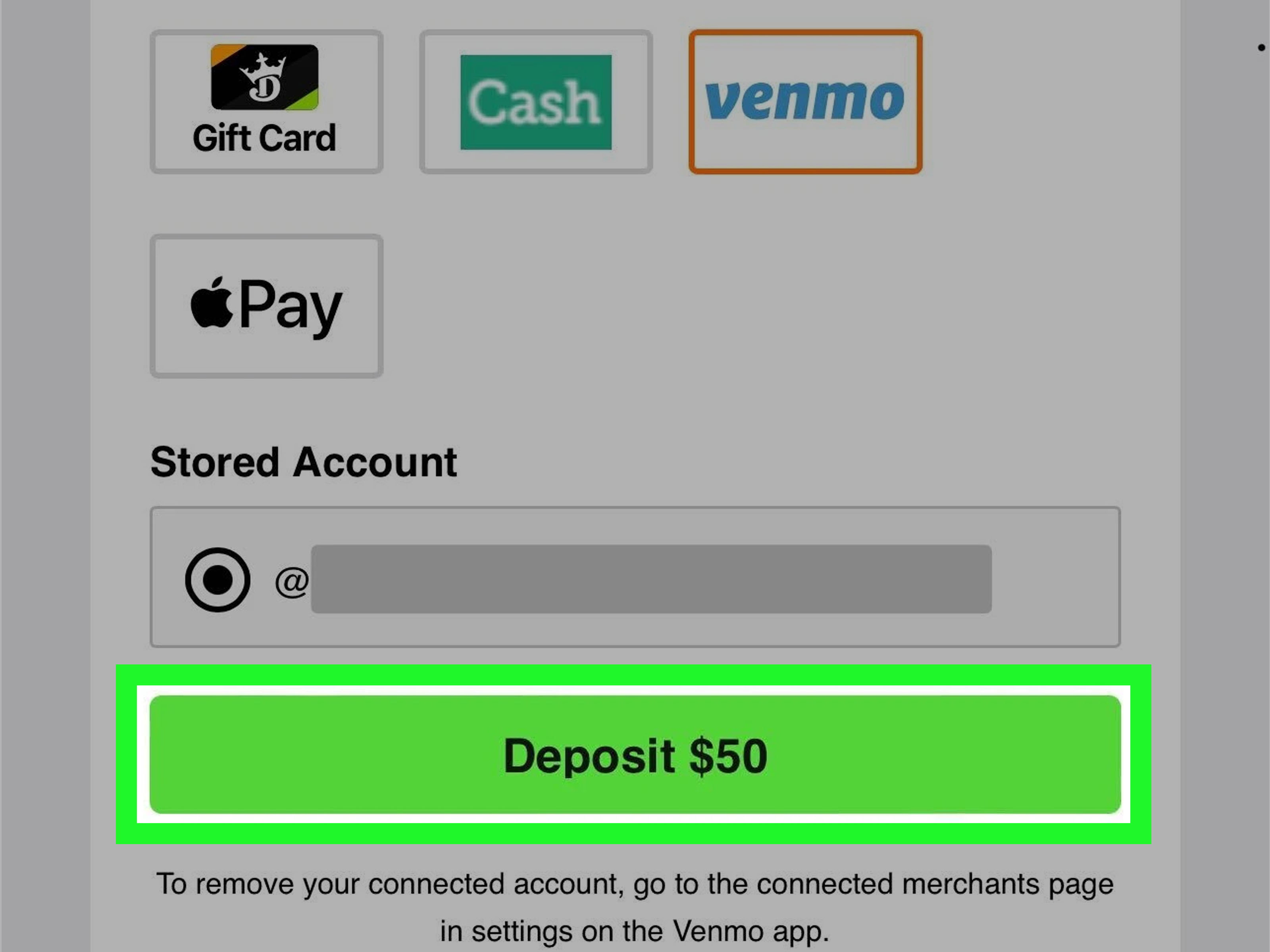
3. Deposit a Betting Bankroll
Your bankroll is the total amount of money you set aside for sports betting. It should be separate from your rent, groceries, savings, emergency fund, and “I promised myself I would finally buy new tires” money. A good beginner bankroll might be $50, $100, $250, or any amount you can comfortably afford to lose without stress.
4. Find a Market and Build a Bet Slip
After logging in, choose a sport, league, game, and betting market. When you tap the odds, DraftKings adds that selection to your bet slip. From there, you enter your wager amount, review the potential payout, and place the bet. Always double-check the wager before confirming. Accidentally betting the under when you meant the over is not a strategy; it is a tiny financial horror story.
Understanding DraftKings Odds
DraftKings mainly displays American odds, which use plus and minus signs. Once you understand them, they are not scary. They are just numbers wearing gym shorts.
Negative Odds
Negative odds show how much you need to bet to win $100 in profit. For example, odds of -150 mean you must wager $150 to win $100. If you bet $15 at -150, your potential profit would be $10. Negative odds usually indicate a favorite.
Positive Odds
Positive odds show how much profit you can win from a $100 wager. For example, +200 means a $100 bet could win $200 in profit. If you bet $10 at +200, your potential profit would be $20. Positive odds usually indicate an underdog or a longer-shot outcome.
Example of American Odds
Imagine the Kansas City Chiefs are -180 against the Denver Broncos, while the Broncos are +155. A $180 bet on the Chiefs would win $100 if they win. A $100 bet on the Broncos would win $155 if they pull off the upset. The favorite is safer on paper, but the payout is smaller. The underdog is riskier, but the reward is higher.
Main Types of Bets on DraftKings
Moneyline Bets
A moneyline bet is the simplest sports wager: pick who will win the game or event. No point spread, no complicated math, no need to explain your theory about “momentum” to unwilling relatives. If your team wins, your bet wins.
Moneyline bets are popular with beginners because they are easy to understand. They can also be useful when you believe an underdog has a real chance to win outright. However, betting heavy favorites at steep prices can be risky. A -400 favorite may look safe, but if it loses, you risked a lot for a small potential profit.
Point Spread Bets
A point spread bet adds a handicap to even the playing field between two teams. The favorite must win by more than the spread, while the underdog can either win outright or lose by fewer points than the spread.
For example, if the Celtics are -6.5 against the Knicks, Boston must win by at least 7 points for a Celtics spread bet to cash. If the Knicks are +6.5, they can win the game or lose by 6 points or fewer. Point spreads are common in football and basketball, where margins matter as much as winners.
Total Bets: Over and Under
A total, also called an over/under, is a bet on the combined score of both teams. If an NFL game has a total of 47.5, betting the over means you need 48 or more total points. Betting the under means you need 47 or fewer.
Totals are great when you have a strong opinion about pace, defense, weather, injuries, or offensive style but do not want to pick a side. For example, a windy outdoor football game with two strong defenses might point toward an under. A fast-paced NBA matchup with weak perimeter defense might support the over.
Parlays
A parlay combines multiple selections into one bet. Every leg must win for the parlay to cash. Parlays offer bigger payouts because they are harder to hit. That is why sportsbooks love them, and why bettors love posting screenshots of themusually before they lose by one leg.
Parlays can be fun, but they should not be the foundation of a serious betting strategy. A two-leg parlay is already harder than a straight bet. A six-leg parlay may look exciting, but it often turns your bankroll into confetti. Use parlays sparingly and keep the stakes small.
Player Props
Player props are bets on individual player performance, such as a quarterback’s passing yards, a basketball player’s rebounds, or a baseball player’s total bases. Props can offer value if you follow news closely and understand matchups.
For example, if a starting center is injured, a backup big man might receive more minutes and have a better chance to exceed his rebound total. If a wide receiver faces a weak secondary and his target share is rising, his receiving yards prop may be worth investigating.
Live Betting
Live betting lets you wager during a game as odds change in real time. This can create opportunities when you notice something the market has not fully adjusted to yet, such as a key injury, pace shift, foul trouble, weather change, or coaching adjustment.
Live betting is also dangerous because it encourages quick decisions. If you are angry, chasing losses, or betting every possession like you are trying to personally coach the team through your phone, step away. Fast betting can become fast losing.
Futures Bets
Futures are wagers on outcomes decided later, such as a team winning the Super Bowl, an NBA player winning MVP, or a college basketball team winning the national championship. Futures can be exciting, but they tie up your money for weeks or months.
Before placing a futures bet, ask whether the odds are worth the wait. A team at +600 may look attractive, but if injuries, schedule difficulty, or playoff matchups reduce its true chances, the ticket may be more decorative than profitable.
How to Bet on DraftKings and Win More Often
Build a Bankroll Strategy
The most important DraftKings betting tip is not a secret pick. It is bankroll management. A common approach is to divide your bankroll into units, with one unit equal to 1% to 3% of your total bankroll. If your bankroll is $300, one unit might be $3 to $9. Conservative bettors often stay closer to 1%, while more aggressive bettors may use 2% or 3%.
Flat betting is a smart beginner method. That means you wager the same amount on most plays instead of wildly changing bet sizes based on confidence, emotion, or how loudly a sports commentator said “lock.” If you bet $5 per play, stick with $5. Consistency protects you from losing streaks and keeps one bad night from wrecking your account.
Shop for Value, Not Just Winners
Winning at sports betting is not only about picking the winner. It is about finding value. A bet has value when the odds are better than the true probability of the outcome. For example, if you believe a team has a 55% chance to win, but the odds imply only a 50% chance, that may be a valuable bet.
DraftKings lines move based on market activity, injuries, news, weather, and public betting behavior. Sometimes the best bet is early. Sometimes waiting creates a better number. If you bet spreads, a half-point can matter. Getting +3.5 instead of +3 in football can be the difference between a win and a push or loss.
Understand Implied Probability
Implied probability converts odds into the sportsbook’s estimated chance of an outcome. For negative odds, divide the odds by the odds plus 100. For example, -150 implies about a 60% chance because 150 divided by 250 equals 0.60. For positive odds, divide 100 by the odds plus 100. For example, +200 implies about a 33.3% chance because 100 divided by 300 equals 0.333.
You do not need to become a math professor with a whiteboard and dramatic elbow patches. But you should understand whether a price makes sense. If a bet must win 60% of the time just to break even, ask yourself whether your reasoning is strong enough to justify it.
Specialize Instead of Betting Everything
One of the fastest ways to lose is betting every sport, every league, every night. You do not need action on Korean baseball, Swedish hockey, and a random tennis qualifier just because the app offers it. Pick a few sports or markets you genuinely understand.
Specialization helps you spot mistakes. Maybe you know NFL offensive line injuries better than most casual bettors. Maybe you follow NBA rotations and can catch player prop value before the market adjusts. Maybe you understand MLB bullpen fatigue. The narrower your focus, the better your chances of finding edges.
Track Every Bet
If you want to improve, track your bets. Record the date, sport, market, odds, stake, result, and reason for the wager. Over time, patterns emerge. You may discover that you are profitable on NFL totals but terrible on NBA parlays. You may learn that your live bets are impulsive or that you perform better when betting earlier in the week.
Tracking removes guesswork. It replaces “I think I’m doing pretty well” with actual numbers. Your memory will conveniently remember the big wins and misplace the ugly losses like they are old receipts in a junk drawer. A spreadsheet does not lie.
Smart DraftKings Betting Examples
Example 1: NFL Spread Bet
Suppose the Eagles are -2.5 against the Cowboys. You study injuries, weather, offensive line matchups, and recent efficiency. You believe Philadelphia should be closer to -4. If DraftKings still offers -2.5, that number may have value. The key is not simply “I think the Eagles win.” The key is that you believe the line is lower than it should be.
Example 2: NBA Player Prop
A starting point guard is ruled out, and the backup now projects to play 32 minutes instead of 22. His assist line is still 4.5 because the market has not fully adjusted. If his usage and passing role support the over, that prop might be worth a bet. This is the kind of research-based angle that can beat casual guessing.
Example 3: Avoiding a Bad Parlay
You like four favorites on a Saturday slate. DraftKings offers a tempting parlay payout. But two legs are heavily juiced, one team is on a back-to-back, and another has weather concerns. Instead of forcing the parlay, you choose the one or two strongest straight bets. That may feel less exciting, but boring decisions often protect bankrolls.
Common Mistakes to Avoid on DraftKings
Chasing Losses
Chasing means increasing bet sizes after losses to win money back quickly. It is one of the worst habits in sports betting. A losing day does not mean the next bet is more likely to win. It just means you are now emotionally compromised and possibly yelling at a rectangle.
Betting with Fan Bias
It is fine to love your team. It is not fine to pretend your team has no flaws because you own three jerseys and once high-fived the mascot. Fan betting clouds judgment. If you cannot evaluate your favorite team objectively, avoid betting its games.
Overusing Parlays
Parlays are popular because they create huge potential payouts from small stakes. But each added leg increases difficulty. Use parlays for entertainment, not as your main DraftKings winning strategy. If your betting history is a graveyard of “almost hit” parlays, the problem is not bad luck; it is structure.
Ignoring Line Movement
Lines move for reasons. Injuries, weather, sharp money, public betting, and lineup news can all affect odds. If a line moves sharply against your pick, investigate why before betting. You do not have to follow every move blindly, but you should know what changed.
Betting Too Many Games
More bets do not automatically mean more profit. In fact, more bets often mean more exposure to mistakes. Selectivity matters. A disciplined bettor can watch 12 games and bet only one. A reckless bettor can turn a quiet Tuesday into a financial obstacle course.
Using DraftKings Promotions Wisely
DraftKings often offers promotions such as bonus bets, odds boosts, profit boosts, no-sweat bets, and parlay boosts. These can be useful, but always read the terms and conditions. Some promotions have minimum odds, expiration dates, wagering requirements, or restrictions on eligible markets.
A good promotion can improve your expected value. For example, a profit boost on a bet you already liked may make the wager more attractive. But do not place a bad bet just because it has a shiny promo label. A boosted bad idea is still a bad idea, only now it has confetti.
Responsible Betting: The Real Winning Strategy
The best sports betting strategy includes knowing when not to bet. Set deposit limits, time limits, and loss limits before you start. DraftKings and other regulated sportsbooks provide responsible gaming tools that can help you manage your activity. Use them early, not only after things feel out of control.
Never bet money needed for essentials. Never borrow money to gamble. Never chase losses. Never treat betting as guaranteed income. If sports betting stops being fun, creates stress, or affects relationships, work, school, or finances, take a break and seek help. In the United States, people who need support can contact problem gambling resources such as 1-800-GAMBLER or use state-specific assistance programs.
Advanced Tips for Better DraftKings Betting
Compare Closing Line Value
Closing line value, often called CLV, measures whether the odds you bet are better than the final market price before the game starts. If you consistently bet a team at +3.5 and the line closes at +2.5, you are beating the market. Even if some individual bets lose, strong closing line value can be a positive long-term sign.
Separate Fun Bets from Serious Bets
There is nothing wrong with placing a small bet for entertainment. The mistake is confusing fun bets with serious strategy. Create two categories: researched wagers and entertainment wagers. Keep entertainment stakes tiny. That way, your “because it’s Monday Night Football” bet does not sabotage your carefully planned bankroll.
Study Matchups, Not Just Records
A team’s record does not tell the whole story. Look at strength of schedule, injuries, rest, travel, matchup style, pace, defensive efficiency, coaching tendencies, and recent underlying performance. A 10-5 team may be overrated if it has beaten weak opponents. A 6-9 team may be undervalued if it has lost close games against strong competition.
Know When to Pass
Passing is a skill. You do not need to bet every prime-time game. If the line is efficient, the injury report is unclear, or your reasoning is weak, skip it. The app will still be there tomorrow. So will your money, which is kind of the point.
of Practical Experience: What Betting on DraftKings Teaches You Over Time
After spending enough time studying sports betting markets, one lesson becomes obvious: the hardest opponent is not the sportsbook, the oddsmaker, or even the team that misses free throws with seven seconds left. The hardest opponent is your own behavior. DraftKings makes betting simple, fast, and entertaining, which is great for user experience but dangerous for impulse control. The bettors who survive longest are not always the ones with the hottest picks. They are the ones who manage themselves.
A practical DraftKings experience starts with preparation. Before betting an NFL Sunday slate, for example, it helps to review injury reports, weather forecasts, line movement, rest advantages, and matchup statistics. The casual bettor may pick a team because it looked good last week. The sharper bettor asks whether last week’s performance is repeatable. Did the quarterback face pressure? Did the defense benefit from turnovers? Did the opponent lose two starting linemen? Sports results are noisy. Good bettors try to separate signal from noise.
Another experience-based lesson is that odds matter more than opinions. You can correctly identify the better team and still make a bad bet if the price is too expensive. Suppose you think a basketball team wins 70% of the time, but the moneyline implies a 78% chance. That may be a pass, even if the team eventually wins. Long-term betting is not about feeling right after one game. It is about repeatedly making decisions where the potential reward is better than the true risk.
DraftKings player props can be especially interesting because they reward detailed research. A player’s points, rebounds, assists, shots, targets, or saves may depend heavily on role and opportunity. A backup running back can become valuable if the starter is ruled out. A basketball player’s rebound prop can change if a high-usage teammate is injured. A baseball hitter’s total bases prop may depend on pitcher handedness and lineup position. The experience here is simple: news creates movement, and early research can create opportunity.
Live betting teaches a different skill: emotional discipline. It is tempting to bet during every momentum swing, but sports are full of fake signals. A basketball team may go on a 10-0 run and still be the wrong side. A football team may score first because of a short field, not because it is controlling the game. Good live bettors look for meaningful changes, such as injury, pace, foul trouble, fatigue, or tactical mismatch. Bad live bettors simply react to excitement.
The most valuable habit is keeping records. Without tracking, bettors often overestimate wins and underestimate losses. A simple spreadsheet can show which sports, bet types, and odds ranges work best for you. Maybe your straight bets are solid but your same-game parlays are draining profit. Maybe your college basketball bets outperform your NFL bets. Maybe you win early-week lines but lose when betting five minutes before kickoff. The data tells the truth, even when your ego requests a recount.
Finally, experience teaches humility. Even excellent bets lose. Underdogs win, favorites collapse, referees make strange calls, and weather laughs at predictions. The goal is not perfection. The goal is a repeatable process: research, price evaluation, bankroll control, emotional discipline, and responsible limits. That is how to bet on DraftKings and give yourself a realistic chance to win more often over time.
Conclusion
Learning how to bet on DraftKings and win starts with understanding the platform, reading odds correctly, choosing the right bet types, and managing your bankroll with discipline. Moneylines, spreads, totals, player props, live bets, parlays, and futures all have a place, but not every market deserves your money. The smartest bettors are selective. They research matchups, track results, respect line movement, avoid chasing losses, and treat betting as entertainment with risknot a guaranteed paycheck.
DraftKings can be fun, convenient, and full of betting options, but the path to better results is not magic. It is structure. Use small units, avoid emotional decisions, read promotion terms carefully, specialize in markets you understand, and walk away when there is no edge. Winning does not mean hitting every bet. It means making better decisions consistently and protecting your bankroll long enough for good habits to matter.