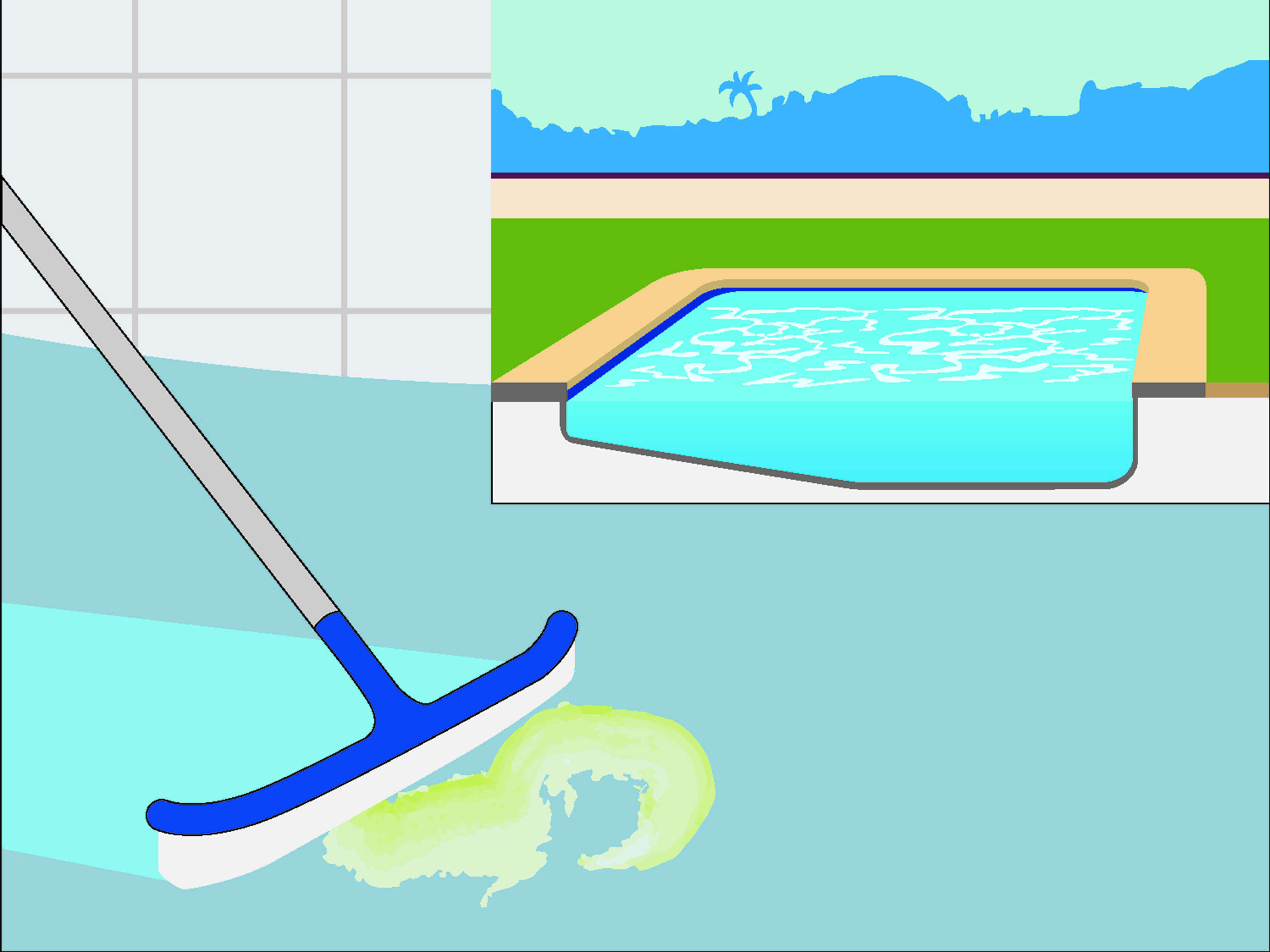
Acid washing a swimming pool sounds dramatic because, well, it is. This is not the same as brushing a little dust off the steps or vacuuming leaves after your neighbor’s maple tree has a big emotional moment. A pool acid wash is a deep restoration process used to remove stubborn stains, mineral scale, algae discoloration, and dull buildup from certain pool surfacesusually plaster, marcite, or some exposed aggregate finishes.
But here is the important part before anyone gets too excited with a bucket and a “how hard can it be?” attitude: acid washing uses strong corrosive chemicals and should be handled by trained pool professionals. Muriatic acid, the chemical commonly associated with acid washing, can damage skin, eyes, lungs, metal fixtures, landscaping, pool equipment, and the pool surface itself when handled incorrectly. It can also create dangerous fumes if mixed with incompatible chemicals. So, this guide explains the process from a homeowner’s planning perspectivenot as a DIY chemical recipe.
If your pool looks stained, cloudy-looking even when the water is clean, or marked with calcium scale that refuses to leave, acid washing may be one option. The goal is to understand when it makes sense, what to ask a professional, how to prepare your pool area, and how to protect the surface afterward.
What Is Pool Acid Washing?
Pool acid washing is a surface-cleaning and restoration process that removes a very thin outer layer of a cement-based pool finish. That layer may contain embedded stains, mineral deposits, algae marks, dirt, and discoloration. Once the stained surface layer is removed, the cleaner finish underneath becomes visible.
This is why acid washing can produce dramatic before-and-after results. A pool that looked tired, blotchy, or permanently stained can suddenly look brighter and fresher. It is also why acid washing should not be done casually. Every acid wash removes some surface material. Done too often, it can shorten the life of the finish, make plaster rougher, or expose underlying imperfections.
When Should You Acid Wash a Swimming Pool?
An acid wash is usually considered when normal pool cleaning is not enough. In many cases, stains can be treated with brushing, filtration, stain removers, metal sequestrants, water balancing, or targeted professional cleaning. Acid washing is more of a last-resort deep refresh than a monthly maintenance chore.
Common reasons a pool may need acid washing
Pool owners often consider acid washing when they see severe mineral scale, old algae stains, rust-colored marks, leaf stains, waterline discoloration, or a general grayish film that does not improve after proper cleaning. Hard-water areas are especially prone to calcium deposits, while pools surrounded by trees may develop organic staining from leaves and debris.
Another sign is a pool that looks dirty even after the water is balanced and clear. If the water sparkles but the surface still looks dull, the problem may be in the finish rather than the water.
When acid washing is not the best answer
Acid washing is not suitable for every pool. Vinyl liners, fiberglass pools, acrylic surfaces, and painted pools may be damaged by acid washing. Older plaster that is already thin, cracked, hollow, or severely etched may also be a poor candidate. In those cases, resurfacing, sanding, stain treatment, or another repair may be safer and more effective.
It is also not a cure for bad water chemistry. If the source of staining is not fixed, the stains may return like a bad sequel nobody asked for. Before approving an acid wash, a professional should inspect the surface, test the water, and identify whether the problem is organic staining, metal staining, calcium scale, plaster aging, or structural damage.
How to Acid Wash a Swimming Pool: 7 Steps
The following seven steps explain how to approach a pool acid wash safely and intelligently as a homeowner. This is not a chemical handling manual. Think of it as your “don’t accidentally turn a pool refresh into a backyard disaster movie” checklist.
Step 1: Confirm That Acid Washing Is Actually Necessary
Before scheduling an acid wash, look carefully at the type of staining. A few green or brown spots may be algae or organic debris. Orange or reddish stains may point to iron. Blue-green stains may suggest copper. White crusty buildup often means calcium scale. Each problem has different causes and treatments.
Start with a professional water test and surface inspection. Ask whether the stains can be removed with brushing, stain treatment, scale control, enzyme cleaning, or water chemistry correction. Acid washing should be recommended because it is necessarynot because it is the most dramatic-sounding option on the menu.
A good pool professional should be able to explain why acid washing is appropriate for your pool, what results you can reasonably expect, and what stains may remain. Some discoloration is embedded too deeply. Some mottling is natural variation in plaster. Some roughness is surface damage rather than dirt. In other words, acid is powerful, but it is not magic in a jug.
Step 2: Check the Pool Surface Type and Condition
Acid washing is most commonly associated with plaster, marcite, and certain exposed aggregate finishes. It is generally not recommended for vinyl liners, fiberglass shells, acrylic coatings, or painted surfaces because those materials can be damaged.
The age and condition of the finish matter just as much as the material. A newer plaster pool with staining may respond well when handled by a trained technician. A very old plaster pool with cracks, roughness, hollow spots, or visible aggregate may not. Removing even a thin layer from an already worn surface can make the finish worse.
Before approving the work, ask the professional to inspect for cracks, delamination, pop-ups, hollow sounds, missing plaster, loose tile, and damaged fittings. Acid washing should not be used to hide structural problems. If the surface is failing, resurfacing may be the honest answer.
Step 3: Hire a Qualified Pool Professional
This is the step that saves the most trouble. Acid washing involves hazardous materials, draining decisions, wastewater concerns, surface timing, and post-wash water balancing. A qualified pool service company should have experience with your surface type and should be willing to explain its safety procedures.
Ask whether the company is licensed or insured where required, how it protects nearby landscaping, how it handles wastewater, what precautions it takes around pool equipment, and whether it follows local discharge rules. You should also ask what happens if stains do not come out evenly. A reputable pro will set realistic expectations rather than promising that your 20-year-old pool will look like it just walked out of a luxury resort brochure.
Professional acid washing also reduces risks related to chemical exposure. Pool chemicals can cause eye, skin, and breathing injuries when handled incorrectly. Chlorine products and acids must never be mixed, and chemical work should be done only by people who understand the hazards.
Step 4: Prepare the Pool Area Before the Service
Before the appointment, clear the pool deck. Move patio furniture, toys, planters, grills, umbrellas, storage bins, and anything else that might block access. If you have pets, keep them indoors or away from the work area. Children should not be near the pool during the service.
Take photos of the pool before work begins. This gives you a record of existing stains, cracks, tile condition, and equipment placement. If the company is also draining the pool, ask where hoses will run and whether any gates or access points need to be opened.
Landscaping matters, too. Acid wash service can involve runoff management, rinsing, and equipment movement. Sensitive plants near the pool should be identified before the crew starts. A careful professional will take precautions, but it helps when the homeowner points out prized roses, delicate grass, or that one dramatic fern that faints if someone looks at it wrong.
Step 5: Understand Draining, Wastewater, and Local Rules
Many traditional acid washes require the pool to be drained. Draining a pool is not as simple as pulling a plug and hoping for the best. Empty pools can be vulnerable to hydrostatic pressure, especially when groundwater is high or the soil is saturated after heavy rain. In extreme cases, an empty pool shell can shift or lift, causing major structural damage.
Ask your pool professional whether draining is safe based on your pool type, local soil, recent weather, and groundwater conditions. Some pools have hydrostatic relief valves; others require extra caution. Never assume that every pool can be safely emptied at any time.
Wastewater rules also vary by location. Acid wash water may contain dissolved minerals, debris, and chemical residue. It should not be casually discharged into a storm drain, street, neighbor’s yard, or natural waterway. A professional should understand local requirements and manage wastewater responsibly.
Step 6: Let the Professional Perform the Acid Wash Safely
During the actual service, give the crew space. This is not the moment to hover at the edge of the deep end asking, “So, what does that button do?” Keep people and pets away from the work zone and avoid entering the pool area until the company says it is safe.
A professional acid wash generally involves controlled surface treatment, brushing or washing stained areas, careful rinsing, and responsible removal or neutralization of wastewater according to local rules. The specific chemical handling process should be left to trained technicians using proper equipment and safety procedures.
Good technicians work in sections to reduce streaking and uneven results. They also watch the surface closely because overexposure can etch plaster or create roughness. The goal is to remove staining without unnecessarily damaging the finish. More aggressive is not always better; in pool care, “just a little more” can get expensive fast.
Step 7: Refill, Rebalance, and Prevent Future Stains
After the acid wash, the pool must be refilled and chemically balanced before swimming. Fresh fill water can introduce calcium, metals, alkalinity, and other minerals. Proper startup is essential because unbalanced water can scale, stain, cloud, or etch the surface.
Your pool professional should test and adjust pH, total alkalinity, calcium hardness, sanitizer level, and stabilizer as appropriate for your pool. Brushing may be recommended during the early refill and startup period, especially for plaster finishes. Follow the service company’s aftercare instructions carefully.
Prevention is the real victory lap. Maintain balanced water, brush regularly, remove leaves quickly, clean filters, manage metals, and address scale before it hardens into a crusty souvenir. The cleaner your water chemistry stays, the less often you will need aggressive surface restoration.
How Often Should You Acid Wash a Pool?
There is no perfect schedule because pools age differently. A well-maintained plaster pool may go many years without needing an acid wash. A pool in a hard-water region, dusty climate, or leaf-heavy backyard may show stains sooner. In general, acid washing should be done only when necessary because repeated treatments remove surface material.
If a company suggests frequent acid washing, ask why. The better long-term solution may be improving water balance, controlling metals, adjusting calcium hardness, upgrading filtration, repairing circulation problems, or resurfacing. Acid washing is a tool, not a lifestyle.
Acid Wash vs. Chlorine Wash vs. Stain Treatment
Pool owners often hear several terms that sound similar but mean different things. An acid wash targets mineral scale, plaster discoloration, and deep surface staining by removing a thin layer of finish. A chlorine wash is typically used for certain algae-related staining but is still chemical work and should be handled carefully. A stain treatment may target metals, organic stains, or scale without draining the pool.
The right choice depends on the stain. For example, brown leaf stains may respond to organic stain treatment. Metal stains may require metal-specific products and sequestration. Calcium scale may need professional descaling. Acid washing may be recommended when stains are widespread, stubborn, and embedded in a compatible cement-based finish.
How Much Does Pool Acid Washing Cost?
Costs vary depending on pool size, surface type, stain severity, region, draining complexity, water disposal, and whether repairs are needed. A small residential pool with easy access will usually cost less than a large pool with heavy scale, high groundwater risk, or difficult drainage logistics.
When comparing quotes, do not choose based only on the lowest price. Ask what is included: draining, surface inspection, protection of fittings, wastewater handling, refill guidance, startup balancing, and cleanup. A cheap service that damages plaster, floods landscaping, or ignores water chemistry can become very expensive.
Safety Tips for Homeowners
The safest homeowner role is preparation and oversightnot chemical handling. Keep the area clear, keep children and pets away, follow professional instructions, and do not mix pool chemicals. Store pool chemicals according to label directions and away from incompatible products. Never combine chlorine products with acid. That combination can produce toxic gas.
If someone is exposed to chemical fumes, splashes, or irritation during any pool service, leave the area and seek appropriate help. For serious symptoms, call emergency services. For chemical exposure questions in the United States, Poison Control can provide guidance at 1-800-222-1222.
of Real-World Experience: What Pool Owners Usually Learn the Hard Way
The biggest lesson pool owners learn about acid washing is that the stain is rarely the whole story. A stain is often a symptom. Maybe the water has been running with high pH for months. Maybe calcium hardness is high because the fill water is hard. Maybe the pool has poor circulation in one corner. Maybe leaves have been sitting on the floor long enough to leave organic marks. Acid washing can make the surface look better, but if the cause remains, the pool may slowly drift back into the same condition.
Another common experience is sticker shocknot only from the acid wash itself, but from the related costs. Draining and refilling a pool uses a lot of water. In some places, water costs are high or drought restrictions may apply. If the pool needs tile repair, plaster patching, equipment checks, or startup chemicals after the wash, the final bill can grow. The smartest homeowners ask for a full written estimate and a plain-English explanation of what is included.
Many pool owners are also surprised by how different stains behave. A pool may have several types of stains at once: calcium scale near the waterline, organic stains on the floor, metal stains around fittings, and general plaster discoloration on the walls. One treatment may improve some areas more than others. That does not always mean the work was poor; it may mean the stains had different causes. This is why a pre-service inspection is so valuable.
Timing matters more than people expect. Draining a pool after heavy rain or during high groundwater conditions can be risky. Scheduling during mild weather is often easier on the surface, the workers, and the refill process. Extremely hot days can make empty plaster surfaces dry quickly, while rainy periods can complicate draining and wastewater management. A good pool company will consider weather rather than treating the calendar like it has no opinions.
Homeowners also learn that “new-looking” and “new” are not the same thing. Acid washing may brighten a pool, but it will not rebuild missing plaster, fix hollow spots, erase structural cracks, or reverse years of etching. If a pool finish is near the end of its life, an acid wash may buy time, but resurfacing may still be needed. Think of it like polishing old shoes: they can look better, but polish cannot replace the sole.
The best long-term experience comes after the service. Owners who brush the pool, test water regularly, clean filters, control pH, manage calcium, and remove debris quickly usually enjoy the results longer. Owners who go right back to neglect often watch stains return. The acid wash may be the dramatic makeover, but maintenance is the daily skincare routine.
Conclusion
Acid washing a swimming pool can be an effective way to refresh a stained plaster or cement-based surface, but it is not routine cleaning and it is not a casual DIY project. The process can remove stubborn discoloration, mineral scale, and old algae stains, but it also removes a thin layer of the pool finish. That means timing, surface condition, professional skill, and aftercare all matter.
The best approach is simple: confirm that acid washing is necessary, make sure your surface is suitable, hire a qualified professional, prepare the area, understand draining and wastewater rules, stay clear during the service, and rebalance the pool carefully afterward. Done correctly, an acid wash can bring back a brighter, cleaner pool. Done unnecessarily or poorly, it can shorten the life of your finish.
In pool care, the cleanest victory is prevention. Keep your water balanced, brush regularly, remove debris, and treat stains early. Your pool will look better, last longer, and spend less time auditioning for a swamp documentary.